A discreet buyer’s guide to evaluating pet-friendly luxury condos in Bal Harbour, with emphasis on building service, outdoor access, terraces, association rules, and the questions to resolve before making an offer.
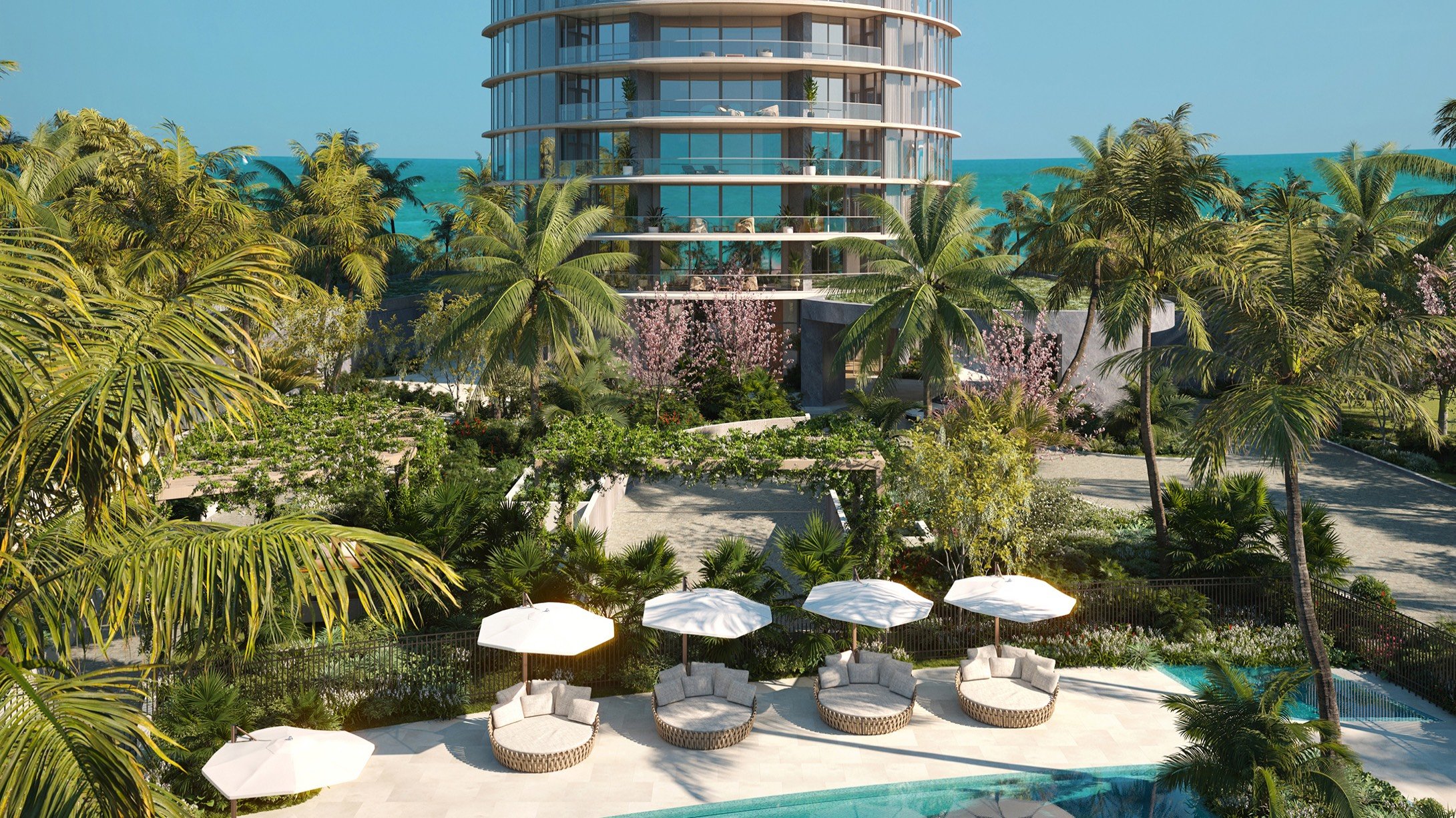
Bal Harbour has long appealed to buyers seeking a quieter expression of oceanfront luxury: formal service, refined architecture, immediate access to the water, and a village rhythm that feels composed rather than crowded. For owners with pets, that calm is not just atmospheric. It shapes daily life. The right residence should allow an early walk without friction, a clean return through the building after the beach, and enough private outdoor space for a high-rise home to feel gracious for every member of the household.
The essential point is simple: pet-friendly does not mean uniform. Each condominium association may define its own policies, including size, number of pets, breed language, registration, elevator use, common-area conduct, deposits, and documentation. In Bal Harbour, where buildings often operate with a high degree of formality, buyers should evaluate pet rules with the same care they bring to view corridors, parking, storage, and service levels.
Luxury buyers comparing Rivage Bal Harbour with established residences such as Oceana Bal Harbour should ask early, precise questions. A pet policy that works beautifully for a small dog may not work for two larger dogs. A generous private terrace may not offset a restrictive elevator protocol. A polished lobby experience may matter less if the walking route adds unnecessary complexity.
In the ultra-premium market, pet-friendly is best understood as a combination of permission, practicality, and etiquette. Permission is the written rule. Practicality is the everyday experience. Etiquette is how the building expects owners, staff, guests, and animals to move through shared spaces.
Permission begins with documents. Buyers should request the current condominium rules, any pet addenda, application requirements, and move-in instructions before contract deadlines pass. If the building allows pets, confirm whether that applies to owners, tenants, guests, or all three. Some buildings distinguish between full-time residents and visiting family members. Others may require separate approval processes or registration.
Practicality is more personal. Consider the unit’s distance from the elevator, expected elevator wait times, the route to an approved exit, the availability of service entrances, and whether the staff is accustomed to helping residents manage daily routines discreetly. A seamless pet life is often built from small details: towel access after rain, clear paths to outdoor areas, and predictable staff communication.
Etiquette is where luxury communities protect the tone of the property. Even in pet-friendly buildings, owners may be expected to carry animals through certain common areas, avoid specific lawns, use designated elevators, or observe quiet-hour expectations. These rules are not necessarily obstacles. In well-managed buildings, they are part of the social contract that preserves privacy and order.
For pet owners, outdoor space is not a decorative amenity. It is infrastructure. Bal Harbour’s appeal begins with its oceanfront setting, but the most livable pet residences also offer private and semi-private breathing room: deep terraces, landscaped approaches, shaded walking routes, and convenient access to low-traffic streets.
A private terrace can be especially meaningful, provided it is safe, usable, and compatible with the building’s rules. Buyers should evaluate railing design, wind exposure, drainage, shade, privacy from neighboring units, and whether the outdoor area feels comfortable at the times of day they will actually use it. A terrace that photographs beautifully may be too exposed for a senior dog at midday or too windy for a small pet during seasonal weather.
Nearby green space also matters, although buyers should not assume that every lawn or landscaped area is available for pet use. Ask which outdoor areas are permitted, where relief areas are located, and how the building handles cleaning and maintenance. A convenient dog park may be useful for some households, but many luxury pet owners value quiet, controlled walking routes even more.
The same analysis applies just outside Bal Harbour. Buyers who want a broader North Beach lifestyle sometimes compare Surfside and Bay Harbor Islands, where boutique scale and quieter streets can change the cadence of pet ownership. Projects such as The Delmore Surfside and The Well Bay Harbor Islands can be part of that wider conversation, particularly for buyers weighing privacy, wellness, and outdoor access across neighboring enclaves.
In a truly refined building, pet convenience is often less about a branded amenity and more about service culture. Doorman familiarity, valet coordination, package handling, housekeeping access, and clear communication with management can all affect pet ownership. A building may not advertise a pet concierge, yet still function beautifully for residents with animals because the staff is attentive, consistent, and discreet.
Service also matters during absences. Many Bal Harbour owners travel frequently, and pets may remain with family members, caretakers, or professional walkers. Before purchasing, confirm how the building handles recurring service providers. Ask whether dog walkers require registration, whether access can be limited by time or area, and how keys, fobs, elevators, and guest authorization are managed.
For households with multiple residences, predictability is paramount. The best arrangement is one where the building knows the household’s preferences without compromising security. That includes understanding which providers are approved, which entrances are appropriate, and how to respond if an animal needs assistance while the owner is away.
Pet rules should be reviewed before emotional momentum takes over. A spectacular residence can become impractical if the policy does not align with the household. Key issues include permitted number of animals, weight or size language, breed language, approval procedures, fees or deposits, vaccination records, nuisance provisions, elevator protocols, and rules for tenants or guests.
Buyers should also consider future flexibility. A policy that works for one pet today may not work if the household later adds another animal, welcomes long-term guests with pets, or leases the residence. Resale matters as well. In luxury buildings, clear and reasonable pet policies can broaden the buyer pool, while restrictive or ambiguous rules can create uncertainty.
The review should be both written and practical. Written rules establish what is allowed. Building conversations reveal how the policy is actually administered. Ask management direct questions and confirm responses in writing when they are material to the purchase decision.
When touring, walk the route you would actually use with your pet. Start at the unit door, move to the elevator, continue through the lobby or approved service path, and exit to the first likely walking area. Note flooring, noise, thresholds, doors, shade, traffic, and staff interaction. The goal is to understand the rhythm, not just the room count.
Inside the residence, study surfaces and layout. Stone, wood, and large-format flooring each behave differently with pets. Consider where bowls, beds, crates, grooming supplies, leashes, and food storage would live. Laundry access, utility space, and a secondary entry can be valuable, especially for beachside living.
Finally, evaluate sound. Pets respond to elevators, hallway footsteps, neighboring terraces, service doors, and mechanical systems. A quiet plan can be as important as a large one. In Bal Harbour, where buyers expect serenity, the best pet-friendly home feels calm inside and effortless outside.
Do Bal Harbour luxury condos allow pets? Many buildings may allow pets, but each association sets its own rules. Buyers should review the current condominium documents before relying on assumptions.
What pet rules should I ask for before making an offer? Request rules on number of pets, size, breed language, deposits, registration, elevators, outdoor areas, and guest or tenant pets.
Are pet policies the same for owners and renters? Not always. Some associations may apply different procedures or restrictions depending on occupancy type, so confirm the policy for your intended use.
Does a large terrace make a condo better for pets? A large terrace can help, but safety, shade, wind, privacy, and building rules are just as important as square footage.
Should I prioritize an oceanfront building with a pet? Oceanfront living can be highly desirable, but convenience depends on approved exits, walking routes, cleaning protocols, and outdoor access.
Can building staff help with pet routines? Service levels vary by property. Ask how the building handles walkers, caretakers, guest access, deliveries, and owner travel.
Is a nearby dog park essential? Not for every owner. Some buyers prefer quiet sidewalks, shaded routes, and predictable building access over a busy dog park setting.
How should I compare Oceana Bal Harbour with newer options? Compare written rules, terrace usability, staff procedures, elevator access, and outdoor routes rather than relying only on age or design.
Why is Rivage Bal Harbour relevant for pet-owning buyers? Buyers considering Rivage Bal Harbour should review its current pet policies and service procedures as part of broader purchase diligence.
What is the biggest mistake pet owners make when buying? The most common mistake is falling in love with the residence before confirming that the building’s rules and routines fit daily pet life.
For a tailored shortlist and next-step guidance, connect with MILLION.
If branded residences are on your mind — as a home or as an allocation — we would be glad to share what we are seeing, privately.
Begin a quiet conversation