A discreet, buyer-oriented comparison of Delray Beach and Palm Beach for 2026, focusing on price baselines, lifestyle, liquidity, and where "value" still exists at the high end.
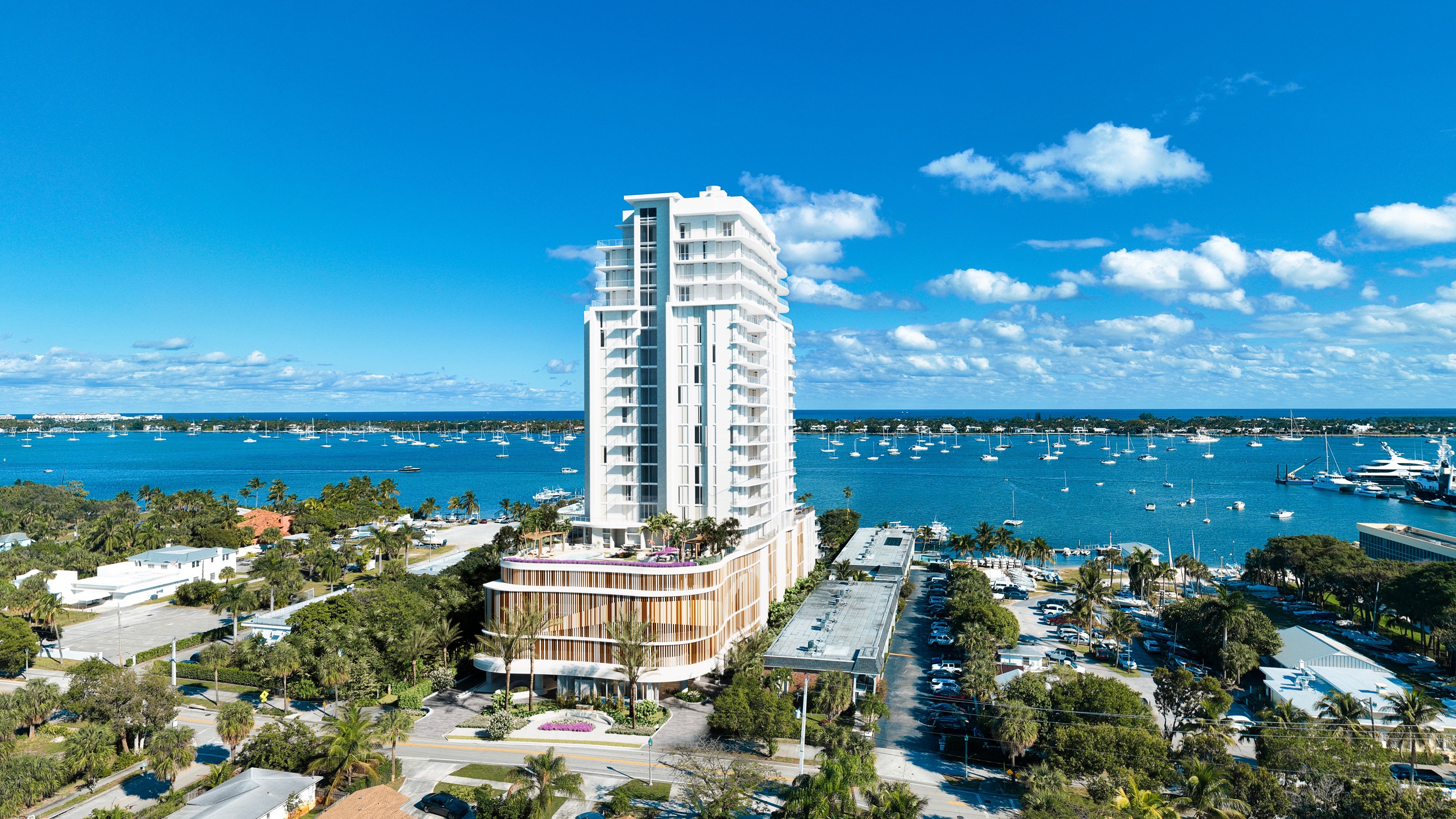
In South Florida, “value” rarely means inexpensive. For luxury buyers in 2026, value sits at the intersection of lifestyle certainty, resale liquidity, architectural integrity, and the kind of scarcity that cannot be manufactured. Delray Beach and Palm Beach move in the same countywide orbit, yet they operate on two distinct luxury logics.
Delray’s proposition is a larger, more animated coastal city with visible inventory and a more approachable entry point. Palm Beach is an island market with an entrenched cultural identity, a far higher price baseline, and a buyer pool that often behaves differently than the rest of Florida.
The takeaway is straightforward: if you define value as “maximum enjoyment per dollar,” Delray can win. If you define value as “maximum scarcity per address,” Palm Beach tends to dominate.
Price expectations begin from dramatically different baselines. Delray Beach’s home value index sits around $334,843 in the current research framing, while Palm Beach’s is about $2,040,983. These figures are not the price tag at the top of the market, but they do clarify something essential: Palm Beach is priced like a legacy enclave at nearly every tier, while Delray reads as a broader city with more range.
In Delray, luxury “value” often shows up as optionality. You may be weighing a newer residence near the downtown core, a lock-and-leave condo, or a coastal single-family home. In Palm Beach, the decision is more often about access: which street, which ocean block, which view corridor, which architectural era, which club ecosystem.
This is also why cross-shopping can distort expectations. A buyer benchmarking Delray against Palm Beach may feel pleasantly surprised. A buyer expecting Delray-style elasticity in Palm Beach may find the market firm, even when inventory looks available.
Delray’s recent cadence has been slower and more negotiable in a general sense. A median sale price around $590,000 (December 2025 framing) and roughly 80 days on market suggests a less frenetic environment than many assume, and recent metrics describe homes receiving about one offer on average and selling roughly 5% below list. At the luxury end, the numbers move higher, but the posture can remain: buyers often have the runway to be deliberate.
Palm Beach’s high end, by contrast, is often defined by trophy scarcity and an ultra-wealthy buyer base that can transact with less sensitivity to interest rates. That does not mean every property sells instantly. It means truly prime offerings can trade on their own timeline, with a price logic anchored to irreplaceability rather than comparables.
For 2026 strategy, the difference is consequential.
Delray’s lifestyle is downtown-forward. Its center of gravity concentrates near Atlantic Avenue, with dining, shopping, arts programming, and public events that keep the area activated across seasons. The beach is a widely used public amenity, and the convenience of straightforward access is part of the draw.
Palm Beach’s lifestyle is curated and quieter, with a long-established sense of place. Worth Avenue serves as a historic luxury retail district and a cultural anchor that signals the island’s identity. The architectural narrative is also unusually cohesive, with a Mediterranean Revival tradition strongly associated with Addison Mizner’s influence.
Neither is “better.” They simply deliver different definitions of luxury.
Palm Beach premiums are sometimes dismissed as brand pricing. In practice, they are often tied to architectural continuity and the cost of replacing it. Mediterranean Revival is not merely an aesthetic; it is a design language that reads “Palm Beach” at a glance. When that language is executed well and reinforced by location, it can function as a form of value insurance.
Delray’s luxury product is more stylistically varied. That can be an advantage: contemporary coastal design, smaller boutique buildings, and newer residences can align with modern living. It can also demand more discipline from buyers, since long-term desirability may depend less on legacy cues and more on execution, floor plan, and livability.
For buyers weighing a second-home purchase, the distinction can be decisive. If you want a home that projects an iconic identity the moment a guest arrives, Palm Beach offers that in a way few places can.
Across South Florida, waterfront scarcity remains a primary driver of ultra-luxury pricing. In both Delray and Palm Beach, the most defensible purchases tend to be the ones where the location advantage cannot be duplicated.
In Palm Beach, “waterfront” can mean oceanfront, Intracoastal frontage, or a view corridor that effectively performs like waterfront. In Delray, coastal proximity-and the practical ease of actually using the beach-can be part of the utility equation, especially for buyers who intend to live in the home rather than hold it purely as a legacy asset.
Club infrastructure also shapes value, even when it is not explicitly priced into listings. Palm Beach County has a deep bench of private golf courses, and for some buyers, the home decision follows the membership decision. When club access and home location reinforce each other, value tends to hold up.
Luxury buyers comparing Delray and Palm Beach in 2026 often widen the map to include West Palm Beach, particularly along the waterfront and Flagler corridor. Over the past decade, West Palm Beach has posted standout luxury price growth among major U.S. metros, culminating in a median luxury price around $4.04M in the current research framing.
This matters because it recasts “value” as a countywide gradient. Delray can feel like an entry to a lifestyle. Palm Beach can feel like a pinnacle. West Palm Beach can sit between them as a momentum market with urban convenience.
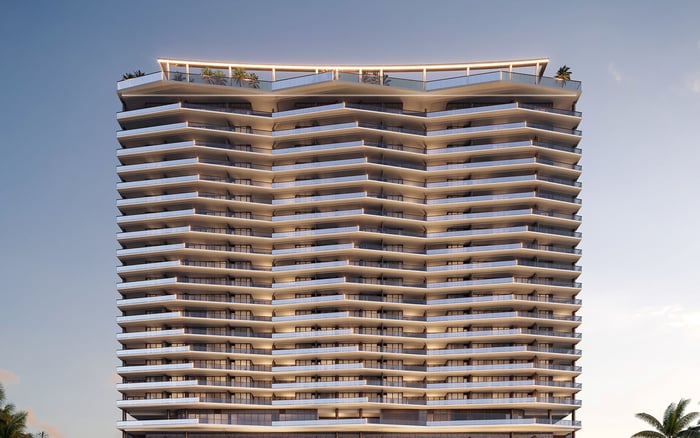
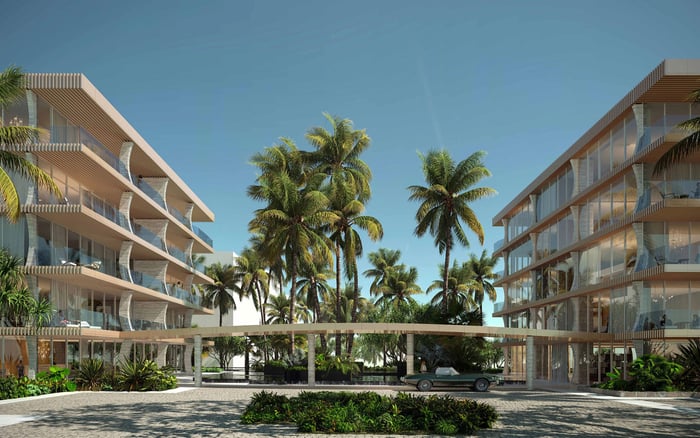
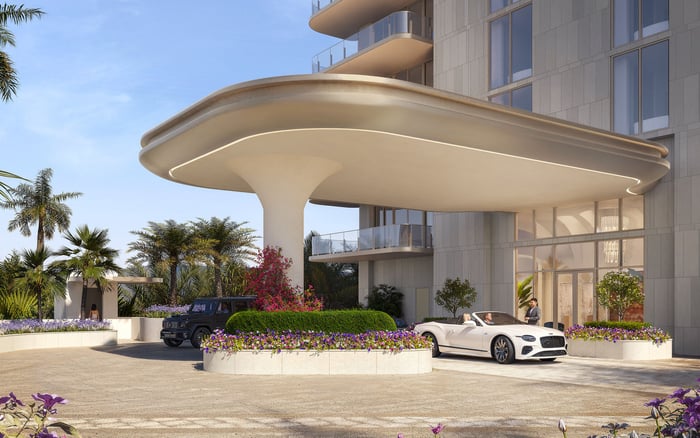
For buyers who want new-build convenience without giving up proximity to Palm Beach, a residence like Mr. C Residences West Palm Beach can match a more modern, service-oriented standard of living. For those drawn to the Flagler-facing waterfront address story, Forté on Flagler West Palm Beach offers another lens on countywide luxury positioning.
A discreet way to decide is to answer three questions.
First, what kind of privacy do you want? Delray’s energy is part of the appeal. Palm Beach’s controlled calm is part of its price.
Second, what kind of liquidity do you need? Delray can offer negotiation room and clearer market feedback. Palm Beach can offer scarcity-driven pricing that is less responsive to typical market cycles.
Third, what kind of identity do you want your home to project? Palm Beach’s architectural narrative is cohesive and instantly legible. Delray’s identity is more lifestyle-led, anchored by its downtown and beach access.
If you are buying primarily for use, Delray’s “value” can be experienced daily. If you are buying primarily for legacy, Palm Beach’s “value” is embedded in what cannot be replicated.
Delray Beach tends to suit:
Palm Beach tends to suit:
For buyers who want a Palm Beach-adjacent lifestyle in a different format, countywide options can complement the search. Palm Beach Residences can be a starting point for understanding island inventory patterns, while West Palm Beach’s luxury pipeline continues to mature with offerings like Alba West Palm Beach for buyers who want a newer building lifestyle close to the island.
In 2026, Delray Beach and Palm Beach are not rival versions of the same idea. They are different answers to the same question: what does luxury mean when the market is sophisticated and the buyer is experienced?
Delray’s value is lived: a beach city with an activated downtown and a purchase profile that can still reward patience and precision. Palm Beach’s value is protected: an island identity built on legacy, architecture, and scarcity that can keep pricing firm even when broader markets soften.
The right choice is the one whose value proposition you will actually use-and whose scarcity story you will still respect a decade from now.
Is Palm Beach always more expensive than Delray Beach? In baseline terms, yes-and the gap is substantial. The top end of both markets can be expensive, but Palm Beach starts higher.
Does Delray Beach offer negotiating room in 2026? Often, yes, especially compared with trophy-driven enclaves. Recent market signals include longer days on market and modest discounting in typical transactions.
Is Palm Beach less sensitive to mortgage rates? Frequently, yes, because many high-end purchases are cash-driven. That can make pricing feel less reactive than in conventional markets.
What lifestyle is Delray best known for? A downtown-centric rhythm anchored by dining, shopping, arts, and events near Atlantic Avenue. Public beach access is a key daily amenity.
What lifestyle is Palm Beach best known for? Discreet island living with a strong legacy identity and a curated retail and cultural core. Architectural continuity is part of the allure.
How important is architecture in Palm Beach pricing? Very important, because a cohesive architectural identity can be difficult and costly to replicate. Mediterranean Revival influences are a recognizable local signature.
Does waterfront matter equally in both markets? Waterfront scarcity drives pricing across South Florida, but it expresses differently. In Palm Beach, it is often tied to irreplaceable frontage; in Delray, it can also be tied to everyday usability.
Should buyers consider West Palm Beach when comparing Delray and Palm Beach? Yes, especially for newer luxury buildings and waterfront corridors. It has seen notable luxury price growth over the past decade.
Which market is better for a second home? It depends on how you plan to use it. Delray can be more lifestyle-active; Palm Beach can be more private and legacy-oriented.
What is the simplest way to define value between the two? Delray offers flexibility and lived enjoyment; Palm Beach offers scarcity and enduring prestige. Choose the one that matches your intent.
For a confidential assessment and a building-by-building shortlist, connect with MILLION Luxury.
If branded residences are on your mind — as a home or as an allocation — we would be glad to share what we are seeing, privately.
Begin a quiet conversation