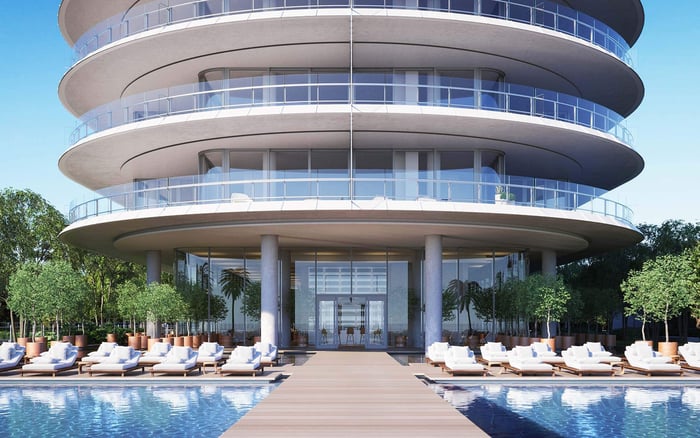
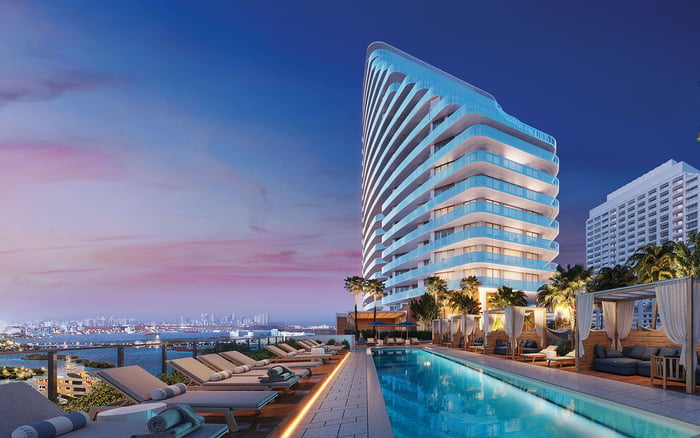
A buyer-focused look at how Intracoastal wake exposure can influence comfort, privacy, balcony use, acoustics, and long-term confidence at Delano Residences & Hotel Miami.
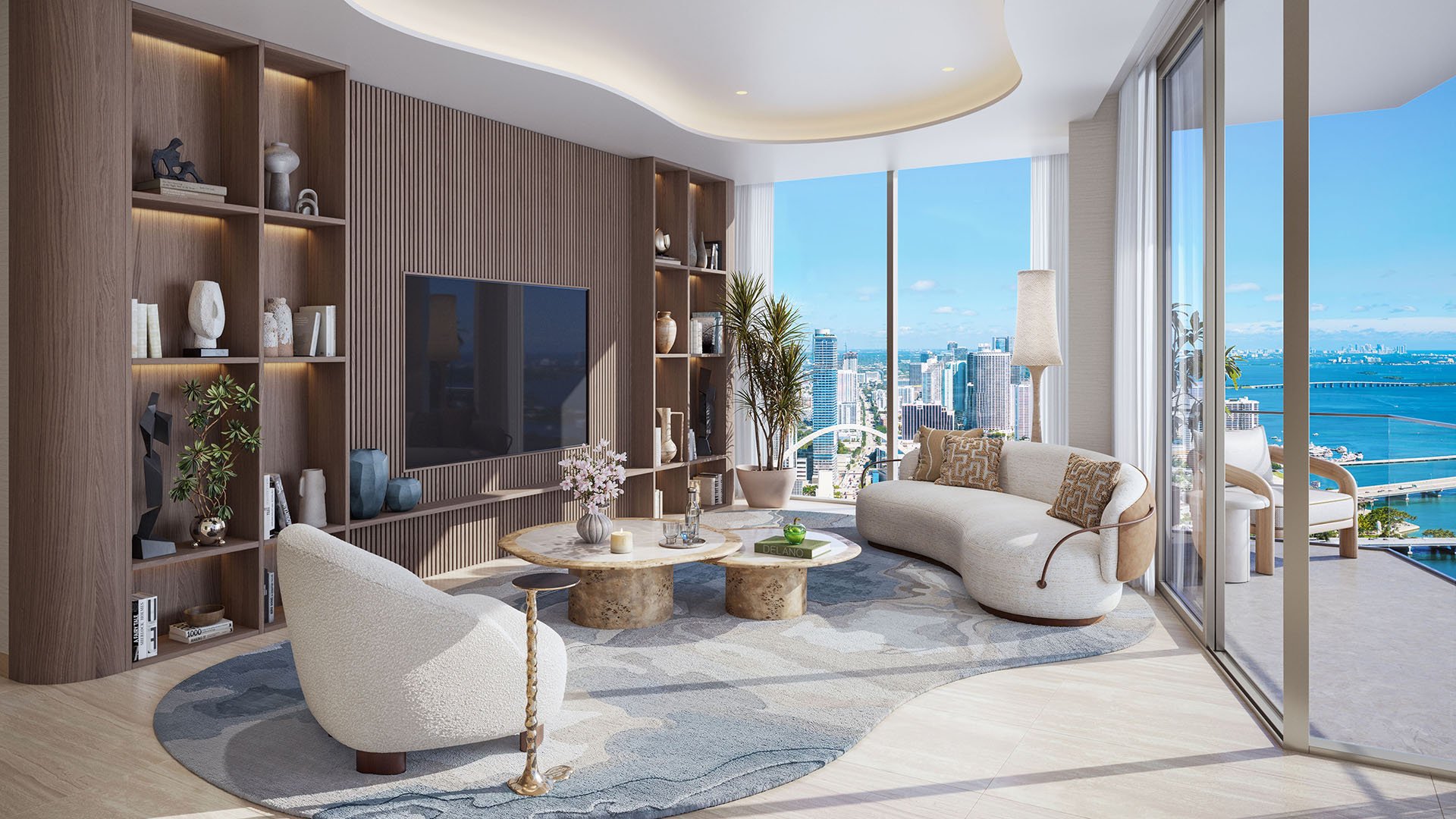
At the highest end of South Florida real estate, water is rarely a simple amenity. It is light, orientation, privacy, movement, sound, reflection, and status. For a buyer evaluating Delano Residences & Hotel Miami, the phrase “Intracoastal wake exposure” should not feel overly technical. It is one of the quiet variables that can determine whether a residence feels serene, social, cinematic, or occasionally less composed than expected.
Wake exposure refers to the movement created when vessels pass through nearby water. In a luxury residential context, the issue is not simply whether boats are visible. It is how their passage affects the lived experience: the rhythm of the terrace, the sound profile at different hours, the sense of privacy, and the buyer’s confidence in long-term enjoyment. A water view can be extraordinary, but the most discerning buyers understand that the view is only one layer of waterfront living.
This is where discretion and precision matter. A buyer may fall in love with a shimmering corridor of water during a weekday appointment, then encounter a different personality on a weekend afternoon. The decision is not whether movement on the Intracoastal is good or bad. For many owners, it is part of the romance. The question is whether the specific exposure aligns with the buyer’s lifestyle.
Waterfront buyers often evaluate the obvious first: horizon, sunsets, sightlines, and how the residence frames the water from the primary rooms. Those are essential. Yet the more sophisticated lens studies behavior. Does the water remain visually calm most of the day? Are boats mostly distant, or do they feel present? Does activity create a pleasant sense of animation, or does it intrude on quiet moments?
In Miami Beach and surrounding waterfront neighborhoods, lifestyle expectations can vary sharply from one buyer to another. A resident who entertains often may enjoy the passing theater of yachts and tenders. Another buyer, especially one seeking a restorative second home, may prioritize stillness, soft sound, and a more protected atmosphere. Neither preference is superior. The value lies in matching the residence to the owner’s actual daily patterns.
This is why wake exposure can change the buyer decision. It shifts the analysis from “What does the residence overlook?” to “How does the residence live?” In luxury real estate, that distinction is decisive.
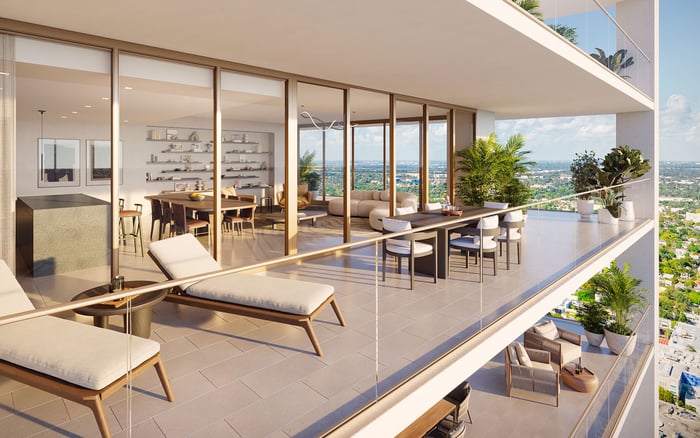
The terrace is often where wake exposure becomes tangible. A large outdoor space can be a showpiece in marketing, but the buyer’s real question is functional: How often will I use it, and at what times of day? Passing vessels may add glamour from a distance, yet they can also alter the atmosphere when outdoor dining, reading, or private conversation is central to the lifestyle brief.
The same applies to a balcony. Some buyers want an elevated perch for morning coffee and evening air, with movement below as part of the composition. Others may be sensitive to engine noise, horn activity, or the feeling that their outdoor life is being observed from the water. The more valuable the residence, the more these nuances matter, because buyers are not simply purchasing square footage. They are purchasing the right to feel at ease.
A careful showing should include time spent outside in silence. The buyer should pause, listen, and observe. How quickly does a passing boat register? Does sound reflect against nearby structures? Does the outdoor area feel private when vessels pass? These are experiential questions that cannot be answered by renderings or floor plans.
Wake exposure is not uniform throughout a building. Lower floors may feel more connected to the surface of the water, which can be desirable for buyers who want immediacy and texture. That same proximity can make vessel movement feel more present. Higher floors may soften some of the direct sensation, but they can also widen the field of view, making the full choreography of the water more visible.
Orientation is equally important. A residence angled toward the most active water corridor may deliver striking views and dynamic energy. Another line may feel more protected, with a quieter visual field. Buyers should avoid assuming that all waterfront units in the same building live the same way. The difference between two exposures can be meaningful, particularly for those comparing premium layouts.
For new-construction buyers, this evaluation can require more imagination. Without a completed residence to experience, the review should focus on orientation, planned outdoor depth, glazing, balcony enclosure, and how the residence is expected to relate to the water. The goal is not to eliminate uncertainty entirely. It is to determine whether the likely experience supports the buyer’s priorities.
An exceptional waterfront residence should offer contrast: expansive openness when desired, and a calm indoor refuge when the doors close. Wake exposure therefore raises questions about acoustics, not just views. The buyer should consider how the interior may perform when the water outside is active. Does the residence feel insulated and composed? Can the owner enjoy the view without feeling immersed in every passing sound?
Glazing quality, door systems, terrace depth, and room placement all influence perception. A primary bedroom facing the water may be extraordinary, but it should also support rest. A living room oriented toward vessel traffic may feel glamorous for entertaining, but the buyer should understand how that energy changes from morning to night.
In the best waterfront homes, activity outside becomes optional. The owner can participate by opening the doors or retreat into quiet by closing them. That sense of control is a luxury in itself.
Waterfront privacy is more complex than privacy between adjacent residences. It also includes the relationship between the home and the waterway. A buyer may feel completely secluded from neighboring towers yet highly visible from passing boats. This is particularly relevant for buyers who plan to spend significant time outdoors, host family, or use the terrace as an extension of the primary living room.
The evaluation should be practical. Can a seated guest be seen from the water? Does the terrace railing preserve openness while offering a feeling of discretion? Are the most intimate rooms positioned to avoid unnecessary exposure? Privacy is not an abstract concern for the ultra-premium buyer. It shapes how freely the residence is used.
This is where a buyer’s lifestyle brief becomes essential. A highly social owner may welcome the kinetic waterfront energy. A low-profile buyer may prefer a more sheltered line, even if it means sacrificing a small measure of drama.
The word marina can signal convenience, prestige, and a deeply South Florida way of life. It can also imply activity. For some buyers, proximity to boating culture is the entire point. For others, it is an amenity best enjoyed at a respectful distance. Wake exposure helps define where a residence falls on that spectrum.
A buyer should distinguish between visual access to boating and physical or acoustic proximity to boating. The former can be beautiful; the latter is more personal. If the residence is intended as a seasonal retreat, weekday and weekend conditions may both deserve attention. If it will be a primary home, the buyer should think about daily rituals: work calls, early sleep, outdoor exercise, family meals, and quiet afternoons.
The right answer is not universal. The right residence is the one whose water behavior complements how the owner wants to live.
A sophisticated review of Delano Residences & Hotel Miami should include more than finish levels and amenity programming. Buyers should ask when the water is most active, how different residence lines relate to that activity, and whether the preferred floor height supports the desired balance between spectacle and calm.
They should also visit, when possible, at more than one time. A single showing can be misleading because waterfront energy changes with hour, weather, season, and local boating patterns. The most valuable insight often comes from stillness: standing on the terrace, saying nothing, and letting the setting reveal itself.
Wake exposure does not diminish the appeal of waterfront living. In many cases, it enhances it. The movement of the Intracoastal can make a residence feel alive in a way that static views cannot. But for the buyer making a high-conviction decision, the question is not whether the water is beautiful. It is whether its beauty behaves in a way that feels personal, livable, and enduring.
What is Intracoastal wake exposure? It is the effect of boat movement on the water near a residence, including visual activity, sound, and the feeling of motion from private outdoor spaces.
Why can wake exposure affect a luxury condo decision? It can influence terrace comfort, privacy, acoustics, and the overall sense of calm, all of which matter in a premium waterfront home.
Is wake exposure always a negative? No. Many buyers enjoy the movement and theater of passing boats, especially when it matches a social or boating-oriented lifestyle.
Should buyers visit at different times of day? Yes. Waterfront activity can feel different on weekdays, weekends, mornings, and late afternoons, so multiple impressions are valuable.
Do higher floors reduce wake impact? They may soften the direct sensation of water movement, but they can also broaden the view of activity. The best choice depends on preference.
Can glazing help with wake-related noise? Quality glazing and well-designed door systems can help the interior feel calmer when the waterfront outside is active.
How does wake exposure affect a terrace? It can change how private, quiet, and usable the outdoor space feels during dining, lounging, or entertaining.
Is privacy from the water different from privacy from neighbors? Yes. A residence may feel private from adjacent homes while still being visible to boats passing along the waterway.
What should a buyer observe during a showing? The buyer should spend quiet time outdoors, listen for sound reflection, watch vessel distance, and test how the home feels with doors closed.
Does wake exposure matter for resale? It can matter because future buyers may judge the same lifestyle variables, including calm, privacy, and outdoor usability.
If you'd like a private walkthrough and a curated shortlist, connect with MILLION.
If branded residences are on your mind — as a home or as an allocation — we would be glad to share what we are seeing, privately.
Begin a quiet conversation