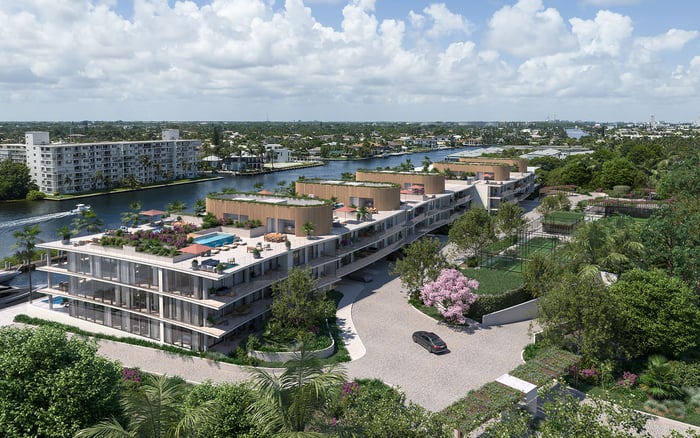
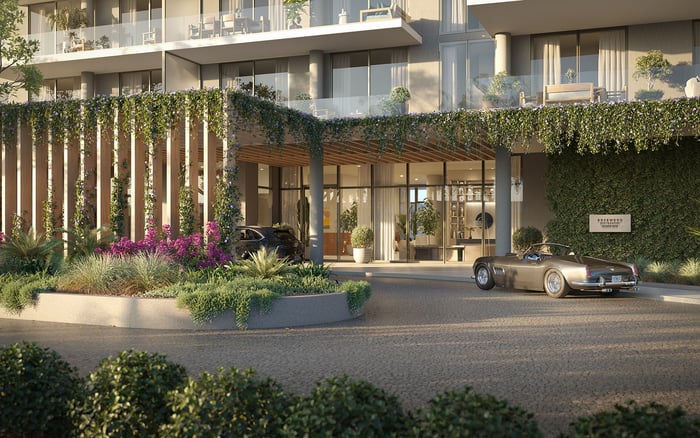
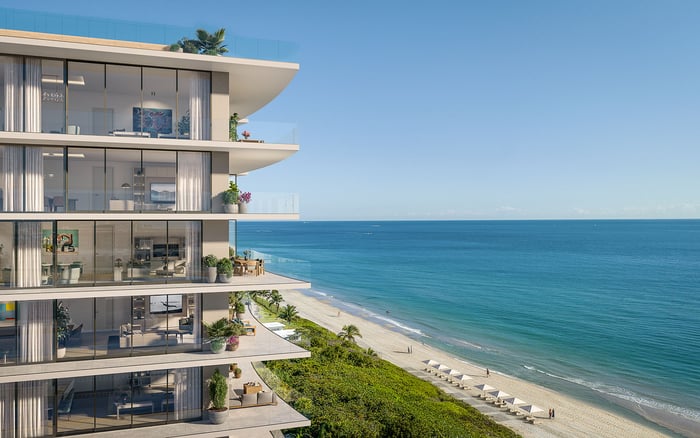
A buyer-focused look at how W Pompano Beach Hotel & Residences should be evaluated beyond its launch imagery, with attention to service, privacy, amenity access, ownership structure, and the practical realities of branded oceanfront living.
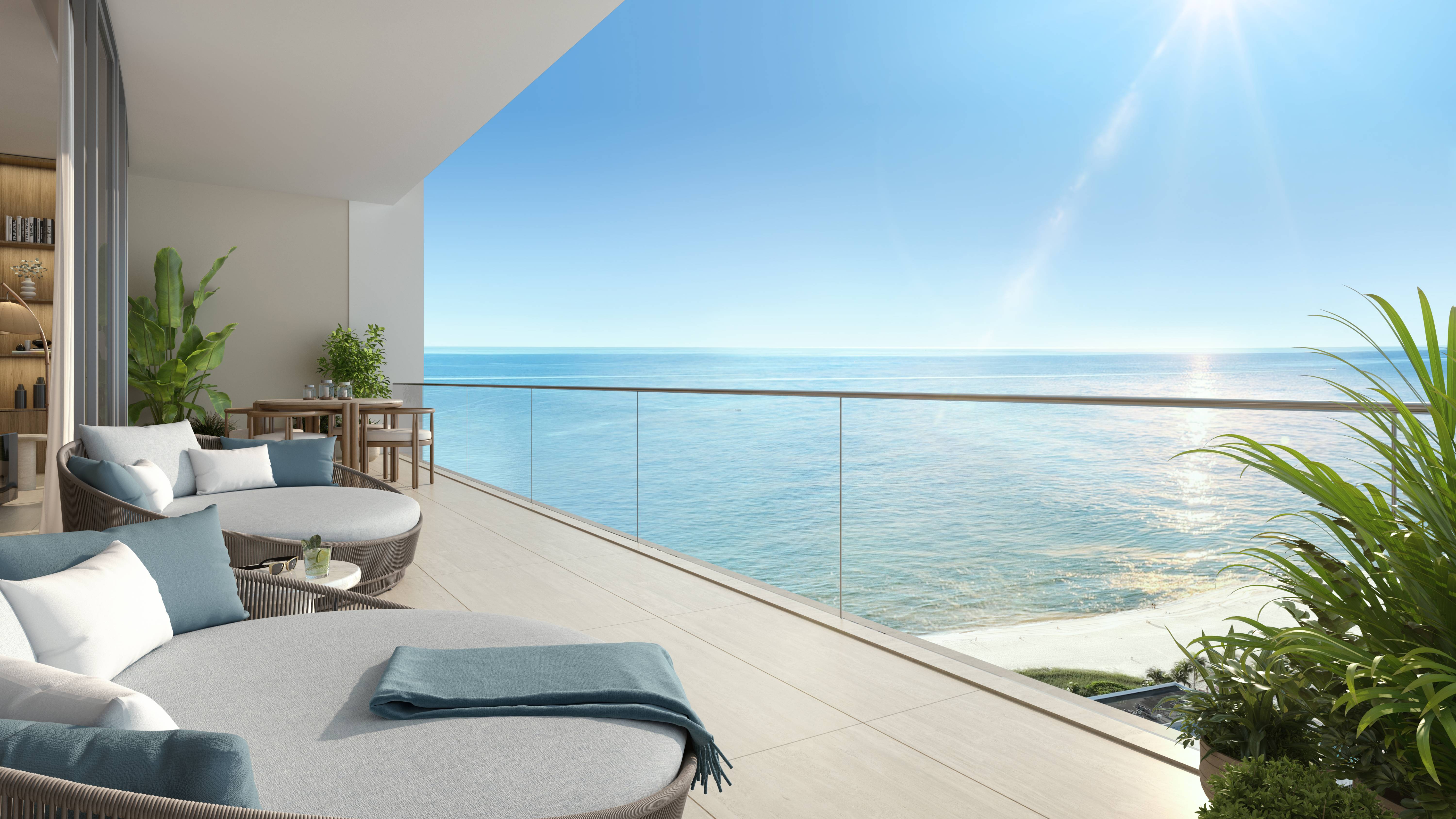
The first impression of W Pompano Beach Hotel & Residences is naturally shaped by brand language: high-design hospitality, a curated lifestyle, and the promise of South Florida oceanfront living. For sophisticated buyers, however, the more revealing question begins after the rendering fades. How will the building feel on a Tuesday morning, during peak season, or when hotel guests and owners are using the same address for very different purposes?
That is the essential lens for W Pompano Beach Hotel & Residences. It is described as a forthcoming branded hotel-and-residences project in Pompano Beach, not a purely private condominium and not an inland urban tower. Its value proposition rests on a hybrid model: hospitality energy paired with residential ownership. Done well, that mix can feel effortless. Done poorly, it can blur privacy, complicate amenity access, and make service consistency the difference between a glamorous launch and a genuinely livable home.
Branded residences succeed when the hospitality promise becomes repeatable daily comfort. For W Pompano Beach Hotel & Residences, the brand association suggests design-forward spaces, social atmosphere, and a curated sense of arrival. Those qualities matter, but buyers should separate visual identity from operating reality.
A residence owner is not simply buying the image of a lobby, pool deck, or amenity sequence. The owner is buying the way those spaces are managed over time. In a hotel-and-residences concept, the experience depends on staffing rhythm, access protocols, service responsiveness, and clear boundaries between guests and residents. The best version of this model gives owners the feeling of a private home with elevated hospitality in the background, not a permanent stay inside a busy resort.
That distinction is especially important in Pompano Beach, where the appeal is not only the building itself but the calmer coastal context it may offer compared with larger, denser luxury markets. Buyers considering the area often compare it with Fort Lauderdale, Boca Raton, and Miami. Each market carries a different daily tempo. W’s challenge is to deliver its signature energy without compromising the comfort expected from a primary or secondary residence.
Oceanfront positioning is powerful in South Florida, but oceanfront livability is more layered than sightlines. The strongest coastal homes make everyday movement feel intuitive: from residence to lobby, from valet to beach, from amenity to private retreat. In a mixed-use tower, those transitions deserve close study.
Buyers should ask how amenity spaces are shared, managed, and accessed by hotel guests and residence owners. The answer can shape the entire ownership experience. A beautiful pool may feel very different depending on whether resident access is prioritized, whether guest flow is controlled, and how service teams distinguish between transient hospitality and long-term residential needs.
This is where W Pompano Beach will be compared with other branded and design-led coastal offerings nearby. In Pompano Beach, buyers may naturally weigh it against The Ritz-Carlton Residences® Pompano Beach or Armani Casa Residences Pompano Beach, each speaking to a luxury audience that values architecture, service, and address. The comparison is not simply about brand prestige. It is about which operating model best aligns with the buyer’s private life.
The central condo-hotel question is privacy. A hotel component can bring vitality, service infrastructure, and a sense of occasion. It can also introduce movement: arrivals, departures, visitors, luggage, events, and seasonal guest patterns. For an owner, the issue is not whether energy exists. The issue is whether the residential experience remains protected.
Practical buyers should focus on the separation of daily pathways. How do residents arrive? How are guests directed? Which elevators, entries, or service points are dedicated, if any? How are shared spaces scheduled, staffed, and supervised? Without inventing details not yet established here, these are the right questions because they address the true life of the building.
Privacy is also emotional. A home should allow owners to disappear when they want quiet and engage when they want atmosphere. The W brand is associated with a social, design-conscious hospitality language. That can be a strength for owners who want vibrancy close at hand, especially seasonal residents who value convenience and atmosphere. For those seeking a more cloistered residential mood, the ownership documents and operating plan will matter as much as the finishes.
Launch renderings sell aspiration; service consistency preserves value. In a branded mixed-use property, the promise is not only what the building looks like at opening, but how it is run after move-in. Owners should evaluate whether the building’s service culture is designed to remain consistent through seasons, staff changes, and shifts in hotel occupancy.
This is a central point for W Pompano Beach Hotel & Residences because the concept combines hospitality and residential uses. A resident may appreciate the convenience of hotel-style services, but only if the delivery is disciplined. Delays, unclear privileges, or inconsistent access can erode the premium that branded ownership is meant to command.
Nearby comparisons reinforce the point. A buyer also studying Waldorf Astoria Residences Pompano Beach is likely thinking about the relationship between brand, service, and long-term comfort. A buyer looking south to Four Seasons Hotel & Private Residences Fort Lauderdale may be weighing a broader hospitality-residential tradition in a neighboring market. In each case, the most important question is not merely which name is on the porte cochere. It is how that name performs once the building is occupied.
Ownership structure is one of the least glamorous and most important parts of the decision. Buyers should understand what they own, how costs are allocated, how rules are enforced, and how the hotel and residential components interact. These details can influence privacy, carrying costs, rental flexibility, amenity access, and future resale perception.
For W Pompano Beach Hotel & Residences, the ownership review should be approached with the same seriousness as architecture or interior design. The documents may ultimately define the experience more precisely than the marketing language. They can clarify who controls what, how resident privileges are protected, and how conflicts between hospitality operations and residential expectations are resolved.
This is not a caution against the branded model. It is a reminder that luxury buyers are purchasing an operating ecosystem. When that ecosystem is coherent, the result can be highly compelling: a coastal home with service, atmosphere, and design built into the address. When it is vague, the buyer is left to assume that brand energy will solve practical friction. It rarely does.
Pompano Beach is increasingly relevant for buyers who want oceanfront access without defaulting to the most saturated luxury corridors. The city sits within a wider South Florida comparison set that includes Fort Lauderdale, Boca Raton, and Miami. For many buyers, that means W Pompano Beach Hotel & Residences will be judged on both lifestyle and logic.
The lifestyle case is clear: a branded coastal address with hospitality DNA and a design-forward personality. The logic case requires more diligence: privacy, service consistency, shared amenity rules, ownership structure, and neighborhood fit. If those pieces align, the project’s appeal can extend beyond opening-night glamour. It can become a daily-use residence with a hospitality layer that feels additive rather than intrusive.
For the right buyer, that is the real promise of W Pompano Beach Hotel & Residences. Not simply the feeling of arriving somewhere impressive, but the ability to live there comfortably after the first season, after the first event, and after the novelty has settled into routine.
What is W Pompano Beach Hotel & Residences? It is described as a forthcoming branded hotel-and-residences project in Pompano Beach with a South Florida oceanfront orientation.
Is this more of a hotel or a private residence? The concept combines hospitality and residential uses, so buyers should evaluate how both components will operate together.
Why does daily livability matter here? In a branded mixed-use property, the owner experience depends on service consistency, privacy, and amenity management after opening.
What should buyers study beyond the renderings? Architecture, operations, neighborhood context, and ownership structure are the most important practical lenses.
Are amenities expected to be shared with hotel guests? Buyers should ask how amenities are shared, managed, and accessed by hotel guests and residence owners before making assumptions.
Who is the likely buyer for this concept? It may appeal to buyers comparing Pompano Beach with Fort Lauderdale, Boca Raton, and Miami for branded coastal living.
Is privacy a major consideration? Yes. The key issue is how hotel operations and residential privacy coexist in everyday use.
Does the W brand influence the lifestyle proposition? Yes. The branding emphasizes high-design hospitality and a curated lifestyle experience.
What role does ownership structure play? Ownership structure can affect rules, access, responsibilities, and the long-term comfort of living in the building.
What is the central buyer question? The central question is whether the W-branded lifestyle translates into practical comfort, privacy, and convenience after completion.
For a discreet conversation and a curated building-by-building shortlist, connect with MILLION.
If branded residences are on your mind — as a home or as an allocation — we would be glad to share what we are seeing, privately.
Begin a quiet conversation