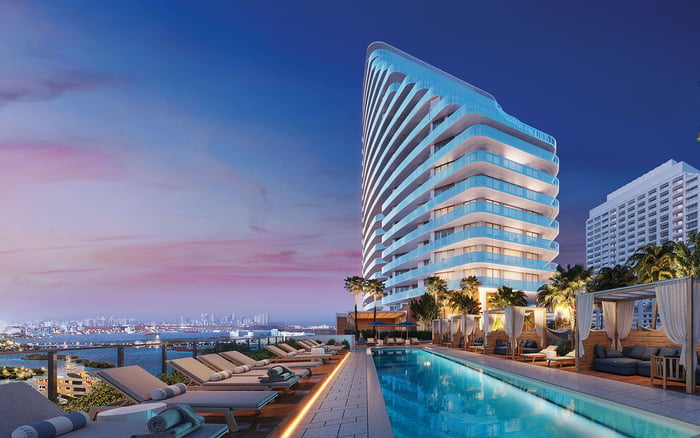
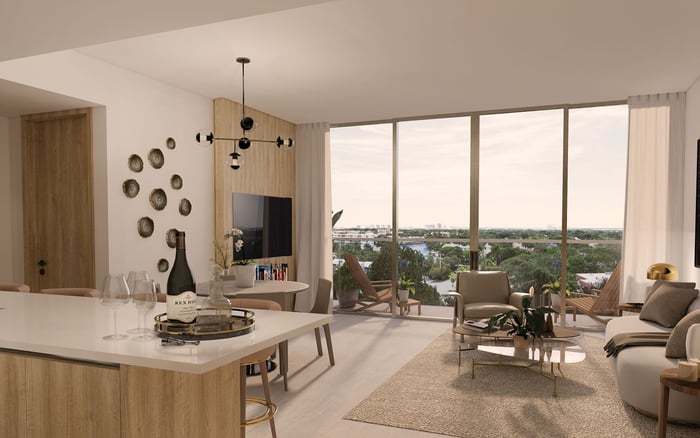
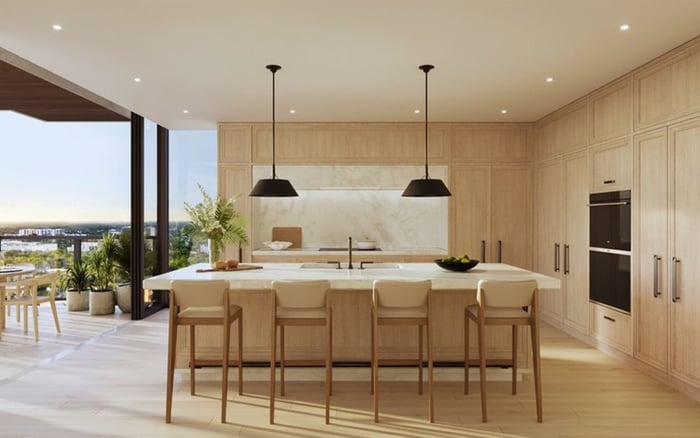
A practical buyer’s guide to evaluating balcony and terrace maintenance before purchasing luxury real estate in Las Olas, with emphasis on ownership, condition, rules, reserves and lifestyle fit.
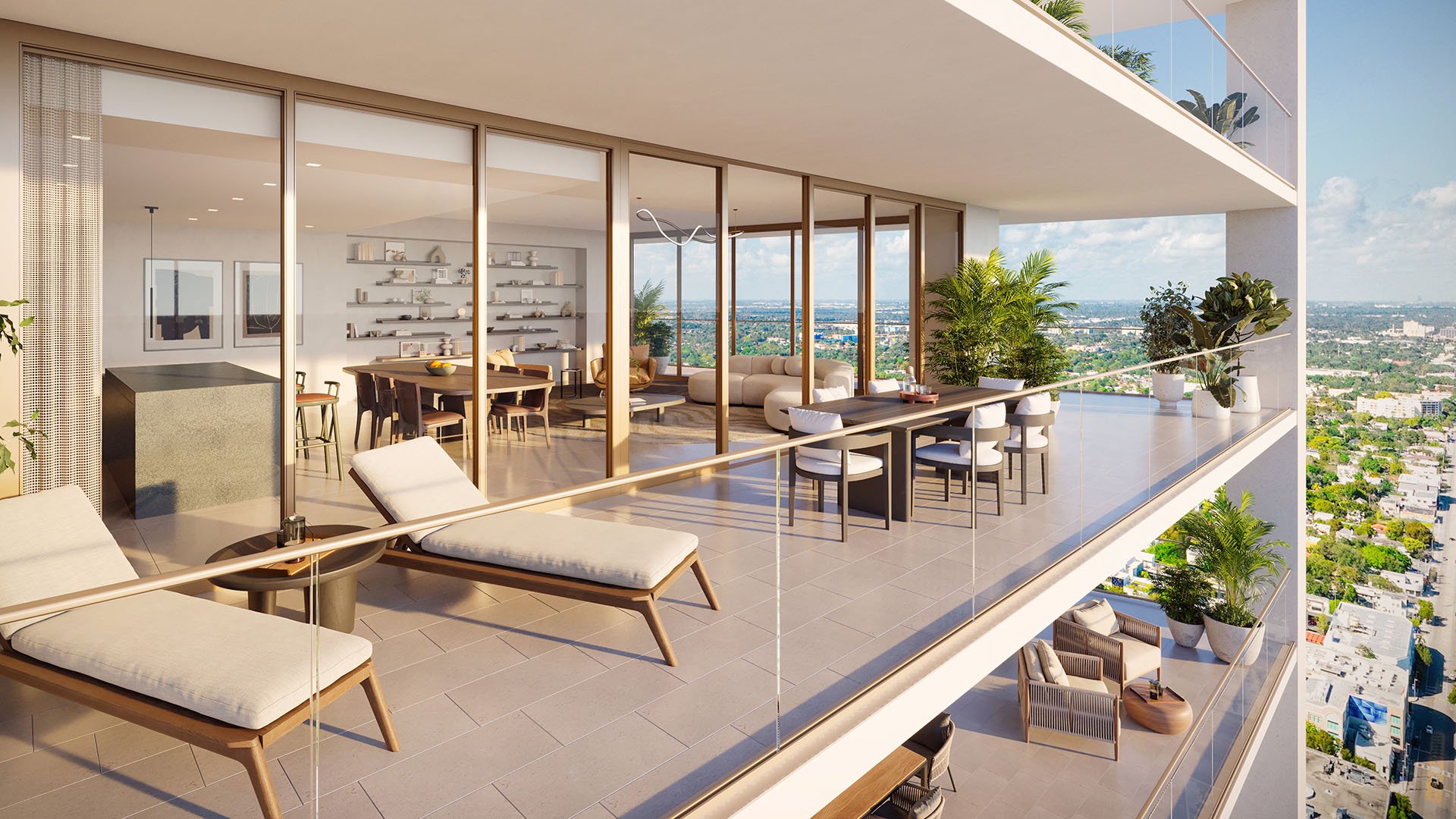
In Las Olas luxury real estate, a balcony or terrace is rarely a minor feature. It frames morning coffee, the evening glass of wine, the view corridor and, often, the emotional reason a buyer remembers one residence over another. Yet private outdoor space also carries responsibilities that can shape comfort, maintenance planning and the long-term ownership experience.
The strongest buyers treat the terrace as part of the residence’s architecture, not simply an amenity. Before focusing on furniture layouts or sunset angles, ask precise questions about ownership, condition, rules and future work. The answers will tell you whether the outdoor space is effortless, demanding or quietly undercapitalized.
Start with the legal distinction between what belongs to the unit owner and what belongs to the association. In many condominium settings, outdoor areas may be treated differently from interior living space. Ask whether the slab, railings, waterproofing membrane, drains, exterior doors, pavers, planters and ceiling surfaces are owner responsibility, association responsibility or shared responsibility.
This matters because even the most beautiful terrace can become frustrating when ownership duties are vague. A buyer should request the relevant declaration, rules and maintenance provisions before contract deadlines pass. If the residence has a large private terrace, roof terrace or wraparound balcony, ask whether any portion is designated for exclusive use rather than full ownership.
For buyers comparing Las Olas with nearby waterfront residences such as Riva Residenze Fort Lauderdale, this question is especially important because the outdoor experience may be central to the purchase decision.
Ask whether the balcony or terrace has had prior leaks, concrete repairs, railing work, waterproofing replacement, coating work or drainage corrections. You do not need drama. You need documentation. A clean maintenance history is reassuring, but a well-documented repair history can also be positive when the work was professionally handled and properly completed.
Request meeting minutes, recent inspection notes, engineering correspondence if available, and any owner notices about exterior work. If a building has discussed balcony repairs, ask whether the work is routine, cosmetic, structural, preventive or still being evaluated. The wording matters.
For resale residences, include the balcony in the inspection scope. A qualified inspector can look for ponding water, cracked grout, loose pavers, staining, corrosion at rail connections, deteriorated sealant, door-threshold issues and evidence of water migration. The goal is not to diagnose engineering conditions from a showing. The goal is to know when to escalate to the right professional before closing.
Drainage is one of the least glamorous and most consequential balcony questions. Ask where water flows, whether drains are private or common, who clears them and whether any areas show ponding after rain. On a terrace with planters, outdoor kitchens or heavy furniture, ask whether the layout has altered drainage patterns.
A refined outdoor space should be easy to enjoy and easy to maintain. If water consistently sits against doors, walls or paver systems, the issue deserves attention. Ask whether any waterproofing membrane sits beneath the visible surface, whether owners may change finishes and whether approvals are required before replacing tile, stone or decking.
Buyers who value a waterview often focus on the horizon. The more disciplined move is to look down as well, at slope, drains, thresholds and the edge conditions that protect the space over time.
Luxury buyers often assume a private terrace can be used freely. That is not always the case. Ask about permitted furniture, umbrellas, planters, exterior lighting, rugs, grills, storage, art, privacy screens, audio equipment and pet areas. Also ask whether furniture must be removed or secured during storm preparation.
Rules may also govern flooring materials, railing attachments, balcony enclosures and window treatments visible from the exterior. For buyers considering newer inventory such as Sixth & Rio Fort Lauderdale, it is worth understanding the design-control culture early. A building that protects visual consistency may appeal to one buyer and feel restrictive to another.
If outdoor entertaining is part of your plan, ask about quiet hours, maximum occupancy, catering access and whether service staff can move through common areas with terrace furniture or equipment. The best residences make hospitality feel natural without creating friction with neighbors or management.
Balcony and facade work can be disruptive, even when necessary and well managed. Ask whether the association has allocated reserves for exterior maintenance, waterproofing, railings, painting, coatings and related access equipment. Also ask whether any special assessments have been discussed, approved or recently completed.
The question is not simply, “Will there be an assessment?” A better version is, “What exterior projects are being planned, studied or deferred, and how could they affect access to my balcony or terrace?” A residence may be financially sound and still have scheduled work that temporarily limits outdoor use.
In a high-service setting such as Four Seasons Hotel & Private Residences Fort Lauderdale, buyers should still read the documents closely. Brand, service and architecture do not replace the need to understand who maintains what, how work is funded and what owner approvals are required.
Maintenance is not only a financial issue. It is a lifestyle issue. Ask how contractors access terraces, whether work occurs from inside the residence, whether furniture must be moved by the owner and how much notice is given before exterior projects begin. If you travel frequently, ask whether management can coordinate access or whether your presence is required.
For larger terraces, ask about cleaning frequency, pressure-washing rules, preferred vendors, plant irrigation and pest prevention. If the terrace has built-in features, request manuals and maintenance guidance. If it has custom finishes, ask whether replacements can be sourced and whether the association must approve them.
Within Broward searches, labels such as balcony, terrace, waterview and new construction are useful shorthand, but the better question is always practical: how will this space live, age and be cared for after the closing celebration ends?
A Las Olas buyer is often choosing between urban convenience, waterfront atmosphere and the scale of private outdoor space. Compare each residence by terrace depth, usable shape, privacy, exposure, maintenance obligations and building rules. A narrow balcony with excellent management may outperform a larger terrace with unclear responsibilities.
When comparing the Las Olas area with nearby luxury options such as St. Regis® Residences Bahia Mar Fort Lauderdale and The Ritz-Carlton Residences® Fort Lauderdale, focus less on the romance of the view and more on the quality of governance behind it. Outdoor space is most valuable when beauty and maintenance discipline are aligned.
The best question to ask your advisor is simple: “If I owned this terrace for ten years, what would I wish I had known before buying?” That answer often reveals more than a brochure, a showing or a perfect golden-hour photograph.
Should I inspect a balcony before making an offer? You can make an offer first, but include appropriate inspection protections. The balcony or terrace should be reviewed before key deadlines expire.
What documents should I request? Ask for condominium documents, rules, recent meeting minutes and any notices related to exterior maintenance. Review the sections that assign responsibility for outdoor areas.
Who usually maintains balcony railings? Responsibility depends on the governing documents. Ask whether railings are a common element, limited common element or owner obligation.
Can I change the terrace flooring? Possibly, but approvals may be required. Ask about permitted materials, waterproofing protections and whether changes affect warranties or building standards.
Are planters and outdoor kitchens risky? They can be excellent when properly designed and approved. Confirm weight, drainage, irrigation, waterproofing and maintenance responsibilities before relying on them.
What should I ask about drainage? Ask where water flows, who clears drains and whether ponding has been observed. Poor drainage can turn a luxury feature into a recurring maintenance concern.
Can balcony work limit my use after closing? Yes, scheduled exterior projects may temporarily restrict access. Ask about upcoming work, estimated timing and owner notice procedures.
Do association reserves matter for terraces? Yes, reserves may affect how exterior work is funded. Ask whether balcony, facade and waterproofing projects are included in long-term planning.
Should I ask about storm preparation rules? Absolutely. Confirm how furniture, planters and loose items must be secured and whether management offers any assistance.
Is a larger terrace always better? Not necessarily. A well-maintained, usable terrace with clear rules may be more valuable than a larger space with uncertain obligations.
For a discreet conversation and a curated building-by-building shortlist, connect with MILLION.
If branded residences are on your mind — as a home or as an allocation — we would be glad to share what we are seeing, privately.
Begin a quiet conversation