Cash can strengthen a waterfront offer, but it should not replace disciplined seawall review. Luxury buyers should verify visible condition, maintenance history, drainage, marine contractor input, insurance implications, and post-closing capital exposure before treating any dockside setting as turnkey.
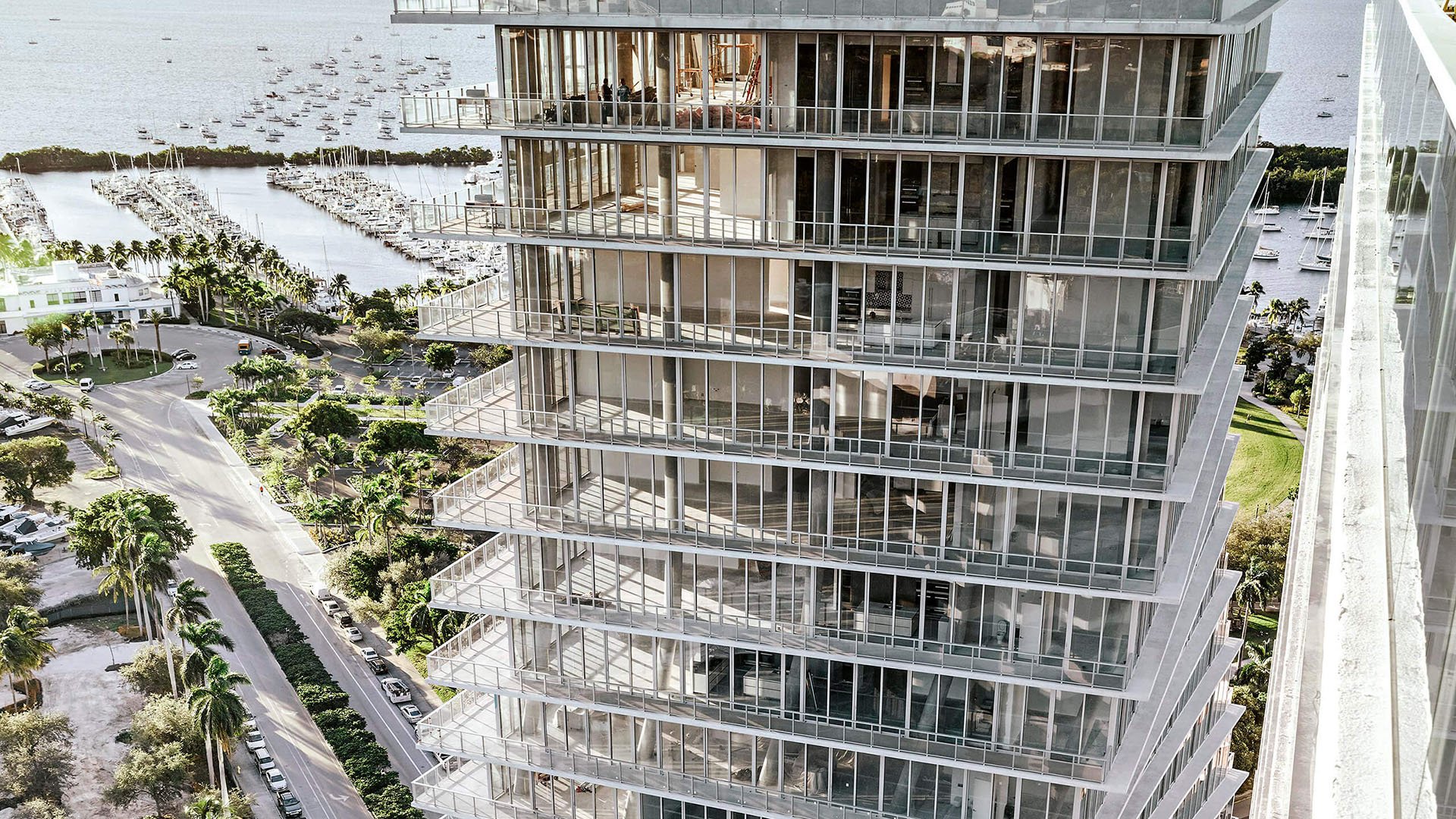
Cash gives a buyer speed, certainty, and negotiating elegance. It can make an offer feel clean, especially in South Florida’s most competitive waterfront enclaves. Yet cash does not make a seawall sound, and it does not make future marine work less disruptive. A buyer who removes financing contingencies may still inherit an expensive coastal structure whose condition is difficult to judge from the terrace, the dock, or listing photography.
For a luxury purchaser, the seawall is more than a boundary. It is part of the property’s private infrastructure, the visual frame for outdoor living, and often the support system for a dock, lift, pool deck, lawn, or waterside entertaining area. When it is healthy, it recedes into the background. When it is compromised, it can shape insurance discussions, renovation timing, dock usability, and resale confidence.
The point is not alarm. It is precision. A cash buyer should treat seawall review as a quiet extension of architectural, title, survey, and property condition diligence.
A first walk should be slow and deliberate. Look for leaning sections, open joints, displaced caps, voids behind the wall, soil loss, cracks, rust staining, misaligned decking, and areas where pavers or grass appear to be settling. None of these items alone proves failure, but each is a signal to ask better questions.
Even the most polished waterfront homes may conceal age, deferred maintenance, or piecemeal repairs. Fresh landscaping can soften the view. New stone or decking can make the waterside edge feel recently improved. Cash buyers should not confuse surface presentation with structural condition.
A stronger approach is to observe the seawall from several perspectives. View it from the yard, from the dock if safe, and from the water if access is available. The most revealing details are often at the waterline or just behind the cap, where soil movement and drainage issues can appear before they are obvious from the residence.
Documentation matters. Buyers should request available records for seawall installation, repairs, cap work, tieback work, dock improvements, drainage changes, permits, contractor invoices, engineering notes, and maintenance history. A complete file is not always available, particularly with older properties, but missing records should prompt further investigation rather than casual acceptance.
The question is not simply whether the wall has ever been repaired. It is what was repaired, why it was repaired, who performed the work, and whether the work addressed the underlying condition or only the visible symptom. A patched area may be entirely appropriate. It may also mark a location that deserves closer review.
Cash buyers often move quickly because they can. The discipline is to make speed serve the acquisition, not replace judgment. A short diligence window can still include targeted document requests and a marine specialist visit if organized early.
A general home inspection is useful, but seawalls require specialized eyes. A marine contractor, coastal engineer, or other qualified professional can help assess movement, materials, drainage, tiebacks, cap condition, and the relationship between the wall and adjacent improvements.
The inspection should be specific. The buyer should ask for observations about current condition, likely near-term maintenance, warning signs, access constraints, and whether additional investigation is advisable. If a dock, lift, pool terrace, outdoor kitchen, or landscape wall depends on or interacts with the seawall, that relationship should be part of the review.
For buyers comparing Miami Beach, Fort Lauderdale, marina, boat-slip, waterview, and single-family-home opportunities, the contract language should leave room for this level of inquiry. The goal is not to burden the transaction. It is to ensure that a prized waterfront setting carries the durability expected at the price point.
Many buyers study the face of the seawall and stop there. The land behind it may be equally important. Soft spots, sinkholes, depressed pavers, recurring puddling, and washed-out landscape beds can indicate that water and soil are not behaving as they should.
Drainage deserves particular attention because waterfront homes often combine hardscape, terraces, pools, driveways, lawns, and mature landscaping in a relatively tight area. If water is not directed appropriately, pressure and erosion can become part of the property’s hidden maintenance story.
A cash buyer should ask how stormwater moves across the site, whether any drainage improvements were made, and whether the seawall inspection notes any relationship between drainage and observed settlement. These are practical questions, not technical theatrics. They help determine whether the waterside edge is simply aged or actively stressed.
A private dock can be one of the most emotionally persuasive features of a South Florida waterfront property. It also complicates diligence. Cleats, pilings, lifts, utilities, lighting, decking, and access points may connect visually or physically to the seawall environment.
Buyers should verify what is included in the sale, what is permitted, what has been maintained, and whether the dock places any unusual load or access demand on the seawall area. Even when the dock itself appears sound, the transition between dock, cap, yard, and wall should be examined.
If the buyer’s intended use includes a different vessel, future lift changes, or waterside renovation, the seawall review should be framed around that intended lifestyle. A wall that is acceptable for current use may still require investment before the buyer’s plans can be executed comfortably.
For cash buyers, seawall findings rarely need to become dramatic. They can become a basis for price refinement, seller repairs, credits where appropriate, escrow discussions, additional contractor review, or a post-closing capital plan. The best outcome is clarity.
If the wall is in good apparent condition, the buyer gains confidence. If near-term maintenance is likely, the buyer can budget with intention. If major work is suggested, the buyer can decide whether the property’s location, lot, dockage, privacy, and architectural potential justify the commitment.
This is especially important because waterfront renovations can affect lifestyle logistics. Access, permitting, staging, neighboring properties, and marine conditions may influence how and when work is done. A buyer acquiring in cash should preserve not only financial flexibility, but also calendar flexibility.
Seawall condition can influence how a buyer thinks about risk, carrying costs, and eventual resale presentation. Even if the purchase does not require lender approval, future buyers may use financing, request deeper inspections, or ask sharper questions.
A luxury asset should be prepared for the next level of scrutiny before it is needed. Keeping seawall records, documenting maintenance, and addressing concerns promptly can help protect the property’s narrative. In the upper tier, buyers do not only purchase what is visible. They purchase confidence in what is not immediately visible.
Cash should be a strategic advantage, not an excuse to skip the unglamorous details. The most elegant waterfront acquisition is one in which the view, the dock, the terrace, and the structure behind them all convey the same standard of care.
Should a cash buyer still inspect the seawall? Yes. Paying cash removes lender requirements, but it does not remove structural, maintenance, or future resale concerns.
Is a general home inspection enough for a seawall? It may not be. A marine contractor or qualified specialist is better suited to evaluate seawall-specific conditions.
What visible signs should buyers notice first? Look for leaning, cracks, gaps, soil loss, settlement, rust staining, and uneven hardscape near the water.
Why is the area behind the seawall important? Settlement, soft ground, or poor drainage behind the wall may reveal stress that is not obvious from the water side.
Should buyers ask for permits and repair records? Yes. Records help clarify what work was done, when it was done, and whether repairs addressed the underlying issue.
Can landscaping hide seawall problems? It can soften or obscure warning signs. Buyers should look beyond plantings, pavers, and decorative finishes.
Does a dock change the diligence process? Often, yes. The dock, lift, utilities, access, and seawall should be reviewed as a connected waterfront system.
Can seawall findings affect negotiations? Yes. Findings may support price adjustments, repair requests, credits, or a clearer post-closing capital plan.
Is an older seawall automatically a problem? Not necessarily. Condition, maintenance, materials, drainage, and site context matter more than age alone.
What is the main mistake cash buyers make? The mistake is treating speed as diligence. A strong cash offer should still preserve time for expert review.
For a tailored shortlist and next-step guidance, connect with MILLION.
If branded residences are on your mind — as a home or as an allocation — we would be glad to share what we are seeing, privately.
Begin a quiet conversation