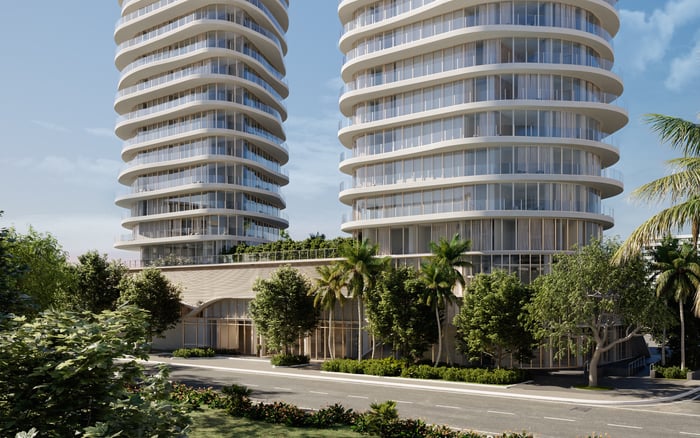
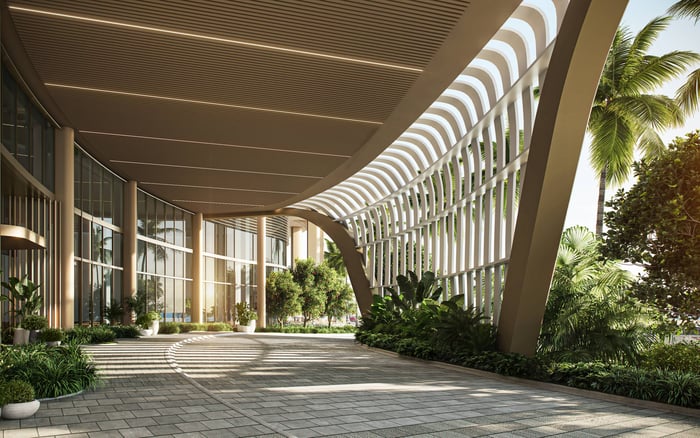
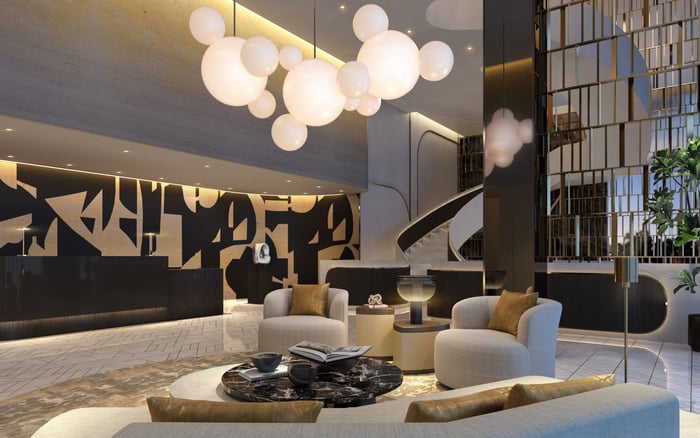
A serious branded residence purchase in Hillsboro Beach is less about a famous name and more about disciplined ownership fundamentals: governance, service consistency, privacy, fee logic, and credible resale appeal over time.
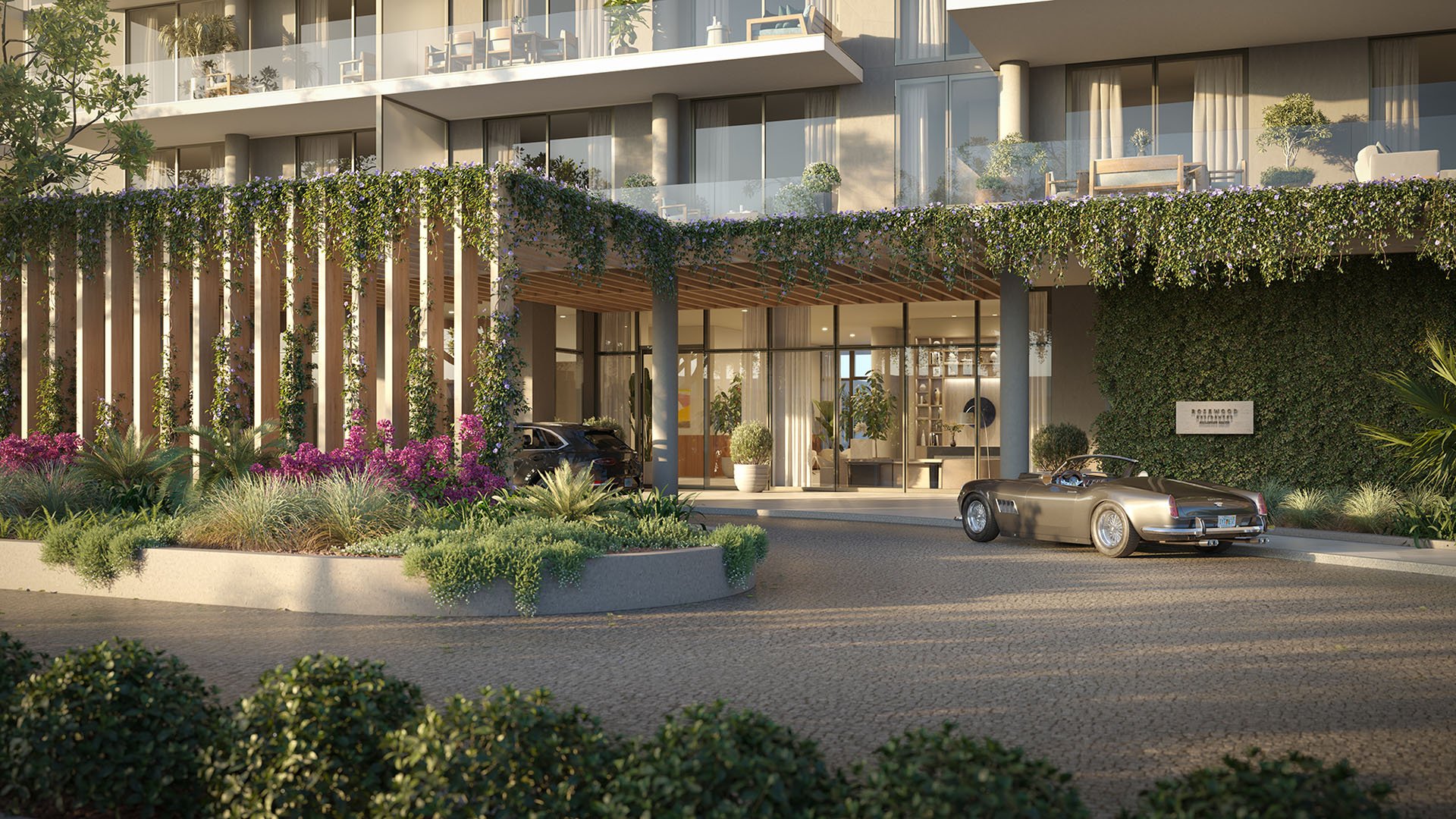
A branded residence in Hillsboro Beach works as a long-term purchase when the brand is more than ornamental. The name on the porte cochere may start the conversation, but it cannot carry the investment thesis on its own. The stronger question is whether the residence delivers a way of living that still feels coherent after the first season of ownership: privacy that remains protected, service that feels intuitive, maintenance standards that prove durable, and governance that can withstand shifts in the market.
For many affluent buyers, Hillsboro Beach has a quieter appeal than more theatrical South Florida addresses. That discretion is precisely why the branded-residence format deserves careful scrutiny here. The buyer is not simply acquiring a logo. The buyer is acquiring a promise of continuity in a coastal setting where architecture, operations, and lifestyle must justify their premium year after year.
The most relevant local reference point is Rosewood Residences Hillsboro Beach, because it places the branded-residence conversation directly inside the Hillsboro Beach frame. For a serious purchaser, the exercise is not to ask whether the name is admired. It is to ask whether the brand’s standards can be translated into residential life without becoming performative.
In a hotel, service can be episodic. In a primary or seasonal residence, service becomes part of daily life. That distinction matters. A branded residence that works over the long term should make arrival, maintenance, security, wellness, entertaining, and guest management easier without making the resident feel as though they are living inside a hospitality set piece.
The best service cultures are nearly invisible. Staff understand preferences, but privacy remains intact. Amenities are useful, but not overprogrammed. Common areas are elegant, but not so elaborate that they become costly to maintain for limited practical benefit. This is where a serious buyer should look past renderings and ask how the property will operate on an ordinary Tuesday in August, not only during peak winter weeks.
Fee discipline is central. A branded residence can justify higher carrying costs when those costs produce measurable convenience and long-term asset care. It is less persuasive when the fee structure supports amenities that are photogenic but lightly used. The purchase works when the owner can explain, with clarity, what the monthly expense buys and why a future buyer would value the same offering.
Hillsboro Beach rewards a certain kind of buyer. The location speaks to those who want oceanfront living with a lower public profile, proximity to the broader Broward luxury corridor, and a residential rhythm that is calmer than larger urban resort districts. That context should shape the brand expression. A residence here does not need to imitate Miami Beach, Brickell, or Palm Beach. It needs to feel precise to Hillsboro Beach.
This is where buyers benefit from comparing the coastline rather than isolating one address. A purchaser considering Hillsboro Beach may also look at nearby projects such as The Ritz-Carlton Residences® Pompano Beach or Armani Casa Residences Pompano Beach to understand how different brands articulate service, design, and coastal positioning. The comparison is not about declaring one name superior. It is about identifying which operating philosophy best fits the way the owner actually intends to live.
The same logic extends south along the Broward coast. Auberge Beach Residences & Spa Fort Lauderdale offers another point of reference for buyers studying branded and hospitality-influenced residential living in a beach environment. Viewed together, these projects clarify the central issue: the brand has to deepen the location, not distract from it.
For a long-term buyer, design is not only about aesthetics. It is about how gracefully the property can be maintained. Coastal residences face a demanding environment, so the durability of materials, the logic of the building systems, and the quality of ongoing upkeep all matter. A beautiful lobby is only part of the story. The deeper question is whether the residence will still feel composed, cared for, and relevant a decade after delivery.
This is where branded residences can have an advantage, provided the standards are enforced. A serious brand typically brings expectations around presentation, service consistency, and physical condition. Yet those expectations must be supported by the condominium documents, reserves, staffing model, and board culture. If the building’s governance does not align with the brand promise, the brand can become a surface treatment rather than a lasting asset.
Buyers should study how private and shared spaces relate to one another. A strong residence allows owners to retreat fully, entertain confidently, and use amenities without feeling as if they are sharing a public resort. The best layouts and amenity programs respect the difference between hospitality energy and residential calm.
Brand recognition can support resale, but it does not guarantee it. The long-term investment case depends on whether future buyers can understand the premium quickly and rationally. That premium may be supported by service quality, architectural restraint, privacy, waterfront orientation, amenity usefulness, and confidence in building operations.
A serious buyer should imagine the resale conversation before signing. What will make the residence compelling if the market becomes more selective? What will distinguish it from a non-branded luxury condominium nearby? Which parts of the offering are timeless, and which are merely fashionable? The strongest branded residences answer these questions without strain.
Liquidity also depends on the breadth of the future buyer pool. A property that is too idiosyncratic may appeal deeply to a small audience. A property that is too generic may fail to justify its premium. The durable middle ground is specific enough to feel special, but disciplined enough to remain legible to a wide range of high-net-worth buyers.
A buyer should review the practical elements with the same care applied to the views and finishes. Service scope, staffing assumptions, brand licensing terms, governance rights, rental policies, reserve planning, insurance posture, and maintenance responsibilities all influence the ownership experience. These items are not glamorous, but they are often where the long-term purchase case is won or lost.
It is also worth separating personal utility from market appeal. If the residence will be used frequently, daily comfort and service integration may matter more than short-term pricing optics. If the property is intended as a legacy or second-home asset, privacy, operating stability, and resale clarity become even more important. Either way, the branded element should reduce friction rather than add complexity.
For Hillsboro Beach buyers, the most compelling branded residence is the one that feels inevitable in its setting. It should offer enough identity to be memorable, enough service to be meaningful, and enough operational discipline to remain credible through market cycles.
What makes a branded residence different from a luxury condominium? A branded residence adds an operating identity, service philosophy, and design standard associated with a recognized hospitality, design, or lifestyle name.
Is the brand itself enough to justify a premium? No. The premium is most defensible when the brand improves service, maintenance, privacy, and long-term market recognition.
Why does Hillsboro Beach suit a branded residence buyer? Hillsboro Beach appeals to buyers who want a quieter coastal setting where discretion and residential calm can matter as much as amenities.
What should buyers review before purchasing? Buyers should review governance, service scope, fees, reserves, rental rules, brand obligations, and long-term maintenance expectations.
Are branded residences better for primary use or second homes? They can work for either, provided the services match the owner’s actual use pattern and not just an aspirational lifestyle idea.
How important are monthly fees? Very important. Fees should clearly support services and upkeep that a future buyer would also understand and value.
Does oceanfront positioning guarantee resale strength? No. Oceanfront appeal helps, but resale also depends on condition, governance, service quality, pricing discipline, and buyer demand.
Should buyers compare projects outside Hillsboro Beach? Yes. Comparing nearby coastal residences can clarify how different brands interpret privacy, design, service, and amenity value.
What is the biggest risk in buying a branded residence? The biggest risk is paying for a brand promise that is not supported by daily operations, governance, or durable maintenance standards.
What is the best long-term signal? The best signal is alignment: the brand, building, location, services, fees, and owner culture all reinforce the same residential vision.
For a confidential assessment and a building-by-building shortlist, connect with MILLION.
If branded residences are on your mind — as a home or as an allocation — we would be glad to share what we are seeing, privately.
Begin a quiet conversation