South Florida luxury listings are written for desire, not for precision. Here are ten high-end real estate terms that routinely appear in marketing, and the exact clarifying questions sophisticated buyers use to turn them into contract-level meaning.
In South Florida luxury real estate, the vocabulary of a listing can feel as curated as the lobby: “turnkey,” “white box,” “resort-style,” “smart home.” These words are built to compress a thousand details into a few elegant lines.
For a serious buyer, that compression is the risk. Many common luxury terms aren’t standardized, and the same phrase can signal very different scopes of finish, service, cost, and responsibility from one building to the next. The remedy is simple-and quietly powerful: define the terms you care about, in writing, before you price the deal.
This matters whether you’re selecting a waterfront condo in Surfside, a high-floor Brickell residence, or a gated enclave. It’s also why experienced buyers spend as much time with disclosures, inventories, and association documents as they do with view corridors and marble selections.
1. Turnkey - what, exactly, is included at closing “Turnkey” generally signals move-in ready, but “ready” can mean anything from appliances only to fully furnished. Confirm what conveys: built-ins, lighting, window treatments, AV, outdoor furniture, and any art or accessories. If it matters, require an inventory and an exclusions list as part of the contract.
2. Decorator-ready (or white box) - how much buildout is truly on you “Decorator-ready” often indicates a unit that needs substantial work before move-in, sometimes including major finishes and, in some cases, fixtures. Clarify what is delivered: floors, kitchens, bathrooms, closets, lighting, and whether any mechanical, electrical, or plumbing rough-ins are complete. Also confirm whether the building imposes design approvals, permitted hours, and elevator reservations for construction.
3. Branded residences - who delivers the service, not just the logo Branded residences are developed in partnership with a luxury brand, which can shape design, amenities, and lifestyle positioning. The operational nuance is that the brand and the day-to-day manager are not always the same. Ask who operates the building, and what is contractually promised versus aspirational. For a buyer considering a hospitality-inflected tower such as 888 Brickell by Dolce & Gabbana, the most valuable clarity is how services are staffed, scheduled, and billed.
4. HOA (or condo) fees - what you are buying every month HOA fees are the dues that fund shared expenses and operations. In luxury towers, the line between “included” and “optional” can be subtle: valet, concierge, spa access, private dining, or club components may be included, limited, or separately priced. For clean comparisons, normalize the cost as dollars per square foot per month, rather than focusing on the total.
5. Lease restrictions - whether your ownership can flex Many condo and HOA communities impose rental rules such as minimum lease terms, caps on the number of leases per year, or approval processes. Florida law places limits on what associations can enforce, but the buyer’s job is still to read the governing documents and confirm the current rules. Define this early if you anticipate executive rentals, seasonal use, or any plan that relies on leasing.
6. Days on Market (DOM) - what “fresh” or “stale” really means Days on Market is the number of calendar days from listing until it sells or is taken off the market. DOM can help you interpret negotiating posture, but it must be read in context: luxury inventory often moves differently by season, building, and price bracket. Ask whether the DOM reflects a single continuous listing, a relist strategy, or a price repositioning.
7. Oceanfront vs bayfront - the lifestyle is not interchangeable Oceanfront implies direct frontage on the Atlantic, typically prized for beach adjacency and sunrise exposure. Bayfront or bayside generally refers to protected waters such as Biscayne Bay, where boating conditions and sunset views can become the anchor. When comparing Miami Beach options like 57 Ocean Miami Beach versus bayside addresses, define what you want to wake up to: surf and beach walks, or calmer water with a more boating-centric rhythm.
8. Boat slip or dock rights - access is not the same as ownership Waterfront listings often mention docks or slips, but the specifics can vary: deeded slip, assigned slip, waitlist, or rights that can be revoked or reassigned. Confirm slip size limits, operating rules, and any association or municipal restrictions. If boating is non-negotiable, treat dock rights as primary diligence-not a nice-to-have.
9. Penthouse - top floor, yes, but define the premium A penthouse is generally a luxury unit on the top floor, commonly marketed for views, privacy, and premium finishes. In practice, “penthouse” can describe anything from a true crown residence to a smaller top-level unit with upgraded marketing. Define ceiling height, terrace size, elevator access (private or semi-private), and whether the roofline imposes any mechanical or structural constraints.
10. Smart home - installed hardware, required subscriptions, and integration Luxury listings are saturated with smart-home language, but “smart” can mean a single thermostat or a fully integrated system. Verify what is installed, what requires subscriptions, and whether systems are integrated or stand-alone. Also confirm transferability: will logins, controllers, and warranties convey, and can you upgrade without running into building restrictions.
The goal isn’t to be difficult. The goal is to price reality.
Start with a short “definition sheet” that accompanies your offer or request for disclosures. For each term that shows up in marketing, convert it into a yes-no checklist tied to documents. For example:
For “turnkey,” request a written inventory, exclusions list, and any separate bill of sale.
For “decorator-ready,” request the exact deliverable scope and a list of what is not included.
For “smart home,” request a list of devices, hubs, and software services, plus transfer steps.
For “boat slip,” request proof of rights, dimensions allowed, and current rules.
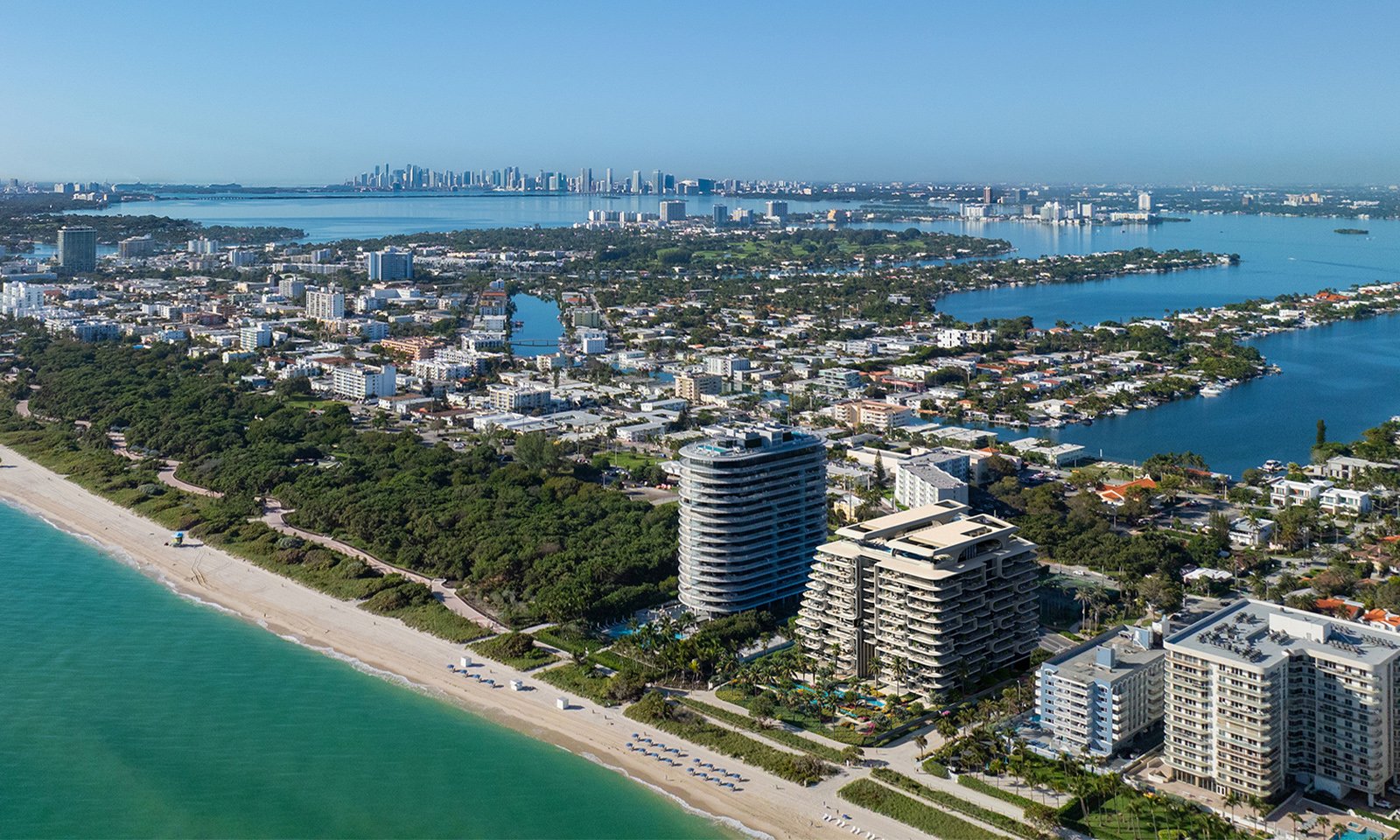
This approach is especially useful in newer boutique projects, where the elegance is in restraint and the buyer’s customization is part of the appeal. A building such as Arte Surfside can offer a highly curated residential feel, but the buyer still benefits from defining every line item that affects timeline and buildout.
In South Florida, the association is often your de facto operator. Beyond fees, the association controls day-to-day quality: maintenance standards, construction rules, pet policies, and the rhythm of common areas.
For that reason, treat association documents as core diligence-not administrative paperwork. Review budgets, reserves, and any special assessments under discussion. Confirm whether the amenities that drive value for you are included, limited, or billed separately.
If you are considering a community that markets privacy and controlled access, define “gated community” in practical terms: how entry is restricted, who is allowed in, and what the protocols are for vendors and short-notice guests. The lived experience of “gated” can range from a staffed guardhouse to a simple barrier with limited control.
Preconstruction in Miami is often sold with staged deposit schedules. Buyers should expect a sizable share of the price due before closing, plus closing costs. And while marketing may imply a neat ribbon-cutting date, timelines are inherently uncertain.
The right move is to read the contract provisions around completion dates, developer rights, and buyer remedies-and to model the financial exposure of deposits over time. If you are choosing between multiple new-construction options, consider how flexibility, deliverable scope, and association structure align with your plans.
For a buyer comparing Brickell living with a more residential cadence, 2200 Brickell is the kind of reference point that prompts the right questions: what is the delivery condition, what is the monthly operating profile, and what rules govern leasing, renovations, and day-to-day use.
Luxury isn’t just a finish palette. It’s the absence of friction.
When you define terms early, you avoid the classic pain points: discovering that “furnished” meant “staged,” learning that “smart home” requires multiple subscriptions, realizing that “boat slip” means a waitlist, or underestimating how HOA economics change with square footage.
Do the definition work before you negotiate. Then negotiate from a place of clarity.
What does Days on Market (DOM) mean in South Florida real estate? It is the number of calendar days from when a property is listed until it sells or is taken off the market.
Does turnkey mean the home is sold furnished? Not necessarily; it usually means move-in ready, but furnishings and accessories must be confirmed in writing.
What is decorator-ready in a condo listing? It typically indicates the unit requires significant buyer buildout of finishes and sometimes fixtures before move-in.
Are staging furniture and artwork included in the sale? Often no; buyers should verify inclusions and exclusions in the contract and an inventory list.
What are branded residences? They are homes developed with a luxury brand partnership that can influence design, amenities, and services.
Does a luxury brand always operate a branded-residence building? Not always; the brand and the day-to-day operator can be different, affecting service delivery.
How should I compare HOA fees across luxury condos? Normalize the fees by square footage, such as $/SF/month, and then confirm what services are included.
Can condo associations limit rentals in Florida? Associations can impose lease restrictions within legal limits, so you should review the governing documents and rules.
Is oceanfront better than bayfront in Miami? It depends: oceanfront emphasizes direct beach access and Atlantic exposure, while bayfront often suits boating and calmer waters.
What should I confirm if a listing mentions a boat slip or dock? Confirm dock rights, slip size limits, and any association or municipal rules that govern use.
When you're ready to tour or underwrite the options, connect with MILLION Luxury.
If branded residences are on your mind — as a home or as an allocation — we would be glad to share what we are seeing, privately.
Begin a quiet conversation