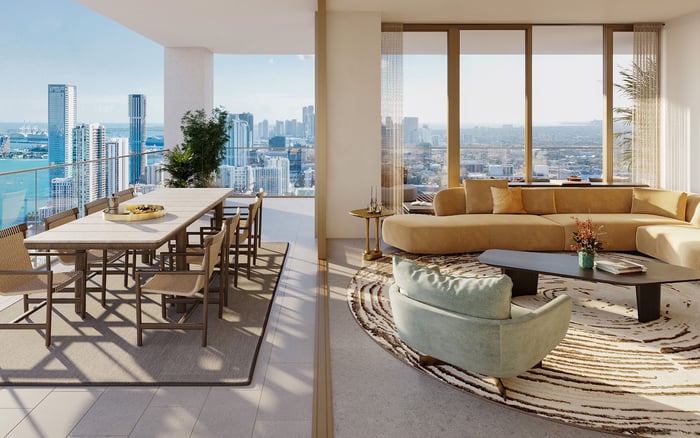
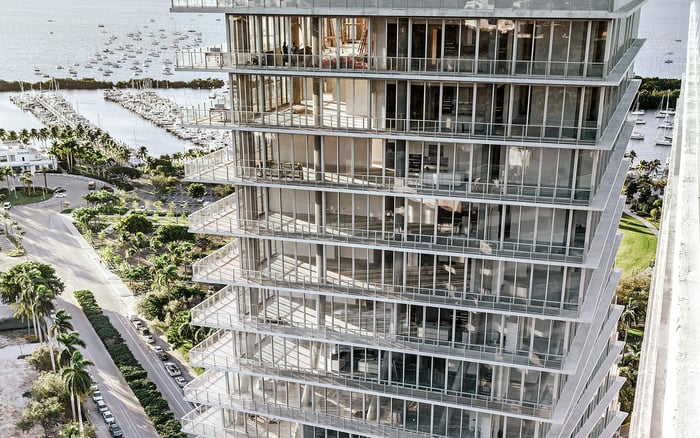
In South Florida, “waterfront” can signal very different daily realities. Coral-gables tends to read as discreet and residential, while Miami-beach often feels more visible, social, and brand-adjacent. For luxury buyers, the decision is rarely about one view being better than another. It is about how you arrive, how you entertain, how much privacy you want, and what kind of Waterview you consider priceless at 7 a.m. This guide compares both lifestyles using the same criteria and a practical checklist for touring.
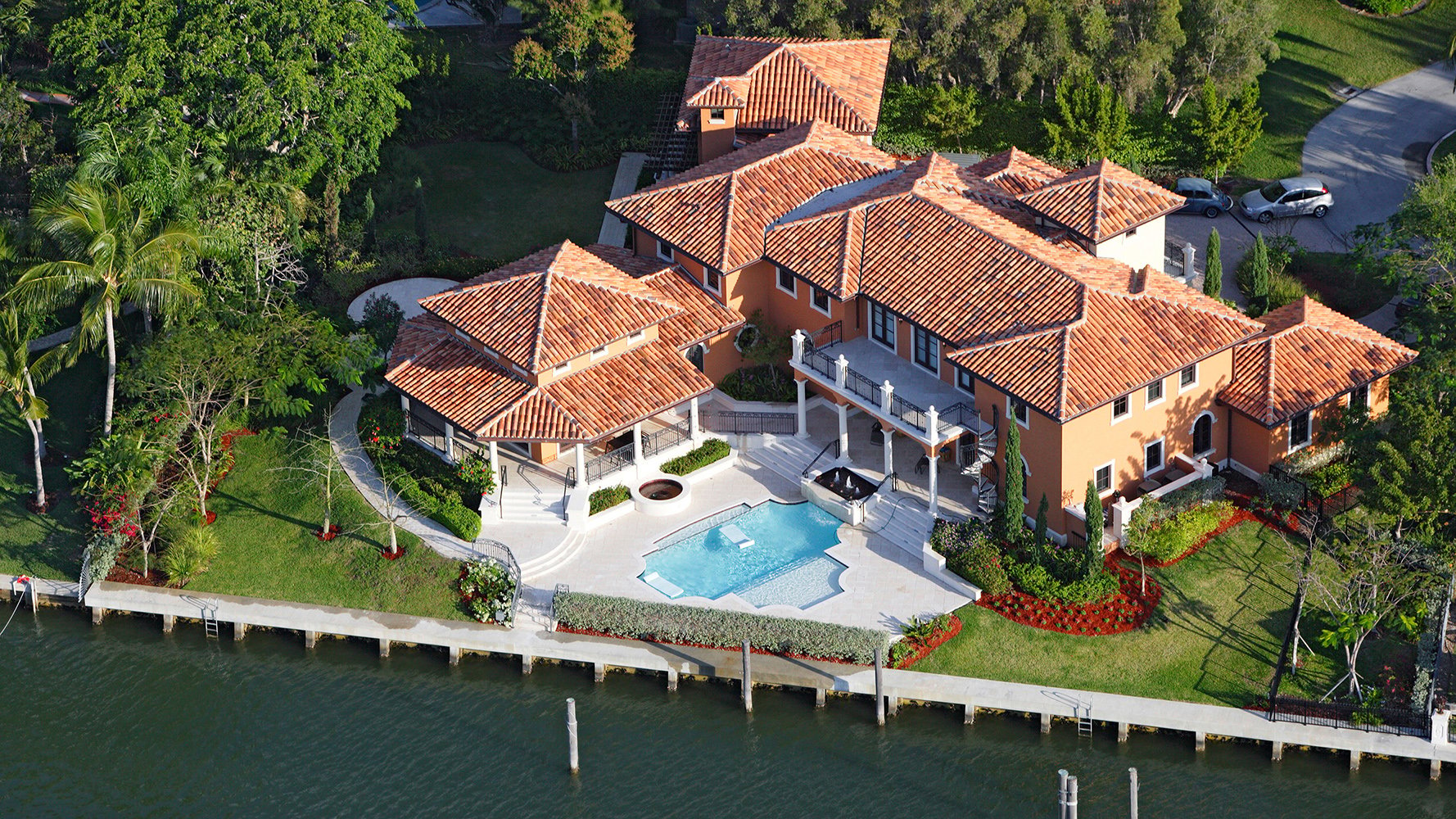
Luxury buyers often say they are shopping for a view. In practice, they are shopping for a routine. In South Florida, waterfront living is not one lifestyle with a price tag. It is a set of daily decisions: how you arrive, how you host, how much you see and are seen, and how effortlessly your home supports the calendar you actually keep.
This comparison stays focused on two of Miami-Dade’s most coveted waterfront options: Coral-gables waterfront and Miami-beach estates. Both can deliver dramatic Waterview moments and a genuine sense of escape without leaving Miami. Yet the emotional texture differs. One tends to feel like a private membership you do not have to announce. The other can feel like the front row, close to culture, dining, and nightlife energy that some buyers seek and others prefer to keep at a distance.
Because every street, parcel, and seawall tells its own story, this guide stays intentionally high-level. The purpose is not to “call” a neighborhood based on reputation. It is to give you repeatable criteria you can apply during tours, inspections, and dock conversations so you can separate romance from operational reality.
At the top of the market, “waterfront” is never a single feature. It is a bundle of tradeoffs that can elevate daily life or quietly complicate it if you do not ask the right questions early.
Start with water orientation. Some buyers want open-bay drama: broad horizons, changing color, and that feeling that the view becomes part of the interior design. Others want a more protected, residence-first experience where the water reads like a private garden element, present but not performing.
Then move to the operational side. A Boat-slip or private dock can be the ultimate lifestyle amplifier, but it introduces variables you need to respect: ongoing maintenance, seawall conditions, clearances, and the practical reality that boating habits evolve over time. Even if you do not plan to keep a vessel immediately, the market often prices in the possibility, which makes it worth evaluating with the same discipline you bring to bedrooms and square footage.
Finally, consider perception. In luxury real estate, visibility is its own form of currency. Some owners want a property that is photographed, recognized, and “known.” Others want a home that remains largely anonymous, even inside their own social orbit. Coral-gables and Miami-beach can satisfy either preference depending on the specific street and sightlines, yet their default atmospheres tend to pull in different directions.
When buyers talk about Coral-gables, the conversation often returns to mood. The appeal is frequently described in terms of restraint: a sense of place that does not need to perform. For waterfront shoppers, that restraint can be the point. The lifestyle can feel rooted in day-to-day livability, with entertaining that leans toward “private dinner, easy dress code” rather than “reservation, scene, and a driver.”
For single-family-homes buyers, this often translates into a preference for properties where architecture, landscaping, and interiors are meant to be lived in, not simply displayed. If your ideal weekend is morning coffee by the water, a slow workout, and an unhurried evening at home, Coral-gables waterfront can align with that rhythm.
Discretion, however, should not be confused with simplicity. Waterfront ownership still demands a serious operational mindset. During tours, ask practical questions early: what has been updated, what requires consistent care, and what your “ideal day” would require from the property to feel effortless. The calmer a home feels, the easier it is to overlook the mechanics that keep it that way.
Miami-beach is often shorthand for glamour, but at the estate level the real differentiator is immediacy. For certain buyers, the luxury is not only the water view. It is the ability to pivot from a quiet morning at home to an evening that feels international in tone, without planning the day around distance.
A Miami-beach estate can suit owners who want a residence that participates in the city’s cultural rhythm, whether that means a full calendar of dinners, events, and visiting friends, or simply the comfort of being close to the action even if you enjoy it privately. The address itself can carry a signal, and for some families that signal is part of the asset.
Miami-beach also tends to attract buyers who value “hotel-grade” expectations inside a personal residence, even when the home is not branded. Think service mindset, polished presentation, and an entertaining environment that can scale quickly when you need it to. If you gravitate toward a home that feels guest-ready at any moment, this side of the comparison may resonate.
For a Miami-beach condo benchmark that many buyers use as a reference point when calibrating lifestyle expectations, explore Apogee South Beach.
Comparing Coral-gables waterfront and Miami-beach estates becomes far clearer when you apply the same criteria to both, then score each property you tour. The goal is not to “pick a winner.” It is to identify which setting protects the life you already live, or the life you are intentionally building.
Treat the city name as context, not as the conclusion. Two homes a few blocks apart can feel entirely different depending on water exposure, layout, landscaping, and the way the street functions day to day.
Ask yourself one direct question: how often do you arrive home with time to enjoy it?
In Coral-gables, many buyers seek a home that functions as a decompression chamber. The experience can be designed around quiet arrivals, low-key transitions, and an unforced sense of privacy. In Miami-beach, some owners want the opposite: a residence that feels plugged into the city’s pace and that supports last-minute plans without feeling like a production.
During tours, simulate your real routine. Where does the car go? Where do guests arrive? Where does staff work without intersecting the main living areas? You do not need hard numbers to evaluate flow. You need to notice whether the house makes your calendar easier or harder.
Pay attention to small friction points. If the front entry feels exposed, you may feel “on” every time you come and go. If the service route cuts through the heart of the home, entertaining can start to feel like logistics. If the house rewards you with an immediate sense of calm, you are closer to a true waterfront lifestyle than a listing description can capture.
Both locations can deliver exceptional Waterview moments, but the emotional experience can differ.
For many buyers drawn to Coral-gables, the best view is the one that feels personal, as if the water belongs to the property rather than the city. In Miami-beach, the view can feel more cinematic: an outlook that reminds you you are living in a globally recognized coastal environment.
In either case, tour at multiple times of day. Light can transform a waterfront residence more than almost any other variable, and it changes how rooms feel. A living room that reads as “museum calm” at midday can feel sterile at night unless the lighting plan is right. A view that feels expansive in the morning can feel exposed in the evening depending on sightlines.
Also consider how much of the view you actually use. Does the kitchen participate in the water experience or only the formal living room? Does the primary suite deliver privacy with a view, or does the glass create a sense of being on display? The “best” Waterview is the one that works with your habits, not just your camera roll.
A Boat-slip or dock opportunity often drives waterfront value, but it only matters if it matches your behavior.
Evaluate your relationship with the water honestly. Are you boating weekly, monthly, or only when friends visit? Do you want your boat at home, or are you comfortable with an off-site solution? Do you want to host on the water, or do you simply want the romance of a vessel in view?
Use the same checklist in Coral-gables and Miami-beach: observe dock access, note how easy it is to move from kitchen to water, and ask what kind of routine the property supports. Is the path from the house to the dock intuitive? Is there a practical place for gear and towels? Does the outdoor area feel like a staging zone for the water, or is the dock an afterthought?
Keep conclusions provisional until you confirm conditions and constraints through the appropriate professionals. With waterfront, the details that matter most tend to be the ones that do not show up in a photo.
Privacy is not a single feature like a gate or a hedge. It is an ecosystem of sightlines, proximity, and how a property sits in its environment.
Coral-gables is often chosen by buyers who prioritize a lower-profile lifestyle. The perceived advantage is the ability to own something significant without broadcasting it. Miami-beach can attract buyers who are comfortable being seen, or who want the energy of a place where luxury is part of the landscape.
Your decision should reflect your risk tolerance and your preferences for social visibility. If you value anonymity, pay attention to how the home reads from the water and from the street, especially at night when lighting can change exposure dramatically. If you value connection, consider whether the home’s privacy measures feel overly defensive, which can sometimes undermine the joy of waterfront living.
The goal is not to eliminate visibility. It is to control it. The best properties give you the option to be social on your terms, then disappear completely when you want quiet.
At the estate level, layout matters more than finishes. Finishes can be changed. Flow is expensive.
In Coral-gables, many buyers pursue homes that support family life and extended stays, with entertaining that feels natural rather than staged. In Miami-beach, entertaining can trend toward larger-scale hosting, or at least the option to do so, with spaces that perform well for gatherings.
Walk the home like a host. Where would you place a bar? Where do guests circulate? Is there a single “hero room” that will carry the house’s identity, or does the residence offer multiple moments that feel equally intentional?
Also notice what happens when the party ends. Can the primary suite remain a true retreat? Are guest areas positioned to provide comfort without turning private spaces into corridors? If you are shopping for single-family-homes, treat every tour like a rehearsal. You are not just evaluating a property. You are evaluating how your relationships will feel inside it.
Noise is the hidden variable that can make or break waterfront ownership. It is also one of the most personal.
Miami-beach can appeal to buyers who thrive on energy and do not mind an active environment. Coral-gables can appeal to buyers who prioritize calm, especially at night and early morning. Yet this is never guaranteed by city name alone.
During tours, step outside and listen. Stand at the water’s edge. Stand in the primary suite. Imagine a late-night return, a weekend morning, and a weekday working session. If you work from home, evaluate office potential with the same seriousness you would apply to the view.
Be honest about your sensitivity. Some buyers can sleep through activity as long as the bedroom is well positioned. Others need quiet to feel restored. Waterfront is meant to feel like an upgrade to your nervous system, not a test of your patience.
Waterfront ownership asks for a different type of responsibility than inland living. Materials age differently. Exterior areas demand more attention. Salt, sun, and water exposure are constant variables.
Approach both Coral-gables and Miami-beach with the same mindset: a great waterfront home is not “set it and forget it.” It is an asset that performs best when it is actively cared for. That care can be part of the pleasure if you enjoy stewardship, or it can feel like a burden if you prefer a lock-and-leave lifestyle.
During tours, look beyond finishes to systems and exterior conditions. Ask what requires ongoing attention, and what has been addressed recently. Do not let a beautiful outdoor scene distract you from the fact that waterfront exteriors have a different lifecycle than interior spaces.
If you are split between an estate and a low-maintenance alternative, consider whether a condominium lifestyle could better protect your time. Use a building tour as a reference, even if your target is a house, so you can compare how each option aligns with your travel schedule and tolerance for operational details.
Even when you buy for love, you should understand resale logic. The most resilient luxury purchases serve more than one buyer archetype.
Coral-gables waterfront can appeal to buyers who value a residential setting and a sense of legacy ownership. Miami-beach estates can appeal to buyers who want an address with instant recognition and proximity to a highly active social and cultural ecosystem.
When evaluating a specific home, ask what makes it broadly desirable beyond the water. Is there flexibility in room count and function? Is there a compelling primary suite? Does the property feel current without being trendy? These questions are as important as the dock.
Also consider how clearly the home communicates its value. Some properties are obvious in photos; others reveal themselves only in person. Neither is “better,” but your resale audience may differ, and that should inform how you assess layout, privacy, and outdoor usability.
If you are deciding between Coral-gables waterfront and Miami-beach estates, name your non-negotiables in plain language. Not what you think you should want. What you actually protect.
Choose Coral-gables if your definition of luxury is a quieter life with a strong residential cadence, and if you want your home to feel like a private refuge first. Buyers who prioritize a consistent routine, discreet entertaining, and a residence that feels “owned” rather than “performed” often gravitate here.
Choose Miami-beach if your definition of luxury is immediacy, city energy, and an address that keeps you close to the region’s most active social orbit. Buyers who host often, travel frequently with friends visiting, or simply want their home to feel like part of the cultural conversation can find that alignment here.
If you are still split, do not force the decision. Tour one more weekend with a single question in mind: which home made you feel more like yourself? The right purchase usually feels less like being impressed and more like being understood.
Waterfront buyers tend to regret what they did not ask, not what they asked too much.
First, separate romance from logistics. A spectacular Waterview can be the reason you buy. It should not be the reason you skip questions.
Second, evaluate boating potential as a lifestyle, not a brag. If a Boat-slip matters to you, picture a real week. When do you leave? Who joins? How do you return? Where do you rinse off? Where does gear live? A dock is only valuable if it supports your habits.
Third, consider privacy in layers. Street approach, neighbor sightlines, water exposure, lighting at night, and the way guests move through the home all affect how private a residence feels. “Private” is not a listing adjective. It is an experience.
Fourth, pressure-test the layout. For single-family-homes, the best plans separate entertaining from retreat. They allow guests to feel welcome without turning your private spaces into public corridors.
Finally, create a simple scoring sheet and use it in both Coral-gables and Miami-beach. Rate each home on arrival ease, view quality, outdoor usability, privacy, entertaining flow, and your gut-level desire to return. Luxury decisions become clearer when you track your reactions consistently.
How should I compare Coral-gables and Miami-beach if I only have one weekend to tour?
Prioritize repeatable criteria over trying to “see everything.” Tour a small number of homes in each location and evaluate them using the same categories: arrival flow, Waterview quality at different times of day, privacy from street and water, and how natural entertaining feels. Take notes immediately after each tour, then review them that evening while impressions are still accurate.
What should I confirm before assuming a Boat-slip or dock access will fit my boating plans?
Confirm the practical fit, not just the existence of a dock. Walk the route from the home to the water, assess how gear and guests would move, and ask detailed questions about what the setup supports. Keep your conclusions provisional until qualified professionals confirm conditions and constraints.
In waterfront single-family-homes, what layout choices most affect long-term livability?
Look for separation between public and private zones, especially around the primary suite and guest circulation. Pay attention to whether the kitchen and everyday living spaces actually connect to the outdoors, because that is where waterfront living is experienced most often. Prioritize flow that supports your routine, not just a dramatic first impression.
If I want privacy but still want Miami energy, what should I focus on during tours?
Treat privacy as a layered experience: how the property reads from the street, how it reads from the water, and how lighting changes exposure at night. A home can be close to the city’s energy while still feeling controlled and quiet if sightlines and circulation are handled well.
Want a discreet short list tailored to your lifestyle, with tours that respect your time and privacy through MILLION Luxury?
If branded residences are on your mind — as a home or as an allocation — we would be glad to share what we are seeing, privately.
Begin a quiet conversation