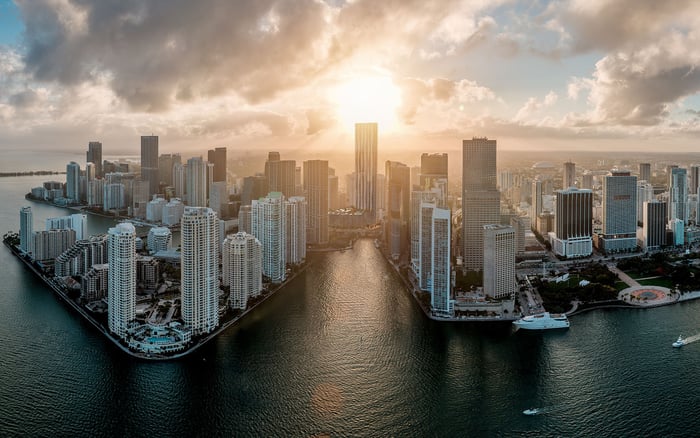
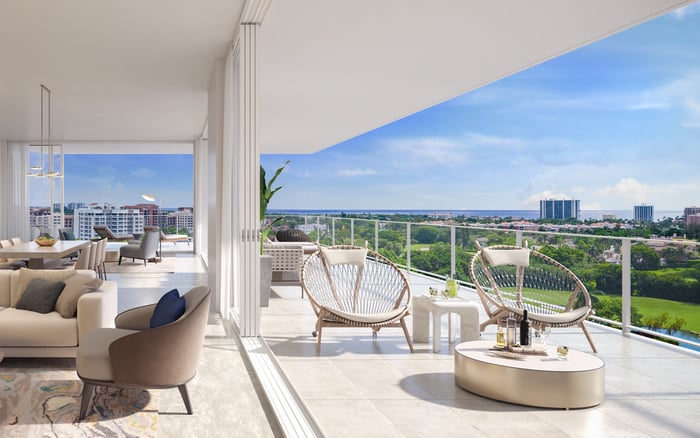
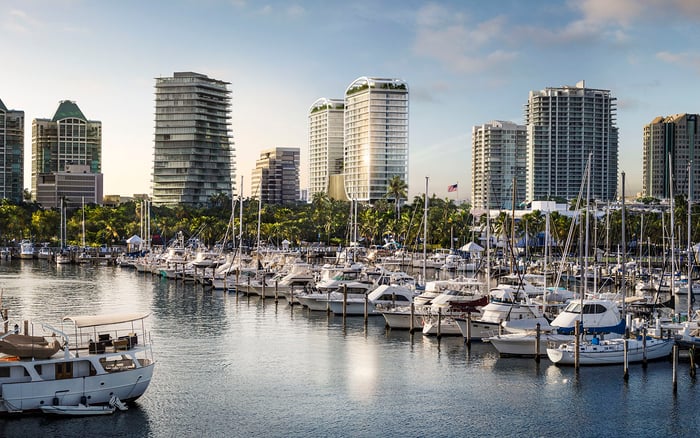
A buyer-oriented look at how to evaluate private yacht slip potential and navigable water access for 749 Bamboo Dr Boca Raton, with practical due diligence steps, lifestyle considerations, and Boca’s broader luxury waterfront context.
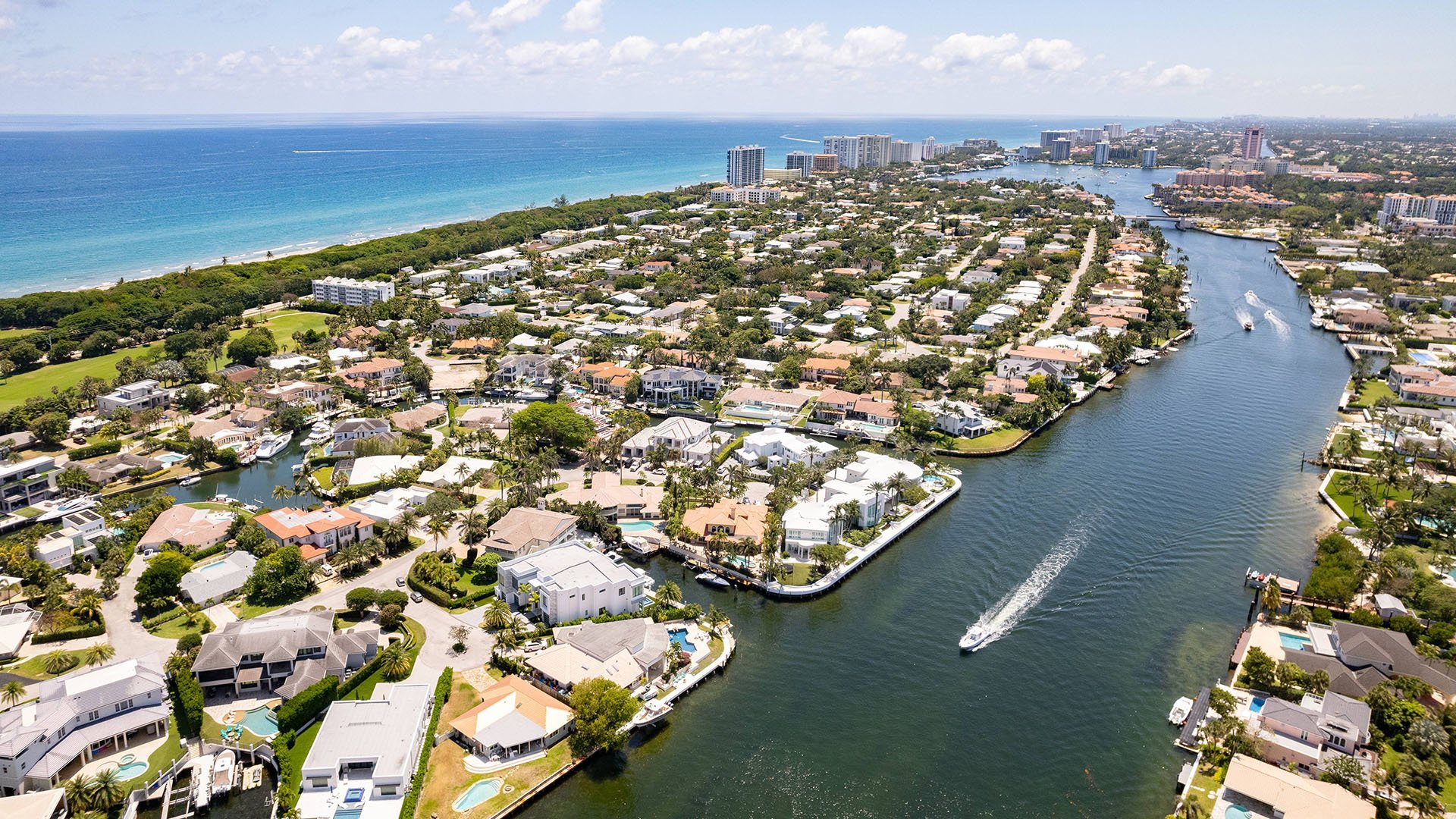
In South Florida’s upper tier, “waterfront” isn’t a single feature-it’s a chain of real-world conditions that starts at the dock and ends at open water: depth at the slip, maneuvering room, speed and wake rules, bridge constraints, and how reliably the route performs across tides and seasonal weather. For a property like 749 Bamboo Dr Boca Raton, the essential question isn’t simply whether a yacht can tie up, but whether your specific yacht-and your specific boating routine-can be supported with minimal friction.
The market often prices private docking rights aggressively, but sophisticated buyers separate romance from logistics. A private slip is a daily luxury only when it functions like infrastructure: predictable, safe, and serviceable. That requires treating navigable access as disciplined due diligence, not an aesthetic bonus.
A private dock is only as valuable as the operating envelope it delivers. Evaluate it in three dimensions: vertical realities (depth and variability), horizontal realities (clearance and turning geometry), and the operational “soft costs” that shape everyday use.
Depth and variability.
What matters isn’t just apparent depth on a calm day-it’s how depth performs over time. Intra-coastal canals and basins can experience siltation, and the difference between “fine” and “prop strike” can be narrower than it appears. If you run a deeper-draft vessel, you’ll want a clear picture of depth at the slip, at the canal edge, and along the route you’ll use most.
Maneuvering and turning basin.
A dock can be long enough on paper and still dock “tight” in practice if the approach is constrained. Consider where you’ll rotate the vessel, how wind funnels through the neighborhood, and whether canal geometry favors stern-to docking or side-to. If you typically boat with limited crew, ease of docking becomes a true lifestyle variable.
Wake exposure and neighbor dynamics.
Narrow residential waterways can amplify wakes from passing traffic. That can translate into wear on dock hardware and a less settled boarding experience. Also assess no-wake compliance and the general rhythm of weekend traffic.
Utility of shore power and service access.
Even for owners who travel with crew, the practicalities decide whether boating feels effortless: shore power capacity, water access, room for provisioning, and whether vendors can service the vessel without turning the driveway into a loading zone. These details rarely photograph well, but they separate seamless boating from constant micro-planning.
Many buyers fixate on “slip length” and overlook that navigability is fundamentally a route question. Your lived experience is defined by the corridor between your dock and your destination-not by the tie-up itself.
Bridge and clearance constraints.
For many yachts, the limiting factor isn’t draft-it’s air draft. If your routine includes cruising without lowering equipment, the route must accommodate that profile. Map the route in both directions and identify any constraints that could turn a spontaneous outing into a scheduled event.
Tides, seasonal conditions, and reliability.
A route that feels comfortable at one tide can become less forgiving at another. The practical test is reliability: can you depart on short notice, return after dinner, and absorb typical weather shifts without drama?
Time-to-open-water.
Even when access is “navigable,” there’s a meaningful difference between a short, uncomplicated run and a long, speed-restricted transit with multiple choke points. In luxury terms, time is the true currency. Faster, simpler access reduces engine wear and increases how often you actually use the boat.
Your boating pattern.
Owners living a day-boat rhythm value quick, repeatable trips. Owners planning longer passages may prioritize safe, straightforward departures and returns. The right property aligns with your pattern-not someone else’s.
Because slip utility often hinges on technicalities, treat the dock as a core component of the residence-worthy of its own inspection protocol.
Confirm the legal right to dock and the scope of use.
“Private dock” can mean different things depending on easements, setbacks, and local rules. Verify that the docking configuration-and any lifts, pilings, and mooring arrangements-are permitted and transferable as part of the sale.
Validate allowable vessel profile.
Compare your vessel’s LOA, beam, draft, and air draft to the realistic operating envelope. If you’re buying with a future yacht in mind, be cautious: “I’ll upgrade later” can fail if the route is the real constraint.
Survey the seawall and dock structure.
Seawalls and dock systems have life cycles. Look for structural integrity, signs of movement, and the condition of caps, hardware, and electrical. Practically speaking, the goal is to avoid inheriting an immediate capital project that disrupts your first season.
Assess insurance and storm procedures.
Underwriters may require specific mooring and storm-prep practices. Even if you’re comfortable with risk, your policy may not be. A residence that supports clean procedures-lines, fendering, and haul-out planning-often reads as more “luxury” because it reduces operational anxiety.
Plan for dredging realities.
In some canal systems, dredging can be a periodic necessity, but it isn’t always straightforward. Before committing, understand whether the waterway typically requires maintenance, how it’s handled, and whether restrictions or long lead times could apply.
A private slip isn’t just about ownership pride-it reshapes how you live in Boca Raton.
Morning departures become realistic.
When the boat is steps away, short outings become viable in a way they rarely are when boating feels like a production. That’s the hidden return of a well-sited dock.
Hosting becomes more fluid.
Waterfront entertaining elevates when guests can arrive by water-or when a sunset cruise becomes a natural extension of dinner. In that sense, the slip functions as an extension of your living and dining rooms.
Security and discretion.
Private docking can be more discreet than marinas, but it introduces its own considerations: sightlines, passerby traffic, and how visible your vessel is from the water. For privacy-forward buyers, these details can matter as much as interior finishes.
Maintenance becomes part of the cadence.
Dockside convenience also makes maintenance more immediate. A well-organized service plan-and a property layout that supports it-keeps the experience luxurious rather than burdensome.
Boca-ratón attracts buyers who want polish without noise: refined neighborhoods, strong amenities, and a lifestyle that can be both coastal and club-oriented. Yet within Boca, waterfront experiences vary materially. Some homes deliver a direct, yacht-forward program; others offer a “water view” lifestyle with lighter boating utility.
For buyers who love Boca but prioritize a lock-and-leave cadence, a luxury condo environment can be compelling. Alina Residences Boca Raton speaks to the segment that wants architectural rigor and walkability, with boating as a curated activity rather than a daily operational responsibility. Similarly, The Residences at Mandarin Oriental Boca Raton frames luxury as service and simplicity-another answer to the same question of time and ease.
Meanwhile, buyers seeking a boutique, design-forward Boca option sometimes cross-shop Glass House Boca Raton, where the emphasis is on intimacy and lifestyle editing. These comparisons aren’t about replacing a waterfront home; they’re about clarifying your hierarchy. Do you want the boat to be the centerpiece-or a discretionary pleasure?
A discreet checklist helps keep emotion from outrunning feasibility.
Green lights:
a route that feels repeatable in varied conditions; approach geometry that supports calm, stress-free docking; infrastructure that appears maintained and thoughtfully executed; and a layout that supports provisioning and service without disrupting the residence.
Red flags:
ambiguity around dock rights; a route that only works on “perfect” tides; tight canal approaches that demand constant assistance; and structural indicators pointing to near-term seawall or dock rebuilds. Another subtle warning sign is a property that’s visually stunning but operationally awkward-where the dock exists, yet feels like an afterthought.
Ultimately, the right assessment is personal. Some owners accept a slower, more constrained route because they value neighborhood privacy. Others prioritize maximum flexibility, even if that requires compromise elsewhere. The goal is alignment.
If 749 Bamboo Dr Boca Raton is on your shortlist, evaluate it the way you’d evaluate a home’s mechanical systems: inputs, outputs, and failure points.
Start with the vessel you actually run. If your yacht carries meaningful draft or height, the route may be more determinative than the slip. Next, weigh usage frequency. A property that adds ten minutes each way-plus multiple constraints-can quietly reduce how often you go out. Then define your service model. If you keep the boat meticulously maintained, you want a property that makes routine work straightforward.
Finally, remember that “best” is contextual. Some buyers thrive with a private-slip lifestyle where water is an everyday extension of the home. Others prefer Boca’s refined residential core and choose to outsource boating through clubs and marinas. When you choose with precision, waterfront value becomes durable because it’s grounded in how you actually live.
Does 749 Bamboo Dr Boca Raton have a private yacht slip? It is presented as a waterfront property where buyers typically evaluate private docking potential; confirm the exact dock rights and configuration during due diligence.
What defines “navigable water access” for a residential dock? It means your vessel can safely and routinely transit from the dock to open water, accounting for depth, bridges, and channel constraints.
Is slip length the most important factor for yacht owners? Not always; approach geometry, water depth, and route constraints often determine real-world usability more than length alone.
How can I verify depth near the dock? The most reliable approach is a marine-focused inspection that checks depth at the slip and along the departure corridor.
What role do bridges play in Boca-ratón boating? Bridge clearance can be the primary constraint for taller vessels, so your route should be evaluated for air draft limitations.
Can a canal-front home still be “yacht-friendly”? Yes, if the route, turning areas, and depth support your vessel profile and the transit feels repeatable in varied conditions.
What should I check about the seawall? Look for structural condition, signs of movement, and whether any repairs or replacement could become an immediate project.
Are no-wake zones a drawback? They can add time, but they also reduce wake exposure and improve comfort; the impact depends on your boating routine.
If I want a lock-and-leave lifestyle, what are Boca alternatives? Consider service-oriented luxury options such as Alina Residences Boca Raton or The Residences at Mandarin Oriental Boca Raton.
What is the single biggest mistake buyers make with private docks? Assuming the slip guarantees easy ocean access, when route constraints may be the true limiting factor.
To compare the best-fit options with clarity, connect with MILLION Luxury.
If branded residences are on your mind — as a home or as an allocation — we would be glad to share what we are seeing, privately.
Begin a quiet conversation