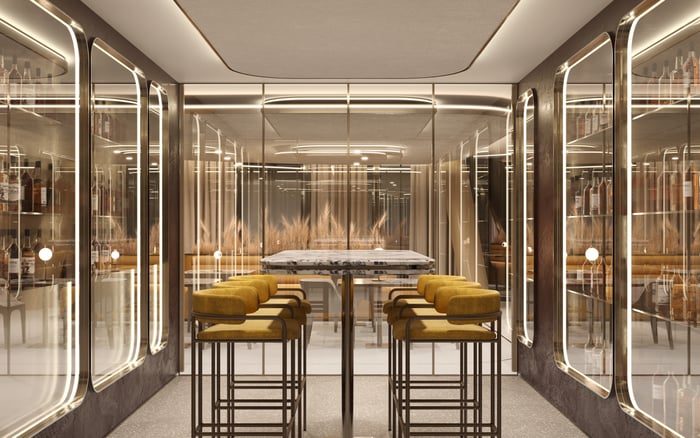
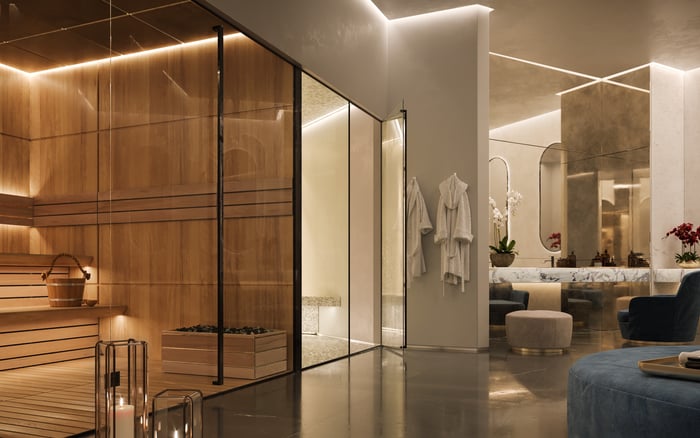
A chef-grade kitchen is not a single appliance upgrade. In South Florida’s ultra-luxury market, it is a workflow system: storage that anticipates entertaining, ventilation that respects open-plan living, surfaces that tolerate heat and citrus, and a layout that supports both a private cook and an owner who actually uses the range. For buyers weighing Coconut Grove’s wellness-leaning new development culture against the seclusion of Grove Isle, kitchen functionality becomes a practical differentiator. The right choice depends less on taste and more on how you move through a kitchen on a real Friday night: where groceries land, how prep is staged, whether cleanup is discreet, and how the space performs when the living room is full.
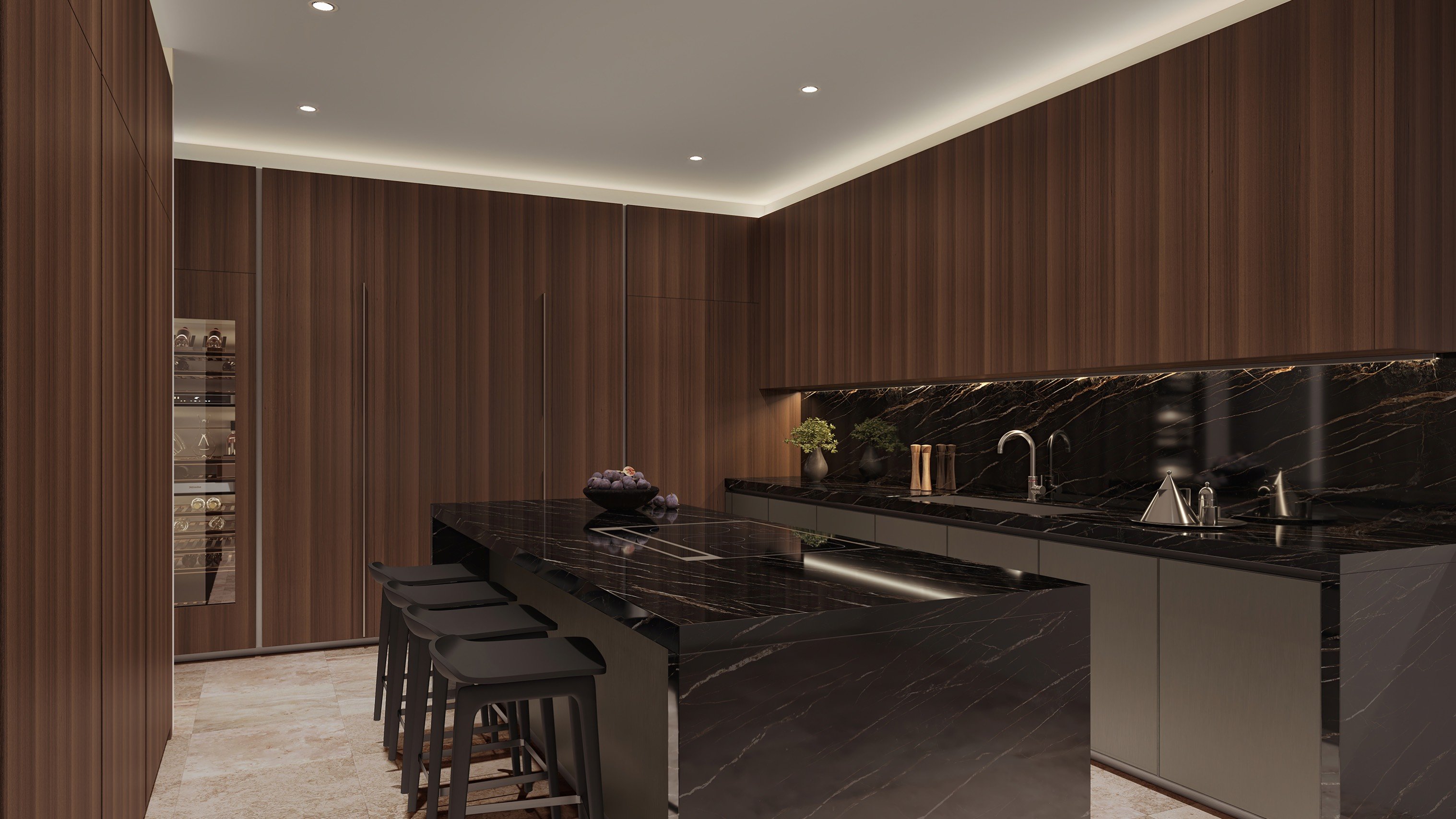
In the ultra-premium segment, most kitchens are already visually dialed in. The real separation appears when the room is under pressure: multiple hands cooking, guests gathering at the island, catering trays arriving, and glassware circulating back for a reset. True functionality lives at the intersection of layout, ventilation, storage logic, and day-to-day serviceability.
When comparing The Well Coconut Grove and Vita at Grove Isle, the question is not which one is “nicer.” Both are built for buyers who expect a refined, modern kitchen. The decision is which setting better supports your habits: daily cooking versus frequent entertaining, owner-operated versus staff-assisted, and open-plan socializing versus a more controlled, private rhythm.
You can evaluate any luxury kitchen quickly by mapping four zones. This framework keeps you from over-indexing on finishes and underestimating real-world performance.
1) The landing zone (arrival and unloading).
Look for a clear counter run near the entry where groceries can land without crossing the cooking line. If the pantry sits beyond the main aisle, you’ll feel that friction every week.
2) The prep zone (the real work).
A serious prep area needs uninterrupted counter length, immediate access to water, and task lighting that doesn’t cast shadows from pendants. Confirm you can stage a cutting board, a tray, and small appliances without hijacking the primary sink.
3) The heat zone (range, oven, and ventilation).
Performance here is about capture and comfort. In South Florida, open-plan kitchens amplify smells and humidity. The best systems keep cooking aromas from drifting into soft furnishings-especially when doors are open and the home is catching a breeze.
4) The cleanup zone (reset without theatre).
Luxury living is often about discretion. Assess whether dirty dishes can move from dining to sink to dishwasher without a public traffic jam at the island.
These zones are also where neighborhood expectations start to show. In Coconut-grove, open living, indoor-outdoor flow, and social kitchens are common buyer priorities. On a private enclave like Grove Isle, privacy and controlled access can subtly reshape how you use the kitchen-especially when hosting.
Most high-end Miami kitchens are anchored by an island. The difference is whether the island functions as a true work surface-or reads as furniture.
For island-first living, study aisle widths and pinch points. Can two people pass behind someone at the cooktop? If a guest pulls up a stool, does it interrupt the prep line? An island can look generous and still fail in practice if seating projects into the primary path.
For service-first planning, track the back-of-house moments. Where does a caterer stage trays? Where do chilled items live before plating? Kitchens that host effortlessly typically follow a clear sequence: pantry and refrigeration near entry, prep at the center, the heat zone protected, and cleanup slightly out of view.
In a wellness-leaning project environment like The Well Coconut Grove, buyers often prefer calm, uncluttered surfaces. That can be ideal for daily living, but it raises the standard for concealed storage and smart appliance integration. In an island setting like Vita at Grove Isle, the kitchen often needs to operate as both a private workspace and a hospitality hub-especially when guests arrive by car service or from the marina.
If you cook, ventilation is one of the most under-discussed luxury features. A visually minimal hood can be perfectly appropriate-if it truly captures. You should be able to sear, simmer, and fry without perfume-level aromas lingering in adjacent rooms.
Acoustics matter, too. Open kitchens can turn a dishwasher cycle into constant background noise during a dinner party. On a walkthrough, listen for vibration and fan noise. If the kitchen opens to a living room designed for quiet evenings, these performance details become everyday quality-of-life issues.
In South Florida, also consider heat management. Poor capture or inefficient airflow can make adjacent living areas feel warmer and more humid. If you entertain with doors open, you’re balancing fresh air with cooking byproducts. This is where a chef kitchen proves whether it was engineered for real use.
Ultra-luxury kitchens are judged by how quickly they return to “showing condition.” That’s not about discipline; it’s about storage capacity and placement.
Look for:
Pantry depth and accessibility. A walk-in pantry only performs if shelving is functional and reach is comfortable.
A dedicated small-appliance plan. If you use an espresso machine, blender, air fryer, or stand mixer, decide whether they live out or disappear. Clean counters are easy only when there’s a realistic home for everything.
Entertaining storage. Glassware, bar tools, serving platters, and linens need a nearby zone so you’re not crossing the cook line during service.
As a point of reference for storage-forward planning in other Miami neighborhoods, consider how new inventory in Brickell often treats the kitchen as part of a broader entertaining suite rather than a standalone room, as seen in 2200 Brickell. The objective is the same regardless of neighborhood: reduce visual clutter by making storage more intentional.
Countertops are often treated as purely aesthetic. A chef-grade kitchen, however, needs surfaces that can handle heat, acids, and constant wiping without looking tired.
During a visit, evaluate:
Edge details that are less likely to chip under daily use.
Seam placement that stays out of the main prep area.
Backsplash continuity behind the cooktop for easier cleaning.
Cabinetry should feel confident in operation-and practical in layout. Soft-close is expected. The more consequential test is whether door swings interfere with each other and whether drawer depths align with what you actually store.
Lighting should serve cooking, not just ambiance. Task lighting under cabinets, glare control at the island, and consistent color temperature all matter.
Power planning is equally decisive. You want outlets where you work-not only where they were easiest to install. Check for:
Convenient outlets along the main prep run.
Locations that don’t force cords across sink areas.
Thoughtful charging and docking if the kitchen doubles as your informal office.
If you’re comparing layouts between Coconut-grove and Grove Isle, this detail can materially change the lived experience. A kitchen can look identical in renderings and still perform very differently once real life arrives: under-cabinet lighting that throws shadows, or outlet placement that makes you choose between the toaster and the espresso machine.
Two buyers can tour the same kitchen and walk away with opposite impressions because they run different scripts. Use these scenarios to determine which residence best matches your lifestyle.
Scenario A: The weeknight cook.
You value an efficient prep line, quick cleanup, and a calm environment that supports routines. You’ll care more about workflow than seating count.
Scenario B: The social host.
You want guests to gather without entering your working space. Here, island seating, bar adjacency, and a discreet cleanup zone become essential.
Scenario C: The catered evening.
You need staging, circulation, and a pantry strategy that keeps service quiet. A kitchen that photographs well but lacks a functional landing zone will feel stressed under catering.
For buyers who enjoy comparing other “entertaining first” approaches around Miami, Park Grove Coconut Grove is another relevant reference point in the broader Coconut Grove conversation, particularly for those prioritizing social flow in a luxury tower context.
When you tour The Well Coconut Grove and Vita at Grove Isle, bring a functional punch-list. You’re not being difficult-you’re protecting the experience you’re buying.
Stand at the sink and identify your “drop zone.” Where do bags, herbs, and a laptop land without crowding the faucet line?
Open every drawer and assign a purpose. If you can’t immediately picture homes for pots, platters, and linens, the kitchen won’t stay serene.
Test the island relationship. Sit where a guest would sit and see whether the cook is forced to squeeze past.
Imagine the mess. Where does recycling go? Where do delivery boxes break down? In true luxury, these moments have a plan.
Listen. Fan noise, refrigerator hum, and dishwasher vibration can shape the perceived calm of the entire living area.
Choose The Well Coconut Grove if you want a kitchen that supports a polished, wellness-oriented daily rhythm: clean counters, integrated order, and a space that feels calm even when used often. Choose Vita at Grove Isle if your priority is a private, enclave lifestyle where hosting and arrival patterns shape how the kitchen should operate-including how the space transitions from cooking to entertaining.
Neither is “better” in a vacuum. The better kitchen is the one that disappears into your life, making cooking feel intuitive and entertaining feel effortless.
Which matters more in a chef kitchen, appliances or layout? Layout usually matters more because it determines workflow, congestion, and cleanup.
How can I tell if ventilation is strong enough during a tour? Ask to see the hood operation and listen for noise; then evaluate proximity to soft seating.
Is a large island always a sign of better functionality? Not necessarily; the key is aisle clearance and whether seating blocks the work path.
What is the most overlooked storage feature in luxury kitchens? A realistic small-appliance plan that keeps counters clear without sacrificing access.
Do open-plan kitchens require different priorities than enclosed kitchens? Yes; ventilation, acoustics, and visual cleanliness carry more weight in open layouts.
What should I check about lighting beyond decorative pendants? Confirm task lighting on prep surfaces and consistent color temperature across fixtures.
How do I evaluate the cleanup zone for entertaining? See whether dishes can move to the dishwasher without crossing the main serving line.
Are integrated appliances always better in ultra-luxury residences? They can be, but only if access, capacity, and serviceability fit your cooking habits.
What makes a pantry functional rather than just impressive? Accessible shelving depth, logical zones, and proximity to refrigeration and prep.
How should I compare two kitchens when details are not obvious? Run the same hosting scenarios in each and note friction points in circulation and storage.
For a confidential assessment and a building-by-building shortlist, connect with MILLION Luxury.
If branded residences are on your mind — as a home or as an allocation — we would be glad to share what we are seeing, privately.
Begin a quiet conversation