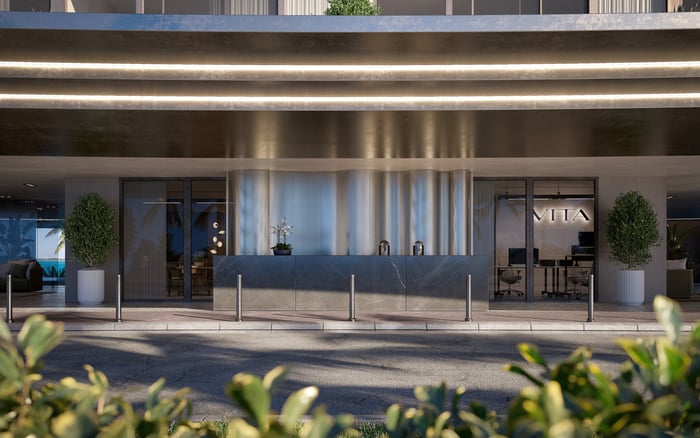
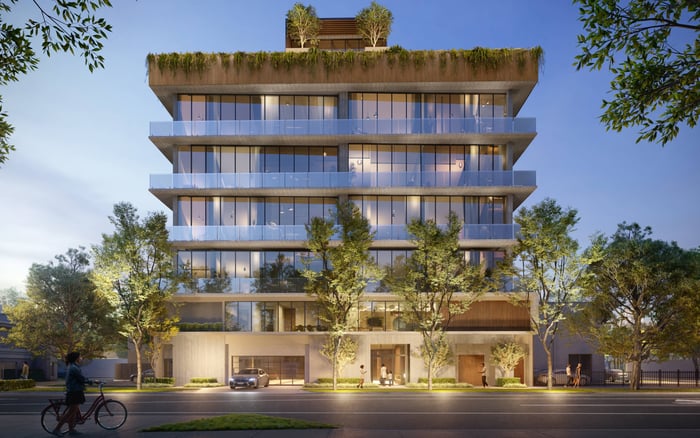
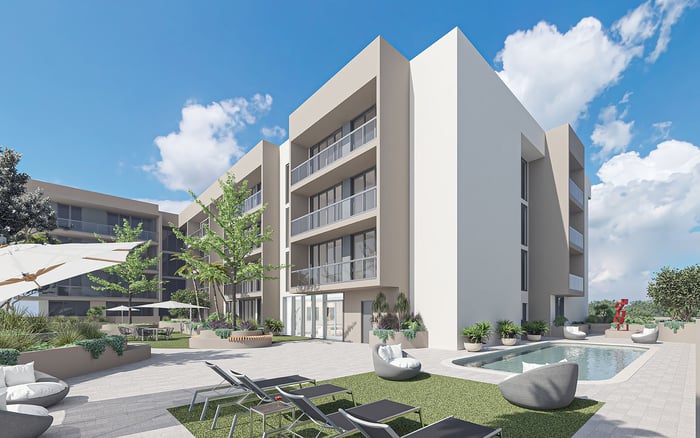
A buyer-focused comparison of Mr. C Tigertail Coconut Grove, Opus Coconut Grove, and Vita at Grove Isle through the lenses that matter most in Miami: service-led wellness, boutique privacy, natural light, and humidity control.
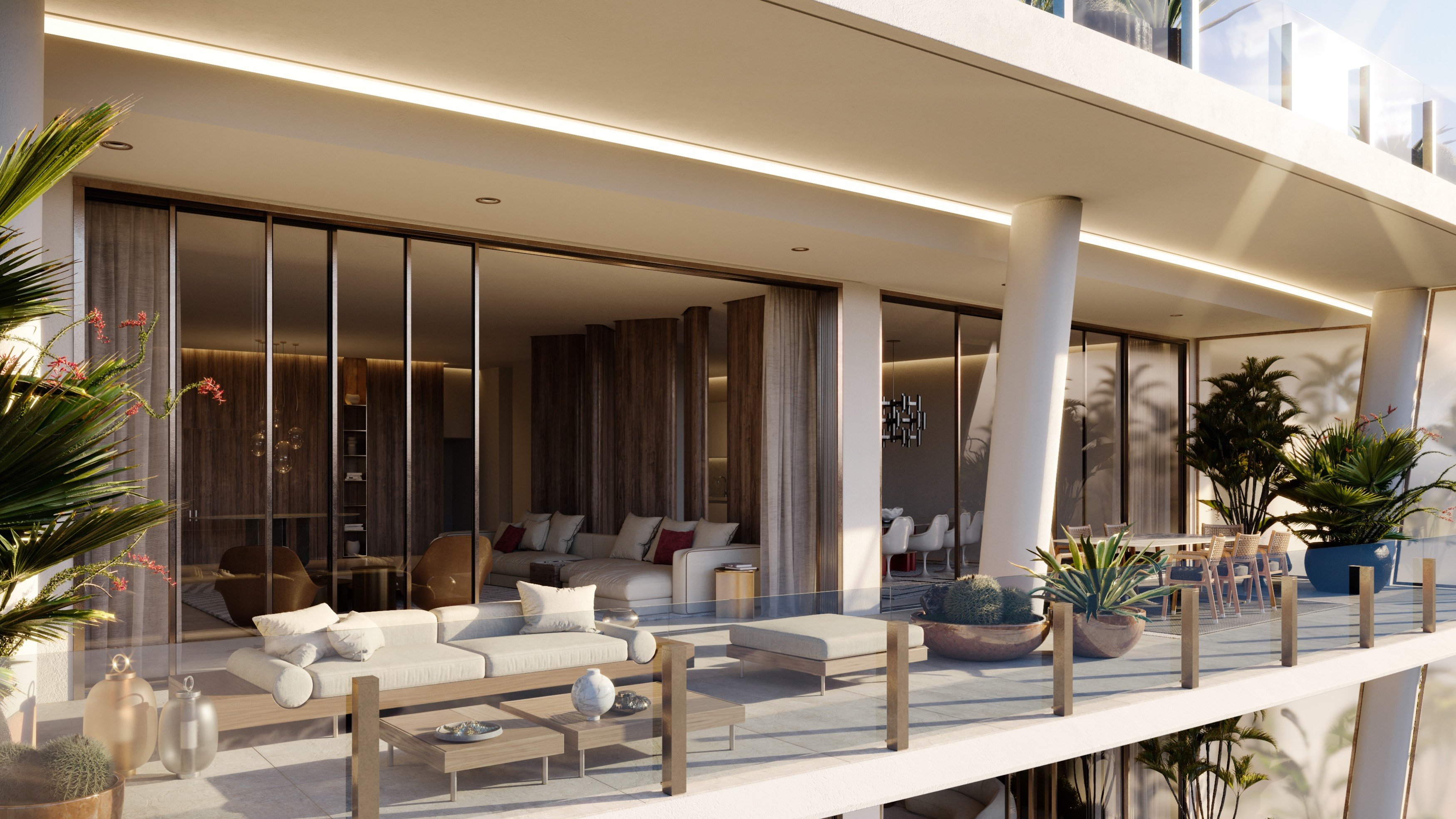
In Coconut Grove, the most refined residential decisions often begin with a simple question: how should a home feel at 7 a.m., at noon, and after a summer rain? The comparison among Mr. C Tigertail Coconut Grove, Opus Coconut Grove, and Vita at Grove Isle is not merely a contest of prestige. It is a study in how luxury buyers weigh service, privacy, daylight, and the invisible performance of a building in South Florida’s humid climate.
Mr. C Tigertail Coconut Grove is best understood through a service-led, wellness-inflected residential lens. Its appeal is anchored in the ease of a more connected Coconut Grove lifestyle. Opus Coconut Grove occupies a different emotional register: boutique scale, crafted interiors, privacy, and natural light sit at the center of its identity. Vita at Grove Isle belongs in this decision set because buyers often place it in conversation with Grove residences when considering a quieter, more secluded residential rhythm. Any Vita-specific decision, however, should be guided by current building disclosures, residence plans, and systems review.
For many high-end buyers, the shorthand may read Coconut Grove, waterview, privacy, wellness, and daily convenience. The more useful framework is sharper: choose the residence whose strengths align with your daily rituals, then test the physical performance of the home with the same seriousness you apply to views and finishes.
Mr. C Tigertail Coconut Grove will resonate with buyers who want a service-driven residential experience rather than a purely private building culture. The core promise is not simply amenity access. It is the sense that daily life can be supported by service, programming, and wellness-oriented living within a recognizable residential environment.
That positioning matters for owners who travel frequently, maintain multiple residences, or prefer a building where service is part of the residential language. In this model, wellness is less about one isolated feature and more about the total cadence of the day: arrival, movement, social ease, recovery, and convenience.
The trade-off is equally clear. Mr. C Tigertail is more urban tower than resort-island compound. For some buyers, that is precisely the attraction: Coconut Grove convenience, walkability, and proximity to the neighborhood’s restaurants, waterfront energy, and village-like daily life. For others, the same urbanity may feel less secluded than an island-style setting.
The serious buyer should not stop at the wellness narrative. In Miami, wellness claims need to be evaluated against building-envelope performance, humidity control, and indoor comfort. A spa-like amenity deck has value, but the true luxury test is whether the residence feels calm, dry, and stable during peak heat and moisture.
Opus Coconut Grove speaks to a buyer who prizes intimacy over scale. It is framed as a boutique, design-driven Coconut Grove residential building, with privacy, crafted interiors, and natural light at the center of its appeal. That combination attracts a different personality from the buyer seeking broad resort-style programming.
The strength of Opus Coconut Grove is its residential quietness. Boutique buildings can feel more personal, less performative, and more closely connected to the rituals of private life. For a buyer who reads rooms through proportion, materiality, and light, that can matter more than a long amenity menu.
Natural light is one of the great luxuries in South Florida, but it is also one of the great technical tests. Expansive glazing can create luminous rooms and a strong visual connection, yet buyers should review how that glazing works with the building envelope, cooling strategy, and moisture management. The question is not whether the residence is bright. The question is whether it remains comfortable, controlled, and livable when sun, heat, and humidity are at their most assertive.
This is where design sophistication becomes practical. A beautiful room in Coconut Grove must perform as well as it photographs. Opus Coconut Grove is strongest for buyers who want an intimate setting where privacy, detail, and daylight carry the lifestyle proposition.
Vita at Grove Isle enters this comparison because some buyers naturally contrast urban Coconut Grove living with a quieter, more removed residential experience. The name itself places it in the buyer’s mental map of Grove-adjacent island living, but a careful purchaser should avoid relying on assumptions. The right approach is to evaluate Vita at Grove Isle through verified plans, current disclosures, residence layouts, and building-system details before assigning it a role in the final decision.
Conceptually, the Vita question is about seclusion. If Mr. C Tigertail offers service-forward urban convenience and Opus offers boutique design intimacy, Vita may be considered by buyers who want a more retreat-like residential posture. Yet the decisive issues remain the same: privacy, light, air quality, humidity control, and the lived feel of the residence.
For ultra-premium buyers, seclusion alone is not enough. A quiet setting should be paired with strong interior comfort and reliable environmental control. The most successful residence is not the one that sounds most serene in a brochure. It is the one that continues to feel composed in August.
In South Florida, humidity control is not a technical footnote. It is a luxury category. The buyer comparing Mr. C Tigertail Coconut Grove, Opus Coconut Grove, and Vita at Grove Isle should ask direct questions about indoor comfort, air management, condensation risk, maintenance expectations, and how the building envelope supports the residence through heat and moisture.
This does not require a buyer to become an engineer. It requires disciplined due diligence. Ask how the residence handles periods when doors are opened frequently. Ask how large glass exposures interact with cooling loads. Ask how closets, millwork, art walls, and sleeping areas are protected from lingering moisture. Ask what is controllable at the residence level and what depends on central building systems.
These questions are especially important for buyers drawn to natural light and views. The more glass, the more one should understand performance. The more secluded the setting, the more one should understand how the home behaves when closed for travel. The more wellness-oriented the brand promise, the more the indoor environment must support that promise.
Choose Mr. C Tigertail Coconut Grove if your ideal home is service-supported, socially connected, and woven into the daily convenience of the Grove. It is the strongest fit for a buyer who values wellness-inflected living and an urban residential rhythm.
Choose Opus Coconut Grove if your priority is privacy, natural light, crafted interiors, and boutique scale. It is well suited to buyers who would rather have fewer neighbors, stronger design identity, and a more intimate residential experience than expansive resort-style programming.
Consider Vita at Grove Isle if your instinct is toward separation, quiet, and a more retreat-like frame of reference, while keeping the evaluation anchored in verified residence details. In this tier of the market, the winning choice is the one where setting, systems, and lifestyle all point in the same direction.
Which residence is best for wellness-oriented buyers? Mr. C Tigertail Coconut Grove is the clearest fit for buyers who prioritize service culture and wellness-oriented living.
Which option is most focused on natural light? Opus Coconut Grove is positioned around natural light, privacy, crafted interiors, and boutique scale.
Is humidity control really a luxury issue in Coconut Grove? Yes. In Miami, indoor comfort, moisture control, and envelope performance directly affect how luxurious a residence feels day to day.
Should buyers prioritize views or building performance? Views matter, but performance should be tested alongside them, especially when large glass exposures are part of the design.
Who is the best buyer for Mr. C Tigertail Coconut Grove? A buyer who wants service, urban convenience, and wellness-led residential living will likely respond to it.
Who is the best buyer for Opus Coconut Grove? A buyer who values privacy, design detail, natural light, and a more intimate building experience should study Opus closely.
How should buyers think about Vita at Grove Isle? Treat Vita as a candidate for a quieter residential rhythm, then verify current plans, systems, and residence-specific details.
Is boutique scale better than resort-style programming? Not universally. Boutique scale favors privacy and intimacy, while broader programming may suit buyers who want more services and social energy.
What should second-home buyers ask about first? They should ask how the residence manages humidity, air circulation, and comfort when the home is closed for extended periods.
What is the simplest way to choose among the three? Decide whether your daily life is driven most by service-led wellness, natural light and privacy, or a more secluded residential posture.
For a discreet conversation and a curated building-by-building shortlist, connect with MILLION.
If branded residences are on your mind — as a home or as an allocation — we would be glad to share what we are seeing, privately.
Begin a quiet conversation