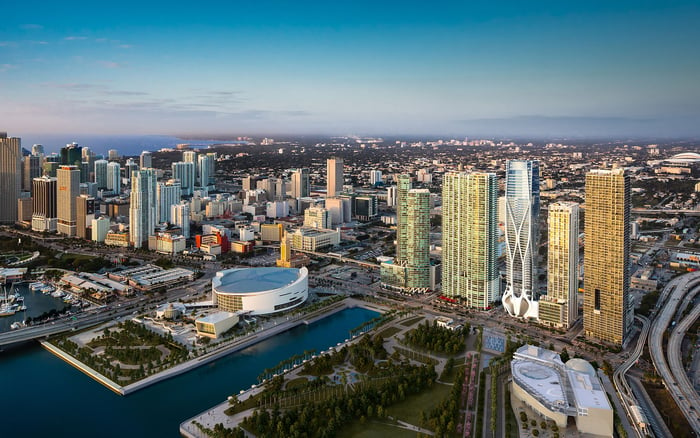
A strategic guide for cash buyers weighing cultural-district proximity in South Florida luxury real estate negotiations, with emphasis on pricing discipline, terms, timing, and resale clarity.
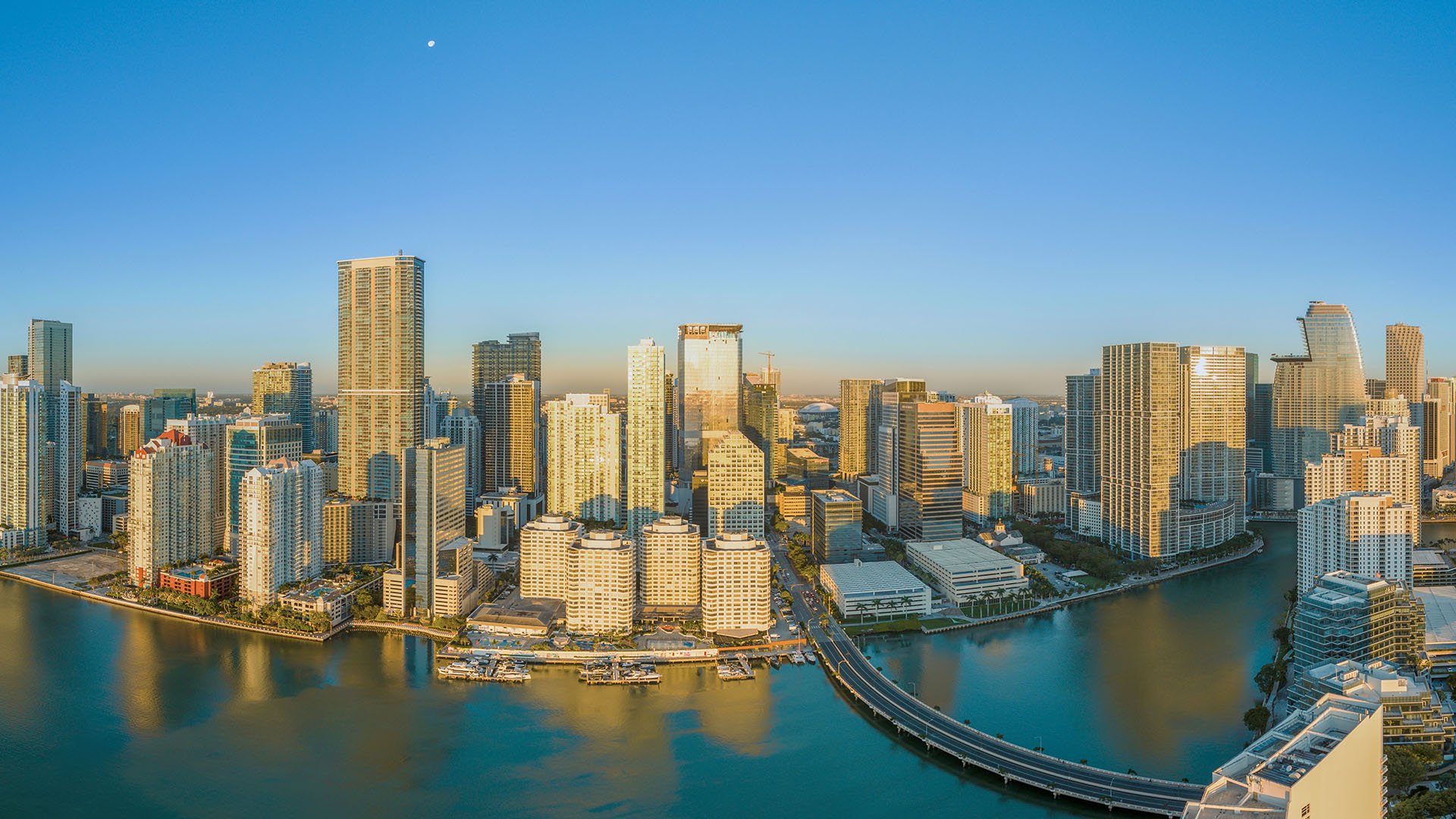
In South Florida luxury real estate, proximity to an art or design district is rarely a simple lifestyle footnote. It can shape how a residence is positioned, how a seller frames scarcity, and how quickly a buyer feels compelled to act. For a cash buyer, that emotional acceleration is both opportunity and risk.
The strongest negotiation strategy begins with a clear distinction: cultural proximity has value, but it is not automatically priceless. A residence near galleries, design showrooms, restaurants, collector gatherings, and architecturally ambitious streetscapes may carry a powerful narrative. The cash buyer’s advantage lies in translating that narrative into practical value, then refusing to pay twice for the same convenience.
That discipline matters most in areas where lifestyle leads the conversation. Wynwood, Brickell, Downtown, and the broader Miami cultural corridor each attract buyers for different reasons. Some want walkability to restaurants and exhibitions. Others want a short ride to private dinners, fairs, and openings while preserving a quieter residential base. The negotiation should reflect that nuance.
Before making an offer, a cash buyer should identify exactly what the property’s cultural adjacency delivers. Is it daily walkability, effortless evening access, brand association, potential rental appeal, or simply the feeling of being close to the city’s creative center? Each answer calls for a different negotiating posture.
A seller may present proximity as a singular advantage. A disciplined buyer breaks it into components. Walkability is different from short-drive convenience. A direct cultural view is different from being in the same neighborhood. A building with calm arrival, privacy, and refined service may justify a stronger bid than a louder location with only a fashionable address.
This is where the buyer should decide what is truly nonnegotiable. If the residence offers a rare combination of privacy, design quality, outdoor space, and cultural access, the strategy may be to win through certainty rather than a dramatic reduction. If the property is merely borrowing the reputation of a nearby district, the offer should be firmer, slower, and more comparative.
Cash buyers sometimes assume liquidity should automatically command a lower price. In luxury negotiations, that is too simplistic. Cash is powerful because it reduces uncertainty. It can simplify the seller’s path, compress the timeline, and remove financing anxiety. But the value of that certainty depends on the seller’s priorities.
A seller who values speed, privacy, and execution may respond well to a clean cash offer with limited friction. A seller who is emotionally attached to a culturally positioned property may still test the market for a buyer willing to pay for the story. The cash buyer’s task is to present certainty without appearing over-eager.
The strongest offers are often calm rather than aggressive. They show readiness, define key terms clearly, and make the buyer’s ability to close unmistakable. At the same time, they avoid rewarding every design flourish, gallery-adjacent address, or fashionable restaurant nearby as if it were permanent intrinsic value.
The offer number matters, but the map behind it matters more. A cash buyer should compare the subject property against alternatives across lifestyle, privacy, access, building quality, view, parking, outdoor space, and future exit. This prevents a culturally convenient address from overpowering the rest of the decision.
For search architecture, Brickell, Downtown, and Wynwood should not be treated as interchangeable. Each can serve a different buyer experience, from financial-district energy to creative-district proximity to central access. The same is true when comparing Miami Beach, Coconut Grove, Fort Lauderdale, Boca Raton, or West Palm Beach lifestyles, even when the article’s focus is the art and design axis.
This is also where investment discipline enters the conversation. A residence bought for cultural convenience still has to perform as a real asset. If the eventual buyer pool will care more about water, service, views, or privacy than district proximity, the opening offer should reflect that. Cultural adjacency may create attention, but attention is not the same as liquidity.
New-construction and Resale opportunities require different negotiating instincts. With New-construction, the buyer is often evaluating future delivery, building vision, design language, deposit structure, and the credibility of the finished experience. The negotiation may focus less on headline price and more on floor selection, included finishes, timing, and any available flexibility.
With Resale, the conversation is more immediate. The buyer can inspect the actual light, noise, arrival sequence, service culture, condition, and relationship to the surrounding district. A cash buyer should use that immediacy carefully. If the residence shows beautifully but has drawbacks in privacy, exposure, or functional layout, the offer should not be seduced by staging or proximity alone.
In both categories, the buyer should ask whether the cultural district strengthens daily life or merely decorates the marketing language. That question keeps the negotiation grounded.
Sellers near creative districts often believe they own more than square footage. They may believe they own atmosphere, cachet, and access. Sometimes they are right. But the cash buyer should avoid negotiating against the seller’s pride. Instead, the buyer should acknowledge the property’s appeal while making a precise case for the offer.
That case can include timing, certainty, inspection scope, closing flexibility, and a clear explanation of how the buyer is valuing the property. A respectful tone is essential. Luxury sellers may reject offers that feel dismissive, even when those offers are financially credible.
Silence can also be strategic. After a clean offer is delivered, an immediate stream of justifications can weaken the position. A cash buyer who has done the work can let the offer stand, especially if there are credible alternatives in nearby neighborhoods.
There are moments when paying for cultural proximity is rational. If a residence combines refined architecture, privacy, service, access, and an address that meaningfully enhances daily life, a buyer may be wise to prioritize certainty. The goal is not always to buy at the lowest possible number. The goal is to avoid confusing a trophy acquisition with an undisciplined one.
The premium is more defensible when the property would remain compelling even if the nearby district became less fashionable. Strong layouts, enduring design, quiet interiors, excellent arrival, outdoor space, and a graceful sense of place can outlast neighborhood narratives. When those qualities align with cultural access, the asset becomes more resilient.
Cash buyers win when they understand that restraint is not hesitation. It is the luxury of being able to choose.
Should cash buyers expect an automatic discount near art districts? No. Cash improves certainty, but the discount depends on seller motivation, competing interest, property quality, and the strength of alternatives.
Does proximity to Wynwood always increase negotiating pressure? Not always. It can increase emotional appeal, but the buyer should test whether the property offers practical daily value beyond neighborhood association.
How should Brickell buyers compare cultural access with waterfront appeal? They should decide which feature drives long-term value for their use case, then avoid paying a full premium for both unless the property truly delivers both.
Is Downtown proximity different from design-district proximity? Yes. Downtown can imply centrality and access, while design-district proximity often speaks more to lifestyle, collecting, dining, and creative identity.
When is a fast cash closing most useful? It is most useful when the seller values certainty, privacy, or timing more than extended market exposure.
Should a buyer mention other neighborhoods during negotiation? Yes, but discreetly. Credible alternatives strengthen the buyer’s position without making the exchange feel combative.
How does New-construction change the offer strategy? It shifts attention toward delivery, finishes, timing, and contract structure, not only the stated price.
How does Resale change the offer strategy? Resale allows the buyer to evaluate the finished residence directly, which can support a more specific and evidence-based offer.
Can cultural proximity help future resale? It can help attract attention, but lasting resale strength also depends on design, privacy, condition, views, services, and broader buyer demand.
What is the biggest mistake cash buyers make? The biggest mistake is treating lifestyle excitement as valuation proof instead of separating emotional appeal from durable asset quality.
For a tailored shortlist and next-step guidance, connect with MILLION.
If branded residences are on your mind — as a home or as an allocation — we would be glad to share what we are seeing, privately.
Begin a quiet conversation