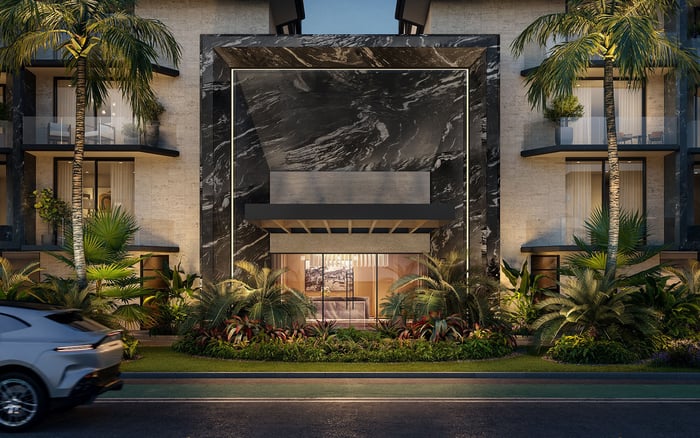
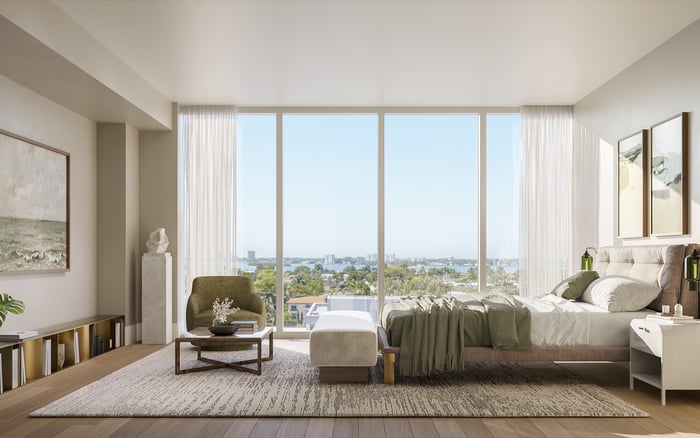
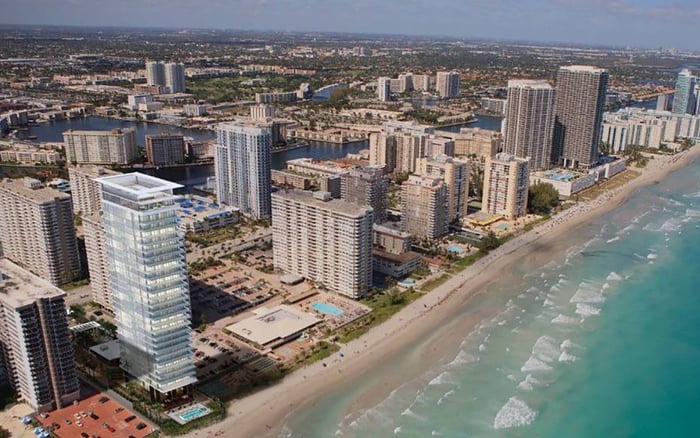
A buyer-focused comparison of The Well Bay Harbor Islands and 2000 Ocean Hallandale Beach, framed around privacy expectations, security technology, guest screening, and ownership fit for South Florida luxury residences.
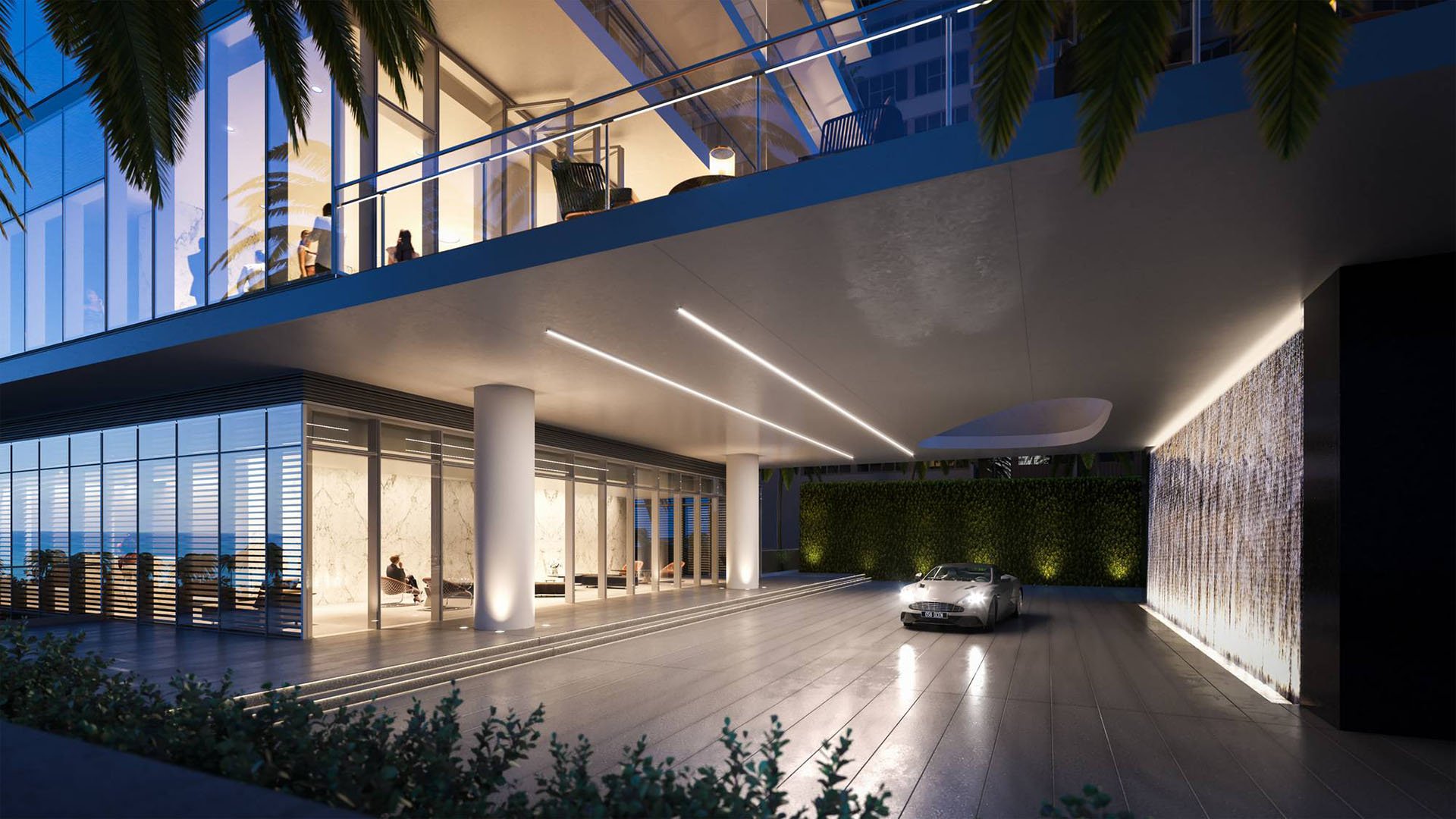
For many South Florida luxury buyers, privacy is no longer a vague preference. It is a daily operating standard. The question is not simply whether a residence feels secluded, but how the building manages arrivals, staff movement, visitors, deliveries, wellness appointments, family routines, and the invisible choreography of high-net-worth life.
That is why The Well Bay Harbor Islands and 2000 Ocean Hallandale Beach make a useful comparison. The two addresses suggest different residential contexts, buyer mindsets, and expectations for how privacy should be experienced. One may appeal to buyers drawn to a quieter island rhythm and a wellness-inflected residential identity. The other may resonate with owners who want a more direct coastal lifestyle in Hallandale Beach, along with the privacy considerations that naturally accompany a highly desirable waterfront setting.
Neither model should be reduced to a simple hierarchy. The stronger question is which ownership structure best fits the buyer's household pattern. A principal residence, a pied-a-terre, a second home, and an investment-oriented acquisition can each require a different privacy threshold.
At the ultra-premium level, ownership is not just about square footage or finishes. It is about who has access, how that access is managed, and how consistently the rules are enforced. A building can present itself as discreet, but the owner experience depends on governance, staffing discipline, visitor policy, service access, and the cultural expectations of fellow residents.
For buyers considering The Well Bay Harbor Islands, the conversation begins with the character of Bay Harbor Islands itself. The setting is associated with a more residential cadence than the highest-traffic resort corridors, which may suit buyers who want their home environment to feel deliberate and contained. In buyer shorthand, Bay Harbor can suggest a preference for discretion, neighborhood scale, and a sense of separation from the most visible luxury circuits.
For buyers considering 2000 Ocean Hallandale Beach, the ownership model may be read through the lens of a coastal address in Hallandale, where buyers often evaluate the balance between water-oriented living and controlled access. The privacy question becomes less about retreat from the coastline and more about how elegantly a building manages the reality of a destination setting.
Security technology has become a familiar part of the luxury-residential vocabulary: access controls, cameras, controlled elevators, visitor management tools, package systems, and digital communication between residents and staff. Yet sophisticated buyers know that technology is not the same as security. The true value lies in the rules that govern it.
A buyer comparing The Well Bay Harbor Islands and 2000 Ocean Hallandale Beach should ask practical questions. Who can authorize a guest? How are recurring visitors handled? Are service providers treated differently from social guests? How are deliveries routed? What is the process when an owner is away for an extended period? Can staff reach the residence without disrupting the privacy of the lobby experience?
The most refined buildings tend to make security feel calm rather than theatrical. Owners should not feel surrounded by visible friction. The experience should be quiet, predictable, and deeply organized. Technology should support hospitality, not replace judgment.
Guest screening can sound administrative, but in a luxury condominium it becomes a lifestyle issue. The visitor policy affects dinners, family stays, wellness appointments, drivers, private chefs, tutors, personal assistants, and seasonal guests. For owners with children, household staff, or frequent visitors, the building's screening culture can shape the everyday comfort of ownership.
The Well Bay Harbor Islands may attract buyers who want a more curated environment, where the residence functions as a private base for wellness, family, and social life. In that context, guest screening should feel seamless. The owner should be able to welcome the right people without feeling exposed to the wrong kind of traffic.
At 2000 Ocean Hallandale Beach, guest screening may carry a different emphasis. Buyers focused on a coastal residence often want ease for family and invited guests while maintaining firm boundaries around building access. The ideal standard is neither restrictive nor casual. It is controlled, polished, and legible to everyone who enters.
The privacy needs of a full-time resident can differ from those of a seasonal owner. A family using the residence as a primary home may care most about school-day routines, recurring staff, predictable arrivals, and the ability to maintain normal domestic life without constant exposure. A seasonal owner may care more about remote access, guest authorization while away, and the building's ability to monitor the residence between visits.
This is where the distinction between privacy expectation and privacy performance becomes important. Privacy expectation is what a buyer imagines when touring the property. Privacy performance is what happens after several months of living with the lobby, garage, elevators, service entries, package flow, and building staff.
Buyers should request a clear explanation of the resident journey. How does an owner arrive? How does a guest arrive? How does a vendor arrive? Are these paths separated, staggered, or visually managed? A luxury property can be beautifully designed, but if every arrival converges in a single overstimulated point, the privacy experience may feel less elevated.
The Well Bay Harbor Islands may be particularly compelling for buyers who value a quieter residential rhythm, a strong sense of personal routine, and a home environment that feels intentional rather than performative. It can make sense for owners who want privacy to be embedded in the culture of the address, not simply added through equipment.
2000 Ocean Hallandale Beach may suit buyers drawn to the energy and openness of a coastal setting who still require a disciplined residential framework. For these owners, the key is not isolation. It is managed access, consistent staffing, and a building culture that understands the difference between hospitality and exposure.
Investment considerations should also be handled with discretion. Privacy-sensitive buyers may not want a building culture shaped by excessive transient use. They may prefer a residence where long-term ownership behavior supports quiet enjoyment, stable neighbor expectations, and fewer unknown variables.
A polished sales presentation can communicate atmosphere, but privacy must be tested through specifics. Buyers should ask how the association or building team handles visitors, vendors, deliveries, wellness professionals, and private events. They should ask how after-hours arrivals are managed and how staff are trained to protect resident discretion.
They should also consider the emotional dimension. Some buyers want the serenity of a residential enclave. Others want the directness of a coastal lifestyle with security that works quietly in the background. The correct choice between The Well Bay Harbor Islands and 2000 Ocean Hallandale Beach depends less on which name sounds more private and more on which environment matches the owner's real patterns.
In the best South Florida residences, privacy is not isolation. It is control without tension, access without looseness, and hospitality without unnecessary visibility.
How should buyers compare privacy between The Well Bay Harbor Islands and 2000 Ocean Hallandale Beach? Buyers should focus on access points, visitor policy, staff movement, delivery handling, and the overall building culture rather than relying on atmosphere alone.
Is security technology enough to make a luxury residence private? No. Technology matters most when paired with trained staff, clear rules, and consistent enforcement.
Why is guest screening important in a luxury condominium? Guest screening affects everyday comfort, from family visits and private dinners to service providers and wellness appointments.
What should a second-home buyer prioritize? A second-home buyer should examine remote guest authorization, residence monitoring, and how the building handles access while the owner is away.
Does Hallandale offer a different privacy profile from Bay Harbor Islands? Hallandale may feel more coastal and destination-oriented, while Bay Harbor Islands may appeal to buyers seeking a quieter residential cadence.
What does Bay Harbor signal to privacy-focused buyers? Bay Harbor can signal a preference for discretion, neighborhood scale, and a more contained ownership experience.
Should investment buyers care about guest policy? Yes. Investment buyers should understand whether building rules support stable occupancy patterns and protect the long-term resident experience.
What questions should families ask before buying? Families should ask how school-day routines, caregivers, tutors, drivers, and recurring guests are handled by the building team.
Can a coastal residence still feel discreet? Yes, if the arrival sequence, staffing, elevator access, and visitor management are designed and operated with discipline.
What is the best way to choose between these two ownership models? Match the building's privacy culture to your real household rhythm, including guests, staff, travel, and seasonal use.
For a tailored shortlist and next-step guidance, connect with MILLION.
If branded residences are on your mind — as a home or as an allocation — we would be glad to share what we are seeing, privately.
Begin a quiet conversation