Colette Residences Brickell offers a restrained way to evaluate luxury wellness in Miami’s densest residential market: not by how dramatic a spa looks, but by whether residents can secure discreet, reliable, preferred-time access when it matters.
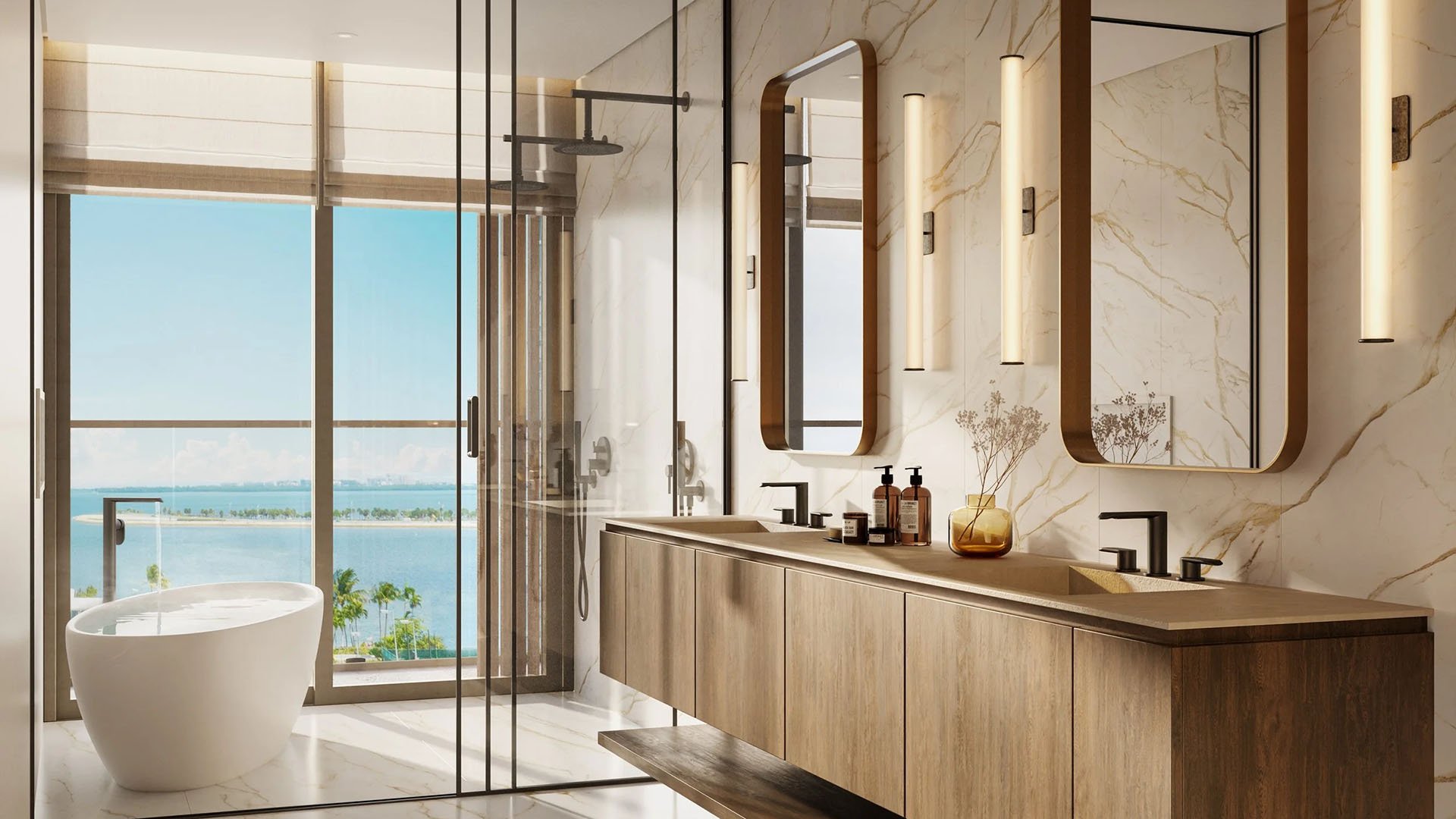
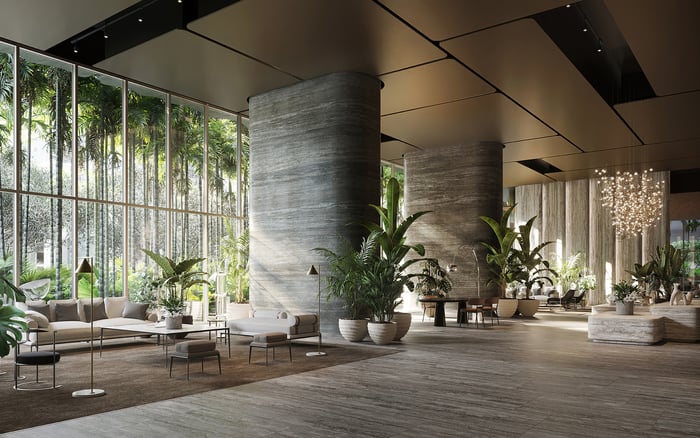
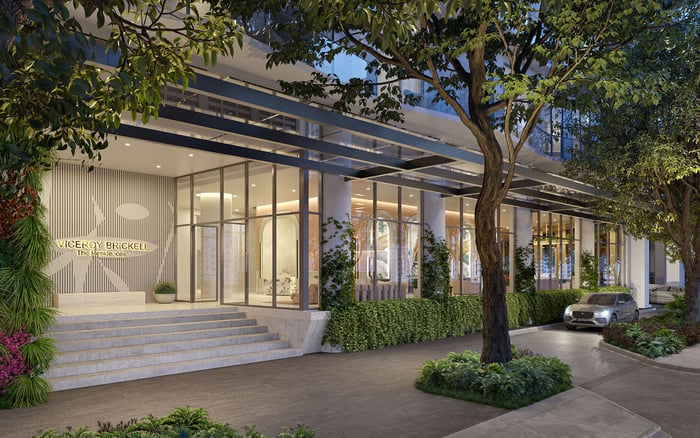
In Brickell, the language of luxury has long been defined by skyline views, dramatic lobbies, resort decks, and architectural presence. Those signals still matter. Yet for buyers who already understand Miami’s premium condominium market, the sharper question is increasingly operational: what does the building make easier every week?
Colette Residences Brickell offers a useful lens for that shift. Public detail remains limited, so the more compelling discussion is not about unverified specifications. It is about the quiet-luxury case implied by the concept: spa appointment access as a central value proposition, not a decorative amenity line.
That distinction matters in Brickell because the neighborhood is dense, mobile, ambitious, and time-sensitive. A resident may be minutes from dining, offices, private banking, and the waterfront, yet still lose meaningful time to traffic, scheduling, and fragmented wellness routines. In that context, access is not merely convenient. It becomes part of the residence’s private infrastructure.
Quiet luxury is often mistaken for minimalism. In a residential tower, it is more precise than that. It is privacy without performance, service without noise, and ease without constant negotiation. The buyer does not need every amenity to announce itself. The buyer needs the right things to work predictably.
For Colette Residences Brickell, the quiet-luxury logic centers on spa appointment access. The question is not simply whether a spa exists. It is whether residents can secure the appointment they actually want, at a time that protects their schedule, with a level of discretion appropriate to a high-net-worth lifestyle.
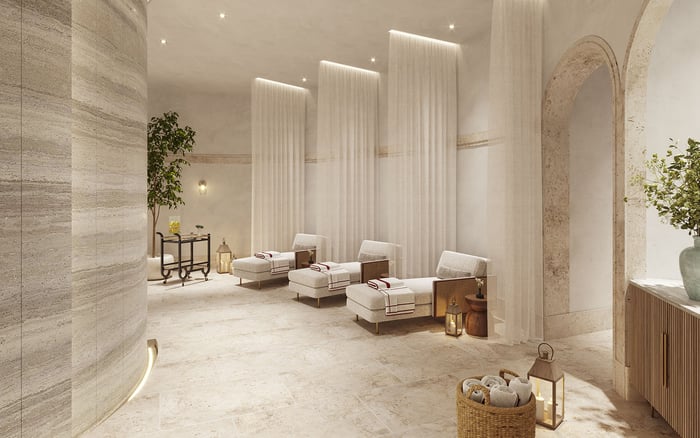
This is where a visually impressive spa and a genuinely usable spa separate. A treatment room can photograph beautifully and still be functionally unavailable. A pool can anchor a hospitality image and still be overcrowded at peak hours. A lounge can appear serene in renderings and still feel transactional in daily use. The luxury buyer is learning to distinguish atmosphere from access.
For the Brickell buyer, wellness is no longer limited to relaxation. It now connects to mental performance, recovery, longevity, privacy, and control over time. The resident returning from travel, meetings, training, or late nights does not want an amenity that requires planning weeks ahead. The value lies in a system that can absorb real life.
That is why spa appointment access can become a differentiator in a competitive Brickell market. Many buildings can promote wellness. Fewer can make wellness feel seamless. The difference lies in the quality of therapists, booking discipline, staffing levels, peak-hour capacity, treatment-room-to-residence logic, and the service standards that govern the experience.
For a New Project in Brickell, this is also a positioning opportunity. The buyer is not only comparing finishes. The buyer is evaluating whether daily life will feel more composed. In Pre-construction conversations, spa access should be considered alongside elevator experience, sound control, privacy, concierge responsiveness, parking arrival, and the ability to move through the building without friction.
The strongest way to understand the Colette Residences Brickell argument is to treat the spa not as a room, but as a service platform. A designed space is only one part of the promise. The true test is operational consistency.
A hospitality-grade spa experience requires more than elegant stone, warm lighting, and a calming palette. It depends on who manages the calendar, how waitlists are handled, how cancellations are communicated, how resident preferences are remembered, and whether the building can protect privacy at moments when residents are most exposed. The better the operation, the less the resident has to think about it.
That is the essence of quiet luxury. It is not louder branding. It is the absence of small failures. No awkward check-in. No crowded corridor. No public scramble for a preferred slot. No uncertainty about whether an amenity is actually available when the owner needs it.
In a New-construction tower, this kind of operational thinking can be more meaningful than another oversized amenity claim. It suggests a building designed for repeat use, not only for launch imagery. For buyers seeking a Top Project in a crowded field, the most durable luxury may be the one that shows up on an ordinary Tuesday.
The most sophisticated buyers will not stop at asking whether the building has a spa. They will ask how the spa works.
How many residents can realistically be served during peak hours? How are preferred appointments allocated? Is there a defined booking system? Are therapists selected for consistency, discretion, and quality? How does the building prevent the amenity from becoming inaccessible during the very hours residents most want it?
These questions are not overly technical. They are central to valuation. A residence that saves time, protects privacy, and supports recovery can hold a different kind of emotional and functional appeal. It is not just a home with amenities. It is a home that quietly manages pressure.
That is why the Colette conversation feels timely for Brickell. The neighborhood has matured beyond spectacle alone. Buyers still appreciate design, views, and arrival drama, but the most refined expectations now sit behind the scenes: reliable service, uncrowded spaces, sound control, anticipatory concierge support, and predictable access to wellness experiences that help residents perform at a high level.
Quiet luxury does not mean less. It means less waste. A building that prioritizes appointment access over vague wellness language can appeal to residents who value certainty. For an owner-user, that certainty translates into daily quality of life. For an investor-minded buyer, it can support a stronger narrative around resident satisfaction and long-term desirability.
Colette Residences Brickell should therefore be viewed less as a claim about confirmed spa details and more as a case study in where luxury residential expectations are moving. The next generation of Brickell buyers will not be satisfied by a checklist alone. They will want proof that the checklist functions.
The future premium may belong to buildings that understand wellness as choreography: arrival, privacy, scheduling, treatment quality, recovery, and return to residence. When those pieces work together, the spa becomes part of the owner’s time strategy. That is a subtler form of luxury, but in Brickell, it may be one of the most persuasive.
What is the quiet-luxury case for Colette Residences Brickell? It is the idea that value can come from privacy, reliability, restraint, and usable wellness access rather than showy amenity claims.
Is the spa program at Colette Residences Brickell fully detailed publicly? Public detail appears limited, so the strongest reading is conceptual: spa appointment access as an important luxury differentiator.
Why does appointment access matter more than simply having a spa? A spa that cannot be booked at preferred times does not deliver true convenience. Luxury depends on availability as much as design.
How does this fit the Brickell lifestyle? Brickell residents often manage demanding schedules, dense traffic, and frequent obligations. In-building wellness can reduce friction and protect time.
What should buyers ask before valuing a spa amenity? They should ask about booking systems, peak-hour capacity, staffing standards, privacy, and how consistently residents can secure appointments.
Does quiet luxury mean fewer amenities? Not necessarily. It means amenities are judged by discretion, quality, and usability rather than by size or visual impact alone.
Can spa access influence resale appeal? It can strengthen the lifestyle narrative if the service is reliable, private, and genuinely useful to residents over time.
What makes a residential spa feel hospitality grade? Consistent therapists, disciplined scheduling, privacy protocols, and anticipatory service all contribute to a more refined experience.
Is wellness now a core luxury category in Brickell? Yes, especially when it supports recovery, mental performance, longevity, and control over time within a dense urban setting.
How should buyers compare Colette with other Brickell residences? They should compare not only design and amenities, but also how daily services are operated and how reliably residents can access them.
For a confidential assessment and a building-by-building shortlist, connect with MILLION.
If branded residences are on your mind — as a home or as an allocation — we would be glad to share what we are seeing, privately.
Begin a quiet conversation