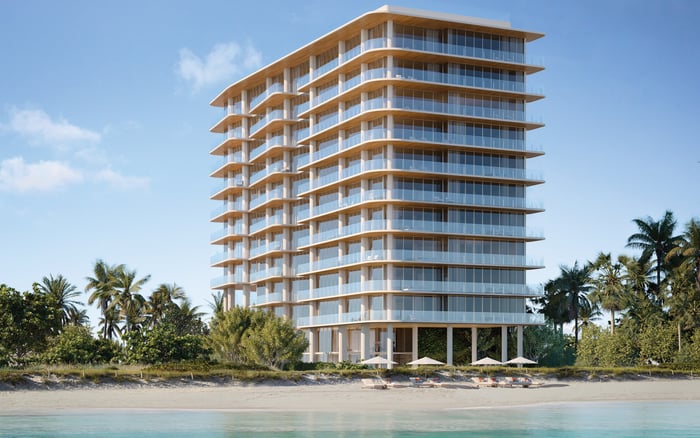
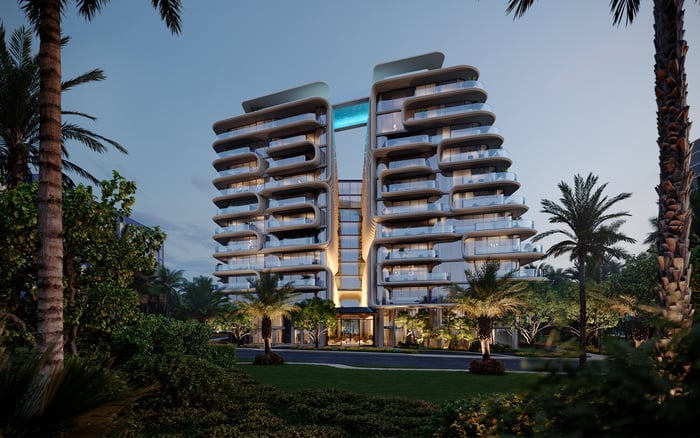
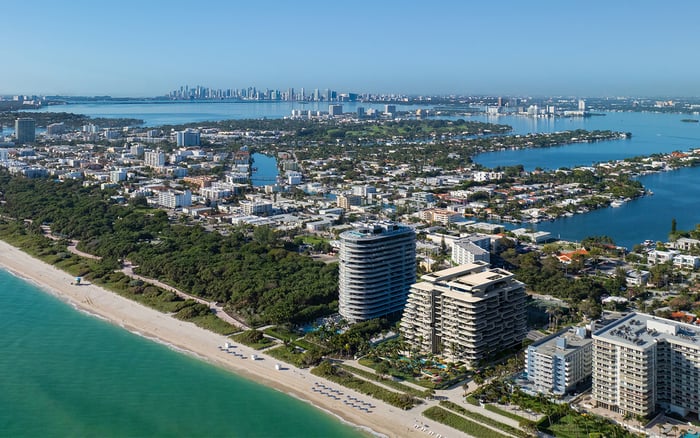
A discreet buyer’s analysis of how building culture influences luxury condominium value, comparing The Delmore Surfside with Forté on Flagler West Palm Beach through privacy, service, governance, resale liquidity, and daily calm.
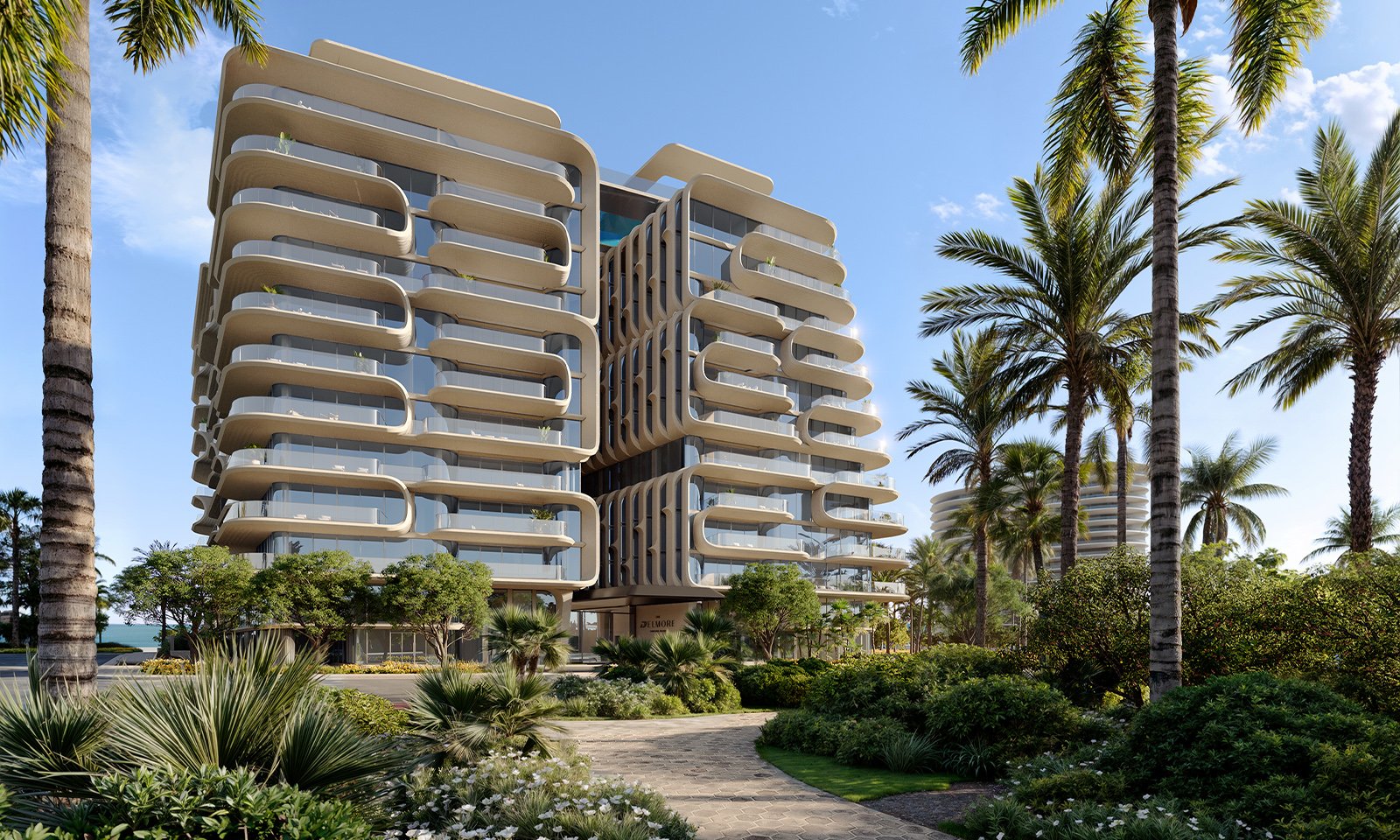
In the upper tier of South Florida condominium buying, the conversation has moved beyond finishes, views, and recognizable design language. Those elements still matter, but they do not fully explain why one building feels effortless while another feels busy, why one ownership experience compounds in reputation while another becomes merely transactional, or why certain residences feel easier to resell when the moment arrives.
The missing variable is building culture. For sophisticated buyers, it is no longer a soft lifestyle preference. It is a due-diligence category that belongs beside location, construction quality, governance, and long-term value. Building culture includes the norms of ownership, the resident profile, the service ethos, the operating standards, and the original design intent. It is what turns a luxury condominium from a beautiful object into a stable daily environment.
That lens is especially useful when comparing The Delmore Surfside and Forté on Flagler West Palm Beach. They represent two distinct luxury-condo environments: Surfside through a boutique, privacy-oriented coastal framework, and West Palm Beach through a waterfront tower context where service standards, neighborhood momentum, and resident experience are central to value perception.
The Delmore Surfside is the Surfside anchor for this comparison, and its relevance is less about spectacle than restraint. In a market where many buyers are trying to reduce friction, Surfside offers a setting that naturally supports privacy, calm, and a quieter rhythm of daily life. The Delmore Surfside fits that discussion as the boutique side of the case study.
For a buyer, this kind of building culture begins with atmosphere. Does the property feel composed when residents arrive home? Are the common areas designed and managed for ease rather than performance? Is movement through the building calm, intuitive, and lightly social rather than crowded or anonymous? These questions may sound subjective, but they influence how owners use their homes and how confidently future buyers perceive the asset.
In Surfside, privacy is not simply the absence of noise. It is a value signal. A building that protects resident discretion can attract buyers who prioritize low-friction luxury living, predictable governance, and a sense of retreat. That can support a durable identity in the resale market because the building is not trying to be everything to everyone. Its appeal is concentrated, and concentration can be powerful when matched with the right buyer pool.
The Delmore Surfside also illustrates why daily calm is not separate from value. A residence may have strong design credentials, but if the lived experience feels overprogrammed or operationally inconsistent, the emotional premium can fade. Conversely, when a building’s culture aligns with privacy and ease, owners can experience the property as a sanctuary rather than an obligation.
Forté on Flagler West Palm Beach anchors the other side of the comparison. Here, the focus shifts toward a West Palm Beach waterfront tower environment, where service standards, resident experience, and neighborhood momentum become part of the ownership thesis. Forté on Flagler West Palm Beach belongs in the conversation because it shows how a building can participate in a broader urban and waterfront evolution while still offering a controlled residential experience.
In West Palm Beach, luxury condominium culture is closely tied to operations. The buyer is not only asking whether the building is attractive, but whether it is run with consistency. Service culture becomes part of the architecture. Staff presence, operational tone, governance expectations, and the way residents share amenities all contribute to the building’s reputation.
This is where West Palm Beach momentum differs from the Surfside privacy narrative. A waterfront tower can benefit from the energy around it, but only if the building protects owners from the downsides of that energy. The best culture in this context creates a buffer: connected to neighborhood life, yet composed once residents cross the threshold.
That distinction matters for investment thinking as well. Buyers assessing Forté on Flagler are not simply evaluating a residence on the water. They are evaluating whether the property’s operating culture can remain legible and desirable over time. In luxury resale, buyers often make decisions quickly once a building’s reputation is clear. A strong service ethos can reduce uncertainty, while inconsistent norms can create hesitation.
Neighborhood momentum is often discussed in terms of restaurants, retail, offices, arts, and infrastructure. For ultra-premium residential buyers, however, the building itself can either amplify or dilute that momentum. A well-run property becomes a private expression of the neighborhood’s best qualities. A poorly aligned one can make even a strong location feel less compelling.
In Surfside, The Delmore Surfside draws its cultural strength from discretion. The neighborhood context supports the idea of luxury as privacy, and the building’s identity can reinforce that. The result is a more inward form of momentum, where desirability is sustained by consistency, scarcity of atmosphere, and a clear sense of whom the building serves.
In West Palm Beach, Forté on Flagler West Palm Beach reflects a more outward-facing momentum. The waterfront context and tower format invite buyers to think about the surrounding area’s energy, yet the building’s culture must still preserve a refined residential tone. If the neighborhood is moving, the building must move with it without becoming restless.
This is why buyers should not separate neighborhood analysis from building analysis. The two are intertwined. A strong location can introduce demand, but building culture determines whether that demand translates into lasting owner satisfaction and confident buyer interest at resale.
Resale liquidity is often misunderstood as a function of price alone. In the luxury segment, liquidity also depends on clarity. Future buyers need to understand what a building stands for, who it attracts, how it operates, and whether the living experience matches the asking price. A property with a coherent culture can be easier to explain, easier to tour, and easier for buyers to internalize.
The Delmore Surfside may appeal to a buyer who wants calm, privacy, and a more measured residential environment. Forté on Flagler West Palm Beach may appeal to a buyer who wants a waterfront tower experience with service-led standards and a connection to West Palm Beach momentum. Neither culture is inherently superior. Each must be judged by fit, execution, and consistency.
For resale, that fit is crucial. A building that attracts a defined buyer profile can benefit from a cleaner narrative when residences return to market. Brokers, owners, and buyers do not have to invent the story each time. The building already has one.
The most useful questions are practical. How does the building feel at different times of day? Are the service standards consistent? Do residents appear aligned in how they use the property? Is governance oriented toward preservation of quality, or toward constant reinvention? Does the design intent still guide the operating experience?
For The Delmore Surfside, the buyer should test whether the promise of privacy and daily calm is visible in the building’s routines. For Forté on Flagler West Palm Beach, the buyer should test whether service culture and waterfront living feel integrated rather than merely adjacent.
In both cases, the goal is not to find the loudest luxury. It is to find the most durable one. The best building culture disappears into daily life because it works. It protects time, reduces friction, and gives owners confidence that the property’s identity will remain desirable when the market becomes more selective.
What does building culture mean in luxury real estate? It means the shared operating identity of a building, including governance, resident profile, service ethos, standards, and design intent.
Why compare The Delmore Surfside with Forté on Flagler West Palm Beach? They frame two different South Florida luxury-condo environments: Surfside privacy and West Palm Beach waterfront tower living.
Is building culture really a value factor? Yes. It can influence buyer confidence, daily satisfaction, reputation, and the clarity of a future resale story.
How does The Delmore Surfside fit the Surfside market? The Delmore Surfside supports a discussion of privacy, calm, and low-friction luxury within Surfside.
How does Forté on Flagler West Palm Beach fit its market? Forté on Flagler West Palm Beach frames service standards, resident experience, waterfront value, and neighborhood momentum.
Which is better for a buyer seeking daily calm? The answer depends on temperament. Surfside may feel more retreat-oriented, while West Palm Beach may suit buyers wanting service and connection.
Can building culture affect resale liquidity? A coherent culture can make a building easier to understand and position when a residence returns to market.
What should buyers observe during a private tour? They should watch arrival sequence, staff tone, amenity use, noise levels, resident flow, and the overall sense of order.
Is boutique living always quieter than tower living? Not always. Quiet depends on governance, resident behavior, staffing, and design intent, not only building scale.
What is the best way to shortlist comparable options for touring? Start with location fit, delivery status, and daily lifestyle priorities, then compare stacks and elevations to validate views and privacy.
For a tailored shortlist and next-step guidance, connect with MILLION.
If branded residences are on your mind — as a home or as an allocation — we would be glad to share what we are seeing, privately.
Begin a quiet conversation