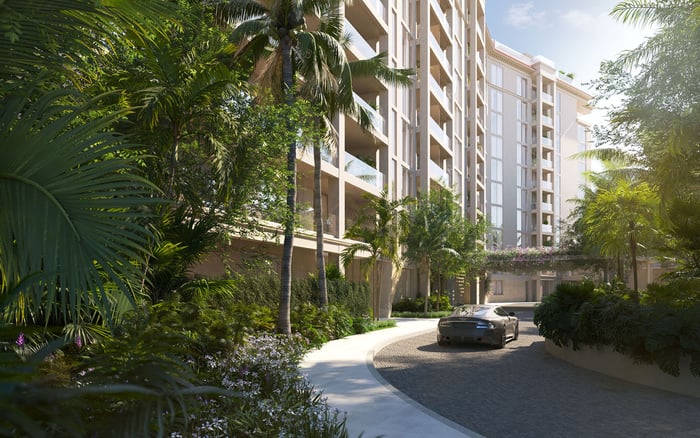
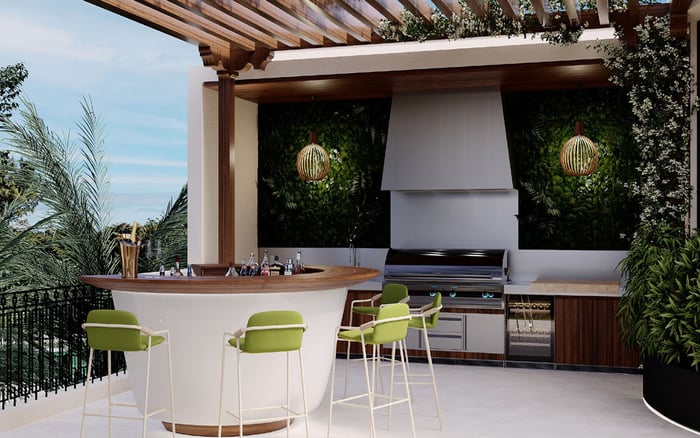
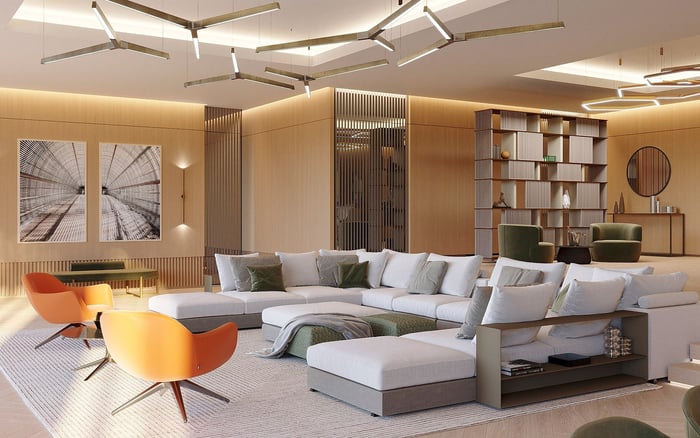
A buyer-focused framework for assessing privacy at Palazzo del Sol, from view corridors and elevator arrivals to daily movement through shared amenities.
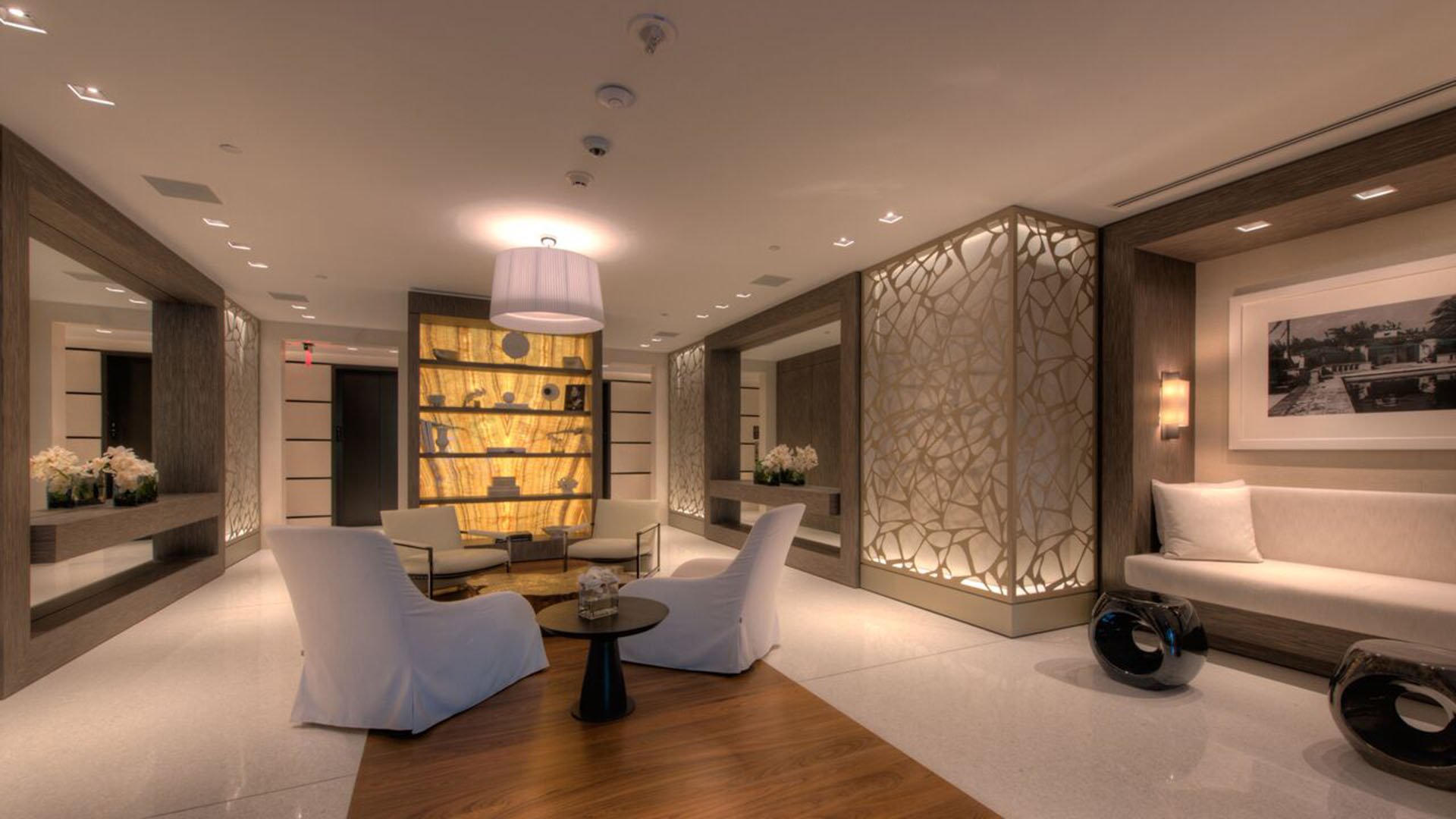
At Palazzo del Sol, the most useful privacy question is not simply whether a residence faces the water. It is how exposure shifts throughout the experience-from arrival and elevator access to terrace use, evening interiors, and movement through shared spaces.
For buyers searching Palazzo del Sol Fisher Island, privacy should be assessed as a sequence of thresholds. A compelling water view can coexist with oblique views from another residence, while a discreet elevator arrival can be undermined by a busy route to frequently used amenities. A rigorous evaluation therefore connects architecture, circulation, landscaping, furniture placement, and the household’s daily habits.
This is particularly important in a waterfront setting, where glass, terraces, and open outlooks are central to the appeal. Transparency brings light and visual depth, but it also demands a more exacting review of angles, reflections, and activity beyond the residence.
Begin in the principal living areas and look outward from several positions. Stand near the glazing, sit where a sofa or dining table would likely be placed, and test the view along the expected path between interior rooms and the terrace. Privacy can change dramatically within only a few steps.
Next, reverse the exercise. Consider what may be visible from neighboring terraces, approach routes, landscaped areas, and shared spaces. Direct facing conditions are easy to notice; diagonal and downward angles are more easily overlooked. Corner glazing, terrace depth, railings, and interior lighting can all alter the practical result without changing the broader view.
Bedrooms and baths warrant a separate review. Buyers should consider normal nighttime use, not just the conditions of a daytime showing. Window treatments can manage exposure, but they may also diminish the openness that initially attracted the buyer. The ideal decision balances enjoyment of the view with the degree of screening a household is genuinely willing to use.
A second visit after sunset is especially valuable. Interior illumination can transform reflective glass into a more transparent surface, changing both outward views and perceived exposure.
Elevator privacy has several layers: who can reach the residential level, where the doors open, what is visible at that moment, and how residents, guests, staff, and deliveries proceed afterward. Buyers should walk the full sequence rather than treat elevator terminology as a substitute for direct observation.
At the residence, note whether the opening elevator reveals a foyer, art wall, living space, or deeper interior axis. Ask how guest access is authorized and unexpected arrivals are handled. Confirm current operating procedures, as access practices may differ from assumptions formed during a brief tour.
Service circulation matters just as much. Trace the routes used for deliveries, household staff, maintenance, luggage, and refuse. The objective is not complete separation at every moment, but a predictable pattern that protects the principal arrival experience and prevents operational activity from becoming visually or acoustically intrusive.
Buyers comparing Fisher Island options may also tour Palazzo della Luna. The purpose is not to assume one model is superior, but to identify which arrival sequence feels most natural for the household.
Amenity privacy depends on adjacency and frequency. A path that appears quiet during a private appointment may feel different when residents are moving among elevators, social areas, recreation, and outdoor spaces. Request opportunities to observe circulation at more than one time of day, subject to building access and resident privacy.
Map the route from the residence to the spaces the household expects to use most. Count decision points, doorways, waiting areas, and places where paths intersect. Consider whether swimwear, sports equipment, children, guests, or pets affect how comfortable that journey feels.
Noise should be evaluated alongside visibility. Elevator chimes, closing doors, conversations near a threshold, rolling carts, and activity around access points can influence privacy even when no direct sightline exists. Inside the residence, pause near the entry, bedrooms, and terrace doors rather than relying on conversation during the tour.
For a broader Fisher Island comparison, The Residences at Six Fisher Island and The Links Estates at Fisher Island can be included in a buyer’s viewing schedule. Touring alternatives helps clarify personal priorities around vertical living, arrival ritual, outdoor exposure, and shared-space circulation without presuming that project names alone determine privacy.
Privacy varies by residence, orientation, elevation, interior plan, furnishings, and surrounding conditions. A buyer should assemble a focused file containing the current floor plan, terrace configuration, relevant disclosure materials, access rules, and written answers to operational questions. Legal and technical professionals should review documents within their respective disciplines.
Photograph or sketch view angles only where permitted. Record observations from the entry, primary seating positions, bedrooms, baths, terrace, and elevator threshold. Note the time, weather, lighting, and whether window coverings were open. This turns an emotional impression into a decision record that can be revisited after the tour.
Resale buyers should also distinguish permanent architectural conditions from changeable elements. Furniture, planting, shades, and lighting can often improve discretion. Building geometry, neighboring exposure, and circulation routes are less flexible. The budget should reflect that distinction.
The central principle is simple: test the lived experience, not merely the presentation. A private home should remain comfortable during ordinary routines, not only during a carefully timed showing.
Seek clarity on elevator authorization, guest entry, delivery procedures, service access, amenity hours, terrace rules, window-treatment constraints, and any planned work that could affect circulation or views. Responses should be checked against governing documents where appropriate.
Then conduct a final walk-through focused exclusively on privacy. Avoid discussing finishes or pricing during this pass. Move slowly from arrival to residence, from interior to terrace, and from the residence to the amenities most likely to be used. The right result is highly personal: one buyer may prioritize visual seclusion, while another values an effortless route for family and guests.
Does a waterfront view automatically provide privacy? No. Open-water exposure may enhance outlooks, but diagonal, terrace, and ground-level sightlines still require review.
Why should buyers sit down when testing views? Seated positions often reveal different angles than standing at the glass and better reflect everyday use.
Is a daytime tour sufficient? Usually not. Evening lighting and reflections can materially change how exposed an interior feels.
What should buyers inspect at the elevator? Review access control, the door-opening view, waiting areas, guest procedures, and nearby service movement.
Why trace delivery and staff routes? Operational circulation can affect noise, convenience, and the discretion of the principal arrival sequence.
How can amenity flow affect a residence? Intersecting routes may increase foot traffic, conversation, door noise, or casual visibility near a home.
Should terrace privacy be assessed separately? Yes. Test seated and standing positions, neighboring angles, railings, lighting, and likely furniture placement.
Which privacy features can be changed? Shades, planting, furniture, and lighting may help, while building geometry and circulation are less adaptable.
What documents deserve professional review? Buyers should examine current plans, governing documents, disclosures, access rules, and relevant restrictions.
What is the best final privacy check? Rewalk the complete daily sequence at realistic hours and record concerns before contractual deadlines.
For a discreet conversation and a curated building-by-building shortlist, connect with MILLION.
If branded residences are on your mind — as a home or as an allocation — we would be glad to share what we are seeing, privately.
Begin a quiet conversation