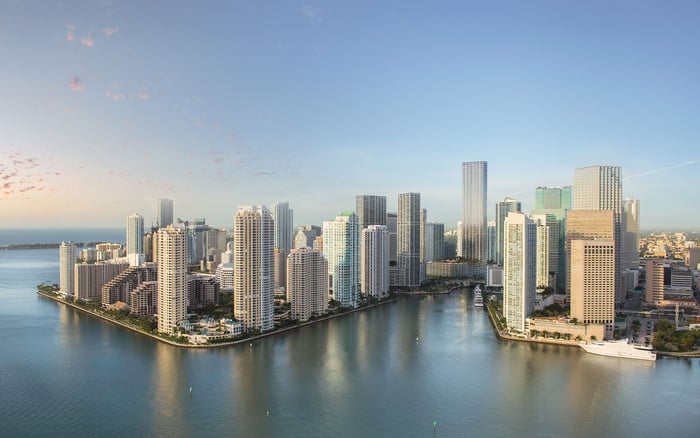
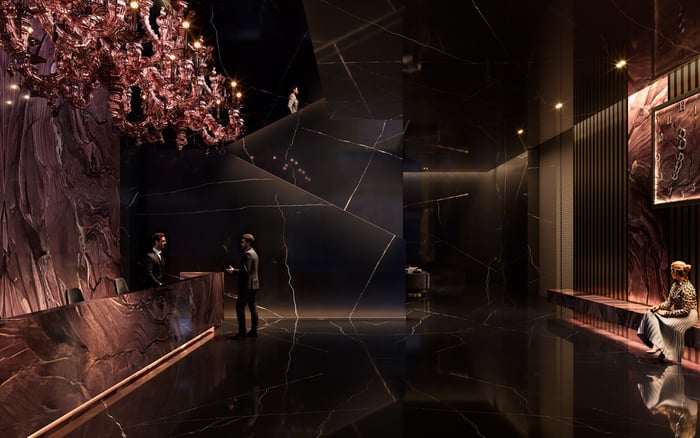
A buyer-focused look at the recurring-cost questions that matter most at 888 Brickell by Dolce & Gabbana, from staffing and reserves to brand fees and shared-facility allocations.

888 Brickell by Dolce & Gabbana is not being discussed like an ordinary condominium. It is a luxury branded residential project in Miami’s Brickell neighborhood, shaped around high design, hospitality-influenced living, and a lifestyle language that feels closer to a private hotel than a conventional tower. That is exactly why the financial questions matter.
For buyers drawn to 888 Brickell by Dolce & Gabbana, the first layer of due diligence should not be the finish palette or the amenity imagery. It should be the monthly service charges, condominium fees, association fees, and operating assumptions that convert the brand experience into a recurring ownership cost. The more elevated the service promise, the more important it becomes to understand who pays, how charges are allocated, and what can change after closing.
In Brickell, where buyers may also compare branded or service-forward towers such as Baccarat Residences Brickell and Cipriani Residences Brickell, the smartest conversation is not whether service is desirable. It is whether the cost of that service is transparent, durable, and aligned with the way an owner will actually use the building.
The key document is the latest pro forma operating budget. Buyers should request it early and read it line by line, preferably with legal and financial advisers who understand condominium governance and branded-residence structures. The central question is straightforward: which line items are estimates, and which are contractually fixed costs?
A polished sales presentation may show a complete lifestyle. The budget reveals whether that lifestyle is supported by staffing, insurance, utilities, maintenance contracts, management, reserves, and replacement assumptions. At a hospitality-influenced project, buyers should ask whether the pro forma includes concierge, security, valet, housekeeping-style services, amenity attendants, engineering, and management. If those roles are essential to the promised experience, they are also central to the recurring expense profile.
The operating budget should also be reviewed for reserves, insurance assumptions, labor costs, utility escalation, maintenance obligations, and replacement costs for luxury finishes. High-touch interiors and amenity areas may require more specialized upkeep than standard common areas. That does not make the model unattractive. It simply means the budget should be treated as a core investment document, not a back-office formality.
A central buyer question at 888 Brickell by Dolce & Gabbana is whether hospitality-style services are included in mandatory monthly charges or billed separately as user fees. This distinction can materially change how different owners experience the same building.
Mandatory charges socialize costs across the ownership base. À la carte services shift some expenses to the residents who use them. Neither approach is automatically better, but each has consequences. A buyer who values daily valet interaction, frequent guest services, and housekeeping-style support may prefer a robust included-service model. A more seasonal owner may care more about avoiding recurring charges for services used only occasionally.
This is why buyers should ask for a plain-language explanation of what the monthly charges cover, what is optional, and what can be modified by future management or association action. A service menu is not enough. The offering documents, agreements, and budget should show whether specific services are mandatory, discretionary, owner-paid, association-paid, or billed through another entity.
The same discipline applies across Brickell’s broader luxury landscape. When comparing St. Regis® Residences Brickell or The Residences at 1428 Brickell, buyers should resist shorthand comparisons based only on amenities. The real comparison is operating architecture: staffing intensity, cost allocation, service standards, reserves, and control over future increases.
Because 888 Brickell by Dolce & Gabbana is a branded project, buyers should clarify whether any brand, design, licensing, management, or service-standard fees tied to Dolce & Gabbana are paid by the association, individual owners, the developer, or another entity. This is not a hostile question. It is a sophisticated one.
A brand can add value through identity, design discipline, and service expectations. But brand standards can also influence operating costs. If a certain level of presentation must be maintained in the lobby, amenity areas, uniforms, staffing protocols, furnishings, or service delivery, buyers should understand whether the association is obligated to fund those standards and how those obligations may evolve.
Ask to review all management agreements, shared-facility agreements, easements, brand agreements, and cost-sharing formulas that affect recurring charges. If the project involves shared amenities or any mixed-use elements, the allocation language becomes especially important. Lobbies, elevators, security, utilities, insurance, maintenance, and amenity operations may serve more than one component of a building. The ownership documents should explain how those costs are divided.
Luxury buyers often focus on access. The more important question may be reciprocal access. If any hotel-style or public-facing spaces exist, can they use amenities that residential owners help fund? If so, how is that use charged back, limited, scheduled, insured, and maintained?
Residential owners should not be left to guess whether they are subsidizing costs connected to hotel, retail, restaurant, club, or branded-service operations. Counsel should review the documents for cost-sharing formulas, easements, rights of use, and management discretion. The goal is not to remove complexity. In a sophisticated mixed or service-rich environment, complexity may be part of the structure. The goal is to make the economics visible before contract obligations become permanent.
This point is particularly relevant for a pre-construction purchase, where a buyer may be evaluating the promise of a completed building before its operating history exists. In that setting, first-year budgets deserve special scrutiny. Buyers should ask what happens if the initial budget is insufficient. Does the developer cover a shortfall, does the association absorb it, or do owners face an increase or assessment?
At the ultra-luxury level, recurring ownership costs are likely to be driven by service level, staffing intensity, amenities, insurance, and brand-standard upkeep. For that reason, buyers should ask how increases in service charges are governed. Are increases capped, indexed, board-controlled, manager-controlled, or subject to owner approval?
The distinction matters. A beautifully written service promise can become expensive if management has broad discretion to expand staffing or upgrade standards without meaningful owner oversight. Conversely, a rigid cap can be problematic if it prevents the association from maintaining the level of care the building requires. The strongest answer is not necessarily the lowest number. It is a structure that balances quality, predictability, and governance.
For some buyers, 888 Brickell by Dolce & Gabbana will read as a Top Project because it pairs brand identity with the vertical energy of Brickell. The ownership decision, however, should be measured by more than design magnetism. Ask for the budget, the agreements, the fee schedules, the reserve assumptions, and the rules for future changes. In branded real estate, elegance is most persuasive when the operating model is equally refined.
What should buyers ask first about 888 Brickell by Dolce & Gabbana? Start with how monthly service charges, condominium fees, and association fees are calculated, then compare that answer against the pro forma operating budget.
Why is the operating budget so important? It shows how the building expects to pay for staffing, management, utilities, insurance, reserves, maintenance, and luxury-finish replacement.
Are hospitality-style services always included in monthly charges? Not necessarily. Buyers should ask which services are mandatory, which are optional, and which are billed as à la carte user fees.
Who pays for brand-related fees? Buyers should clarify whether brand, design, licensing, management, or service-standard fees are paid by owners, the association, the developer, or another entity.
What shared-facility questions matter most? Ask how lobbies, elevators, security, utilities, insurance, maintenance, and amenities are allocated if more than one building component uses them.
Could residential owners subsidize nonresidential operations? Legal counsel should review whether owners could carry costs tied to hotel, retail, restaurant, club, or branded-service operations.
What happens if the first-year budget is too low? Buyers should ask whether a shortfall is covered by the developer, association, or owners, and whether it could trigger increases or assessments.
Can service charges rise after closing? They can change depending on the governing documents, so buyers should ask whether increases are capped, indexed, board-controlled, manager-controlled, or owner-approved.
Is the lowest monthly fee always better? No. A low fee can be less compelling if it does not adequately fund staffing, reserves, insurance, maintenance, and the service level promised.
Why does this matter in Brickell? Brickell buyers often compare highly amenitized residences, so understanding operating economics helps separate lifestyle appeal from long-term ownership cost.
If you'd like a private walkthrough and a curated shortlist, connect with MILLION.
If branded residences are on your mind — as a home or as an allocation — we would be glad to share what we are seeing, privately.
Begin a quiet conversation