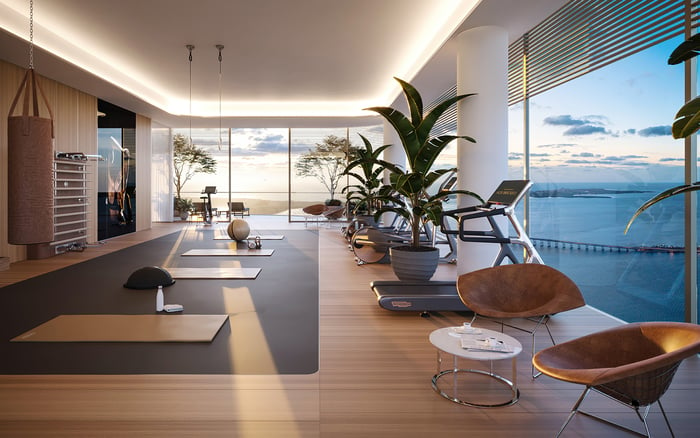
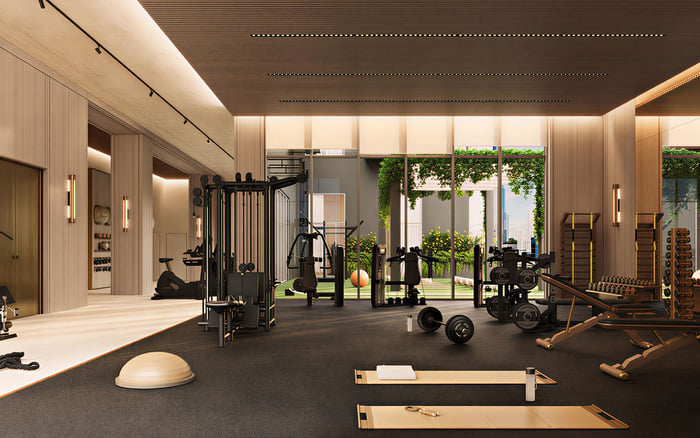
A buyer-focused framework for assessing wellness programming at Colette Residences Brickell before contract, with emphasis on governance, access, operating costs, privacy, and long-term value.
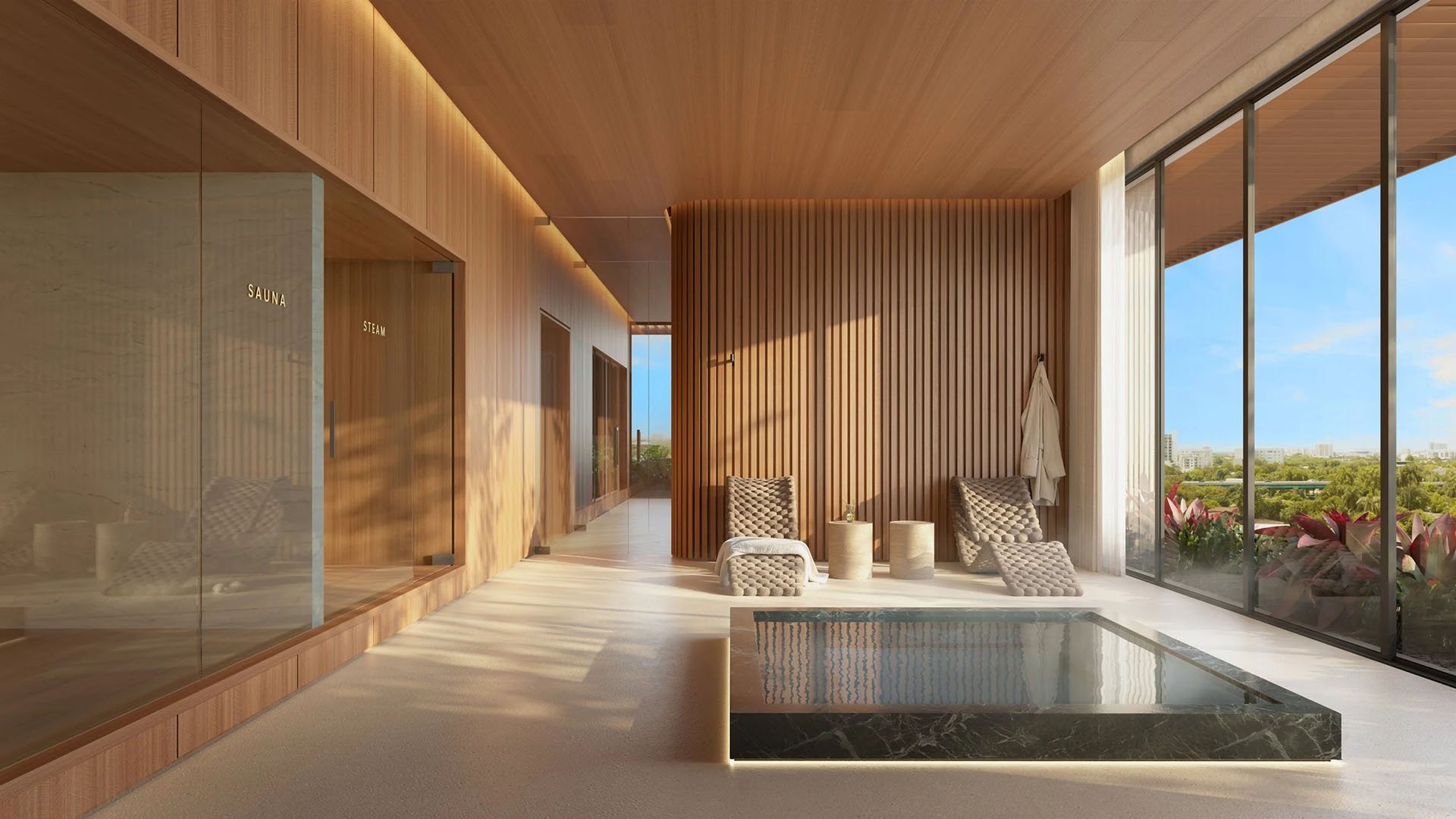
In the upper tier of South Florida residential real estate, wellness is no longer a decorative amenity category. It now helps define daily life, service culture, privacy, and long-term relevance. For buyers evaluating Colette Residences Brickell before contract, the essential question is not whether the wellness offering sounds impressive. It is whether the program will be usable, durable, well governed, and aligned with the way you actually intend to live.
Brickell buyers are especially fluent in amenities. They have seen fitness rooms, spa suites, pools, saunas, treatment rooms, outdoor terraces, recovery spaces, and hospitality-style programming across a wide range of New-construction and Pre-construction residences. Serious due diligence separates true programming from a collection of rooms. A gym is a place. Wellness programming is an operating system.
That distinction matters for Investment logic as much as personal enjoyment. A buyer comparing Brickell opportunities may weigh New-construction finish timelines, Pre-construction deposit structure, Investment horizon, Pool programming, and Pets policies in the same conversation. Wellness can elevate the ownership experience, but only when access, staffing, costs, and rules are clearly understood before signing.
Renderings can suggest atmosphere, but contracts and governing documents shape reality. Before focusing on finishes, ask how often you would use each wellness component and what would make it frictionless. A lap swim before the market opens, a quiet stretch session after travel, a private treatment on short notice, or a family-friendly weekend routine all require different operating rules.
Create a personal use map. Identify daily, weekly, seasonal, and occasional wellness needs. Then compare that map against the building’s stated spaces and services. If the most compelling amenity is something you would rarely use, it may still support resale, but it should not drive the decision. Conversely, a smaller wellness environment that is calm, bookable, and thoughtfully staffed can outperform a larger space that feels crowded or ambiguous.
For Brickell residents, time is a premium asset. Wellness programming should reduce complexity, not add another scheduling layer. Ask whether the program is designed for residents who live in the building full time, owners who travel frequently, or a mixed profile of primary residences, second homes, and pied-a-terre use.
A refined wellness program usually has two sides: physical infrastructure and human execution. Infrastructure includes the fitness environment, water features, recovery areas, locker or changing spaces, treatment rooms, outdoor wellness areas, and circulation. Execution includes staffing, booking, instructor access, cleaning rhythm, maintenance standards, and resident communication.
Before contract, request clarity on what is included in regular residential operations and what may be offered at an additional cost. Private training, spa treatments, group classes, wellness consultations, and special events may be structured differently. The point is not to object to paid services. In luxury living, a la carte service can be appropriate. The point is to understand what the base ownership experience includes and what depends on future operational decisions.
Also ask whether programming is expected to be recurring, seasonal, resident-led, third-party managed, or overseen by the building’s operations team. A wellness calendar that depends on informal momentum may look appealing at launch but fade over time. A stronger structure has accountability, budget discipline, and a clear path for adjustment.
Luxury wellness is highly sensitive to crowding. An elegant space can lose its appeal if it is difficult to reserve, overrun at peak hours, or open to too many guest categories. Buyers should ask how capacity will be managed and whether any spaces require reservations. If treatment rooms, private studios, or outdoor wellness areas are part of the concept, learn how booking priority works.
Guest rules deserve particular attention. Can residents bring guests to fitness or spa areas? Are short-term visitors, family members, domestic staff, or wellness professionals treated differently? Are there quiet hours? Are children permitted in certain spaces? The answers affect both lifestyle and value perception.
Privacy is equally important. In Brickell, the wellness routine of a principal, executive, or public-facing owner may require discretion. Ask how circulation is handled, whether residents pass through high-traffic areas to reach wellness spaces, and how staff will preserve confidentiality. The best buildings make privacy feel effortless rather than defensive.
Wellness programming is never cost-free. Even when access is included, the association or operating budget must support staffing, cleaning, equipment replacement, insurance, utilities, and vendor relationships. Before contract, buyers should examine how wellness-related expenses are expected to be carried and whether any special fees, use fees, or future adjustments are contemplated.
This is where a sophisticated buyer thinks beyond the first year. Equipment ages. Spa rooms require upkeep. Water features need care. Programming must evolve. A strong wellness concept should have a maintenance philosophy as well as a launch story. Ask what level of service is intended to be protected over time and how changes would be approved.
The goal is not to reduce every amenity to a line item. Rather, it is to understand whether the building’s wellness identity is financially realistic. In a luxury residence, underfunded wellness can become more disappointing than no wellness at all.
A building’s documents and rules can determine whether wellness remains serene or becomes contested. Buyers should review how amenity rules are created, amended, and enforced. Consider whether there are standards for noise, attire, guest access, cancellations, private instruction, food and beverage, photography, pets near wellness areas, and after-hours use.
For example, a Pool environment can function as a social amenity, a family amenity, or a wellness amenity depending on hours, seating, music, service, and conduct. None of those identities is inherently superior, but the buyer should know which one is being promised. If a residence markets tranquility while operating like a club, expectations can diverge quickly.
Pets can also intersect with wellness in subtle ways. A pet-friendly building may be entirely compatible with a serene wellness program, but rules should define circulation, elevator etiquette, outdoor areas, and cleaning standards. Precision protects both pet owners and residents seeking quiet.
Wellness language evolves. Today’s recovery suite, meditation room, or biohacking concept may feel different in five years. The enduring value lies in adaptable, well-proportioned spaces and operating flexibility. Buyers should favor wellness areas that can support multiple uses over time rather than highly specialized rooms that require a narrow trend to remain relevant.
For resale, the strongest wellness attributes are often simple: light, air, water, privacy, convenience, and service consistency. A buyer should ask whether the wellness program complements the architecture and residential rhythm or feels like a marketing layer added late in the conversation. In Brickell, where buyers are sophisticated and comparison shopping is intense, authenticity matters.
Colette Residences Brickell should therefore be evaluated through a practical lens: what is promised, what is documented, what is staffed, what is funded, and what will remain compelling after the novelty fades. If the wellness program can answer those questions clearly, it becomes part of the residence’s value architecture rather than a decorative amenity claim.
What should I ask about wellness programming before signing a contract? Ask what is included, what costs extra, how reservations work, who manages programming, and how rules can change after closing.
Is a large wellness area always better? No. Layout, privacy, capacity management, staffing, and maintenance often matter more than square footage alone.
How can I tell if wellness programming is real or just marketing? Look for operating details: staffing, recurring services, budget support, booking systems, guest rules, and written standards.
Should wellness amenities influence resale value? They can, especially when they are practical, well maintained, and aligned with buyer expectations in the submarket.
What wellness costs should I review? Review association expenses, service fees, equipment replacement, staffing assumptions, vendor costs, and any use-based charges.
Why do guest rules matter? Guest policies shape privacy, crowding, security, and the overall atmosphere of fitness, spa, pool, and recovery spaces.
How should investors evaluate wellness programming? Focus on durability, operating clarity, and whether the amenities support long-term desirability rather than short-term novelty.
Can wellness rules change after purchase? Many building rules can evolve through the association or operating structure, so buyers should understand approval rights and procedures.
What is the most overlooked wellness question? Buyers often forget to ask who will be accountable for keeping the program active, consistent, and financially supported over time.
What is the best way to shortlist comparable options for touring? Start with location fit, delivery status, and daily lifestyle priorities, then compare stacks and elevations to validate views and privacy.
For a confidential assessment and a building-by-building shortlist, connect with MILLION.
If branded residences are on your mind — as a home or as an allocation — we would be glad to share what we are seeing, privately.
Begin a quiet conversation