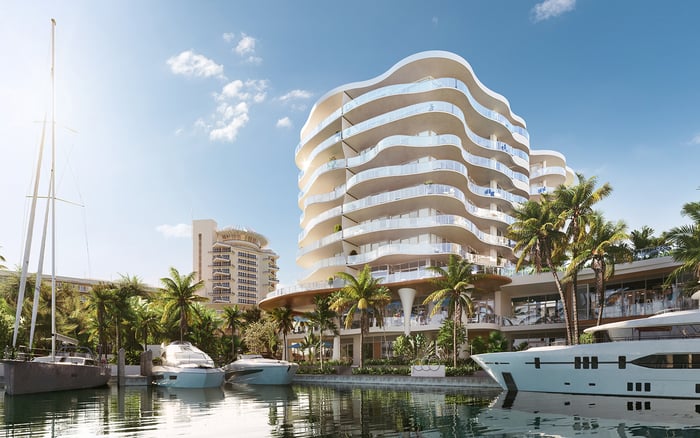
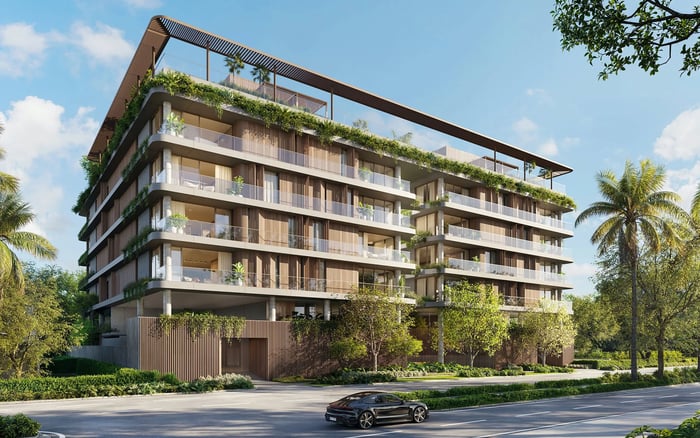
A discreet buyer’s guide to treating seawall condition as serious pre-contract due diligence at Colette Residences Brickell, with emphasis on professional engineering review, testing scope, and contract strategy.

For buyers studying Colette Residences Brickell, seawall condition should be treated as a pre-contract due diligence question, not assumed away. The distinction matters. A disciplined buyer is not alleging a defect or presuming a specific shoreline condition. The buyer is asking whether any waterfront or shoreline infrastructure relevant to the acquisition has been reviewed with the same seriousness applied to title, association documents, budget obligations, construction specifications, and closing mechanics.
In South Florida luxury real estate, seawalls are not cosmetic features. Where they exist, they are part of the protective system that helps waterfront properties respond to storm surge, tidal flooding, and erosion. That makes them material to risk, maintenance planning, future capital exposure, and negotiation leverage. A residence may offer extraordinary views and an impeccable lifestyle narrative, but sophisticated ownership begins with understanding the physical systems that support the asset.
This is especially important before a buyer enters a binding purchase contract. Once a contract is signed, the buyer’s rights depend on the exact language of inspection periods, contingencies, document review provisions, repair obligations, credits, and termination rights. Seawall questions may begin as technical concerns, but they can become contract issues quickly.
The appropriate posture is cautious and precise: if shoreline infrastructure is part of the property, common elements, adjacent improvements, or shared maintenance framework, the buyer should understand its condition before proceeding. That is different from stating that a seawall exists at Colette Residences Brickell, that it has a problem, or that repairs are pending. Those conclusions require specific documentation and professional verification.
A buyer comparing Brickell residences such as 2200 Brickell, Baccarat Residences Brickell, and Colette should maintain the same standard across the market: waterfront exposure, structural systems, association responsibilities, and long-term maintenance obligations should be understood before emotional momentum overtakes diligence.
The goal is not to turn every luxury acquisition into an engineering seminar. The goal is to know which questions deserve professional answers. New-construction and pre-construction buyers often focus on finishes, views, amenities, and deposit schedules. Those considerations matter, but they should sit alongside a more durable question: what infrastructure risk, if any, will the owner inherit directly or indirectly?
A general home inspection is not the preferred lead instrument for seawall review. The appropriate lead specialist is a qualified Florida professional engineer with marine, coastal, structural, or waterfront-property experience. That professional can define the inspection scope, identify visible symptoms, determine whether more specialized testing is warranted, and prepare written findings that the buyer’s counsel can use during negotiations.
In some cases, geotechnical input may also be appropriate. Subsurface conditions, soil stability, and foundation support can influence how shoreline infrastructure performs. A seawall is not just what can be seen from above grade or from the waterline. It is part of a broader relationship among concrete, reinforcing steel, retained soils, drainage, tiebacks where applicable, and adjacent structures.
Before retaining anyone, ask for clarity in writing. What methods will be used? What equipment is included? Will the work involve visual review only, or will measurements, photography, document review, and testing be part of the scope? What will the final deliverable include? Will the engineer provide observations only, or will the report classify urgency, recommend further evaluation, or identify repair considerations? These questions help prevent an expensive but vague walk-through from masquerading as serious due diligence.
A thorough seawall review begins with visual assessment, but it should not end there if conditions warrant deeper inquiry. The buyer’s team should consider documentation, measurements, repair history, and the professional’s recommendation regarding non-destructive or destructive testing. The more material the shoreline infrastructure is to the transaction, the more important it is to define the scope before the inspection period begins.
Concrete exposed to saltwater environments can deteriorate through chloride intrusion, carbonation, and reinforcing-steel corrosion. These conditions may be advancing before they become obvious to a layperson. Visible symptoms such as cracking, spalling, seepage, or movement can appear only after underlying deterioration has progressed. For a luxury buyer, the absence of dramatic surface distress should not be mistaken for a complete clearance.
The inspection should also review repair history where available. Prior repairs are not inherently negative. Well-documented maintenance may indicate responsible stewardship. Undocumented patches, inconsistent repairs, or limited access to maintenance records can create uncertainty. In a refined market, uncertainty has a price.
The same logic applies to waterview assets beyond Brickell, from bayfront settings to marina-oriented ownership. Whether a buyer is comparing Una Residences Brickell with other waterfront offerings or evaluating a different coastal address, the question is not merely how the view feels at sunset. It is whether the physical edge between land and water has been professionally understood.
Engineering information is only useful if it is translated into contractual protection. Buyers should obtain written reports from licensed professionals and have counsel incorporate relevant seawall findings into contingencies. Depending on timing and leverage, findings may support inspection contingencies, credits, seller repair obligations, price reductions, extended review periods, additional document requests, or a decision not to proceed.
This is where luxury representation becomes more than access. A strong advisory team coordinates the engineer, the buyer’s attorney, the contract calendar, and the negotiation strategy. A finding that sounds manageable in an engineering report may require precise legal language. A finding that appears modest may become significant if responsibility sits with an association, shared element, or future capital plan.
Buyers should also distinguish between immediate defects, deferred maintenance, and unknowns. An immediate concern may call for a specific repair condition. Deferred maintenance may influence price or reserve analysis. Unknowns may justify further testing or an exit right. Each category deserves a different response.
For investment-minded buyers, this discipline is not academic. Future liquidity, carrying costs, insurance dialogue, association budgeting, and resale perception can all be influenced by waterfront infrastructure confidence. A premium residence deserves premium diligence.
Before contract, buyers should ask whether any seawall, shoreline edge, or waterfront support system is relevant to the property or shared ownership structure. If the answer is yes, ask who maintains it, who pays for repairs, what records exist, and whether any professional inspection has been completed or should be commissioned during the diligence window.
The same buyer who carefully studies design pedigree at St. Regis® Residences Brickell should apply equal discipline to unseen risk. Views, service, and architecture shape lifestyle. Infrastructure shapes resilience.
A balcony may sell the dream. A contract protects the buyer. Between the two sits diligence, and seawall review is one of the quiet places where experienced buyers separate romance from risk.
Should every Colette Residences Brickell buyer order a seawall inspection? If shoreline infrastructure is relevant to the purchase, the buyer should evaluate it before entering a binding contract or during a clearly protected inspection period.
Does this mean Colette Residences Brickell has a seawall problem? No. The point is due diligence, not an allegation of a known defect or pending repair.
Who should inspect a seawall for a luxury buyer? A qualified Florida professional engineer with marine, coastal, structural, or waterfront-property experience is the preferred lead specialist.
When is geotechnical input useful? It may be useful when subsurface conditions, soil stability, or foundation support are relevant to understanding shoreline performance.
What visible warning signs matter most? Cracking, spalling, seepage, or movement may be important, but visible symptoms can appear after underlying deterioration has already advanced.
Is a general home inspection enough? Usually not for this purpose. Seawall review is specialized infrastructure diligence, not a routine cosmetic inspection.
What should be included in the inspection scope? The scope may include visual review, documentation, measurements, repair history, and, where warranted, non-destructive or destructive testing.
How can seawall findings affect negotiations? Findings can support contingencies, credits, repair obligations, price reductions, further review, or a decision not to proceed.
Should the report be verbal or written? Buyers should obtain written reports so counsel can incorporate relevant findings into contract strategy and contingencies.
What is the best way to shortlist comparable options for touring? Start with location fit, delivery status, and daily lifestyle priorities, then compare stacks and elevations to validate views and privacy.
For a confidential assessment and a building-by-building shortlist, connect with MILLION.
If branded residences are on your mind — as a home or as an allocation — we would be glad to share what we are seeing, privately.
Begin a quiet conversation