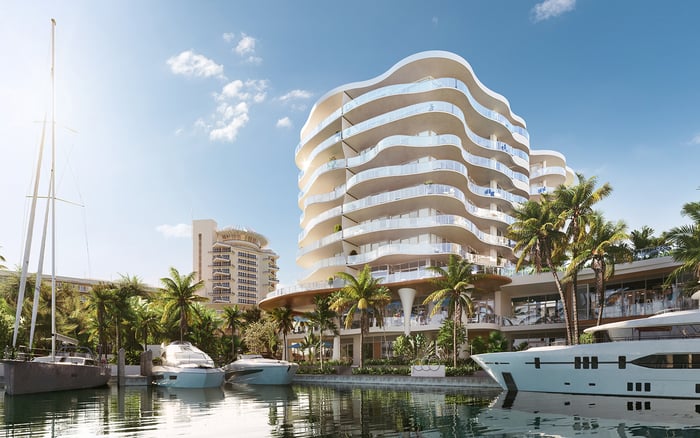
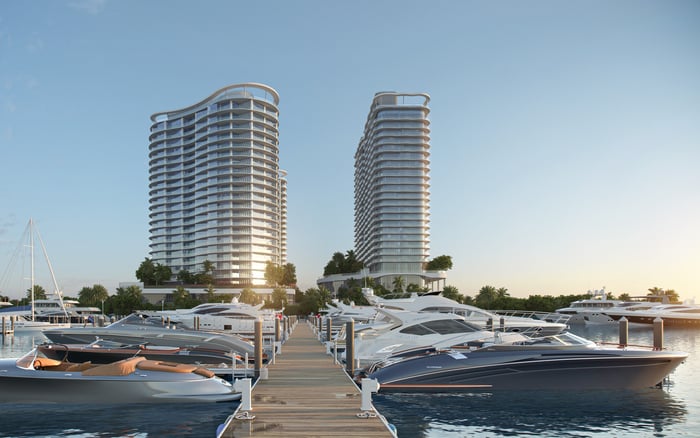
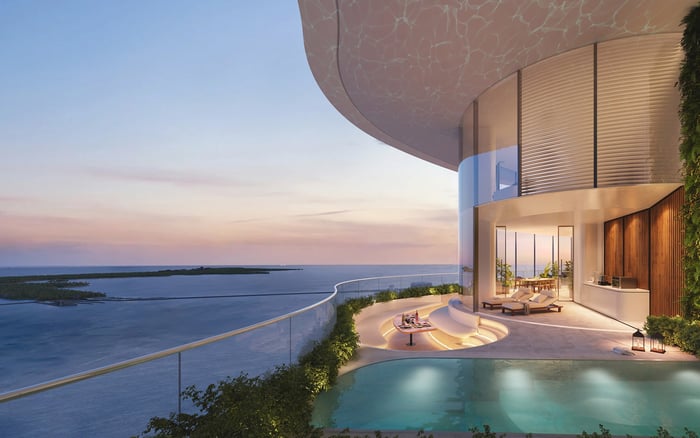
Fort Lauderdale’s Riverwalk and Miami’s evolving riverfront greenway both promise waterfront living without a boat, but they deliver it differently. For buyers, the distinction shows up in daily walkability, the feel of the public realm, and how directly a residence connects to the water’s edge. This MILLION Luxury comparison focuses on lifestyle outcomes and purchase considerations, from noise and privacy to resale story and long-term public investment.
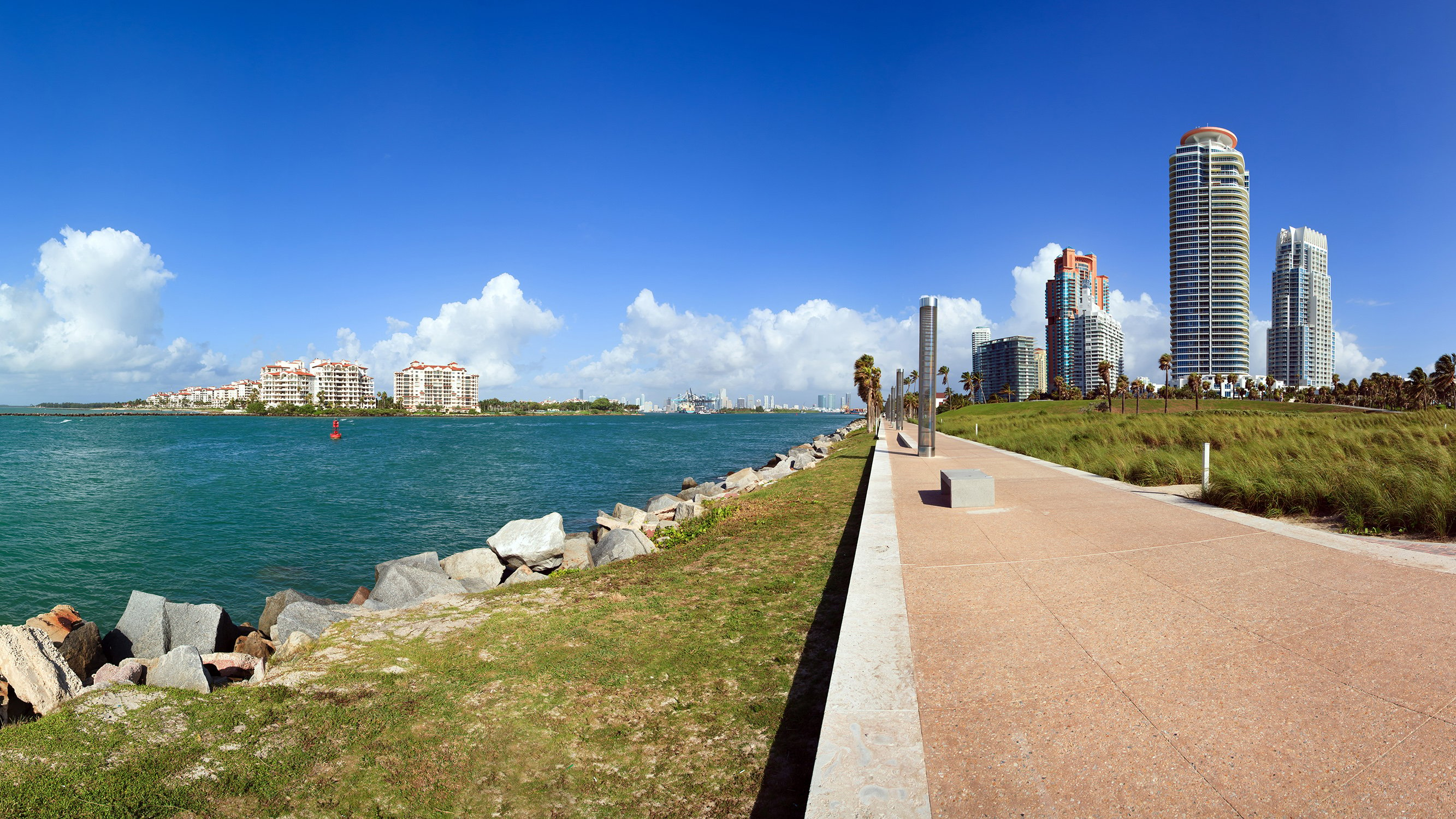
In South Florida, a waterfront address can mean many things: a view that photographs well, a dock you rarely use, or a public promenade that becomes your morning routine. “Direct Riverwalk access” in Fort Lauderdale is an unusually legible promise: step outside and the city’s signature riverfront spine is there-ready for a walk, a run, or a casual detour to dining.
Miami’s riverfront greenway concept, by contrast, is best viewed as an evolving framework rather than a single, continuous, finished promenade. Depending on where you are along the river, it can feel more urban, more episodic, and at times more improvisational. For buyers who want predictability, that distinction matters. For buyers who prefer a dynamic city edge, it can be the point.
This comparison is not about which city is “better.” It is about aligning how you live with the kind of waterfront access you are actually buying.
Fort Lauderdale’s riverfront experience tends to read as cohesive. The Riverwalk is the brand, the path is the product, and the lifestyle is intuitive even for first-time visitors. For a resident, that translates to lower friction: fewer decisions, fewer “dead ends,” and more confidence that your route works whether you have ten minutes before a meeting or an hour at sunset.
For luxury buyers, the most compelling Riverwalk-adjacent proposition is how it turns a high-value amenity into a default setting. You do not have to plan for it. It is not a special outing. It is simply the space between errands and social life.
When evaluating “direct access,” look beyond proximity and pressure-test three practical questions:
Do you have a true pedestrian connection from the building’s secure perimeter to the Riverwalk, or do you have to navigate driveways and service areas?
Is the Riverwalk edge activated where you are, or does it feel like a pass-through?
What is your buffer strategy-landscaping, elevation, or architectural screening-that keeps the public realm enjoyable without making it intrusive?
In Fort-lauderdale, many buyers also like that riverfront living can deliver a yachting-adjacent sensibility without requiring boat ownership. Even when a building includes a Marina component in the neighborhood ecosystem, the Riverwalk itself remains the everyday luxury.
Miami’s riverfront “greenway” idea tends to feel more like a set of connections across a working, urban river than a single unified promenade. That can be energizing, especially for buyers who prize momentum and architectural variety. It is also more sensitive to micro-location: one block can feel serene and landscaped, while another reads as more infrastructural.
From a lifestyle standpoint, Miami’s riverfront access often shares attention with other anchors: Brickell’s vertical density, Downtown’s cultural gravity, and the city’s broader network of parks and waterfronts. If your days are already centered on walkable neighborhoods like Brickell or Downtown, a river greenway segment can feel like an added layer rather than the main stage.
For buyers, the underwriting is about optionality. You may be buying into a riverfront that improves in segments, but your day-one enjoyment depends on what is completed and active right now outside your lobby.
If your Miami home base is Brickell, it is worth separating “water-adjacent” from “water-integrated.” A tower can deliver spectacular water views and still feel disconnected at street level. That is why many lifestyle-driven buyers prioritize projects designed as part of a broader pedestrian experience, even when the water’s edge is not a literal front door.
Direct access is not a single line item in pricing; it is a bundle of trade-offs that sophisticated buyers can quantify.
The best riverwalk adjacency is not the closest possible edge. It is the best-calibrated edge. If the public realm is lively, the residence needs purposeful separation: landscaped setbacks, controlled entrances, and window strategies that preserve privacy without feeling defensive.
Riverfront promenades attract activity. That can read as vibrancy or as noise, depending on your schedule and tolerance. Evaluate the unit’s orientation, glazing quality, and whether your primary living spaces face the promenade or a quieter internal aspect.
“Direct access” should not mean porous boundaries. The most successful luxury buildings treat public connectivity as a designed threshold: you can reach the promenade easily, but the promenade cannot reach you.
Some buyers will pay for a view; others pay for the ability to step out and walk. The ideal purchase has both, but the market often forces a choice. Identify which you value more, and avoid overpaying for the feature you will not use.
When you tour a Riverwalk-adjacent home in Fort Lauderdale, run a simple test: leave the building on foot and walk for fifteen minutes in both directions. If the experience stays consistently pleasant, you are buying true continuity.
In Miami, use a slightly different test: walk from the lobby to the river, then from the river to your real destinations-coffee, fitness, dining, and a weekday errand. If the route works without constant street-crossing stress, the greenway segment is functioning as intended for your life.
Also tour at two times: a calm weekday morning and a busier weekend window. Waterfront public spaces can change character dramatically.
Many second-home and primary-home buyers want the romance of water without the responsibility of a boat-slip. In that sense, promenades are the new private docks: they deliver the ritual of the waterfront with minimal operational burden.
Fort Lauderdale often feels more immediately aligned to that desire because the Riverwalk experience is easy to understand and consistently delivered.
Miami’s riverfront can be more compelling for buyers who want a layered city: a day that starts on the river, moves to Brickell, and ends near the bay. If that is your rhythm, consider pairing your riverfront ambitions with a home base that is already strong on walkability and amenities. In Brickell, for example, Baccarat Residences Brickell can suit buyers who prioritize a polished, service-forward lifestyle in an urban core.
Even when a residence is not literally on the Riverwalk or on a Miami River greenway segment, the best way to clarify your preferences is to compare how different South Florida neighborhoods deliver daily waterfront contact.
In Fort-lauderdale, lifestyle-forward buyers often compare river adjacency to beachfront alternatives. A project like Auberge Beach Residences & Spa Fort Lauderdale speaks to a different kind of water relationship: more private, more resort-toned, and less dependent on a public promenade. It can be a useful foil when deciding whether your ideal “walk” is an urban river stroll or a shoreline loop.
In Miami, buyers weighing riverfront connectivity against the broader city network often benchmark against bayfront and oceanfront living. Una Residences Brickell can help clarify whether you want a waterfront address defined by open-water vistas and a calmer edge, versus the more infrastructural, city-river texture.
For those who want Miami energy with a distinctly branded, design-centric environment, 888 Brickell by Dolce & Gabbana is an example of how “walkability” can be delivered through a vertical lifestyle ecosystem, even before you count any greenway improvements.
And for buyers who gravitate to Fort Lauderdale’s newer, more design-driven residential wave, Riva Residenze Fort Lauderdale offers a reminder that the city’s luxury story is not only beach versus river. It is also about how architecture and service packages support a certain pace of living.
These comparisons are not substitutes for direct river access. They are a way to interrogate what “access” means to you: public realm, private resort, or a curated tower ecosystem.
A home with direct Riverwalk access in Fort Lauderdale typically carries a clean resale narrative: a recognizable public amenity, immediate usability, and an easy-to-communicate lifestyle benefit.
In Miami, the resale narrative can be equally compelling, but it may be more dependent on micro-location and the buyer’s appetite for a changing urban edge. The upside is that buyers who want Miami’s momentum often pay for adjacency to places that feel like they are getting better over time.
For either city, protect future value by prioritizing fundamentals that do not change:
A coherent pedestrian route that you would actually use.
A unit orientation that balances light, privacy, and quiet.
A building that treats security, curb appeal, and ground-floor design as part of the waterfront experience.
Choose Fort Lauderdale’s Riverwalk adjacency if you want a waterfront routine that is simple, continuous, and immediately livable-especially if you prefer a more relaxed urban tempo.
Choose Miami’s river greenway adjacency if you want a more urban, mixed-edge riverfront and you are comfortable letting the city’s evolution be part of the story-especially if your life already centers on Brickell, Downtown, or adjacent neighborhoods.
In both cases, “direct access” should be evaluated as a designed threshold, not a marketing phrase. The best purchases are the ones where you can picture Tuesday morning, not just New Year’s Eve.
Is “direct Riverwalk access” the same as being on the water? Not necessarily; it means easy, practical entry to the promenade, which can be more valuable than a view alone.
Does Miami’s river greenway feel like a single continuous path? It often reads as a series of connected segments, so the experience can change noticeably by location.
Which is better for daily fitness walking? Fort Lauderdale’s Riverwalk typically feels more linear and predictable; Miami can be more variable by block.
Will a public promenade hurt privacy in a luxury building? It can, unless the building has proper setbacks, controlled access, and thoughtful ground-floor design.
What should I listen for during a tour? Pay attention to traffic, boats, and weekend activity patterns, then compare with your own schedule.
Do I need a boat to justify riverfront living? No; many buyers value the water as scenery and a walking environment, not as a boating lifestyle.
How do I verify that access is truly “direct”? Walk from the lobby to the promenade yourself and note whether you encounter driveways, gates, or detours.
Is a higher floor always better near a riverwalk or greenway? Higher floors can reduce noise, but lower floors can feel more connected; the right choice depends on use.
Which market is more buyer-friendly for walkable waterfront living? Fort-lauderdale often feels more straightforward for immediate promenade use, while Miami rewards micro-location.
What is the simplest way to choose between the two? Decide whether you want continuity and calm (Riverwalk) or urban variety and evolution (Miami riverfront).
To compare the best-fit options with clarity, connect with MILLION Luxury.
If branded residences are on your mind — as a home or as an allocation — we would be glad to share what we are seeing, privately.
Begin a quiet conversation