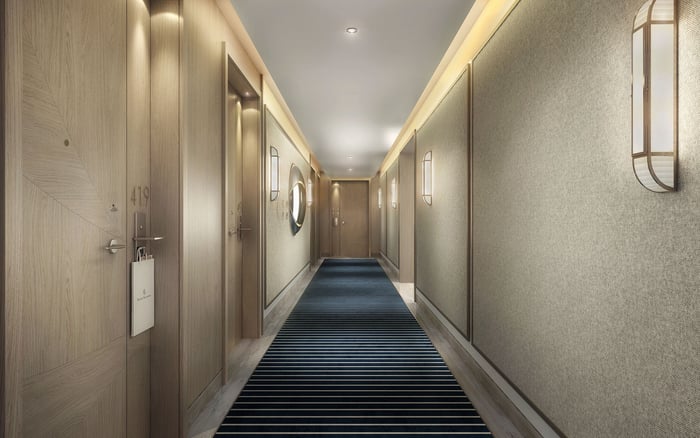
A buyer-focused guide to evaluating smart-home cybersecurity at 2200 Brickell before contract, with practical questions on connected systems, credentials, privacy, updates, and legal protections.
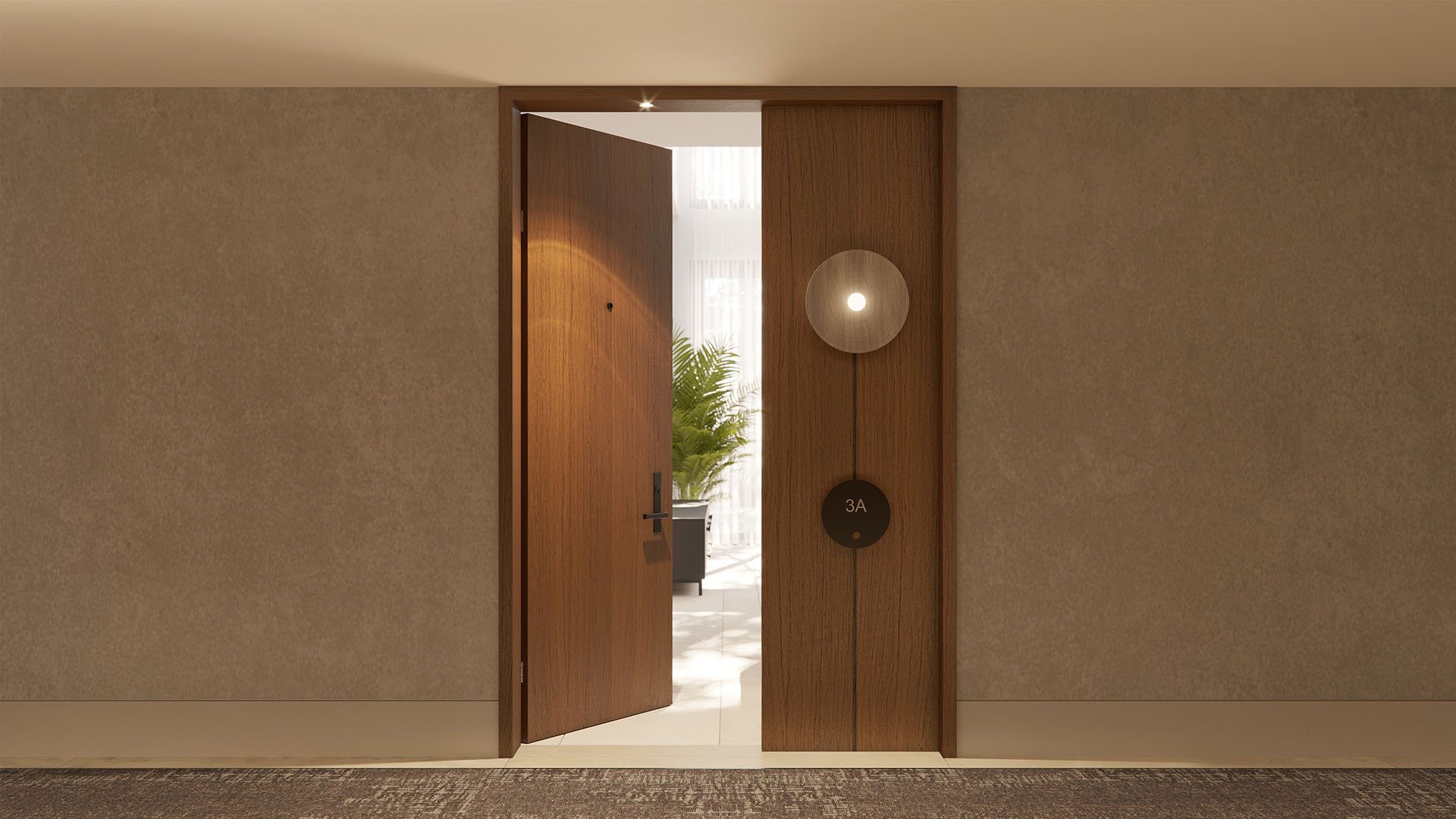
For buyers evaluating 2200 Brickell, the smart-home conversation should begin before the contract is signed, not after the keys are delivered. In a high-value residence, the digital layer is no longer a quiet convenience behind the walls. It can shape privacy, access, comfort, security, entertainment, lighting, and the daily rhythm of the home.
That makes cybersecurity a due-diligence issue. A residence may appear complete in a presentation, yet still require careful review of who controls the systems, how accounts are transferred, whether devices are updated, and what data may leave the home through cloud-connected platforms. For a Brickell buyer, where privacy and lock-and-leave confidence matter, these questions are as practical as reviewing finishes, parking, or views.
The goal is not to turn a real estate purchase into a technical audit. It is to identify the connected systems that could affect the owner, document the responsible parties, and preserve leverage before contract deadlines expire. New-construction and Pre-construction buyers should be especially attentive because system specifications, vendor relationships, and account-transfer obligations may be easier to clarify before closing than afterward.
The first request is straightforward: a full inventory of connected devices, hubs, apps, vendors, cloud platforms, and integrations tied to the residence. This should extend beyond obvious consumer technology. Buyers should ask about access control, surveillance, HVAC or climate controls, lighting, alarms, smart locks, entertainment systems, mobile-app controls, and any integrations that allow remote operation.
At the luxury level, the risk is often complexity. One system may control shades, another may manage lighting scenes, another may connect to climate, and another may sit behind the entry experience. If each component has its own app, account, password, cloud service, and vendor, the ownership transfer becomes more than a closing formality.
This is where buyers comparing St. Regis® Residences Brickell, Cipriani Residences Brickell, or other ultra-premium addresses should apply the same disciplined framework. Do not assume that a polished interface means the underlying cybersecurity posture is clear. Ask what exists, who installed it, who maintains it, and what happens when ownership changes.
One of the most important questions is whether a system is unit-specific, building-wide, or connected to shared building infrastructure. Responsibility and risk differ sharply across those categories.
A unit-specific smart lock, lighting hub, or entertainment controller may be primarily the owner’s responsibility once transferred. A building-wide access system may depend on association policies, management practices, vendor contracts, and shared infrastructure. A system that bridges both worlds, such as an app that touches residence access or service requests, deserves particular attention because it may hold personal information while also interacting with common operations.
Buyers at 2200 Brickell should avoid vague answers such as “the building handles it” or “the owner can set it up later.” The better question is more precise: which systems are controlled by the residence owner, which are controlled by building management, and which require cooperation between both? The answer affects not only convenience, but also privacy, support, and remedies if something does not function as expected.
Cybersecurity often begins with credential control. Before contract, buyers should ask who controls administrator credentials for each connected system, whether default passwords have been changed, and how accounts are transferred at closing.
Default passwords are a common weak point. Administrator accounts can be even more sensitive because they may allow someone to add users, view logs, change settings, or connect the residence to new devices. If a seller, installer, vendor, or prior occupant retains access, the buyer may inherit a digital exposure that is not visible during a standard walk-through.
The transfer process should be written, not casual. Buyers should understand whether accounts are reset, reassigned, or newly created. They should also ask whether there are master credentials, installer codes, guest profiles, temporary access permissions, service-provider logins, or mobile devices that remain paired to the residence. For an Investment buyer who may later rent, hold, or resell, clean credential history can become part of long-term asset stewardship.
A smart residence is not a static object. Software and firmware require updates, vendors change product lines, and some devices eventually approach end-of-support. Buyers should ask whether smart-home vendors provide regular updates, how those updates are applied, and whether any installed systems are near the end of support.
The issue is not merely technical. Unsupported devices may become harder to maintain, more difficult to integrate with newer platforms, or less responsive to newly discovered vulnerabilities. If an elegant control panel depends on aging software, the buyer should know before the contract is final.
Maintenance obligations should also be clear. Is there a recommended integrator? Is support optional or required? Are updates performed remotely, in person, automatically, or only upon request? If a system failure affects access, alarms, climate, or privacy, response time matters. Buyers considering The Residences at 1428 Brickell or 888 Brickell by Dolce & Gabbana can ask these same questions as part of a broader digital-residence review, without assuming that any two projects share the same technology profile.
Cloud-connected devices may transmit usage patterns, access logs, video, device status, or other resident data to third-party platforms. That does not automatically make them inappropriate. It does make them worthy of review.
A buyer should ask what data is collected, where it is accessible, who can see it, and whether the owner can limit, delete, or export account information. Surveillance and access systems deserve special care because they may reveal household routines, guest activity, service-provider visits, or periods when the residence is unoccupied.
Luxury buyers often focus on visual privacy, elevator privacy, and staff discretion. Digital privacy belongs in the same conversation. A residence can be visually secluded and still expose meaningful behavioral data if apps, cameras, locks, or hubs are not configured and transferred correctly.
Pre-contract diligence should translate into written protections where appropriate. Buyers can ask counsel about representations concerning installed systems, disclosure of known defects, account-transfer obligations, and remedies if material cybersecurity deficiencies are discovered before a deadline.
The language does not need to overreach. It can simply require disclosure of known issues, delivery of available system documentation, cooperation with account transfers, and access for a qualified reviewer. If a material concern emerges, the buyer should have a defined path to request correction, obtain additional information, or make an informed contract decision.
The most refined approach is collaborative but firm. Sellers and developers benefit when expectations are clear. Buyers benefit when smart-home systems are treated as part of the residence, not as invisible accessories outside the scope of review.
For a high-value residence with multiple connected systems, a qualified smart-home integrator or cybersecurity professional can be useful before contract deadlines expire. The reviewer can examine the inventory, identify obvious gaps, flag unsupported equipment, and recommend transfer steps.
The specialist does not need to redesign the residence. The assignment can be targeted: confirm what systems exist, review account ownership, evaluate update practices, identify cloud dependencies, and advise on practical remediation. For 2200 Brickell buyers, that kind of review can preserve elegance while reducing uncertainty.
In the best scenario, nothing dramatic is found. The buyer simply gains a clearer understanding of how the residence functions digitally. In the more valuable scenario, a fixable issue is discovered while there is still time to address it inside the transaction.
Should smart-home cybersecurity be reviewed before signing a contract? Yes. The strongest time to ask questions about systems, credentials, privacy, and remedies is before contract deadlines expire.
What systems should a buyer ask about first? Start with access control, surveillance, climate controls, lighting, alarms, smart locks, entertainment systems, and mobile-app controls.
Why is a device inventory important? It identifies which devices, hubs, apps, vendors, cloud platforms, and integrations are tied to the residence and may require transfer or review.
What is the difference between unit-specific and building-wide systems? Unit-specific systems are usually closer to owner control, while building-wide systems may involve management, shared infrastructure, or vendor policies.
Should default passwords be a contract concern? Yes. Buyers should ask whether default passwords were changed and who currently controls administrator credentials.
What should happen to app accounts at closing? Accounts should be reset, transferred, or newly created through a documented process that removes prior access where applicable.
Why do firmware and software updates matter? Updates can address performance, compatibility, and security concerns, while unsupported systems may become harder to maintain.
Are cloud-connected devices a privacy issue? They can be. Some devices may transmit usage patterns, access logs, video, or resident data to third-party platforms.
Should buyers hire a smart-home or cybersecurity specialist? For a sophisticated residence with multiple connected systems, a qualified specialist can identify risks before the buyer loses leverage.
What is the best way to shortlist comparable options for touring? Start with location fit, delivery status, and daily lifestyle priorities, then compare stacks and elevations to validate views and privacy.
To compare the best-fit options with clarity, connect with MILLION.
If branded residences are on your mind — as a home or as an allocation — we would be glad to share what we are seeing, privately.
Begin a quiet conversation