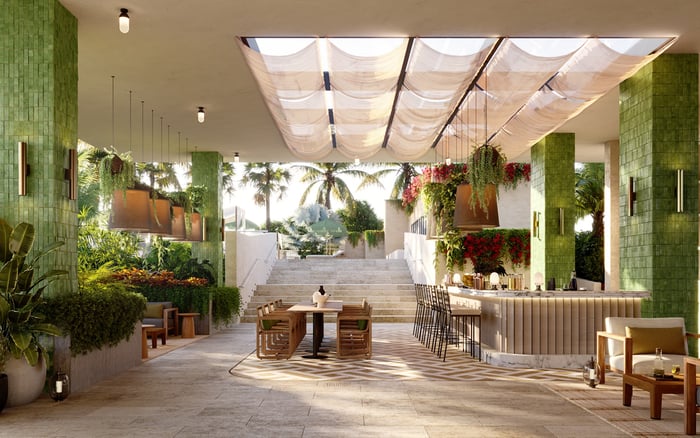
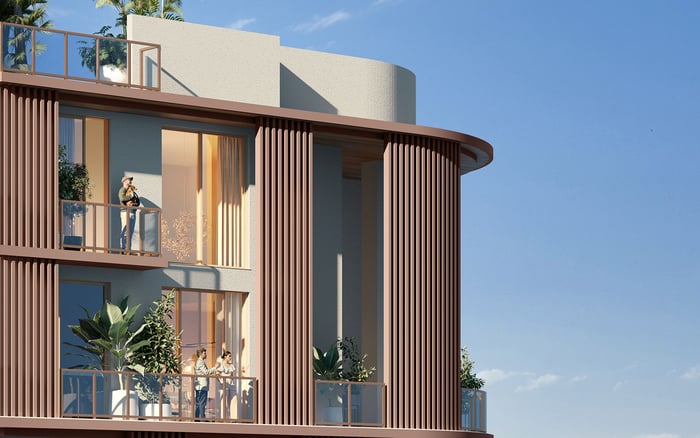
A buyer-focused look at how private plunge pools and outdoor kitchens shape Coconut Grove condo living, from terrace planning to privacy, upkeep and long-term lifestyle value.
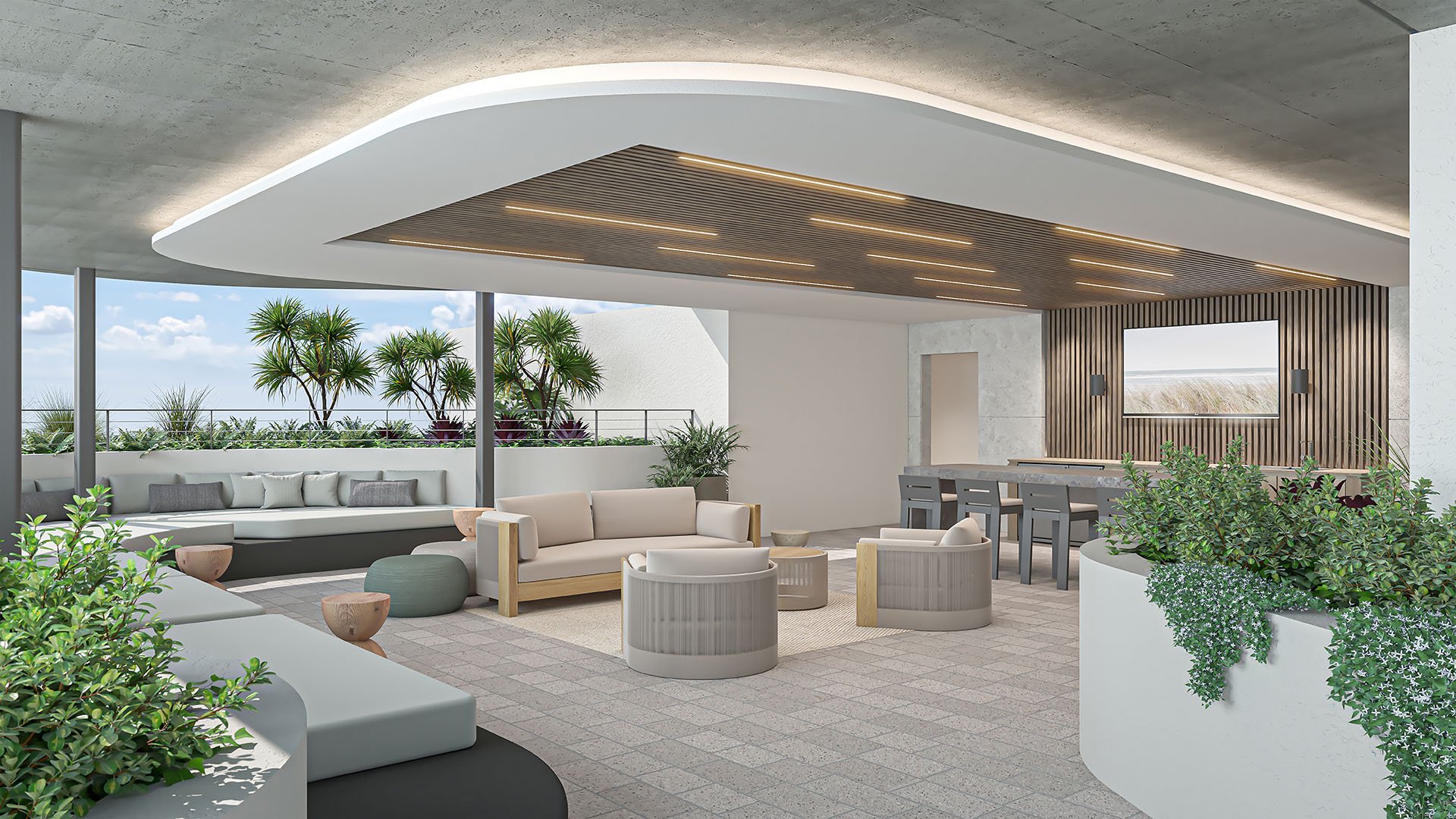
In Coconut Grove, the luxury condo terrace is no longer an afterthought. It is the room that determines how a residence lives: morning coffee in the shade, an intimate dinner above the canopy, a quiet swim before guests arrive. For buyers weighing plunge pools against outdoor kitchens, the question is not which feature sounds more impressive. The real issue is how each amenity affects space, privacy, maintenance and the daily rhythm of ownership.
That distinction matters because Coconut Grove has a different residential temperament from Miami’s more vertical, high-gloss districts. The Grove rewards softness, shade, understatement and a feeling of being tucked away. A private plunge pool can turn a terrace into a resort-like retreat, but it can also consume valuable outdoor living area. An outdoor kitchen can make entertaining feel effortless, but it introduces practical demands around smoke, storage, drainage and cleaning. The ideal plan is not the one with the most features. It is the one where every feature feels inevitable.
For MILLION buyers, the best approach is to evaluate these amenities less as upgrades than as lifestyle commitments. In Coconut Grove, the strongest residences make outdoor space feel composed, not crowded.
A plunge pool is emotional first. It offers privacy, immediacy and a sense of personal sanctuary that even a superb building pool cannot duplicate. For an owner who values solitude, a private water element creates a different relationship with the home. It can be used spontaneously, without timing an elevator ride, carrying towels through common corridors or sharing the atmosphere with other residents.
The tradeoff is spatial discipline. A plunge pool requires meaningful terrace area, thoughtful furniture placement and a clear circulation path. If the pool dominates the terrace, the residence may gain spectacle but lose flexibility. Buyers should ask whether there is still room to dine, lounge, plant, walk and entertain comfortably. A beautiful waterline is not enough if every chair feels squeezed around it.
Privacy is equally important. A private pool feels luxurious only when sightlines feel controlled. The best terraces account for neighboring balconies, tower angles and the relationship between indoor rooms and outdoor exposure. Water can be calming, but only if the setting feels protected. That is why buyers should stand in the exact living area, look outward, then look back from the terrace toward the interiors. The most revealing test is not whether the pool photographs well. It is whether the owner would actually use it when the building is active.
An outdoor kitchen is less theatrical than a plunge pool, but often more practical for buyers who host. It extends the living room into a hospitality zone and reduces the friction of entertaining. A well-planned setup can support relaxed meals, cocktails, family gatherings and chef-led evenings without making the indoor kitchen the only point of service.
Yet an outdoor kitchen is only as good as its infrastructure. Buyers should study ventilation, counter depth, appliance placement, weather protection, lighting and access from the indoor kitchen. If service requires too many steps, the amenity becomes decorative. If smoke or heat disrupts seating, the terrace loses comfort. If storage is limited, the owner may constantly shuttle items in and out, quickly eroding the sense of ease.
This is where layout matters more than branding. When buyers compare Grove options such as Four Seasons Residences Coconut Grove and Park Grove Coconut Grove, the useful conversation is not simply whether outdoor cooking is possible. It is whether the terrace, interior kitchen, dining area and service path work together as one environment.
The most important word in this discussion is proportion. Pool, terrace and balcony value depends on how much usable outdoor room remains after the amenity is accounted for. A plunge pool can anchor a terrace beautifully, but it should not turn every other function into a compromise. An outdoor kitchen can be a daily pleasure, but it should not block views, crowd dining or make circulation feel awkward.
A strong terrace often has zones: one for water or cooking, one for seating, one for dining and one for open movement. Even if the total area feels generous, poor zoning can make it underperform. Conversely, a more restrained terrace can live exceptionally well if the plan is balanced.
Buyers considering The Well Coconut Grove, Mr. C Tigertail Coconut Grove or Arbor Coconut Grove should focus on how the outdoor areas support their actual habits. A household that dines outside twice a week may prefer a highly functional kitchen and shaded table. A couple seeking privacy and decompression may place greater value on a plunge pool with a calmer seating arrangement. A frequent host may want neither amenity to dominate, because flow becomes the real luxury.
New-construction buyers often have the advantage of studying plans before living patterns are fixed. That can be useful, but it also requires imagination. Renderings may communicate mood, while the actual decision should focus on usable clearances, privacy, sun exposure, mechanical planning and the relationship between indoor and outdoor rooms. A terrace that looks cinematic in presentation may feel different once furniture, planters, guests and daily objects are introduced.
Resale buyers have another advantage: they can observe the finished condition. They can feel the wind, check the shade, listen for mechanical noise and understand how neighboring residences interact. They can also inspect how outdoor surfaces, fixtures and equipment have aged. For any private water or cooking amenity, condition and upkeep are central to value. Luxury does not tolerate visible fatigue.
The best buyers ask direct questions without becoming distracted by romance. Who maintains the water feature? How are outdoor appliances protected? What is the building’s policy for modifications? Are there rules governing cooking, sound, hours or exterior equipment? These are not minor operational details. They determine whether an amenity remains a pleasure or becomes a negotiation.
Start with frequency. If the feature will be used often, it deserves priority. If it will mostly impress guests during a tour, it may not justify the space it consumes. Then study privacy. A plunge pool without privacy loses much of its purpose. An outdoor kitchen without a comfortable dining or lounging relationship becomes a service counter rather than a lifestyle feature.
Next, consider maintenance temperament. Some owners enjoy the ritual of a fully equipped outdoor environment. Others want lock-and-leave simplicity. Neither preference is superior, but the wrong match can make even a glamorous terrace feel burdensome. For second-home owners, ease of care may carry as much weight as visual drama.
Finally, think about resale language. A rare, well-executed private plunge pool can distinguish a residence. A beautifully planned outdoor kitchen can make a terrace feel complete. But buyers are discerning. They respond to amenities that enhance use, not merely check boxes. The highest form of luxury in Coconut Grove is restraint with purpose: water where it feels serene, cooking where it feels natural, and enough open air left over to let the terrace breathe.
Is a plunge pool worth prioritizing in a Coconut Grove condo? It can be if private daily use matters more than maximizing open terrace area. The value depends on privacy, proportion and ease of maintenance.
Does an outdoor kitchen add more practical value than a plunge pool? For frequent hosts, often yes. Outdoor kitchens support dining and entertaining, but only when ventilation, storage and service flow are well planned.
Can a terrace successfully include both amenities? Yes, if the terrace is large enough and properly zoned. The key is preserving room for seating, dining and comfortable circulation.
What is the biggest mistake buyers make with plunge pools? They focus on visual appeal before testing privacy and usable space. A pool should make the terrace more livable, not less flexible.
What should buyers inspect in an outdoor kitchen? Look at appliance placement, counter space, lighting, weather protection and the path from the indoor kitchen. Convenience determines long-term use.
Are private outdoor amenities better in new-construction residences? New-construction can offer modern planning, but buyers should still examine the actual layout carefully. The best amenity is the one that fits daily habits.
How important is the balcony configuration? Very important, because shape often matters as much as size. A narrow or interrupted balcony may limit how well amenities and furniture can coexist.
Should second-home owners avoid plunge pools? Not necessarily. They should simply weigh maintenance, building services and how often the feature will be used during each stay.
Do outdoor kitchens work for quiet owners who rarely host? They can, but a simpler terrace may be more valuable for some buyers. The amenity should match the owner’s actual lifestyle, not a generic luxury script.
What is the best way to shortlist comparable options for touring? Start with location fit, delivery status, and daily lifestyle priorities, then compare stacks and elevations to validate views and privacy.
To compare the best-fit options with clarity, connect with MILLION.
If branded residences are on your mind — as a home or as an allocation — we would be glad to share what we are seeing, privately.
Begin a quiet conversation