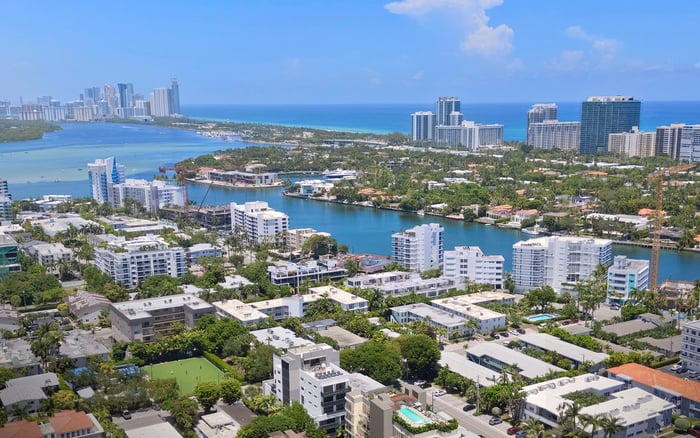
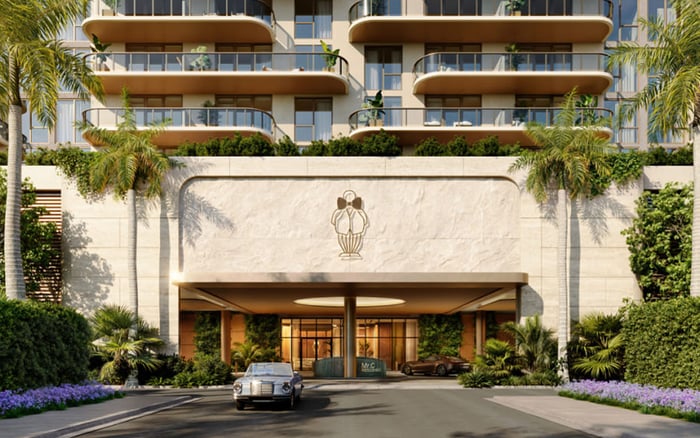
A buyer-focused guide to pet-friendly luxury living in Bay Harbor Islands, with attention to boutique scale, daily walkability, terraces, policy review, and the quiet details that matter when a residence must serve both owner and companion.
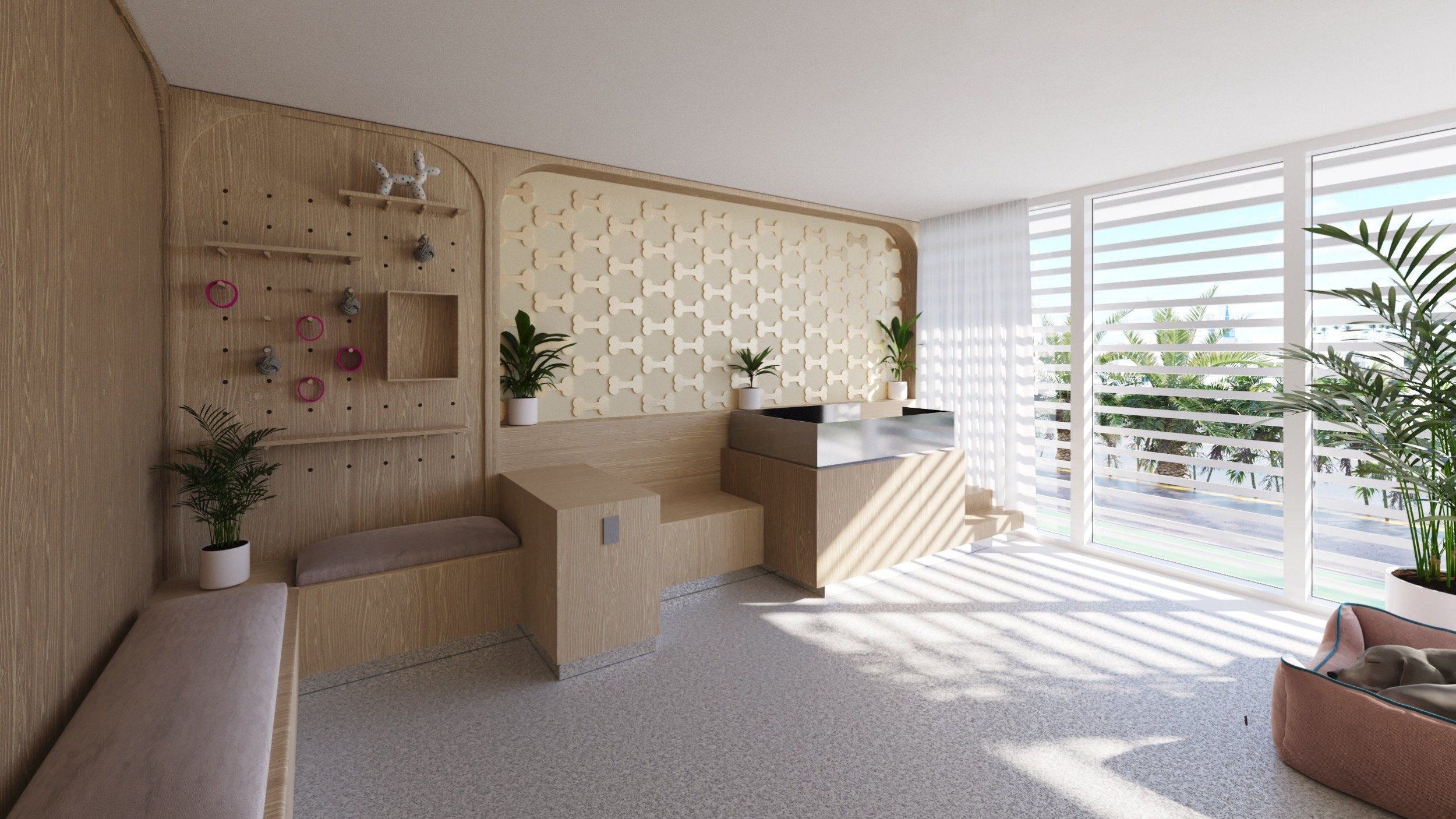
Bay Harbor Islands holds a distinct appeal for luxury buyers who want daily life to feel composed. Its residential rhythm, boutique building culture, and island setting offer a softer alternative to larger resort corridors. For pet owners, that difference matters. A home is not judged only by its finishes, water outlooks, or lobby presence. It is tested every morning and evening, leash in hand, when the building either supports the routine or turns it into a negotiation.
Pet-friendly luxury in Bay Harbor Islands is less about slogans than precision. The right residence should make departures simple, returns gracious, and everyday care discreet. It should offer an elevator experience that feels manageable, common areas that are easy to navigate, and private outdoor space that adds comfort without pretending to replace a true walk. It should also have rules that match the way the owner actually lives.
This is where the neighborhood’s boutique character becomes central. Buyers comparing Alana Bay Harbor Islands, Onda Bay Harbor, and Origin Bay Harbor Islands are not only looking at architecture. They are weighing scale, privacy, circulation, and how gracefully a building can accommodate the rituals of a household that includes a dog or cat.
In the upper tier of the market, “pet-friendly” should never be read as a casual phrase. It requires review of the building’s current rules, association documents, management practices, and any restrictions that may apply to size, breed, number of pets, service animals, emotional support animals, elevator use, deposits, fees, and common-area behavior. Those details can vary significantly from building to building, even within the same neighborhood.
A sophisticated buyer begins with lifestyle, then verifies policy. A small dog that travels often with its owner may need different building support than a larger breed accustomed to longer walks. A cat owner may care less about walking routes but more about balcony safety, quiet interiors, and service access. A seasonal resident may want clear arrangements for pet sitters, walkers, and staff entry. None of these concerns should wait until contract review.
For a Bay Harbor buyer, the most useful checklist may read: pet policy, boutique scale, terrace usability, new-construction standards, and dog-park proximity. The exact priority will differ by household, but the principle is consistent. The best residence reduces friction in the daily routine while preserving the elegance expected at this price point.
Large luxury towers can be impressive, but pet owners often respond to the intimacy of a boutique building. Fewer residences may mean a calmer lobby rhythm, a more residential elevator experience, and a sense that the building is lived in rather than constantly transited. For an owner with a dog, those subtleties can shape the entire day.
Consider the path from residence to sidewalk. Is the elevator convenient from the unit? Does the lobby feel formal in a way that makes wet paws or quick exits awkward? Is there a practical route for early walks, late returns, grooming appointments, and veterinary visits? Is the building staff comfortable with regular dog walkers or pet-care professionals? A beautiful lobby is important, but a beautiful lobby that also works is more valuable.
This is why buyers looking at La Maré Bay Harbor Islands and Bay Harbor Towers should ask lifestyle questions as early as they ask design questions. Pet ownership creates a repeated pattern of movement. The right building anticipates that pattern without making it conspicuous.
Terraces are among the most desirable features for pet-owning buyers, but they should be evaluated with restraint. A generous terrace can offer fresh air, a quiet place to sit with a pet, and a buffer between indoor life and the wider neighborhood. It can also be useful during brief moments between walks. Yet it is not a replacement for responsible outdoor activity, nor should it be treated as the only pet amenity that matters.
The quality of the terrace matters as much as its size. Buyers should consider railing design, exposure, sun, shade, drainage, sound, and how the space connects to the main living areas. A terrace that is elegant but difficult to use will not improve daily life. A smaller terrace that feels protected, shaded, and visually calm may serve the household better.
Interior planning is equally important. Pet beds, feeding stations, litter areas, crates, grooming supplies, and leashes all require placement. In a refined residence, these elements should disappear into the rhythm of the home. Laundry access, durable flooring, storage, and service entry can matter as much as a view when the home is occupied by both people and pets.
For many buyers, the defining pet-friendly feature is not inside the residence at all. It is the daily walk. Calm streets, manageable traffic, shade, waterfront breezes, and a pleasant residential pace can add more value to pet ownership than an amenity room used only occasionally. The best walk is not necessarily the longest or most dramatic. It is the one that feels easy to repeat.
Bay Harbor Islands appeals to buyers who want a routine that can be elegant without being performative. A morning walk can become part of the day rather than an interruption. An evening loop can feel like decompression rather than logistics. For owners accustomed to denser urban districts, that sense of calm can become a decisive reason to choose the neighborhood.
Still, buyers should experience the walk at different times. A block that feels tranquil midmorning may feel different at school pickup, weekend dinner hour, or during seasonal traffic. Walkability should be tested in real conditions, especially with the pet that will actually live there.
The most successful pet-friendly purchase begins with direct questions. What are the current pet rules? Are there weight or breed limits? How many pets are allowed per residence? Are there procedures for registering pets with management? Are there designated service routes, cleaning expectations, or elevator guidelines? Are dog walkers permitted to access the building, and under what conditions?
Buyers should also ask about insurance, noise complaints, balcony rules, move-in procedures, and any planned changes to association policy. In boutique buildings, culture matters. A pet may be technically permitted, yet the building’s atmosphere may be better suited to quiet companion animals than high-energy routines. That distinction is subtle, but sophisticated buyers understand it.
Pre-construction and newer projects require another layer of review. Renderings and amenity language can be compelling, but the final governing documents are what define the owner’s rights and obligations. A pet-friendly purchase should be verified in writing before emotional commitment takes over.
Bay Harbor Islands is not trying to be every luxury market at once. Buyers who want a full resort experience may look elsewhere. Buyers who prioritize oceanfront immediacy may prefer a different setting. The Bay Harbor proposition is quieter: boutique scale, residential privacy, proximity to surrounding destinations, and a daily environment that can feel especially civilized for pet owners.
That quieter proposition can be powerful. Instead of relying on spectacle, the neighborhood rewards buyers who care about the lived experience of ownership. The question is not only whether the residence photographs beautifully. It is whether the dog walk feels easy, the elevator ride feels calm, the terrace feels usable, and the building rules feel aligned with the household.
In that sense, Bay Harbor Islands pet-friendly luxury is a study in restraint. The most desirable home is the one that allows both owner and pet to move through the day with ease, privacy, and a sense of belonging.
Are all luxury buildings in Bay Harbor Islands pet-friendly? No. Pet policies vary by building, so buyers should review current rules before making an offer.
What should pet owners verify first? Confirm the number of pets allowed, any size or breed limits, fees, deposits, and registration procedures.
Do boutique buildings work well for dog owners? They can, especially when circulation is calm and the route from residence to sidewalk is convenient.
Is a terrace important for pet-friendly living? A terrace can add comfort, but it should be viewed as supportive space rather than a substitute for walks.
Should buyers test the neighborhood walk before purchasing? Yes. Walk the area at different times of day to understand traffic, noise, shade, and overall comfort.
Can pet rules change after purchase? Building policies may evolve, so buyers should understand association governance and review documents carefully.
Are dog walkers usually allowed in luxury buildings? Access depends on each building’s rules, security procedures, and management practices.
What interior features help pet owners most? Durable flooring, storage, laundry access, flexible service areas, and logical entry sequences are especially useful.
Is new construction automatically better for pets? Not automatically. Newer buildings may offer modern planning, but written pet policies remain the deciding factor.
Why consider Bay Harbor Islands for pet-friendly luxury? It offers a quieter residential setting where boutique scale and daily routines can feel especially composed.
For a confidential assessment and a building-by-building shortlist, connect with MILLION.
If branded residences are on your mind — as a home or as an allocation — we would be glad to share what we are seeing, privately.
Begin a quiet conversation