In South Florida’s ultra-premium market, the debate is no longer “Do we want a home theater?” It is whether you want a purpose-built private cinema that feels like a destination, or a beautifully integrated media room that flexes with daily life. As streaming makes content effortless everywhere, dedicated cinemas earn their keep through design discipline: acoustics, lighting control, calibrated picture and sound, and seating planned around sightlines. Meanwhile, 2026 luxury priorities are increasingly lifestyle-driven, with wellness, resort-style living, and turnkey technology competing for square footage and budget. This MILLION Luxury guide frames the decision the way sophisticated buyers and developers are thinking about it now: experience versus flexibility, drama versus usability, and resale appeal versus personal lifestyle. The best answer is rarely binary. Many of the most compelling residences blend both, pairing a cinematic showpiece for nights in with distributed, high-performance media throughout the home.
South Florida’s luxury buyers still love cinema, but the way they live at home has evolved. Streaming has made entertainment location-agnostic: a film can follow you from kitchen to terrace to primary suite without friction. In that environment, the old idea of a single, sealed “home theater room” now competes with spaces that deliver value every day-not just on movie night.
That is why the 2026 luxury conversation increasingly centers on lifestyle-first programming: wellness routines, flexible entertaining, and turnkey technology that makes a residence feel effortless. The private cinema has not disappeared; it has become more intentional. If it exists, it should feel like a destination-executed with the same discipline as a spa bath or a club-level lounge.
A private cinema is a state of mind. It is not defined by screen size alone. It is defined by purpose-built decisions that protect immersion: acoustic isolation, calibrated audio and picture, controlled lighting, and seating geometry that makes every chair a “best seat.”
In practical terms, the room is planned around sound and light before it is decorated. Walls, doors, and ceilings are treated as part of the performance. Lighting is layered and dimmable, with fixtures selected to avoid glare and preserve contrast. Equipment is integrated so the room reads calm-even when the experience is dramatic.
Direct-view LED walls are also increasingly appearing in private cinema installations, particularly where clients want high brightness and punchy color. But dvLED demands early planning. Sightlines, speaker placement, and room proportions must be designed around the display, not retrofitted after the fact. Done well, it delivers a striking, premium feel. Done casually, it can become a bright billboard that overwhelms the room.
The media room is the counterpoint to the private cinema. It is designed for real life: sports on a Sunday afternoon, children’s movies with lights up, a playlist during a dinner party, or an episode before bed. It can be open to adjacent living areas or tucked into a den, but the defining trait is flexibility.
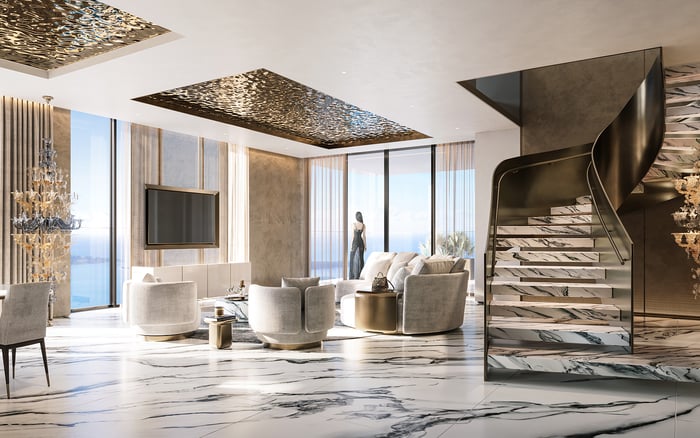
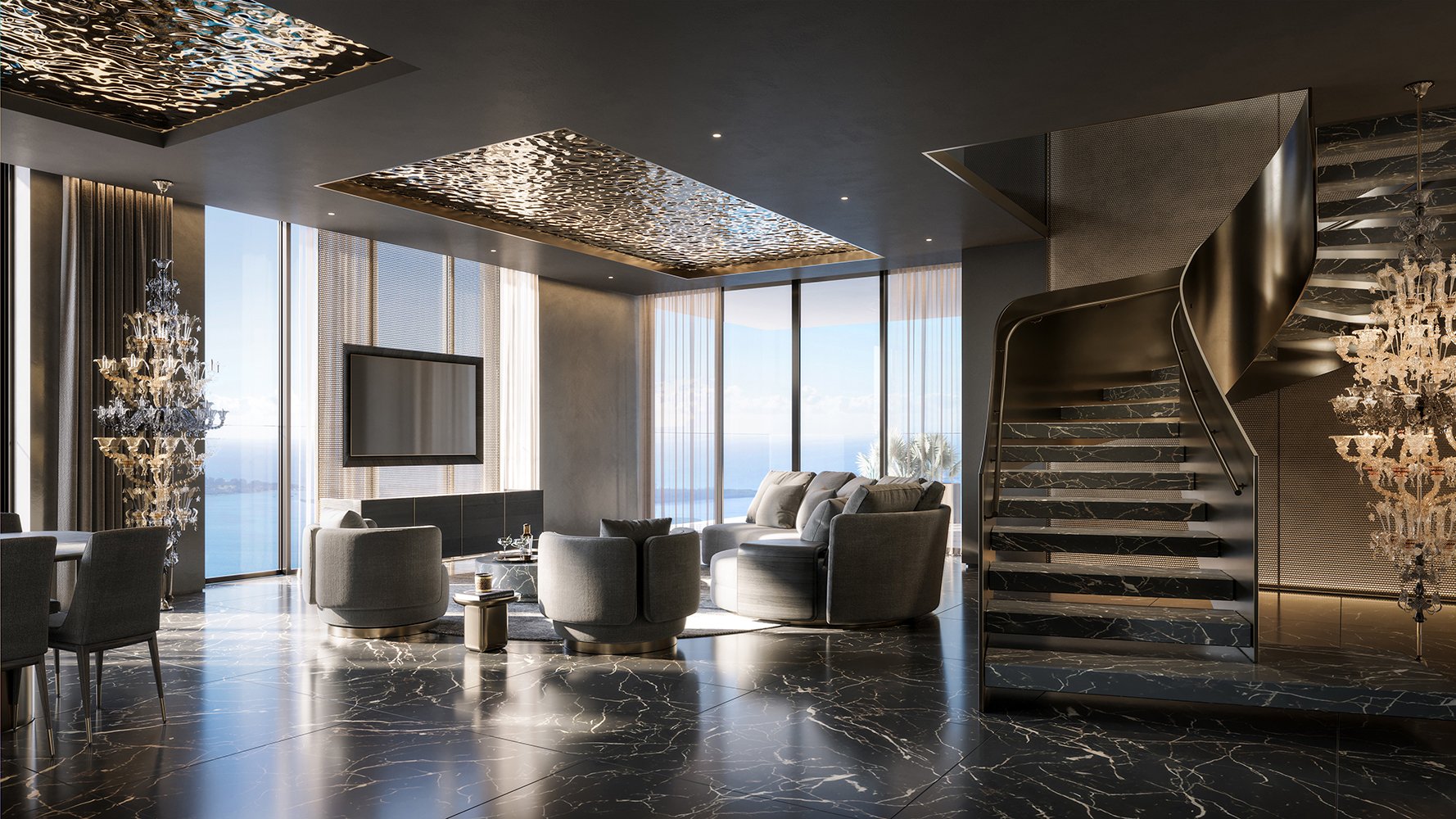
Today’s strongest media rooms feel architectural rather than technical. Screens disappear into millwork. Speakers are integrated. Lighting scenes shift from “entertaining” to “cinema” to “late night” with a single command. When executed properly, the room holds its design integrity even when the TV is off.
This also aligns with broader luxury expectations around integrated smart-home systems. A media room that coordinates lighting, climate, shading, security, and AV creates an immediate sense of polish-premium even to buyers who do not self-identify as “audiophiles.”
In a waterfront condo or a prime single-family home, every dedicated room displaces another priority. A private cinema often requires deeper acoustic buildout, more enclosure, and fewer windows. That opportunity cost matters in 2026, when many buyers are prioritizing resort-style living and wellness-forward spaces.
A media room, by contrast, can share square footage with entertaining, a library-like den, or a lounge adjacent to a bar. It supports the way a home “lives like a resort” without demanding that a key room sits idle most days.
For buyers considering a new-build or a highly amenitized tower lifestyle in Brickell, the flexibility conversation often runs alongside turnkey living. In that context, a residence at 888 Brickell by Dolce & Gabbana or Una Residences Brickell often prompts a practical question: do you want your best “experience” spaces inside your unit, or do you want your unit optimized for daily elegance while the building delivers the big moments.
Whether you choose cinema or media room, a few fundamentals determine whether the space feels luxury-or merely expensive.
First, acoustic planning. High-end sound is not just about speaker brands. It is about controlling reflections, isolating noise, and preventing the rest of the home from becoming an echo chamber. A cinema typically leans into heavier isolation. A media room can be more open, but it still benefits from deliberate materials and placement.
Second, lighting control. The most beautiful interiors fail as viewing rooms if lighting creates glare or if the room cannot shift between bright social use and low-light viewing. This is where automation and layered lighting scenes become non-negotiable.
Third, calibration and integration. A premium picture is not only resolution; it is contrast, color, and consistency. Audio should be tuned to the room, not simply installed. When these steps are skipped, even impressive hardware can feel surprisingly flat.
On Miami Beach, the private cinema often plays a different role. The beach lifestyle is inherently social and sensory, with outdoor terraces, pool scenes, and dining as the center of gravity. When a cinema exists here, it wins by offering a contrasting mood: quiet, dark, cocooning, and intentional.
That is why a dedicated cinema can feel especially compelling in residences where outdoor life is already strong, allowing the cinema to become the nighttime counterpart to the terrace. In areas where design expectations are high, the media experience must be as visually composed as the rest of the home. Buyers looking at Five Park Miami Beach often respond to interiors that read clean and architectural, with entertainment integrated rather than announced.
In high-rise living, acoustic decisions can carry extra weight. A room that leaks bass or vibration can create friction, while a room that is thoughtfully isolated feels serene. This is one reason cinemas, when included, tend to be treated as a true specialty feature at the highest end.
At the same time, many Sunny Isles buyers prioritize panoramic glazing and open living, which naturally favors a sophisticated media-room approach. The goal becomes a room that plays well with daylight and views-then transforms after sunset. If your lifestyle is equal parts oceanfront mornings and evening screenings, the flexibility of a media room often aligns better than a fully sealed theater.
A well-executed theater can support resale appeal, but the effect is not guaranteed and remains highly dependent on the buyer pool and the broader feature set of the home. Some buyers see a theater as a ready-made luxury. Others see a space they would rather convert into a wellness studio, a secondary suite lounge, or a work-from-home environment.
Media rooms tend to feel safer from a resale perspective because they read as versatile. They also photograph well and communicate an upgraded lifestyle without forcing a single use.
The takeaway is simple: if you build a private cinema, build it because you will use it and love it. If you are optimizing primarily for broad market appeal, a media room with elevated integration and acoustic competence is often the more universal choice.
Ask yourself four questions.
First, how do you watch? If you watch films as an event, with the lights down and sound up, a cinema is justified. If most viewing is casual, episodic, and social, a media room will earn its keep more often.
Second, what is your tolerance for enclosure? A private cinema typically trades windows and openness for performance. Some buyers love the retreat. Others feel confined.
Third, what is competing for the same square footage? In 2026, wellness spaces are not a trend piece-they are increasingly a core luxury differentiator. If you are choosing between a dedicated cinema and a meaningful wellness room, be honest about which will serve you weekly.
Fourth, how turnkey do you want the experience? Both room types benefit from automation, but the cinema is less forgiving. The more specialized the room, the more important it is that lighting, climate, and AV behave flawlessly.
Many of South Florida’s most sophisticated homes resolve the debate by separating everyday viewing from event viewing.
A media room handles daily life: news in the morning, sports in the afternoon, music during cocktails. Then a smaller, more disciplined private cinema becomes the true experience room-designed for immersion without compromising the architecture of the main living spaces.
For buyers who prefer the “resort at home” feeling, it can be compelling to align entertainment with wellness rather than compete with it. A media lounge near a recovery-focused bath suite can feel like a private members club. In wellness-forward environments such as The Well Coconut Grove, the broader point is that luxury is increasingly measured by how seamlessly a home supports routines, not only by how impressive it looks on a spec sheet.
Is a private cinema still considered a luxury must-have in 2026? It remains a high-luxury option, but it is no longer universal. Many buyers prefer flexible media spaces.
What makes a private cinema different from a media room? A cinema is purpose-built for immersion with acoustics and light control; a media room is designed for daily versatility.
Does a home theater always increase resale value? Not always. Resale impact is buyer-dependent and tends to track the quality of execution.
Are direct-view LED walls practical for private cinemas? They can be, but they require early planning for sightlines, audio integration, and room design.
What is the biggest mistake buyers make when adding a theater? Treating it like a TV upgrade instead of a room-performance project with acoustics and lighting.
Can an open-concept living room still deliver a premium viewing experience? Yes, if lighting scenes, glare control, and audio placement are thoughtfully designed.
Should I prioritize wellness space over a dedicated theater? If wellness is part of your weekly routine, it may deliver more day-to-day value than a single-purpose room.
How important is smart-home integration for media rooms? Increasingly important, because automation of lighting, climate, and AV is part of what makes the experience feel premium.
What matters more: screen size or room design? Room design, because acoustics, sightlines, and lighting determine whether the experience feels cinematic.
If I choose only one, which is safer for broad appeal? A media room is generally more adaptable and easier for future buyers to personalize.
When you're ready to tour or underwrite the options, connect with MILLION Luxury.
If branded residences are on your mind — as a home or as an allocation — we would be glad to share what we are seeing, privately.
Begin a quiet conversation