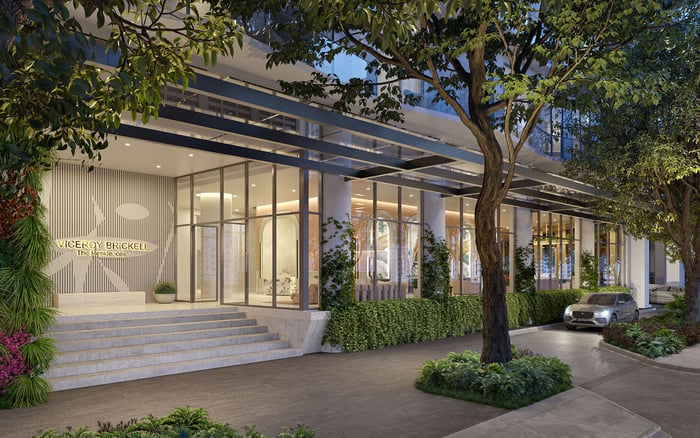
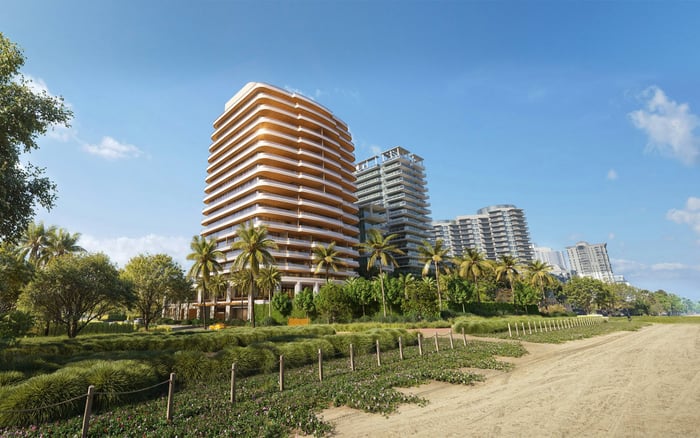
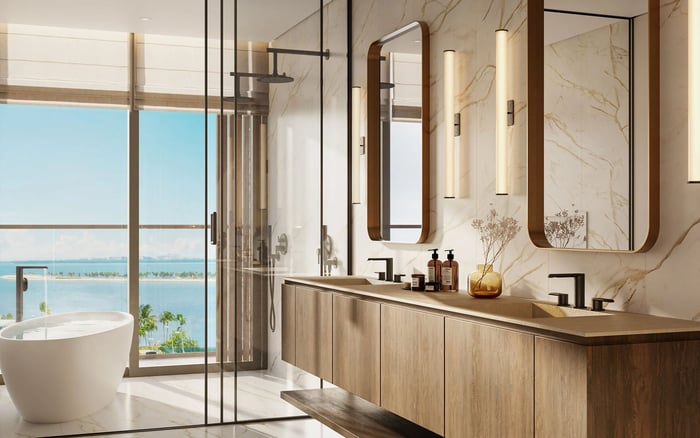
A buyer-focused comparison of how Cipriani Residences Brickell and Mercedes-Benz Places Miami shape community, social rituals, and owner networking in Brickell.
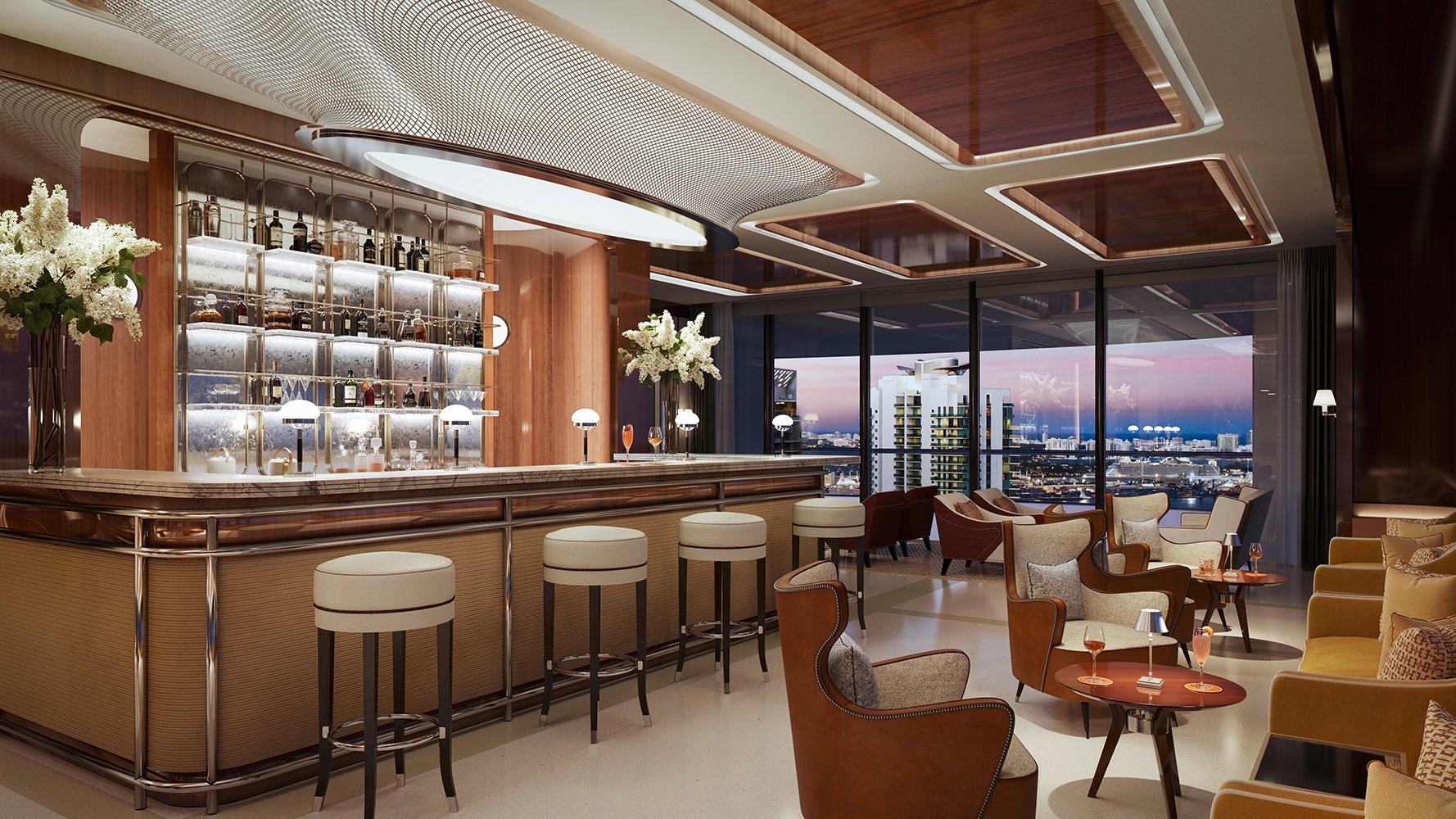
In Brickell, branding is no longer just about façade, fashion, or marketing polish. At the upper end of the market, the more relevant question is what kind of community a brand can create once owners move in. That is where the comparison between Cipriani Residences Brickell and Mercedes-Benz Places Miami becomes especially compelling.
Both projects are tied to globally recognized names. Both are in Brickell. Both speak to buyers who want more than square footage and a skyline address. Yet their social logic differs in meaningful ways. Cipriani comes to market through a hospitality lineage shaped by dining, service, entertaining, and ritual. Mercedes-Benz Places arrives through a design and lifestyle identity expressed in architecture, mobility, and a broader mixed-use ecosystem.
For buyers evaluating long-term enjoyment, owner networking, and the subtle quality of daily social life, this is not a minor distinction. It is often the distinction.
Cipriani Residences Brickell presents a brand identity centered on hospitality. That matters because hospitality-led brands tend to produce a particular kind of owner community. The interaction is less about scheduled programming alone and more about recurring habits: hosting, lingering, dining culture, polished service, and an atmosphere that encourages residents to use the property as an extension of their social calendar. In practical terms, Cipriani’s model suggests a residential environment where connection is likely to feel intimate, repeatable, and ritualized.
For the buyer who sees networking not as a formal event but as a byproduct of living well, this is a powerful proposition. Introductions happen through repeated overlap. Conversations begin because the setting already feels composed for them. The tone is less clubby in the exclusionary sense and more socially fluent in a hospitality sense.
This is one reason branded hospitality residences in Brickell continue to draw attention alongside peers such as Baccarat Residences Brickell and St. Regis® Residences Brickell. Buyers are not simply purchasing finishes. They are buying into a social framework.
Mercedes-Benz Places Miami approaches community from a different direction. Rather than beginning with a restaurant-and-service tradition, it translates the Mercedes-Benz brand into residential real estate through design, lifestyle, and urban integration.
Its concept is broader than a standalone luxury tower. Publicly presented plans position it as a large-scale campus with residences, office space, health and fitness uses, a hotel component, and public park space.
For owners, the implication is clear: community here is likely to emerge from movement, adjacency, and shared affinity for design-forward living. The networking value may be strongest for buyers who identify with innovation, architecture, branded lifestyle, and the energy of a mixed-use setting. Rather than hospitality rituals serving as the center of gravity, the project’s social fabric appears more likely to come from the interplay between uses and from future lifestyle programming.
That is compelling in its own right. In a city that increasingly values branded immersion, a project of this scale can create a sense of momentum that feels contemporary and outward-looking. The comparison is less about whether one brand is stronger than the other and more about whether a buyer wants an orchestrated hospitality atmosphere or a broader urban ecosystem.
When affluent buyers ask about owner networking, they are often asking two different questions at once. First, who will I meet here? Second, under what conditions will those interactions occur naturally?
Cipriani has the clearer answer today because its brand DNA already revolves around social hosting and white-glove service. Even without overpromising a specific event calendar, the residential proposition reads as daily activation rather than occasional activation. The social setting is anchored by a mature hospitality language. That tends to make resident interaction feel organic rather than programmed.
Mercedes-Benz Places Miami presents a more expansive but still emerging networking proposition. The appeal lies in brand affinity and the energy of a mixed-use environment, but public detail around resident event cadence remains relatively limited. That does not weaken the project’s desirability. It simply means buyers should understand the networking story as more future-facing and more dependent on how the completed ecosystem is activated.
In short, Cipriani currently feels better suited to the buyer who wants recurring, hospitality-centered interaction. Mercedes-Benz Places Miami may resonate more with the owner who prefers broader social circulation across wellness, design, work, hospitality, and public realm components.
The answer depends on what kind of social capital a buyer values most.
If your definition of community is a polished, intimate world where service sets the tone and entertaining feels second nature, Cipriani likely has the edge. It is easier to imagine the cadence. The brand has spent decades refining exactly that kind of atmosphere. For buyers who want neighbors to become dinner companions, collaborators, or hosts within a highly curated environment, the proposition is unusually coherent.
If your definition of community is a dynamic network shaped by design culture, innovation, and the cross-pollination that comes from a larger campus, Mercedes-Benz Places Miami may be the more intriguing fit. Its promise is less salon and more ecosystem. That could prove especially attractive to entrepreneurial owners, globally minded creatives, and buyers who want their residence to feel connected to a wider urban narrative.
This broader trend is visible across the market. Brickell buyers are increasingly comparing identity-led projects such as ORA by Casa Tua Brickell and The Residences at 1428 Brickell not only on product, but on the kind of personal and professional circles each environment might cultivate.
For pure owner networking, Cipriani Residences Brickell appears to hold the advantage today because its community model is already rooted in hospitality rituals that naturally bring people together. Its social promise feels immediate, tactile, and legible.
Mercedes-Benz Places Miami is the more conceptual proposition, and possibly the more expansive one over time. Its strength lies in brand worldview rather than in an already familiar hospitality script. For some buyers, that will feel fresher and more aligned with how luxury is evolving in Brickell.
So the real decision is not between old-world elegance and modern ambition. It is between two forms of belonging. One is built around service, dining culture, and recurring social intimacy. The other is built around design, mobility, mixed-use energy, and a broader branded lifestyle.
In Brickell, both can be persuasive. The more intelligent purchase is the one that matches how you actually want to meet your neighbors.
What is the core difference in community style between these two Brickell projects? Cipriani leans toward hospitality-led social rituals, while Mercedes-Benz Places Miami points toward a broader mixed-use, design-oriented ecosystem.
Which project appears more immediately oriented to owner networking? Cipriani appears more immediately legible for networking because its brand identity is already centered on hosting, service, and recurring social interaction.
Does Mercedes-Benz Places Miami present itself as a standalone tower? No. The concept is framed as a broader mixed-use community rather than only a single residential offering.
What kinds of uses are associated with Mercedes-Benz Places Miami in public plans? The concept includes residences, office space, health and fitness uses, a hotel component, and public park space.
Why might a buyer prefer Cipriani Residences Brickell? A buyer may prefer it if they value intimate, hospitality-driven interaction and a social setting shaped by service and dining culture.
Why might a buyer prefer Mercedes-Benz Places Miami? It may appeal more to buyers drawn to design, innovation, mobility, and the energy of a larger urban campus.
Are both projects relevant to buyers focused on lifestyle as much as real estate? Yes. The comparison is especially relevant for buyers who care about how brand identity affects daily living and social experience.
How are Brickell buyers increasingly comparing branded residences? They are increasingly comparing them by community model and social fit, not only by finishes, views, or architecture.
Does the article suggest the same networking cadence for both projects today? No. It suggests Cipriani feels more immediate today, while Mercedes-Benz Places Miami appears more future-facing in how its community may activate.
What is the best way to shortlist comparable options for touring? Start with location fit, delivery status, and daily lifestyle priorities, then compare stacks and elevations to validate views and privacy.
For a confidential assessment and a building-by-building shortlist, connect with MILLION Luxury.
If branded residences are on your mind — as a home or as an allocation — we would be glad to share what we are seeing, privately.
Begin a quiet conversation