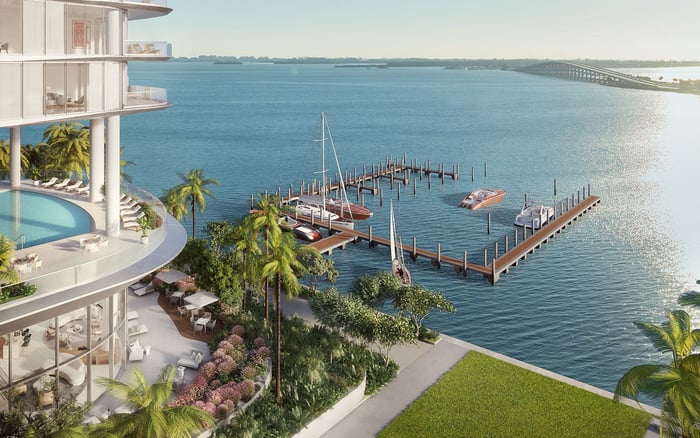
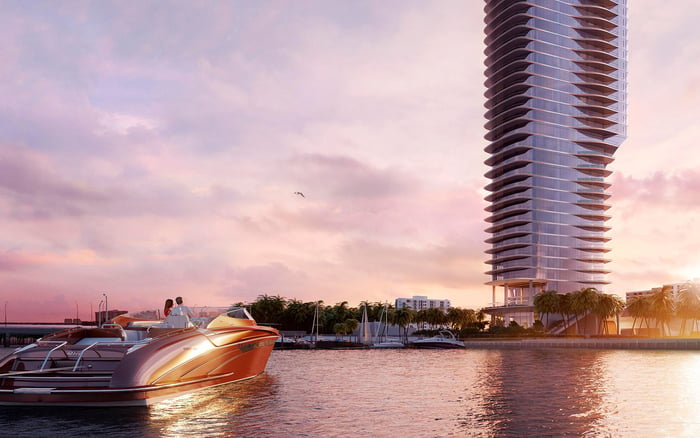
In South Florida’s waterfront condo market, private marina access increasingly comes through leases, licenses, shared-use programs, and operator-managed amenities rather than deeded slip ownership. For buyers in Brickell, Miami Beach, Downtown, and Fort Lauderdale, the real value lies in understanding availability, vessel limits, transfer rules, and the true cost of access once HOA structures and marina partnerships are taken into account.
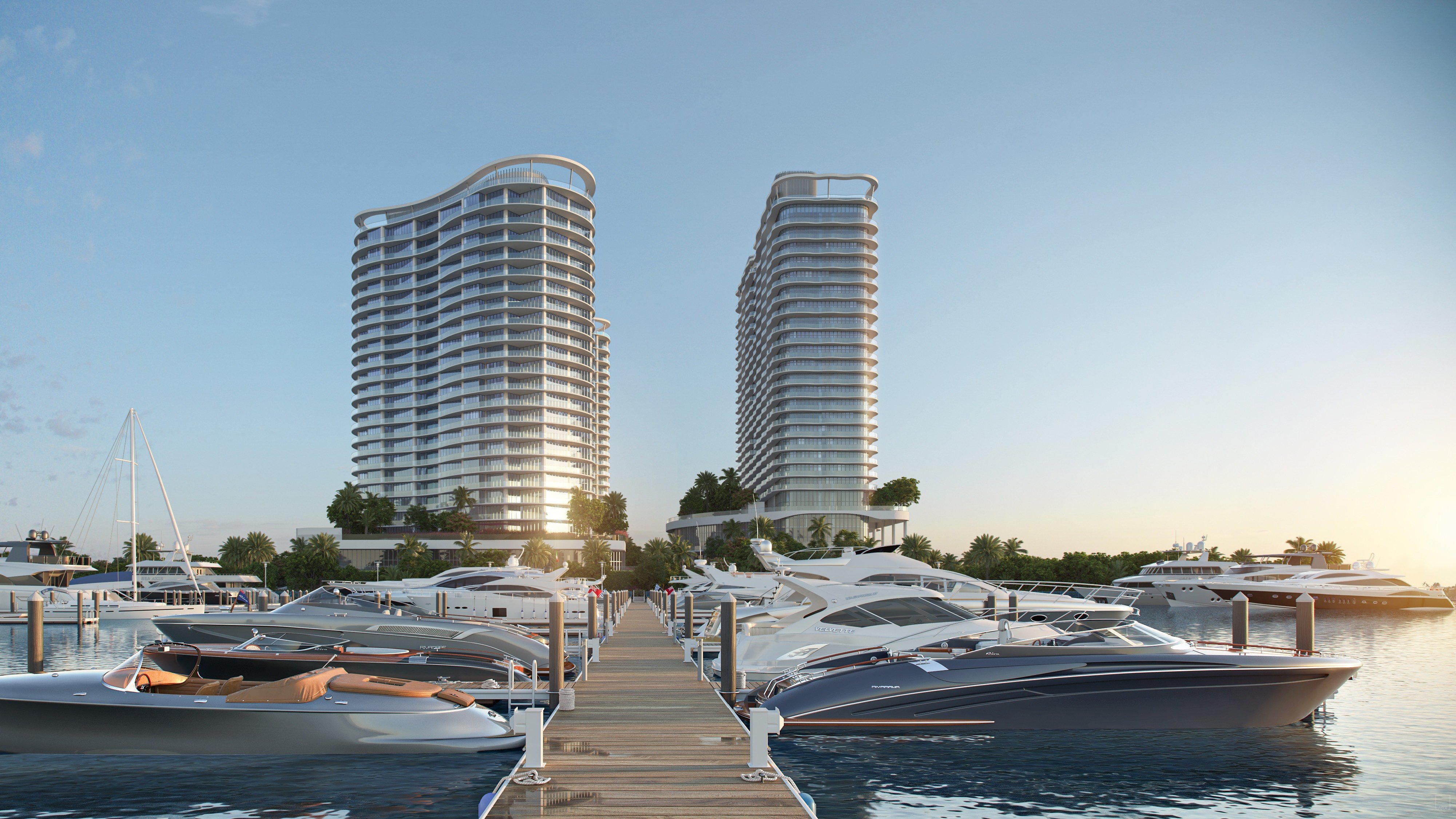
For many South Florida buyers, a waterfront residence is not just about the view. It is about moving seamlessly between tower, tender, and open water. Yet in today’s market, that privilege often does not come with ownership of a marina berth. Instead, luxury condominiums increasingly structure boat access through a lease, a revocable license, a shared-use arrangement, or a broader amenity program managed by the association or a third-party marina operator.
That distinction matters. A deeded slip is a real property interest. Most condo-based dockage programs are not. The resident is typically buying a residence and gaining the right to apply for, reserve, lease, or rotate into available dockage under the building’s rules. For buyers who want the boating lifestyle without the capital commitment or rigidity of slip ownership, this can be highly efficient. For buyers who assume the berth is permanently attached to the residence, it can become a costly misunderstanding.
In practice, South Florida’s most boating-oriented luxury enclaves have embraced access over ownership because waterfront edge is finite, regulations are exacting, and demand remains concentrated in select coastal districts. That dynamic is especially relevant in Brickell, Downtown, Miami Beach, and Fort Lauderdale, where residential prestige and navigable water compete for the same scarce frontage.
The most common model is straightforward: the condominium markets marina access as an amenity, while the actual berth inventory is controlled by the HOA, a sister entity, or a professional operator. Residents may lease a slip monthly, seasonally, or annually, depending on availability and vessel size. In other buildings, the arrangement is less direct, with the condo negotiating preferred access or pricing at a nearby marina rather than maintaining exclusive on-site slips.
A second model is the slip-share structure. Here, multiple residents participate in a smaller pool of slips, often with reservation windows, time allotments, or rotating priority. This format tends to work best for owners who use smaller vessels or keep boats on a less-than-daily schedule. It is less suited to someone expecting a dedicated berth on demand every weekend in high season.
A third structure bundles dockage within the broader amenity platform. In these cases, the appeal is not only the wet slip itself but the service layer around it: boat valet, concierge coordination, fueling assistance, security oversight, and maintenance referrals. In the upper tier of the market, that operational polish can feel more valuable than title to the berth.
This is one reason waterfront-oriented buyers often compare residences through the lens of lifestyle adjacency. In Brickell, for instance, projects such as Una Residences Brickell and 2200 Brickell speak to the appeal of bayfront living even when the actual boating component may depend on managed access rather than deeded marina ownership.
Dockage has become more strategic because South Florida faces a persistent shortage of slips. The reasons are structural: limited waterfront land, marina capacity constraints, and regulatory barriers that make new supply difficult to expand. In a market shaped by scarcity, a condo that has already secured resident access, even through a lease or partnership, can offer a meaningful advantage.
This is especially true for buyers who are not trying to build a trophy marina portfolio. Many simply want reliable, elegant proximity to the water. For them, certainty of access matters more than the legal form of ownership. A residence near the bay, canal network, or Intracoastal may be far more useful if the building has a workable dockage program than if it offers no boating solution at all.
That logic extends across submarkets. In Miami Beach, residences like The Ritz-Carlton Residences® Miami Beach are often considered within a buyer conversation where marine access, neighborhood positioning, and service standards are evaluated together. In Fort Lauderdale, where yachting culture is especially embedded, developments such as St. Regis® Residences Bahia Mar Fort Lauderdale and Riva Residenze Fort Lauderdale naturally attract scrutiny from buyers who want both residential quality and practical boating convenience.
The first question is whether the right being offered is ownership, a lease, or a license. In most condo programs, it is the latter two. That means the right to use dockage may be conditional, time-limited, and governed by marina rules outside the unit deed.
The second question is transferability. If a slip arrangement is based on a license or lease, it often does not carry to a future buyer on identical terms when the residence is sold. A seller may have enjoyed preferred access, but the next owner could face a new application process, new rates, or a waitlist.
Third, buyers should examine inventory rules. Many buildings operate with fewer slips than potential boating households. Reservation systems, seasonal congestion, rotating allocations, and waitlists are common. A beautifully worded amenity description may still conceal practical scarcity.
Fourth, vessel parameters matter. Length overall, beam, draft, and marina turning conditions can determine whether a resident’s boat is actually eligible. Size caps are standard, and they can be decisive.
Finally, there is pricing. Monthly dockage costs can vary substantially depending on location, vessel size, and marina conditions. Buyers should determine whether dockage is embedded in fees, discounted through a resident program, or billed entirely separately. The word included can mean many different things.
The most sophisticated buyers understand that condo dockage is rarely just about parking a boat. It is about reducing friction. A residence that coordinates launch timing, crew access, fueling support, and basic service referrals can transform boating from a logistical exercise into an effortless extension of daily life.
This is why managed access has become so persuasive in the ultra-prime market. It aligns with how many owners actually use luxury real estate today. They want flexibility, professional oversight, and less operational burden. They may not want the complexity of owning a separate berth, particularly if their boating patterns change seasonally or if they split time between multiple residences.
In that sense, South Florida’s condo marina model reflects a broader shift in luxury real estate: control where it matters, service where it saves time. The buyer is not necessarily purchasing a slip. The buyer is purchasing readiness.
When evaluating a waterfront condo, ask for the marina rules with the same rigor applied to budgets, pet policies, and rental restrictions. Confirm who controls the slips, how many are reserved for residents, whether outside vessels can lease inventory, and what priority system applies during peak periods.
Review insurance requirements, operating hour restrictions, tender policies, and whether the association can revise the program. Clarify whether fees sit within HOA assessments, a club-style membership, or a separate marina agreement. For resale buyers, confirm not just what the current owner uses, but what a new owner is actually entitled to receive after closing.
For buyers focused on boating convenience, this level of diligence can reshape value perception. A residence with no deeded berth but strong, well-administered marina access may be more practical than one with a loosely described waterfront story. In South Florida, the right dockage structure is often less about title and more about reliability.
Do luxury condos in South Florida usually include a deeded boat slip? Usually not. Many offer dockage through leases, licenses, shared-use systems, or amenity programs instead.
What is the difference between a deeded slip and a dockage license? A deeded slip is a real property interest, while a license generally grants permission to use a slip under stated rules and terms.
Can dockage rights transfer automatically when I sell my condo? Not always. Many arrangements do not transfer on the same terms and may require a new application or new pricing.
Are waitlists common for condo marina programs? Yes. Limited inventory often means reservation systems, rotating access, or waitlists, especially in peak boating seasons.
How are slips typically assigned in a shared-use marina program? Many programs rely on reservation windows, rotating priority, or time-based allotments rather than permanent assignment.
Do smaller boats have more flexible dockage options? Often yes. Smaller vessels may fit more easily within shared or seasonal arrangements than larger yachts.
Who usually manages the slips at a luxury condo? The inventory is often managed by the HOA or by a third-party marina operator working with the building.
Are there size limits for boats in condo dockage programs? Yes. Length overall, beam, draft, and marina capacity constraints are standard factors in determining eligibility.
Why is managed marina access so valuable in South Florida? Because slip supply is limited, any reliable resident access can carry significant lifestyle and market value.
What should buyers request before closing on a waterfront condo? They should review marina rules, fees, transfer terms, vessel limits, and the exact legal nature of the dockage rights.
For a tailored shortlist and next-step guidance, connect with MILLION Luxury.
If branded residences are on your mind — as a home or as an allocation — we would be glad to share what we are seeing, privately.
Begin a quiet conversation