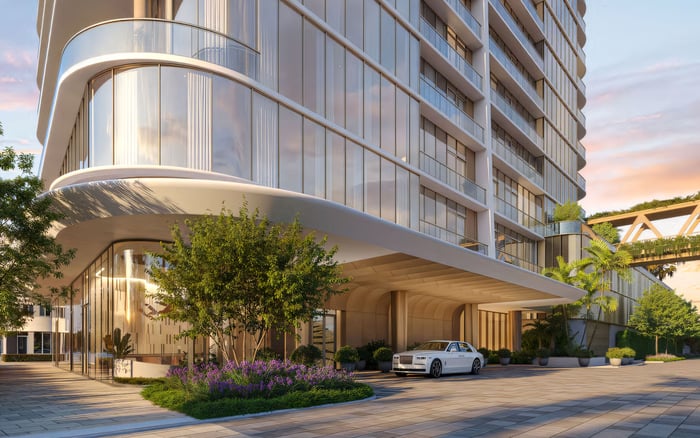
A discreet buyer’s guide to the staffing questions that shape privacy, service quality, daily access, and ownership ease in Midtown Miami luxury residences.

In luxury real estate, staffing is not an afterthought. It is part of how the home functions. Before buying in Midtown Miami, the right questions extend beyond finishes, views, parking, and amenities. They also concern who can enter the residence, how they are cleared, where they wait, how they move through the building, and whether the condominium culture supports the way you actually live.
For some buyers, in-residence staffing may mean a housekeeper, chef, nanny, estate manager, personal assistant, driver, trainer, nurse, dog walker, or rotating vendor team. For others, it is occasional support during seasonal occupancy. Either way, the staffing plan should be tested against the building’s rules before the contract feels final.
A buyer considering Miami Design Residences Midtown Miami, or comparing Midtown with Design District, Wynwood, Brickell, and Downtown Miami, should ask the same core question: will the building’s operational rhythm protect my privacy while making daily service effortless?
The first issue is access. Ask whether private staff must be pre-registered, whether identification is required, and whether recurring personnel can be added to an approved access list. Clarify who controls that list: the owner, the tenant if leased, the property manager, or the association. If access permissions need to change quickly, ask how updates are handled after hours.
Then ask how entries are recorded. A luxury building can feel serene on the surface while relying on strict back-end procedures. The ideal arrangement gives the owner convenience without creating casual access. You want a system that is simple for trusted staff, firm with unknown vendors, and transparent if a question arises later.
Also ask whether staff may enter when the owner is away. Seasonal owners should pay close attention here. If you expect housekeeping, wardrobe management, floral service, refrigerator stocking, or art handling during absences, the building must support that cadence in writing, not simply in conversation.
Staffing logistics often succeed or fail at the elevator. Ask whether there is a designated service elevator, whether reservations are needed for larger tasks, and whether staff may use resident elevators during normal visits. If your residence requires frequent catering, styling, childcare equipment, wellness services, or pet care support, small elevator policies can become daily friction.
Do not assume every vendor uses the same route. A chef bringing provisions, a trainer with equipment, a florist with large arrangements, and an art installer may each trigger different building procedures. Ask where vehicles unload, which entrance is used, and whether carts, dollies, garment racks, or protective coverings are required.
This matters beyond Midtown. Buyers comparing a neighborhood lifestyle with the vertical service culture of 2200 Brickell should examine how each building handles the practical choreography of movement, discretion, and timing.
There is a difference between a building employee, a third-party vendor, and a private household employee. Ask how the condominium defines each category. A full-time nanny or estate assistant may not fit neatly into a one-time vendor process. A daily housekeeper may need a credential, parking protocol, or recurring access authorization.
Ask whether private staff may receive packages, escort guests, manage deliveries, or wait in common areas. If you employ a driver, ask whether that person may remain on-site, use valet areas, or access parking. If you have a chef or household manager, ask whether staff may coordinate with the concierge directly or whether all requests must come from the owner.
The best answers will be specific. Vague assurances can sound polished during a tour and become inconvenient after closing. In premium urban living, this is where polish should meet policy.
In-residence staffing does not stop at the front door. Ask how staff arrive, where they park, and whether there are time limits. If valet is available, clarify whether private staff may use it, whether charges apply, and whether the owner can authorize recurring billing.
Loading areas deserve equal attention. If the home will host dinners, wardrobe appointments, wellness sessions, or frequent provisioning, ask how the loading dock or service entrance is scheduled. The smoothest luxury experience is often the one your guests never see. Behind that ease is a building that knows how to separate resident arrival, guest hospitality, vendor traffic, and household support.
For buyers comparing Midtown with nearby waterfront inventory such as Aria Reserve Miami, staffing questions can reveal meaningful lifestyle differences without relying on square footage alone.
Luxury buyers often want two things that can conflict: strong privacy and seamless service. Ask whether staff names are visible only to front desk personnel, whether access notes can be limited, and how sensitive instructions are handled. If your household includes public figures, children, health needs, or valuable collections, discretion should be operational, not performative.
Ask how the building handles cameras, visitor logs, package rooms, and amenity reservations involving staff. Can a trainer access a fitness area with the resident? Can a nanny bring a child to a children’s room or pool deck? Can a housekeeper take laundry to an approved service area? Each answer affects daily lifestyle quality.
A buyer looking at Frida Kahlo Wynwood Residences while also considering Midtown should pay attention to how creative-neighborhood energy is balanced with residential control.
South Florida ownership requires planning for the moments when the owner is not present. Ask who may secure outdoor furniture, receive emergency maintenance, coordinate leak response, or allow approved contractors into the residence. If you have a household manager, clarify whether that person can act on your behalf and what written authorization is required.
Ask whether staff can access the unit before and after severe weather, whether building management communicates directly with approved representatives, and whether there are blackout or restricted-access periods. Even if you never need the procedure, knowing it exists can be the difference between calm ownership and improvised decision-making.
Before closing, have the condominium documents reviewed through the lens of staffing. Look for rules on guests, vendors, deliveries, parking, pets, leasing, insurance, background checks, construction, amenity use, and quiet hours. These provisions may seem standard until they touch a real household routine.
If you are comparing Midtown with Downtown Miami residences such as Casa Bella by B&B Italia Downtown Miami, ask the same staffing questions in each setting. The goal is not to find the most permissive building. It is to find the building whose rules match your expectations for privacy, service, and control.
Before you sign, ask for practical answers in writing where possible. Who approves recurring staff? Which entrances and elevators are used? Where do staff park? Can staff enter when you are away? What happens after hours? Are there fees, insurance requirements, or limits on vendor times? Can your representative act during emergencies? How are sensitive instructions protected?
A luxury residence should not require constant negotiation to function well. The right building will make staffing feel composed, secure, and almost invisible. In Midtown Miami, that quiet operational confidence may become one of the most valuable amenities you own.
Why should staffing logistics matter before buying? They affect privacy, daily convenience, security, service quality, and how easily the residence supports your household routine.
Should I ask about staff access before making an offer? Yes. Ask early, then confirm key procedures during due diligence so expectations are not based only on tour conversations.
Can private staff usually enter when an owner is away? It depends on the building’s rules and authorization process. Ask what written permissions are required for recurring or emergency access.
What should seasonal owners focus on? Prioritize absentee-owner procedures, storm preparation access, package handling, maintenance entry, and communication with approved representatives.
Are household employees treated differently from vendors? They may be. Ask how the building classifies recurring household staff, one-time vendors, drivers, caregivers, and service providers.
What elevator questions are most important? Ask whether staff use service elevators, whether reservations are required, and how deliveries or equipment are moved through the property.
Should my attorney review staffing-related rules? Yes. Condominium documents can contain provisions on vendors, guests, parking, insurance, amenity use, pets, and access permissions.
How do staffing rules affect privacy? Strong rules can limit unnecessary exposure, but overly cumbersome procedures may make daily service visible or inefficient.
What if I employ a driver or estate manager? Ask about parking, waiting areas, communication with concierge, package authority, guest escort permissions, and emergency authorization.
Is the most flexible building always best? Not necessarily. The better choice is a building with clear, enforceable procedures that match your household’s desired level of service.
When you're ready to tour or underwrite the options, connect with MILLION.
If branded residences are on your mind — as a home or as an allocation — we would be glad to share what we are seeing, privately.
Begin a quiet conversation