An art-focused buyer’s guide to evaluating Setai Residences Miami Beach as a luxury residential platform for climate discipline, light control, logistics, and collection protection.
For many Miami Beach buyers, the conversation begins with oceanfront arrival, service, privacy, and the emotional pull of living in South Beach. For serious collectors, it should begin one layer deeper. A residence is not only a place to display art. It is a physical and operational environment that must protect portable wealth from humidity, heat, light, vibration, water intrusion, and avoidable handling risk.
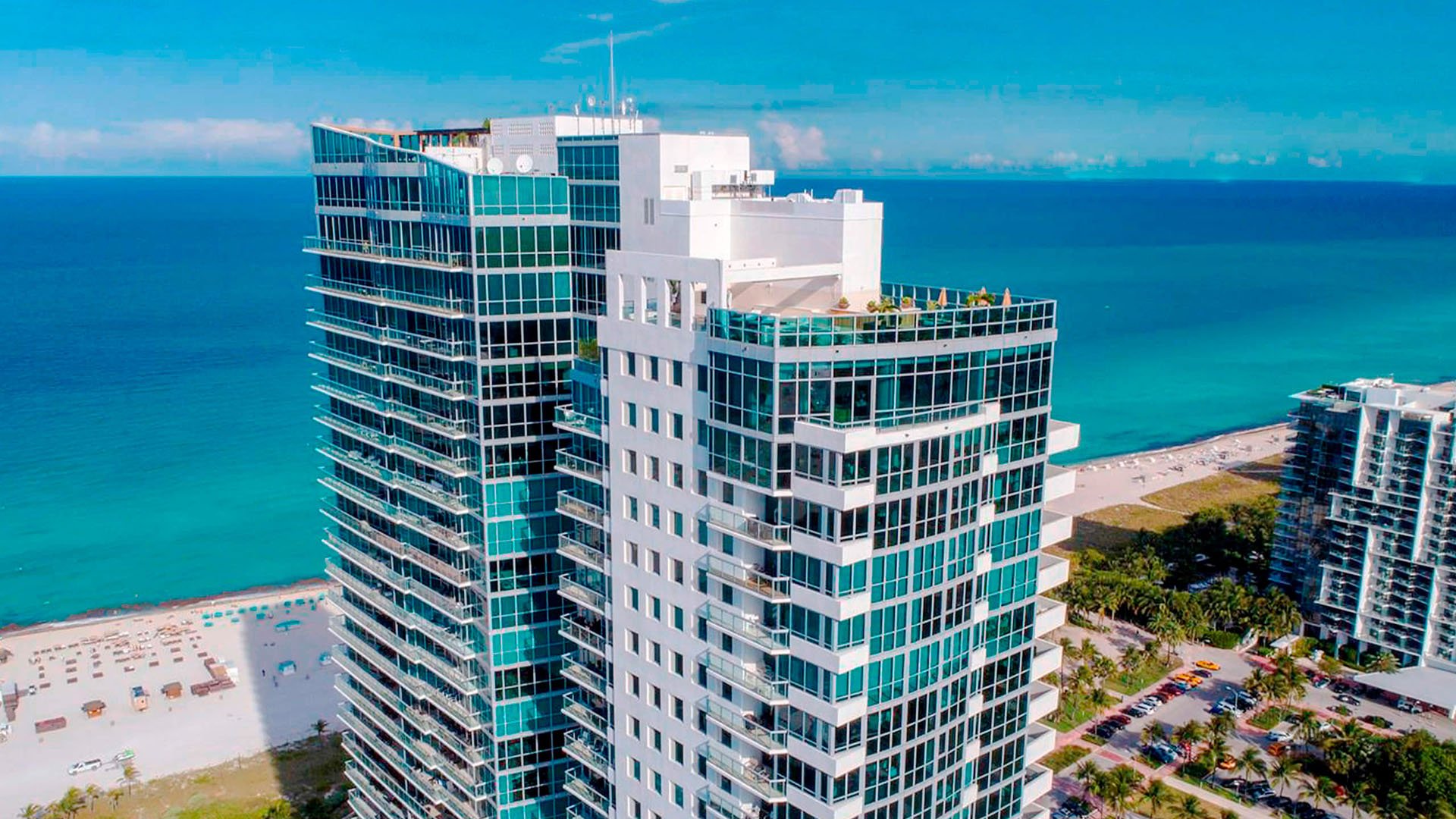
That is why Setai Residences Miami Beach belongs in the discussion for buyers prioritizing collector-grade art storage. Not because it should be treated as a purpose-built institutional storage facility, but because its luxury high-rise format, hospitality-associated identity, and oceanfront position create a platform that may be configured toward more exacting preservation standards.
The important distinction is control. A collector should not simply ask whether a home is beautiful enough for art. The stronger question is whether the residence can be tuned to support stable climate, controlled light, discreet movement of works, and an operational discipline that approaches a museum-adjacent standard while remaining a private home.
Setai’s relevance for art owners begins with its hybrid character: a luxury residential property associated with a hospitality environment. In the world of branded residences, that operational setting can matter because valuable works often depend on systems, rules, and routines as much as finishes.
For a collector, service depth and oversight become part of the due-diligence equation. Moving a large canvas, receiving a crate, coordinating specialist installers, or restricting access during a rehang are not casual tasks. They require predictability, discretion, and a building culture that understands high-value private property. Buyers should still verify all procedures directly, but the presence of a hospitality-style residential environment is part of why Setai can merit a place on the shortlist.
This is a different lens from the typical luxury comparison. Nearby Miami Beach and coastal buyers may also consider design-forward addresses such as The Perigon Miami Beach or landmark lifestyle properties such as Faena House Miami Beach. For the art-focused buyer, however, the key issue is not simply which building is most glamorous. It is which residence can be adapted most intelligently around conservation, insurance, and logistics.
Collector-grade storage begins with air. Paintings, works on paper, photography, panels, textiles, and mixed-media pieces can be vulnerable when temperature or relative humidity fluctuates too widely. Buyers should ask a qualified conservator to define appropriate targets for the specific works they intend to store or display.
Those conditions should not be assumed from luxury status alone. Buyers should ask how the residence performs across seasons, during peak heat, after storms, and when the unit is vacant. HVAC capacity, zoning, dehumidification, fresh-air exchange, and monitoring should be evaluated before acquisition or as part of a post-closing upgrade plan.
In an oceanfront setting, the stakes rise. Salt air, coastal moisture, and storm exposure are part of the beauty and complexity of waterfront ownership. For a collector, the question is whether those conditions can be managed inside the envelope. A private residence may be elegant, expansive, and rare, but if humidity moves beyond an appropriate conservation plan, the art program becomes vulnerable.
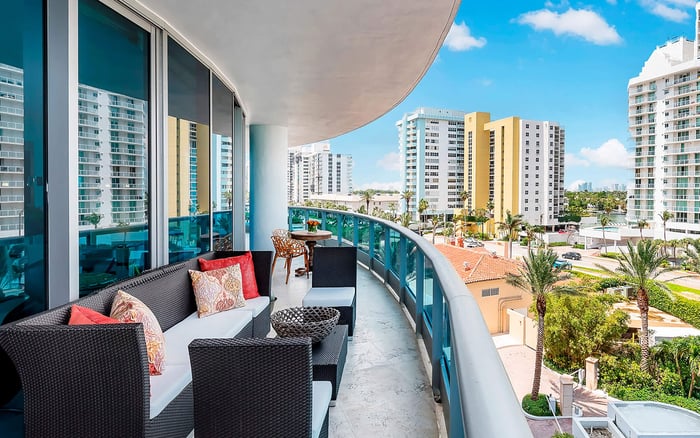
The same glazing that gives a Miami Beach residence its drama can create conservation challenges. Expansive glass delivers views, daylight, and openness, but art owners must account for UV exposure, heat gain, and fading risk. This does not mean a collector should avoid glass. It means glass must be treated as both a design variable and a preservation variable.
The most sophisticated interiors plan art before the final lighting layout. UV-filtering films, controlled shades, dimmable systems, sensors, and carefully selected wall zones can make a meaningful difference. The safest place for a sensitive work may not be the most cinematic wall in the room. Direct sun paths, glare, reflected heat, and proximity to balcony doors all deserve scrutiny.
This is where Setai’s luxury-tower profile can be useful. A residence with strong bones and adaptable interiors may allow an owner to create dedicated gallery zones, controlled display walls, or custom storage areas. Buyers should confirm what modifications are allowed by condominium rules, what approvals are required, and whether any intervention affects building systems or exterior appearances.
High-rise living introduces variables that collectors should assess carefully. Floor level, wind exposure, solar orientation, facade condition, balcony detailing, and storm risk can all shape an art-storage plan. Higher floors may offer prestige and views, but they may also present specific handling, elevator, wind, and exposure considerations. Lower floors may raise different questions around storm surge, water entry, and emergency planning.
The building envelope deserves special attention. Exterior walls, roof conditions, facade maintenance, balcony thresholds, and window systems are more than engineering details. Moisture intrusion can damage canvases, panels, frames, and works on paper. For a buyer with meaningful art holdings, envelope review is not a technical afterthought. It is part of collection risk management.
Oceanfront ownership is never a single-variable decision. The prestige of living directly by the Atlantic is real, and oceanfront residences remain among South Florida’s most desired assets. But collectors must underwrite the coast with precision. The right question is not whether the view is worth it. The right question is what level of environmental control is required to make the view compatible with the collection.
Art is most vulnerable when it moves. Delivery, unpacking, elevator transfer, installation, rotation, and removal all create risk. For this reason, vertical transportation and back-of-house logistics matter. A collector should understand elevator dimensions, loading protocols, service access, delivery windows, security procedures, and whether large works can be moved discreetly without crossing high-traffic public areas.
Setai’s appeal is partly that it can be evaluated as an operational environment, not merely as a set of rooms. A buyer should still ask direct questions: Can a crated work enter without excessive tilting? Are there procedures for after-hours moves? How is access controlled? Can specialist handlers stage safely? What insurance documentation is expected? These details may feel procedural, but for seven-figure art, procedure is protection.
The same scrutiny applies across the upper tier of Miami Beach residences. Collectors comparing Shore Club Private Collections Miami Beach and The Ritz-Carlton Residences® Miami Beach should evaluate not only finishes and amenities, but also the practical choreography of moving and maintaining art.
Setai Residences Miami Beach is compelling for the collector who wants a livable private residence that can be configured with conservation-minded discipline. Its value in this context is not that it replaces professional off-site storage for the most sensitive or rarely displayed pieces. Rather, it offers a luxury residential platform where the owner can pursue art-specific upgrades, including lighting controls, environmental monitoring, custom storage, and careful gallery planning.
That makes Setai a nuanced candidate. It is neither a generic lifestyle purchase nor an institutional vault. It occupies the middle ground many South Florida collectors actually need: a home refined enough for daily living, prominent enough for major works, and operationally serious enough to justify deeper technical due diligence.
The final decision should be made with conservators, art handlers, insurance advisors, design professionals, and building specialists. For the right buyer, Setai’s combination of Miami Beach setting, hospitality-associated residential identity, and adaptable luxury infrastructure is precisely why it deserves a careful place on the shortlist.
Is Setai Residences Miami Beach a purpose-built art-storage facility? No. It is best understood as a luxury residential platform that may be adapted for higher-level art preservation when properly configured.
What climate conditions should collectors evaluate? Buyers should assess whether temperature and humidity can remain stable enough for the specific works they plan to display or store.
Why does oceanfront exposure matter for art? Coastal moisture, salt air, storms, and sun exposure can affect how a collection should be displayed, stored, insured, and monitored.
Are large glass walls a problem for collectors? They can be if unmanaged. UV-filtering films, controlled shades, and careful artwork placement can help reduce exposure risks.
Should art be placed away from direct sun paths? Yes. Sensitive works should generally avoid direct sunlight, heat gain, glare, and areas near frequently opened exterior doors.
Do higher floors automatically protect a collection better? Not necessarily. They may reduce some concerns while introducing others, including wind exposure, logistics, elevator handling, and solar intensity.
Why are elevator and loading protocols important? Valuable works are often most vulnerable during movement, so discreet access, adequate dimensions, and predictable procedures matter.
What should buyers review before modifying interiors for art? They should confirm condominium rules, approval requirements, building-system constraints, and any limits on glazing, lighting, sensors, or storage alterations.
Can Setai support a museum-adjacent residential environment? It may be suitable for that goal if the residence is carefully assessed and upgraded for climate, light, security, and logistics.
Who should advise an art-focused buyer before purchase? A conservator, art handler, insurance advisor, designer, and building specialist can help determine whether the residence fits the collection’s needs.
For a confidential assessment and a building-by-building shortlist, connect with MILLION.
If branded residences are on your mind — as a home or as an allocation — we would be glad to share what we are seeing, privately.
Begin a quiet conversation