A discreet buyer’s guide to evaluating HOA fee escalation before purchasing luxury real estate in Key Biscayne, with practical questions for budgets, reserves, amenities, insurance, governance, and long-term carrying costs.
In Key Biscayne, the purchase price is only the most visible part of the conversation. For a luxury condominium buyer, the monthly association fee can shape ownership as meaningfully as the view corridor, floor height, or finishes. A well-run association can protect privacy, service quality, building condition, and resale confidence. A poorly understood fee structure can turn a beautiful residence into an unpredictable carrying-cost story.
The point is not to fear escalation. Buildings age, insurance markets move, staffing standards evolve, and residents expect amenities to remain polished. The better question is whether increases are disciplined, documented, and aligned with the lifestyle being delivered. In a market where Waterfront and Oceanfront ownership are central to the appeal, buyers should treat the HOA budget as a living operating plan, not a footnote.
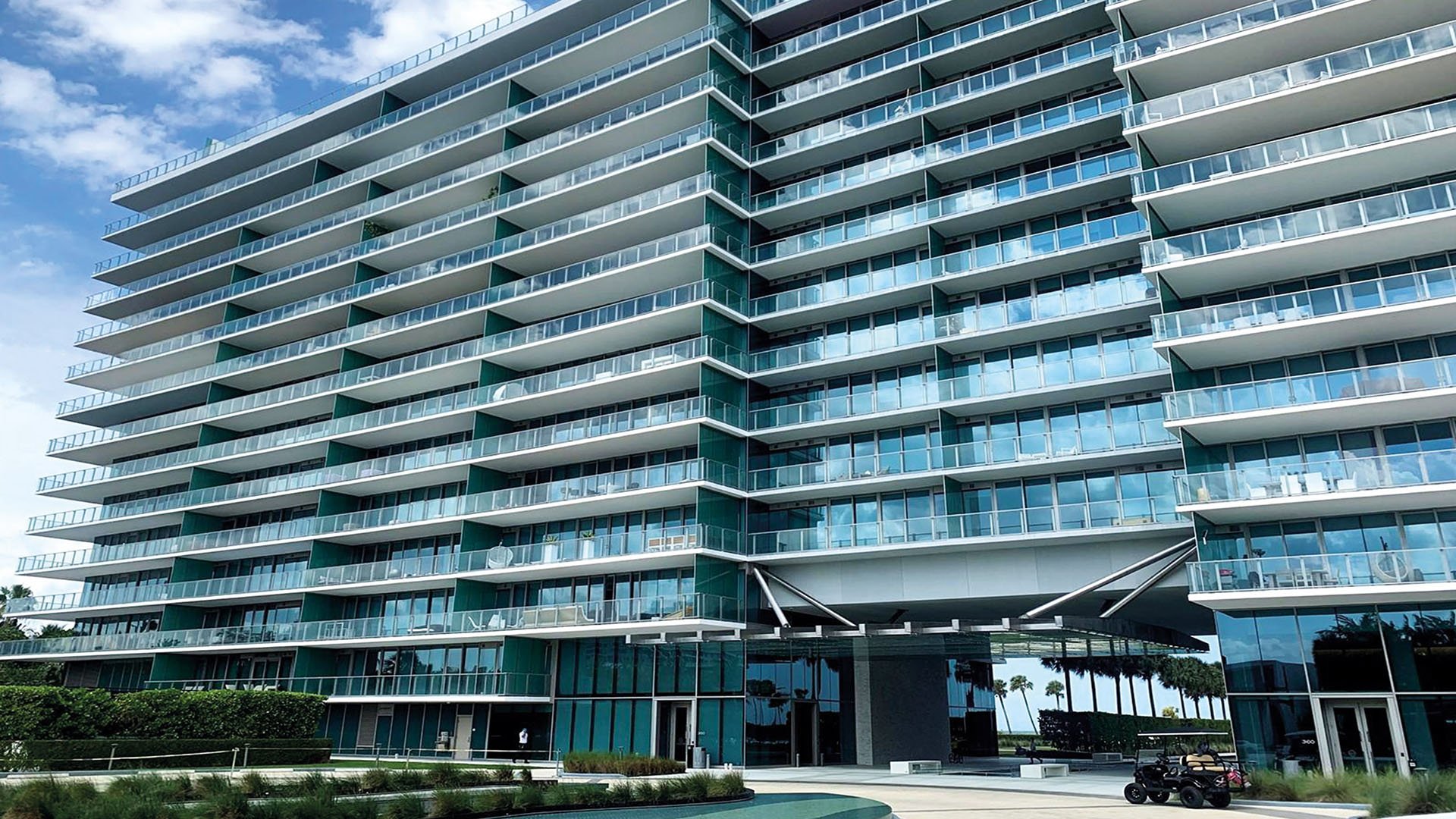
This is especially true for buyers comparing Key Biscayne with other prime enclaves. A residence at Oceana Key Biscayne may invite a different conversation than a larger mainland tower, a private island estate, or a boutique coastal building. The fee itself is not the answer. The reason behind it is.
Before buying, ask for the pattern of fee increases over the last several years and request a plain-English explanation of each material change. Was the increase driven by staffing, insurance, utilities, reserves, maintenance, capital projects, or a change in service expectations? The distinction matters.
A one-time adjustment after years of underfunding is very different from a recurring pattern of reactive budgeting. Ask whether the association has historically met operating needs through regular assessments, special assessments, reserve contributions, or deferred work. Listen for clarity. A confident board or management team should be able to explain what residents are paying for and why.
Also ask how the current budget was built. Was it designed to maintain the property at its present standard, improve it, or catch up from previous shortfalls? In luxury real estate, the most expensive HOA is not always the highest one. It may be the one that appears low because it does not yet reflect the true cost of maintaining the asset.
Reserve funding is one of the most important subjects in any Buyer's Guides discussion about condominium ownership. For a high-end Key Biscayne buyer, reserves are less about accounting language and more about continuity. They help a building address future repairs, replacements, and major projects without unnecessary surprises for owners.
Ask for the reserve study, the reserve schedule, and the association’s current funding posture. Then ask which major components are expected to require attention over the coming years. Elevators, roofs, mechanical systems, pool decks, landscaping, security systems, lobby finishes, and exterior maintenance can all affect the long-term cost of ownership. The point is not to memorize every line item. The point is to understand whether the building is planning ahead.
A refined buyer should also ask whether reserves are being used for true long-term needs or to offset routine operating pressure. If reserves are repeatedly tapped for ordinary expenses, that may signal a budget that is not keeping pace with the property’s real operating profile.
In coastal South Florida, insurance is often one of the most sensitive parts of the association budget. For Key Biscayne buyers, the question should be precise: what coverage does the association carry, what has changed in the premium structure, and how much room is built into the budget for future movement?
Do not stop at the annual premium. Ask about deductibles, exclusions, required owner coverage, and the relationship between the association policy and your personal policy. A luxury residence may have interior upgrades, custom millwork, art lighting, specialty flooring, or private outdoor improvements that deserve separate review. Your attorney and insurance advisor should help distinguish what the association covers from what remains your responsibility.
This is where Pricing & Trends can be misleading if reduced to sale price alone. A residence with a compelling acquisition number but unstable carrying costs may not be the better buy. Conversely, a building with higher monthly fees, strong planning, and transparent insurance management may offer a calmer ownership profile.
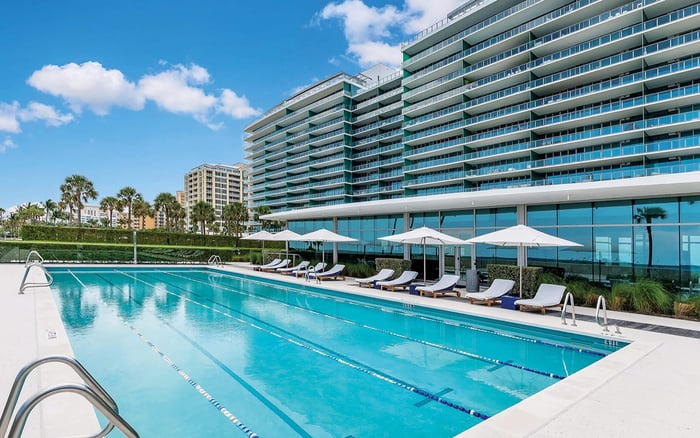
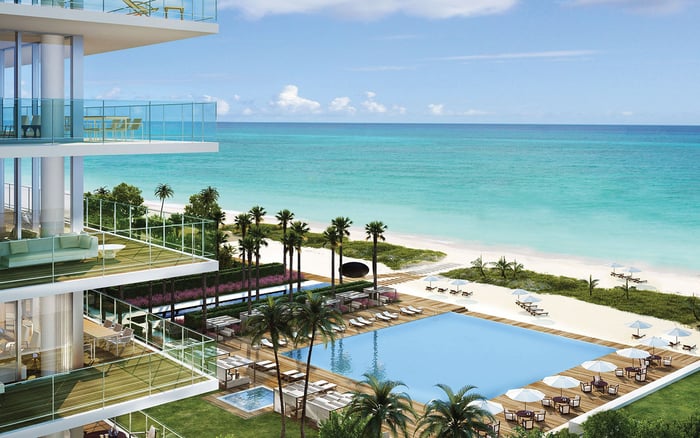
Luxury amenities are not free. Pools, gyms, spas, valet, concierge, beach service, marina-adjacent conveniences, private dining rooms, wellness spaces, and staffed arrival experiences all require labor, maintenance, insurance, and replacement planning. The correct question is not whether a building has amenities. It is whether those amenities are used, maintained, and funded at the level promised.
Ask for the staffing model. Are services handled by employees, vendors, or a combination? Have contracts been recently renegotiated? Are service levels likely to increase, contract, or be redesigned? In a discreet luxury setting, staffing is often what turns architecture into daily ease.
Comparisons can be useful, but only when they are thoughtful. A buyer considering Key Biscayne may also look at private-island offerings such as The Residences at Six Fisher Island, branded coastal residences like Rivage Bal Harbour, or wellness-forward addresses such as The Well Coconut Grove. Each service model carries a different operating logic. The fee should match the lifestyle, not simply the square footage.
A building’s financial health is often inseparable from its governance culture. Ask how often the board communicates with owners, how budgets are presented, and whether meeting materials are clear. Review minutes for recurring disputes, deferred projects, litigation references, vendor concerns, or owner resistance to necessary funding.
The best-run luxury associations tend to be transparent without being theatrical. They explain decisions, document priorities, and preserve the long-term asset even when short-term savings would be more popular. For a buyer, that discipline is valuable. It suggests the building is being treated as a serious residential institution, not merely a collection of private units.
Also ask about owner participation. Are residents aligned on maintaining a high standard, or is there tension between lifestyle expectations and the willingness to fund them? In a boutique building, a small group of owners can significantly influence the tone. In a larger building, committee structure and professional management may matter more.
The most effective HOA diligence happens before your negotiating leverage fades. Ask for the current budget, recent financial statements, reserve materials, meeting minutes, insurance summaries, pending assessment information, rules and regulations, and any capital project disclosures. Have your counsel and accountant review them in context.
Then ask direct questions. What increases are already anticipated? Are any assessments being discussed but not yet approved? Are there projects under consideration that could materially change owner costs? Are vendor contracts expiring soon? Are there lawsuits, warranty issues, or construction matters that could affect future budgets?
For Key Biscayne, also ask how the building plans for exterior maintenance, landscaping, access control, and coastal wear. A serene arrival experience requires continuous care. When that care is funded thoughtfully, it protects both lifestyle and asset quality.
HOA escalation should not automatically disqualify a residence. It should refine the valuation. A sophisticated buyer will compare purchase price, monthly carrying costs, expected increases, reserve strength, service quality, and resale narrative as one integrated picture.
If fees are rising because the building is improving its financial discipline, the increase may be reasonable. If fees are rising because of repeated surprises, weak reserves, or unclear planning, the risk deserves a different price conversation. In some cases, HOA diligence can support a stronger offer because the building is clearly well managed. In others, it can justify a more conservative bid or a decision to walk away.
The essential standard is simple: the association fee should feel explainable. Not necessarily low, not necessarily fixed, but explainable. In Key Biscayne luxury ownership, that clarity is part of the privilege.
What is the first HOA question to ask before buying in Key Biscayne? Ask what has caused recent fee increases and whether any future increases are already anticipated.
Are higher HOA fees always a warning sign? No. Higher fees may reflect strong staffing, reserves, insurance planning, and well-maintained amenities.
What documents should I review before committing? Review budgets, financial statements, reserve materials, meeting minutes, insurance summaries, rules, and assessment notices.
Why do reserves matter in a luxury condominium? Reserves help fund major future needs and can reduce the likelihood of unexpected special assessments.
Should I compare HOA fees by square foot? It can be useful, but service level, amenities, staffing, reserves, and building condition matter more.
Can a low HOA fee be risky? Yes. A low fee may be attractive, but it should be tested against reserves, maintenance needs, and future projects.
How should insurance affect my review? Ask what the association covers, what deductibles apply, and what separate owner coverage you may need.
Do amenities drive HOA escalation? They can. Staffed, high-touch amenities require ongoing labor, maintenance, contract oversight, and replacement planning.
When should my attorney review HOA materials? Ideally before your contingency period ends, so any concerns can be addressed while you still have options.
What is the best way to shortlist comparable options for touring? Start with location fit, delivery status, and daily lifestyle priorities, then compare stacks and elevations to validate views and privacy.
For a discreet conversation and a curated building-by-building shortlist, connect with MILLION.
If branded residences are on your mind — as a home or as an allocation — we would be glad to share what we are seeing, privately.
Begin a quiet conversation