A practical, design-minded guide for South Florida buyers weighing the comfort, privacy, governance and long-term value of hotel-branded service in a primary residence.
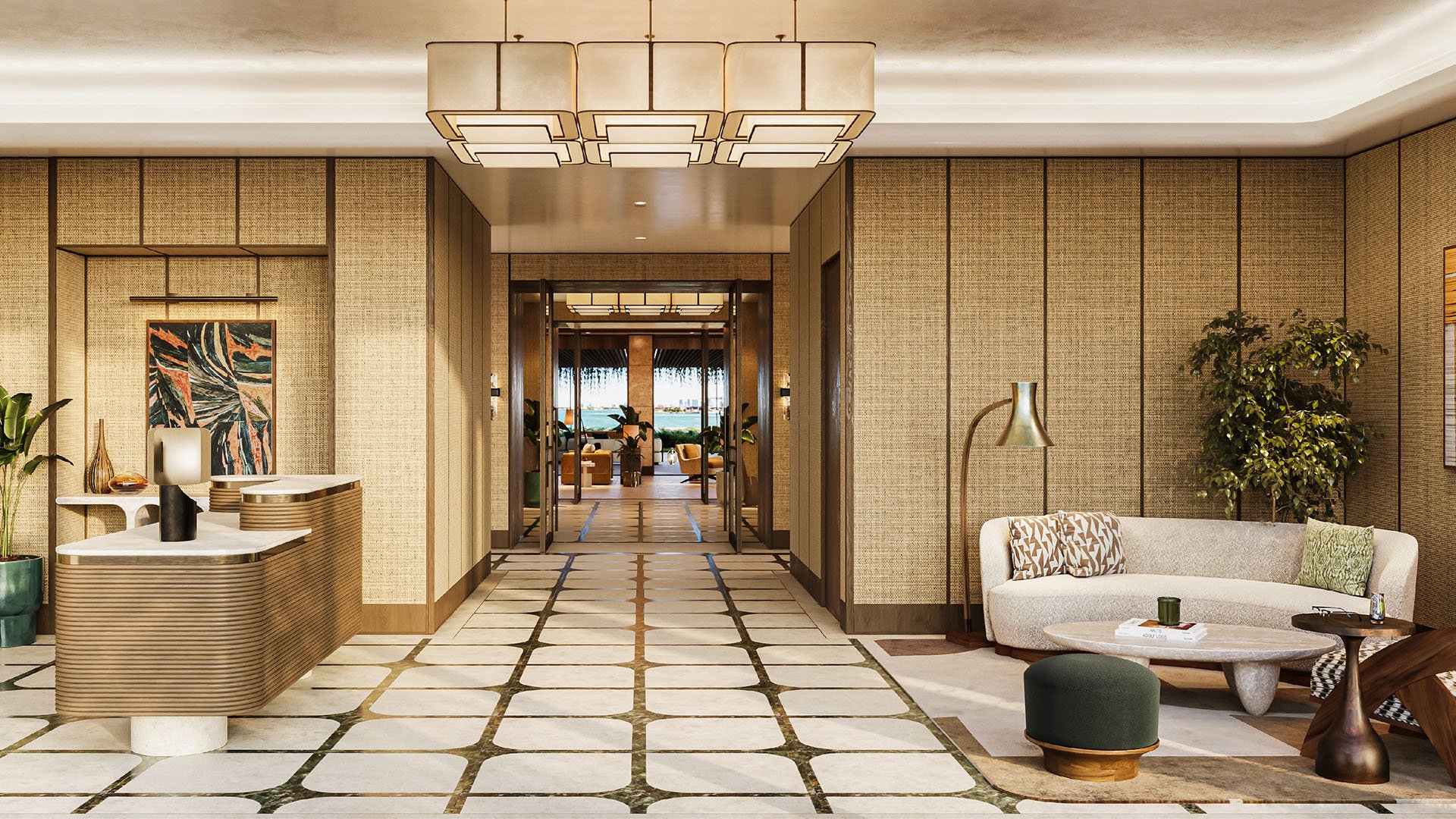
Hotel-branded service can be seductive in South Florida. An attended arrival, a polished lobby, a familiar hospitality name and the quiet promise that someone capable is always nearby all carry emotional weight. Yet the right question is not whether the building feels impressive on a tour. The better question is whether that service will improve your ordinary Tuesday.
A primary home is different from a resort stay. You are not checking in for a long weekend. You are receiving packages, hosting family, walking the dog, managing contractors, recovering from travel, working from home and returning late from dinner. In that context, Branded Residences should be judged less by theater and more by utility. The best version of hotel-style living is not constant attention. It is intelligent support that appears when needed and recedes when it is not.
For a buyer in Brickell, the calculus may center on velocity and convenience. At St. Regis® Residences Brickell, for example, the appeal for many primary-home buyers is the idea of a refined residential base in a dense urban setting, where daily transitions need to feel seamless rather than effortful.
The phrase “hotel-branded service” can imply very different expectations. Some buyers picture valet, concierge, package handling and a lobby team that knows residents by name. Others imagine private dining coordination, housekeeping options, wellness programming, preferred reservations or an elevated approach to arrival and guest management.
Before comparing buildings, write down the services you would use every week, the services you would use monthly and the services you simply like knowing exist. This exercise is clarifying. If your weekly list is long, a deeply serviced building may be a rational choice. If your real needs are limited to security, privacy and a competent front desk, a quieter luxury condominium may suit you better.
Lifestyle should lead the analysis. A household that travels often, entertains frequently or maintains multiple residences may find real value in having a trained team at the property. A household that prizes self-sufficiency, minimal interaction and highly private routines may prefer a building where service is available but not culturally central.
For primary residences, privacy is not an amenity. It is the foundation. The more service a building offers, the more important it becomes to understand how access, guest flow, vendor entry and staff discretion are handled.
A good service culture should make life feel protected, not observed. Residents should never feel as if the building lobby is a public stage or that daily routines are visible to too many people. Ask how visitors are announced, how deliveries are managed, how staff interact with residences and whether there are separate paths for service functions where appropriate.
In Miami Beach, this can be especially important because the line between resort energy and residential calm must be carefully maintained. A property such as The Ritz-Carlton Residences® Miami Beach may appeal to buyers who want a recognizable service philosophy, but the decision still turns on how quietly that service integrates into daily private life.
A name can open the door, but management discipline keeps the experience intact. Buyers should look beyond the logo and ask how the building will function over time. Who manages the residential service? How are standards maintained? What is included in ownership costs, and what is available à la carte? How are staffing levels adapted as the building matures?
The most successful branded residential environments tend to feel consistent. The lobby does not feel overstaffed one month and thin the next. The concierge desk is not ornamental. Procedures are clear, the tone is polished and the service team understands the difference between hospitality and intrusion.
This is also where governance matters. A primary home is a long-term decision, so owners should understand association structure, rules for guests, rental policies, pet policies, amenity access and the process for modifying service offerings. A beautiful brand can still feel mismatched if the building’s operating rules do not align with how you intend to live.
South Florida is not one market. Brickell, Miami Beach, Fort Lauderdale, Boca Raton, Sunny Isles and Palm Beach each carry different rhythms. Hotel-branded service belongs in a primary home when it solves for the friction of that specific location.
In Fort Lauderdale, for instance, a buyer may value arrival, beach access, marina proximity or the ease of hosting visiting friends without turning the residence itself into a hotel. Four Seasons Hotel & Private Residences Fort Lauderdale speaks to that coastal service sensibility, but the right fit still depends on whether the building’s daily experience feels residential enough for full-time living.
In Boca Raton, the decision may be more about refinement, privacy and a composed club-like atmosphere than urban convenience. The Residences at Mandarin Oriental Boca Raton illustrates how the branded-residence conversation can shift by location, with the service proposition evaluated through the lens of long-term comfort rather than vacation energy.
Service is never free, even when it feels effortless. The buyer’s task is to understand not only the monthly obligation but the value received for that obligation. A serviced building can be excellent value for someone who uses the team often and appreciates the time returned. It can feel expensive for someone who mainly wants architecture, views and privacy.
Review what is included in regular assessments and what is charged separately. Ask how gratuities are handled, whether staffing is in-house or contracted, and how special requests are priced. Also consider whether the service culture will affect resale. A strong brand may broaden appeal among certain buyers, but only if the building’s operations remain disciplined and the residential experience feels authentic.
The finest homes in South Florida often share one trait: restraint. Over-service can make a primary residence feel like a lobby-driven environment rather than a sanctuary. Too much programming, too much visibility or too much hospitality language can fatigue residents who simply want to come home.
During a visit, pay attention to your body. Do you feel relaxed or performed to? Does the staff greet you with warmth without pressing? Are common areas elegant without feeling like a public venue? Can you imagine reading, returning from a flight, meeting a friend or sending a child downstairs without friction? These subtle reactions matter.
The ideal hotel-branded primary home offers confidence. It gives you the comfort of a capable team, the polish of a high-standard environment and the privacy of a true residence. If any one of those elements overwhelms the others, pause.
Choose hotel-branded service if it solves recurring problems in your life. Choose it if you travel frequently, value predictability, entertain with some regularity, want a more managed arrival experience or prefer a residence where service standards are intentionally curated.
Be more cautious if you rarely use concierge services, dislike visible staffing, prefer a less formal atmosphere or want total control over the cadence of your home. In those cases, an unbranded ultra-luxury building may offer the privacy and design quality you want without the service layer you may not need.
The best decision is not about status. It is about fit. A primary home should make life calmer, more secure and more personal. If the brand supports that outcome, it belongs. If it becomes the main event, it may be better suited to a second home or occasional-use property.
Is hotel-branded service worth it in a primary home? It can be worth it if you use the services regularly and value consistency, privacy and convenience. If the brand is mainly symbolic for you, the premium may be harder to justify.
What should I ask before buying a branded residence? Ask what services are included, what costs extra, how staff are managed and how resident privacy is protected. Governance and operating rules matter as much as the name.
Does a branded residence feel like living in a hotel? The best examples should not feel transient or public. They should translate hospitality standards into a calm residential environment.
Who is the ideal buyer for hotel-branded service? Frequent travelers, busy executives, social hosts and multi-home owners often benefit most. The common thread is a desire for capable support without daily friction.
Can too much service be a drawback? Yes. If service feels intrusive, performative or overly programmed, it can reduce the sense of sanctuary that a primary home should provide.
How important is the brand name itself? The name can signal standards, but execution is more important. A disciplined building culture matters more than a logo in daily life.
Should I compare branded and unbranded buildings? Yes. Comparing both helps clarify whether you are paying for services you will actually use or simply responding to the appeal of the brand.
Do hotel-branded residences suit families? They can, provided privacy, security, guest procedures and common-area behavior align with family life. The building should feel residential, not transient.
What is the biggest mistake buyers make? The biggest mistake is touring for glamour rather than living patterns. A primary residence should be evaluated through daily routines, not arrival drama.
How do I know if the service level is right? Imagine a normal weekday in the building, not a special occasion. If the service removes friction while preserving privacy, the fit is likely strong.
To compare the best-fit options with clarity, connect with MILLION.
If branded residences are on your mind — as a home or as an allocation — we would be glad to share what we are seeing, privately.
Begin a quiet conversation