A discreet buyer’s guide for Chicago residents considering boutique Fort Lauderdale residences, with a focus on privacy, neighborhood fit, service culture, waterfront priorities, and long-term ownership logic.
Fort Lauderdale is not simply Chicago in a warmer climate. For a buyer accustomed to full-service urban living, lakefront routines, and a clear divide between weekday pace and weekend escape, the move requires a more exacting lens. The best boutique residence is not the one with the loudest presentation. It is the one that quietly resolves privacy, service, exposure, access, and ease.
Chicago buyers often arrive with sophisticated expectations. They understand lobby choreography, staff discretion, elevator culture, building governance, and the value of a residence that performs in every season. In Fort Lauderdale, those instincts remain useful, but they must be recalibrated around waterfront living, outdoor rooms, hurricane-season planning, and the softer rhythm of a coastal city.
This is where a boutique search becomes highly personal. Boutique does not only mean fewer residences. It means a building where scale, staffing, arrival, amenity use, and neighbor density create a particular way of living. The distinction matters because the difference between elegant and merely expensive is often felt in the details.
A Chicago buyer should define boutique before entering a sales gallery or private showing. Is the priority fewer neighbors, quieter amenities, more individualized service, a calmer arrival sequence, or a residence that feels less like a hotel and more like a private club? Each answer changes the search.
Smaller scale can be appealing, but it should be evaluated with discipline. Ask how the building is staffed, how service is delivered, how maintenance is handled, and how the association will support the level of finish being promised. A boutique residence should feel intimate without feeling under-resourced.
This is especially important for new-construction buyers. A fresh building may offer the latest design language, but the owner experience depends on operations after delivery. The right questions are not only about finishes. They are about governance, reserves, service protocols, storage, parking, guest flow, and how the building protects quiet enjoyment.
Chicago buyers know exposure. They understand the difference between morning light, western sunsets, city glow, and water views. In Fort Lauderdale, that same sensitivity should extend to terraces, cross-breezes, shade, privacy from neighboring buildings, and how outdoor space functions throughout the day.
A residence that photographs beautifully may not live well if the terrace feels exposed, the arrival lacks discretion, or the service areas are poorly planned. Conversely, a quieter floor plan with balanced proportions and practical circulation may deliver a more refined experience than a more dramatic alternative.
Waterfront living adds another layer. Waterfront does not automatically mean better. It should be tested against the buyer’s real life. Will the owner prioritize boating, beach access, river views, walkability, or a calm outlook from the primary suite? The answer should lead the search rather than follow the marketing.
Fort Lauderdale offers several distinct ownership rhythms. Las Olas appeals to buyers who want restaurants, galleries, and an urban promenade close at hand. Beach-oriented settings suit those who want the vacation feeling built into daily life. River and marina-adjacent locations can feel more private, especially for buyers who like movement on the water without sacrificing city convenience.
The key is to avoid choosing by postcard. A Chicago buyer who enjoys the Gold Coast may not automatically want the most visible address. Someone used to Lincoln Park calm may prefer a more residential mood. A buyer who has lived in a highly serviced downtown tower may value a recognizable hospitality standard, but only if it remains discreet.
When comparing Fort Lauderdale opportunities, use projects such as Riva Residenze Fort Lauderdale and Sixth & Rio Fort Lauderdale as prompts for deeper questions about neighborhood rhythm, arrival sequence, and day-to-day access. The point is not to chase a name. The point is to understand which address best supports the life you are actually moving toward.
In luxury real estate, service can be overdesigned. The strongest boutique buildings understand restraint. They make life easier without making it theatrical. For a Chicago buyer, this distinction is familiar: the best staff presence is usually felt before it is seen.
Ask how guests arrive, how deliveries are managed, how valet or parking is handled, and whether amenity areas will feel calm during peak usage. Ask how many decision-makers are involved in the association and how the building will preserve standards as it matures. Privacy is not just a matter of square footage. It is a function of planning.
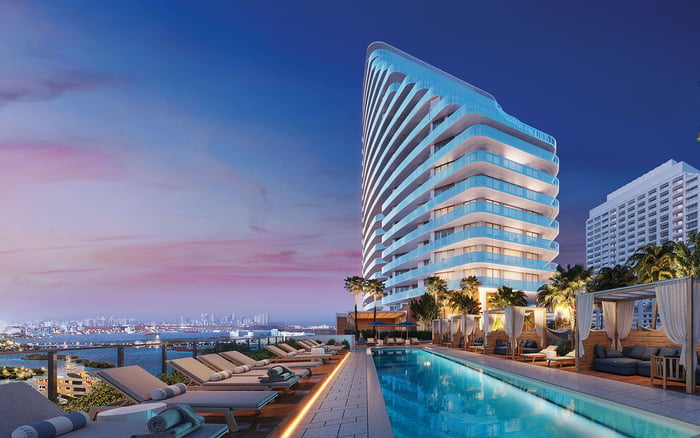
Residences such as Four Seasons Hotel & Private Residences Fort Lauderdale and The Ritz-Carlton Residences® Fort Lauderdale also remind buyers to evaluate the role of brand language carefully. A recognized name may suggest a certain service expectation, but the purchase decision should still return to floor plan, privacy, building culture, and whether the offering feels aligned with the owner’s temperament.
Before making an offer, reduce the decision to a shortlist test. First, would the residence be comfortable on an ordinary Tuesday, not just on a winter weekend? Second, does the building feel calm when imagined at full occupancy? Third, can the location support the buyer’s daily rituals without unnecessary driving or friction? Fourth, does the residence have enough practical storage and service space for real ownership?
Then consider resale logic. Boutique residences can be compelling because scarcity is easier to understand when the building has a distinct point of view. Yet scarcity alone is not enough. The residence should have a defensible reason to exist: an exceptional setting, a refined plan, a disciplined service model, or a rare balance of privacy and convenience.
For some buyers, St. Regis® Residences Bahia Mar Fort Lauderdale may enter the conversation because it frames the search around a recognizable private-residence identity. For others, the better choice may be quieter, smaller, or less immediately obvious. In either case, the strongest purchase is the one that still feels intelligent after the initial excitement settles.
A Chicago-to-Fort Lauderdale move is often framed as a lifestyle decision, but it should also be treated as an architectural and operational decision. The residence must serve weather, privacy, hospitality, storage, security, guests, and resale. It must support both arrival and absence, since many buyers will split time between cities before committing fully.
The right boutique residence should feel inevitable. Not because it is the newest, tallest, or most discussed, but because it matches the owner’s habits with unusual precision. For a buyer moving from Chicago, that is the true luxury: a South Florida home that feels less like a change of address and more like a more gracious way to live.
What should a Chicago buyer prioritize first in Fort Lauderdale? Start with lifestyle fit: location, privacy, building scale, and service culture. The right residence should make daily life easier, not just look impressive during a tour.
Is a boutique residence always smaller? Not necessarily. Boutique is better understood as a combination of scale, discretion, service, and owner experience rather than a fixed number of residences.
Why does Las Olas matter for some buyers? Las Olas offers an urban rhythm that can feel familiar to buyers who value walkability, dining, and cultural access. It is best for owners who want city energy close by.
Should I choose beach, river, or city access? Choose based on your daily routine. Beach settings emphasize leisure, river settings can feel quieter, and city access may better support frequent dining and social plans.
How important is outdoor space? Very important, but quality matters more than size. Shade, privacy, view corridor, and usable depth should all be tested carefully.
Are branded residences the safest choice? A brand can clarify expectations, but it should not replace due diligence. Floor plan, operations, privacy, and association structure still matter.
What should I ask about building operations? Ask about staffing, guest arrivals, deliveries, parking, maintenance standards, and amenity management. These details shape daily luxury more than many finishes do.
Is new construction better than resale? New construction may offer current design and systems, while resale may offer proven building culture. The better option depends on execution, timing, and fit.
How should I think about resale value? Look for a clear reason the residence will remain desirable: setting, privacy, plan quality, service, or scarcity. Avoid relying only on presentation.
What is the best way to shortlist comparable options for touring? Start with location fit, delivery status, and daily lifestyle priorities, then compare stacks and elevations to validate views and privacy.
To compare the best-fit options with clarity, connect with MILLION.
If branded residences are on your mind — as a home or as an allocation — we would be glad to share what we are seeing, privately.
Begin a quiet conversation