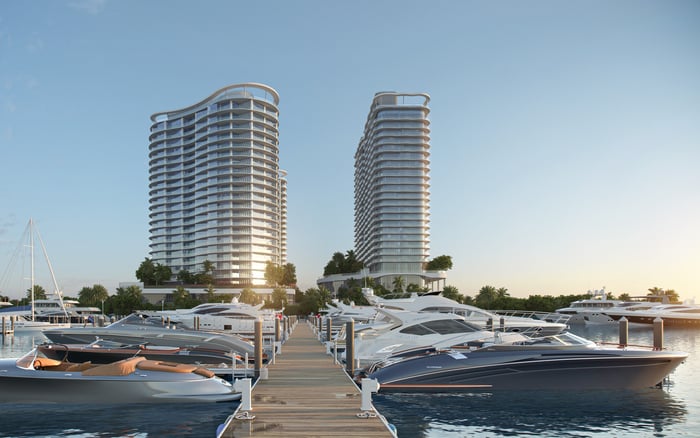
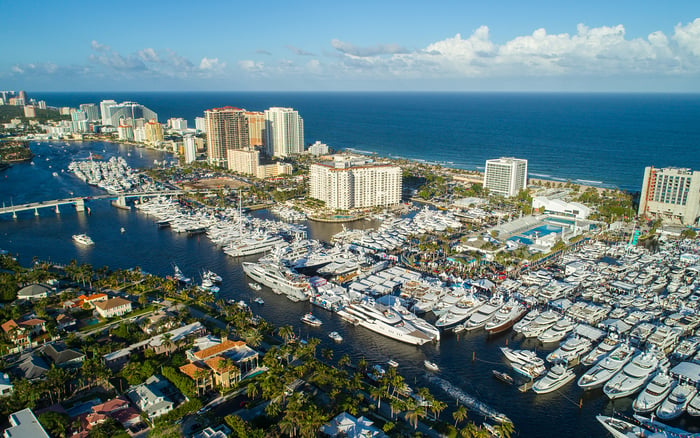
A discreet buyer’s guide to the boat-lift questions that matter before purchasing waterfront luxury real estate in Las Olas, from approvals and vessel fit to seawalls, insurance, access, and resale strategy.
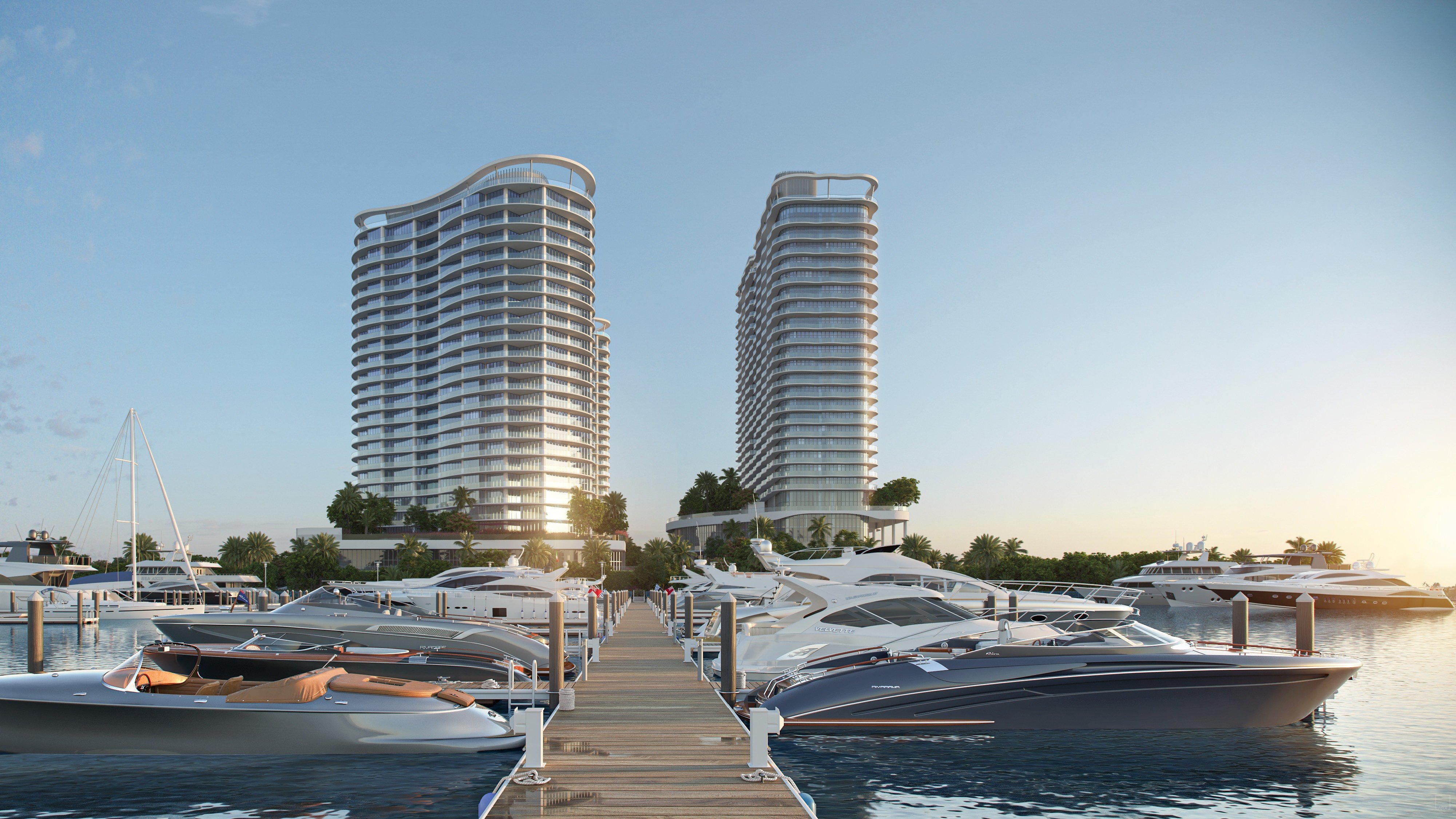
In Las Olas, an exceptional waterfront purchase can turn on a practical question: what, exactly, are you allowed to lift, store, repair, replace, and insure at the water’s edge? A private dock and boat lift may look straightforward during a showing, but the rights attached to them can be layered. For a luxury buyer, the issue is not simply whether a vessel is present today. It is whether the waterfront condition supports your boating life after closing.
That is why disciplined review is essential. The dock, lift, seawall, electrical service, access route, neighboring structures, and governing documents should be treated as one connected diligence file. The question is rarely whether a property feels exceptional. It is whether the exceptional feature is durable, transferable, and usable on the terms that matter to you.
Begin with ownership. Ask whether the lift is part of the real property, separately owned personal property, an improvement governed by an association, or subject to another agreement. A seller’s casual description is not enough. The purchase contract, title review, survey, association documents where applicable, and waterfront permits or approvals should tell a consistent story.
If the property is single-family, the inquiry may focus on what has been installed, what was approved, and whether any work was completed in a way that could create future exposure. If the property is a condominium or townhome, the question becomes more nuanced: is the slip or lift assigned, deeded, leased, licensed, revocable, transferable, or controlled by a marina program? The difference can affect value, financing expectations, resale positioning, and day-to-day use.
Buyers comparing Las Olas homes with nearby vertical residences often weigh this tradeoff carefully. A building such as Riva Residenze Fort Lauderdale may appeal to those who want a serviced residential environment, while a private Las Olas waterfront home may appeal to owners who want direct control over their dock setting.
Do not evaluate the lift in the abstract. Ask whether your actual vessel, including length, beam, weight, draft, hardtop, tower, motors, platform, and tender configuration, can be accommodated safely and legally. A lift that appears substantial may not suit the boat you intend to own next season.
The right question is not only, “What is the lift rated for?” It is also, “Who verified that rating, when was it serviced, what components were inspected, and are there any limits in the governing documents or approvals?” Request documentation rather than relying on visual condition. A polished dock can conceal aging motors, corroded hardware, outdated electrical components, or a lift designed for a smaller vessel.
For larger boats, also ask how the vessel approaches the property. Turning radius, canal width, water depth, fixed obstructions, current, wind exposure, and the position of neighboring docks can matter as much as the lift itself. The most beautiful rear elevation loses practical value if docking requires a level of precision that discourages regular use.
A boat lift should be reviewed as an improvement, not a decorative accessory. Ask for the approval history for the dock, lift, pilings, electrical service, and any later alterations. If prior work was performed, the buyer’s team should understand whether it was permitted, inspected, closed out where required, and consistent with the current configuration.
This is especially important when a seller has upgraded the waterfront over time. A replacement motor, widened platform, added piling, relocated cradle, or electrical change can appear modest, yet still raise approval questions. Ask whether any open items, notices, expired approvals, maintenance obligations, or neighbor disputes exist. If an association is involved, ask whether written consent was obtained and whether future replacement requires board review.
In a Fort Lauderdale market where premium buyers can choose between private waterfront estates and amenity-rich new residences such as Sixth & Rio Fort Lauderdale, clean documentation becomes part of the luxury experience. Certainty is its own amenity.
A boat lift is only as reassuring as the structure around it. Ask about the seawall’s condition, age, maintenance history, drainage, cap, tiebacks, and any visible cracking, movement, rust staining, soil loss, or settlement. If a lift places stress on pilings or adjacent structures, the broader waterfront condition should be evaluated by qualified professionals.
A buyer should also ask what future repairs would involve. Could a seawall project require temporary lift removal? Would dock access be interrupted? Are there shared elements, easements, or adjacent improvements that could complicate work? The answer may influence not only your closing posture but also your ownership timeline.
Waterfront ownership is most rewarding when maintenance is anticipated rather than discovered. For high-net-worth buyers, the question is not whether repairs are affordable. It is whether they can be planned discreetly, efficiently, and without undermining the reason the property was purchased.
The lift may work for the seller, but will the same rights transfer to you? Ask whether any slip, dock, or lift rights automatically convey at closing. If an assignment, consent, approval, or separate transfer instrument is required, identify it early. Do not leave waterfront rights to closing-day assumptions.
Also ask who may use the lift. Some owners expect captains, family members, guests, charter operators, or house staff to access the vessel. That expectation should be tested against governing documents, insurance terms, security protocols, and any community rules. Boat-slip language can be surprisingly specific, especially in shared settings.
For buyers who prefer the predictability of a full-service address, Four Seasons Hotel & Private Residences Fort Lauderdale represents a different residential rhythm than a canal-front estate. The comparison is not simply condo versus house. It is control versus service, privacy versus staffing, and private dock utility versus managed convenience.
A private lift can enhance a Las Olas acquisition, but unverified waterfront rights can dilute value. Ask your advisor to separate the premium for the home, the premium for the waterfront position, and the premium for the boating infrastructure. If the lift is not suitable, not transferable, or not supported by adequate records, the offer strategy should reflect that risk.
Insurance should be part of the same conversation. Ask whether the lift, dock, seawall, electrical systems, and vessel storage conditions affect coverage, exclusions, maintenance obligations, or claims expectations. If replacement cost, storm preparation, or third-party liability is unclear, clarify before the inspection period expires.
Luxury buyers often focus on finishes, ceiling heights, kitchens, primary suites, and outdoor entertaining areas. In Las Olas, the more consequential due diligence may be at the waterline. A property can be architecturally compelling and still be the wrong boating asset for a buyer whose lifestyle depends on reliable lift access.
Las Olas remains distinctive because it pairs residential waterfront living with proximity to the dining, cultural, and yachting energy of Fort Lauderdale. Yet buyers should compare micro-locations carefully. A calm canal, an easy approach, a newer dock, and a properly documented lift may matter more than a larger house with uncertain waterfront utility.
The broader market gives buyers multiple ways to live near the water. St. Regis® Residences Bahia Mar Fort Lauderdale speaks to a polished coastal condominium lifestyle, while Las Olas waterfront ownership is more personal and operational. Neither is inherently superior. The right choice depends on how you use the boat, how much control you want, and whether you prefer private maintenance responsibility or a more managed residential setting.
For the disciplined buyer, the best waterfront home is not merely the one with the prettiest stern view. It is the one where the rights, dimensions, approvals, condition, access, and future flexibility align.
Should I ask about the boat lift before making an offer? Yes. Lift rights, condition, approvals, and vessel fit can affect value, negotiation strategy, and whether the property supports your intended use.
Is a boat lift automatically included when I buy a waterfront home? Not always. Ask whether it is real property, personal property, separately assigned, or subject to association or transfer documentation.
What documents should I request? Request available permits, approvals, service records, surveys, association documents, transfer instruments, and any records tied to dock or seawall work.
Why does the vessel’s beam and weight matter? A lift must be suitable for the actual boat, not a general boating idea. Length, beam, weight, motors, and clearance can all affect usability.
Can I replace or enlarge a boat lift after closing? Possibly, but do not assume it. Ask what approvals, permits, neighbor considerations, or association consents would be required.
Should the seawall be inspected separately? Yes. The seawall, pilings, dock, and lift function together, and weakness in one element can affect the practicality of the whole waterfront.
Does insurance matter for boat-lift ownership? Yes. Ask how the lift, dock, seawall, electrical systems, storm preparation, and liability are treated by the relevant policies.
Are condo boat slips different from private-home lifts? Often. A condominium slip may be deeded, assigned, leased, licensed, or governed by building rules, so transferability and use rights need review.
What is the biggest mistake buyers make? They fall in love with the view and postpone the technical review. In waterfront acquisitions, the waterline can be as important as the living room.
What is the best way to shortlist comparable options for touring? Start with location fit, delivery status, and daily lifestyle priorities, then compare stacks and elevations to validate views and privacy.
To compare the best-fit options with clarity, connect with MILLION.
If branded residences are on your mind — as a home or as an allocation — we would be glad to share what we are seeing, privately.
Begin a quiet conversation