A discreet buyer’s guide for Chicago households evaluating Fort Lauderdale as a primary South Florida residence, with a focus on lifestyle fit, building selection, neighborhood rhythm, and long-term ownership discipline.
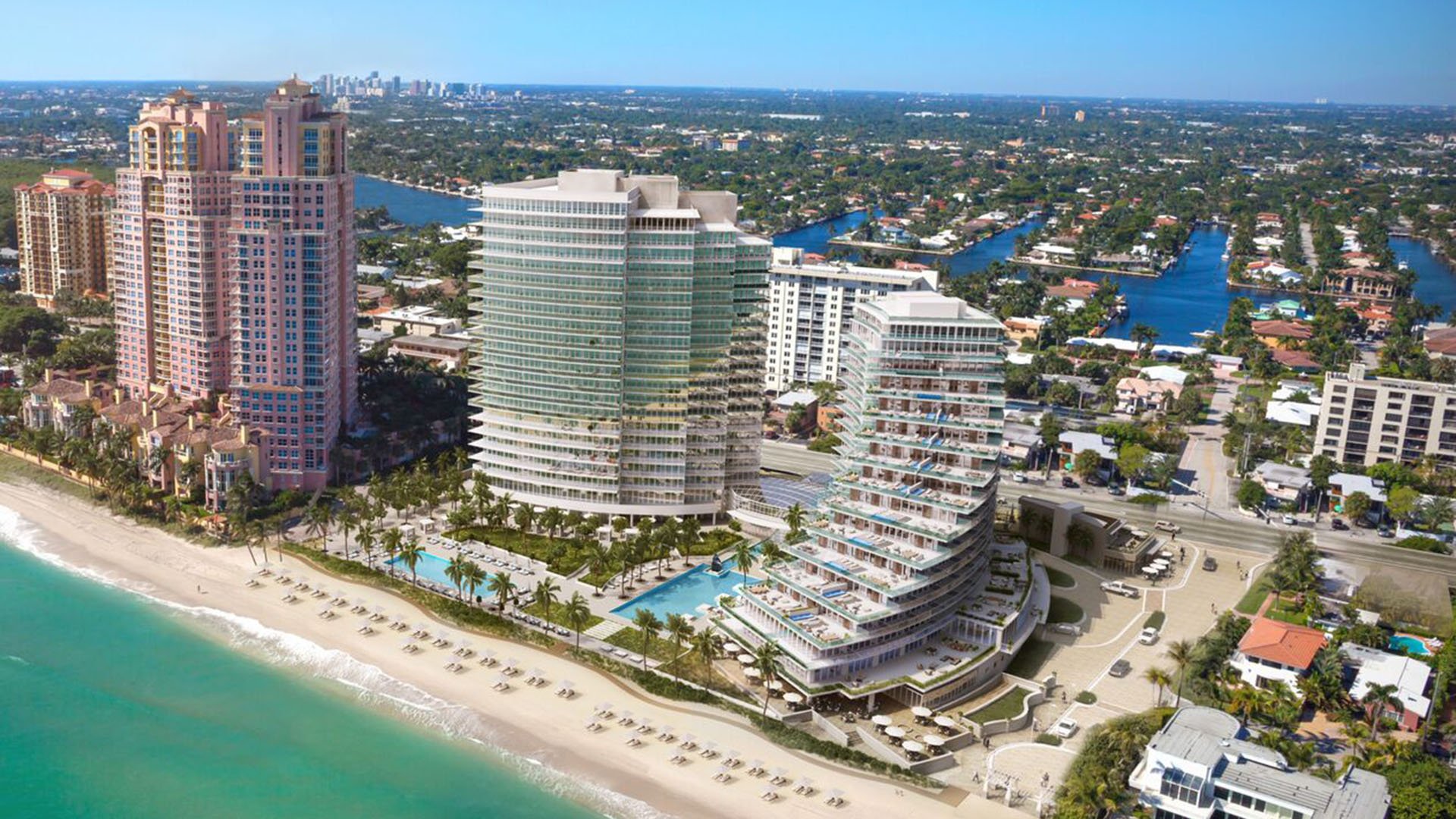
For a Chicago buyer, the move to Fort Lauderdale should not begin with a view corridor, a marina photograph, or a favorite lunch table on Las Olas. It should begin with a primary-residence strategy. The right South Florida home is not simply the one that feels most seductive during a long weekend. It is the one that can support daily life with the permanence, privacy, comfort, and administrative clarity required to make the transition feel intentional.
This is where many affluent buyers underestimate the difference between a beautiful second home and a credible primary home. A residence strategy asks sharper questions: where you will wake up most often, how guests will arrive, where cars will be kept, how pets will move through the building, and what level of service will make life easier rather than more theatrical. The answer may point to a waterfront tower, a boutique riverfront address, a beach-oriented residence, or a calmer home base just off the highest-energy streets.
As a buyer’s-guide principle, the most elegant decision is rarely the loudest one. It is the home that allows the family to shift its center of gravity from Illinois to Broward without turning every practical detail into a project.
A Chicago household often arrives with a sophisticated sense of building culture. Doorman protocols, valet expectations, elevator privacy, package handling, parking flow, guest registration, and winter escape habits all influence what feels acceptable in South Florida. Fort Lauderdale adds its own filters: salt air, boating patterns, beach routines, outdoor entertaining, hurricane-season planning, and the desire for shaded terraces that can function as true living rooms.
The first exercise is not to tour everything. It is to define the rhythm of a normal week. If the owner will work from home, a den with acoustic separation may matter more than a dramatic but exposed great room. If adult children visit often, the guest suite should feel independent, not improvised. If the family entertains discreetly, service elevators, catering access, and separation between private and social zones become more important than lobby spectacle.
Fort Lauderdale rewards buyers who understand that climate changes habits. Morning walks, outdoor dining, boating invitations, and evening drives to Las Olas can become ordinary parts of life. A primary residence should make those routines easy, while still offering the quiet and storage that seasonal buyers sometimes overlook.
Fort Lauderdale is not a single lifestyle proposition. Fort Lauderdale Beach speaks to buyers who want the ocean to define the day, with resort energy nearby and a strong emphasis on service, views, and immediate leisure. A buyer considering Four Seasons Hotel & Private Residences Fort Lauderdale is usually thinking about a polished daily experience where hospitality and home life sit close together.
The Bahia Mar and beach-adjacent corridor will appeal to those who want the waterfront to feel active, social, and connected. In that context, St. Regis® Residences Bahia Mar Fort Lauderdale may enter the conversation for buyers who prefer a branded environment and a more formal sense of arrival.
Las Olas offers a different kind of center. It is more urban, more walkable in spirit, and often better suited to buyers who want restaurants, galleries, professional meetings, and evening plans within a familiar circuit. The question is whether the buyer wants the energy close enough to use often, or far enough away to preserve a quieter home life.
For some, the most convincing Fort Lauderdale answer is neither pure beach nor pure boulevard. It is a waterfront residence with a river, canal, or marina-oriented sensibility, where the water is present but daily life remains measured. Riva Residenze Fort Lauderdale fits naturally into that discussion for buyers who want the city’s aquatic character without choosing a purely oceanfront routine.
Primary-residence buyers should be more demanding than vacation buyers. The building must perform on an ordinary Tuesday. That means evaluating parking choreography, elevator count and privacy, staff tone, pet policies, delivery handling, fitness access, pool exposure, maintenance culture, and the way guests are received when the owner is not in town.
Storage is a major tell. A home that looks perfect during a showing may become frustrating if golf clubs, bicycles, paddleboards, luggage, holiday items, wine, and household overflow have no rational place to go. The same is true for closets. A Chicago buyer accustomed to seasonal wardrobes may find South Florida dressing simpler, but not necessarily smaller. Resort wear, formalwear, beach gear, and travel wardrobes all need proper space.
Terraces deserve particular scrutiny. A large terrace is valuable only if it is usable. Consider sun exposure, wind, privacy from neighboring towers, furniture depth, and whether the terrace connects to the rooms you will actually occupy. A beautiful outdoor space off a secondary bedroom may photograph well but do little for daily life.
Boutique scale can be compelling for the buyer who wants intimacy and less vertical traffic. Sixth & Rio Fort Lauderdale is the type of address a buyer may consider when the goal is a more residential city experience rather than a resort-first identity.
A primary-residence strategy should be coordinated with legal, tax, insurance, estate, and wealth advisers before the purchase becomes emotional. The objective is not to turn a home search into a compliance seminar. It is to avoid choosing a property that complicates the very transition it was meant to support.
Ownership structure, closing timing, insurance review, financing preferences, estate planning, homestead considerations, and household staffing should be discussed early. So should the practical proof points of everyday life: where mail will go, where vehicles will be registered, how family members will travel, and what records should be kept. These details are not glamorous, but they are part of making the home feel like the center of life rather than a beautifully furnished exception.
For Chicago families, timing can also be emotional. Some want to test Fort Lauderdale through a season before committing fully. Others prefer a cleaner move, particularly when retirement, business flexibility, or family logistics already support it. Neither approach is inherently superior. The right answer depends on confidence, household complexity, and whether the chosen residence is ready to absorb full-time living immediately.
The best primary residence is not merely a refuge from cold weather. It is a platform for the next chapter. Buyers should ask how the home will function after the novelty of arrival fades. Will the neighborhood still feel satisfying in late summer? Will the building’s amenities be used or simply admired? Will guests visit so often that privacy becomes an issue? Will the owner still want to drive at night, or would a more walkable setting have been wiser?
This is also where resale discipline matters, even for buyers who do not plan to sell. A primary home should be deeply personal, but not eccentric in ways that narrow future appeal. Floor plan, view quality, building reputation, service consistency, and location logic all matter. Fort Lauderdale has enough variety that buyers can be precise without becoming impulsive.
The most successful Chicago-to-Fort Lauderdale move feels calm. It does not treat South Florida as an escape fantasy. It treats it as a serious home market with sunshine, water, and a sophisticated range of building experiences. When the residence strategy is clear, the right home becomes easier to recognize.
Should a Chicago buyer choose Fort Lauderdale Beach or Las Olas first? Start with daily routine. Choose Fort Lauderdale Beach for an ocean-led lifestyle and Las Olas for a more urban dining, shopping, and social rhythm.
Is a primary residence different from a second home search? Yes. A primary residence must work for ordinary life, including storage, parking, guests, pets, privacy, and administrative continuity.
How important is building service for a full-time owner? Very important. Service quality affects deliveries, arrivals, maintenance, security tone, and the overall ease of everyday living.
Should buyers prioritize a larger terrace? Only if the terrace is truly usable. Exposure, wind, privacy, shade, and connection to main living spaces matter as much as size.
What should relocating buyers discuss with advisers? Buyers should coordinate ownership structure, tax planning, estate considerations, insurance, timing, and household documentation before closing.
Can a waterfront home be practical for everyday life? Yes, if the building, access, parking, and maintenance expectations align with the owner’s normal routine rather than only weekend use.
Is Broward a better fit than Miami for some Chicago buyers? It can be, especially for buyers who prefer Fort Lauderdale’s scale, boating culture, and more measured residential atmosphere.
How should buyers evaluate new developments? Focus on floor plan, service model, delivery timing, governance, parking, storage, and whether the location supports daily habits.
Should the first purchase be conservative or aspirational? It should be disciplined. The home can be beautiful and ambitious, but it must also support the practical realities of primary living.
When is the right time to begin the search? Begin when lifestyle goals and advisory planning are aligned enough to compare properties through a primary-residence lens.
For a confidential assessment and a building-by-building shortlist, connect with MILLION.
If branded residences are on your mind — as a home or as an allocation — we would be glad to share what we are seeing, privately.
Begin a quiet conversation