A discreet buyer’s guide to reviewing water intrusion history, building records, repair quality, insurance context, and unit-level risk before purchasing in South of Fifth.
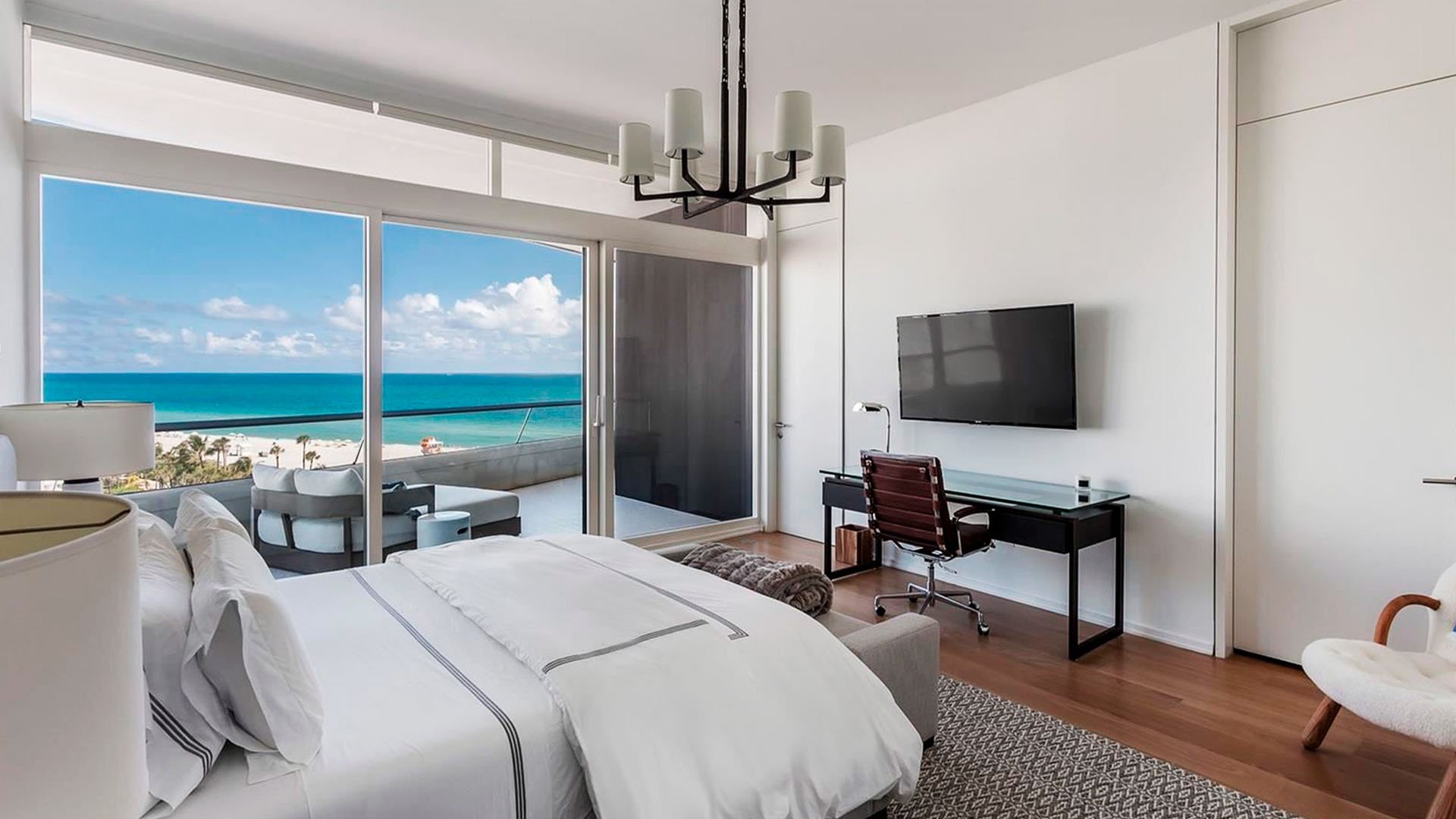
In South of Fifth, beauty can be immediate: the light, the water, the terraces, the sense of arrival. Yet sophisticated buyers understand that the quiet questions often matter most. Before discussing furniture, art walls, or a preferred line of sight, ask how the residence and the building have performed when water tested them.
Water intrusion is not merely a maintenance issue. It is a pricing issue, an insurance issue, a design issue, and a resale issue. In a trophy apartment, a faint stain, a replaced baseboard, a terrace door adjustment, or a recently refinished ceiling can carry a history. The goal is not to avoid every building that has ever had a leak. In coastal luxury real estate, the more useful question is whether the history was understood, documented, corrected, and monitored.
This is especially relevant for buyers comparing established addresses such as Apogee South Beach with newer or recently refreshed inventory across Miami Beach. The smartest acquisition process treats water history with the same seriousness as floor height, view corridor, service level, and privacy.
Begin inside the residence. Ask whether the current owner is aware of any past water intrusion into the unit, including from windows, sliding doors, balcony or terrace areas, plumbing lines, mechanical systems, roof conditions, neighboring units, or common elements. The phrasing matters. A narrow question about “flooding” may miss repeated seepage, condensation issues, or intermittent leaks.
Request repair invoices, contractor scopes, photographs, warranty documents, and any correspondence with the association or building management. If walls, floors, ceilings, millwork, or terrace thresholds were replaced, ask why. Fresh finishes are not a red flag by themselves, but they should prompt a file review.
Then widen the lens. Ask whether the unit’s stack has had recurring water events. A single repaired incident is different from a pattern in the same line of residences. If the apartment has large exterior openings, expansive terrace exposure, or custom interior build-outs, the inspection should account for both original building systems and any owner modifications.
For a South of Fifth purchase, the building’s response culture can be as important as the original event. Ask management whether there have been recent water intrusion investigations involving the façade, roof, pool deck, garage, amenity levels, balconies, terraces, windows, doors, planters, or mechanical rooms. Ask what was repaired, when it was completed, who performed the work, and whether follow-up monitoring occurred.
Buyers should request board minutes and available maintenance records that discuss moisture, waterproofing, drainage, sealants, glazing, façade repairs, concrete restoration, pipe failures, or remediation. The point is not to read every page like an engineer. It is to determine whether the building speaks clearly about water issues or treats them as informal housekeeping.
At a luxury address such as Continuum on South Beach, buyers are often focused on lifestyle, security, and grounds. Those are valid priorities. Still, the quiet back-of-house questions should remain in the file: what has been observed, what has been corrected, what remains under review, and what future capital planning anticipates.
A marble slab can be beautiful and poorly installed. A repair can look complete and still lack substance. Ask whether prior water work was cosmetic, investigative, or corrective. Repainting a ceiling is different from locating the source, opening affected areas, drying properly, replacing damaged material, documenting moisture levels, and addressing the underlying entry point.
If the seller says an issue was “handled,” ask for the sequence. When was the condition discovered? Who inspected it? Was the source determined? Were permits required? Were common elements involved? Did the association participate? Was insurance notified? Was mold assessment or remediation considered? Is there a transferable warranty?
Luxury buyers often inherit elaborate interiors: stone floors, millwork, wall coverings, recessed lighting, integrated audio, and custom closets. These finishes can conceal evidence. A specialized inspector, moisture meter readings, and a careful review of window and terrace transitions are prudent, especially in residences with extensive exterior exposure.
Water history also affects the financial character of ownership. Ask whether the building has had water-related insurance claims, open claims, denied claims, or pending disputes. Ask whether reserve studies, budgets, or capital plans contemplate waterproofing, façade maintenance, roof work, garage repairs, plumbing upgrades, or other water-management projects.
The presence of a planned project is not automatically negative. In a well-run building, capital planning may signal discipline. What matters is transparency, funding, timing, scope, and whether the work is reactive or part of a broader maintenance cycle.
For buyers considering branded or service-rich offerings such as The Ritz-Carlton Residences® South Beach, service culture may be central to the purchase. Yet the financial documents still deserve calm scrutiny. Even the most polished lobby cannot substitute for clear records, appropriate reserves, and an informed board.
In South of Fifth, outdoor space is part of the emotional purchase. Terraces frame dinners, sunsets, and morning coffee. They also deserve technical attention. Ask about drainage, waterproofing membranes, pavers, rail penetrations, door thresholds, planter systems, and prior complaints related to terrace runoff or seepage.
The window and door line should receive equal attention. Ask whether glazing systems have been repaired, resealed, replaced, or adjusted. Ask whether any prior intrusion occurred during wind-driven rain, routine storms, pressure washing, or maintenance work. A beautiful view is most valuable when the envelope protecting it is understood.
Do not ignore the garage and lower amenity areas. Buyers sometimes separate a penthouse lifestyle from building-level performance, but the building is a single asset. Garage water conditions, drainage, equipment protection, and mechanical-room resilience can influence assessments, insurance, and long-term ownership comfort.
South of Fifth, often shortened to Sofi, competes with an extraordinary range of South Florida luxury choices. A buyer looking at an Oceanfront residence in Miami Beach may also compare a Waterfront tower in another neighborhood, a private island apartment, or a boutique building with a quieter profile. The water questions should travel with the buyer.
For example, a tour that includes Five Park Miami Beach may invite a broader comparison of new finishes, service programming, and construction context. The right due diligence standard should remain consistent: ask for the water history, examine the documents, understand the building’s maintenance philosophy, and price uncertainty appropriately.
Luxury is not only what can be photographed. It is also the quality of what has been maintained, disclosed, funded, and repaired before it becomes visible.
If diligence reveals prior water intrusion, the next move depends on evidence. A fully documented, professionally corrected issue may be manageable. An undocumented condition, vague explanation, repeated pattern, or lack of association cooperation may justify further inspection, contract protection, price adjustment, repair escrow, or walking away.
Ask your advisor to separate three questions: what happened, what caused it, and what proves it will not quietly continue. A seller’s confidence is useful, but paper is better. The strongest luxury purchases combine emotion with file discipline.
Should I avoid any South of Fifth condo with prior water intrusion? Not automatically. The key is whether the source was identified, corrected, documented, and monitored.
What is the first water-related question to ask a seller? Ask whether the unit has ever had water intrusion from any source, including neighboring units, terraces, windows, plumbing, roof areas, or common elements.
Are new floors or fresh paint a concern? They are not necessarily a concern, but they should prompt questions about why the work was done and whether any moisture event preceded it.
Should I review association records before making an offer? Ideally, yes. Board minutes, budgets, maintenance records, and project discussions can reveal building-level patterns that a unit tour cannot.
Can an inspector find every hidden moisture problem? No inspection is perfect. A qualified inspector can identify visible conditions, risk areas, and reasons to request deeper specialist review.
Why do terrace details matter so much? Terraces involve drainage, waterproofing, thresholds, and penetrations. A luxury outdoor space should be reviewed as a technical assembly, not only as lifestyle space.
What documents should I request after a disclosed leak? Ask for invoices, scopes of work, photographs, warranties, insurance correspondence, association communications, and any moisture or remediation records.
Do building-level water issues affect a high-floor buyer? They can. Common-element repairs, insurance matters, reserves, and assessments may affect all owners regardless of floor height.
How should water history affect pricing? Pricing should reflect the clarity of the documentation, the quality of repairs, any remaining uncertainty, and the likelihood of future capital needs.
Who should help review water intrusion risk? Use a luxury real estate advisor, experienced inspector, and when needed, specialists in building envelope, moisture, remediation, or construction review.
When you're ready to tour or underwrite the options, connect with MILLION.
If branded residences are on your mind — as a home or as an allocation — we would be glad to share what we are seeing, privately.
Begin a quiet conversation