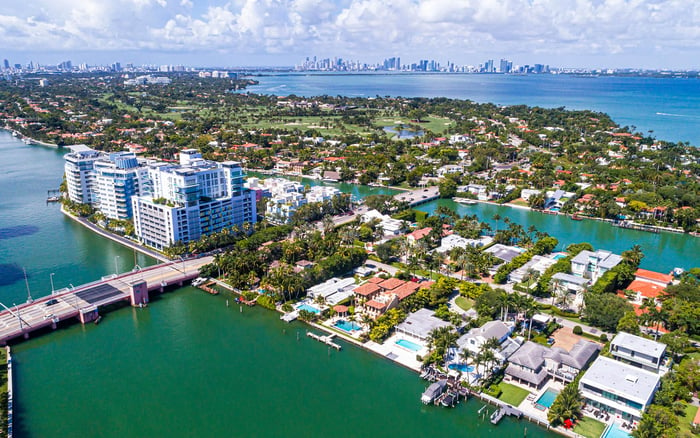
For philanthropic buyers, the right South Florida residence should support both gracious entertaining and a carefully coordinated residency profile. The essential consideration is not only where one hosts, but how consistently the home fits the buyer’s calendar, advisors, records, family routines, and public-facing commitments.

For many ultra-premium buyers, South Florida is not simply a winter escape. It is where boards convene, donors gather, collectors open their homes, families regroup, and public lives are quietly reorganized around a warmer, more private rhythm. That makes the charitable calendar more than a social footnote. It can become one of the most revealing documents in the buying process.
A buyer who entertains often should look beyond square footage, views, and service. The deeper question is whether the residence supports the life the buyer intends to live in Florida, consistently and credibly. Residency is not created by a beautiful dining room or a gala weekend. It is shaped by patterns, records, professional guidance, and the extent to which a Florida home becomes the center of personal, civic, and family life.
This is especially relevant for philanthropists, collectors, foundation principals, and couples whose schedules are divided among multiple cities. A South Florida acquisition can be both elegant and strategic, but that strategy belongs in the conversation before closing, not after the first season of invitations has already been sent.
The most resilient residency plan usually begins with ordinary behavior. Where do you wake up after the charity dinner? Where do you host trustees for coffee the next morning? Where are personal effects, vehicles, physicians, club routines, and family gatherings anchored? These details may feel mundane beside architecture and finish level, yet they often determine whether a home functions as the principal stage of life or merely as a seasonal backdrop.
For buyers drawn to Brickell, a residence such as Baccarat Residences Brickell can suit a calendar centered on downtown dinners, financial meetings, and civic events. The appeal is not only convenience. It is the ability to build repeatable routines around one address, so that entertaining, business-adjacent commitments, and private life are not constantly fragmented across hotels and borrowed spaces.
This does not replace legal or tax advice. It makes that advice more effective. Before buying, sophisticated clients should ask counsel and financial advisors how their planned use of the home fits their broader residency position. The residence, the calendar, and the records should tell the same story.
The home that photographs best may not be the home that serves a demanding philanthropic season. A buyer with weekly cultural dinners may prioritize proximity to Miami Beach, while another whose foundation work is linked to Palm Beach may value a more northern center of gravity. A family that hosts multi-generational stays may need a different plan from a single collector who entertains in smaller, highly curated groups.
In Miami Beach, The Perigon Miami Beach speaks to buyers who want a coastal address that can support both privacy and access to a dense social calendar. For those whose commitments lean north, Alba West Palm Beach places the conversation in West Palm Beach, where the rhythm may feel more aligned with Palm Beach society, family offices, and charitable boards.
The point is not that one market is superior. It is that entertaining is geographic. Dinner guests, valet timing, airport preferences, family arrivals, club routines, and staff logistics all influence whether the property will be used often enough, and naturally enough, to support the buyer’s intended Florida life.
Charitable giving can be wonderfully public. Residency planning is often best handled privately. Buyers who appear on host committees, underwrite benefits, or open their homes for intimate donor evenings should understand that visibility can create a public narrative. That narrative should not conflict with private records.
If invitations, social media, board materials, family photographs, and travel patterns all point to South Florida as an active center of life, that can be useful context when coordinated properly. If they point in different directions, advisors may want to address the mismatch early. The goal is not to perform residency. The goal is to live coherently and keep careful documentation.
This is where discretion matters. Ultra-luxury buildings and enclaves vary in tone. Some feel social and visible. Others are intentionally quiet. Buyers should consider how often they plan to host, how much staff movement the home requires, whether guests will arrive by car or boat, and whether the building culture fits their preferred level of exposure.
Waterfront living is one of South Florida’s defining privileges, but a beautiful water view does not answer the central residency question. Is the property a second home for high-season weekends, or is it intended to become the operational heart of daily life? Those are different purchases.
A waterfront residence such as The Residences at Six Fisher Island may appeal to buyers who want separation, ceremony, and a sense of arrival. A mainland address may work better for those who move constantly between meetings, schools, hospitals, galleries, and restaurants. Neither choice is inherently more credible. What matters is whether the selected home supports the buyer’s actual calendar.
For frequent entertainers, this means pressure-testing the season. Where will Thanksgiving happen? Where will the board retreat begin? Where will visiting adult children stay? Where will the chef prep before a donor dinner? Where will the principal spend quiet weekdays after the guests leave? These are practical questions, but they reveal whether the home is central or occasional.
A residence tied to a residency plan should be reviewed with the same seriousness as any other major asset. Real estate counsel, tax counsel, estate advisors, insurance specialists, and household management teams may all have a role. The earlier they are involved, the easier it is to avoid contradictions between the purchase structure, intended use, philanthropic commitments, and personal records.
Buyers should also discuss governance. If a home will host foundation events or donor gatherings, advisors can help clarify what should be personal, what may involve an entity, and how expenses should be handled. Those questions are too specific for casual assumptions. They deserve private, professional review.
The best purchase process is therefore both emotional and disciplined. The buyer should love the light, the table, the terrace, the arrival sequence, and the view. But the same buyer should also understand how that address fits the coming year of travel, family, charitable leadership, and documentation.
A useful pre-closing exercise is to map the next twelve months without exaggeration. Place the major galas, school visits, medical appointments, board meetings, family holidays, and quiet weeks on a calendar. Then ask where the South Florida residence appears naturally. If it only appears for glamorous evenings, the plan may need refinement. If it becomes the place from which ordinary life is conducted, the property is doing more than entertaining.
This lifestyle test is particularly important for buyers choosing among Brickell, Miami Beach, West Palm Beach, Fisher Island, Coconut Grove, Bal Harbour, and the northern coastal markets. Each can be beautiful. Each implies a different daily choreography. The right answer is the one that makes the buyer’s private life, charitable life, and advisory plan easier to reconcile.
For the entertainer, the most valuable home is not necessarily the largest. It is the one that makes consistency effortless.
Should I choose a South Florida home based on charitable events I attend? Your event calendar should inform the decision, but it should not be the only driver. The home should also support ordinary routines, family needs, and advisor guidance.
Can entertaining help demonstrate a Florida lifestyle? Entertaining can reflect how you use the home, but it is only one part of a broader picture. Records, routines, and professional advice matter as well.
Is a Miami Beach residence better for donors who host often? It depends on where your guests, institutions, and personal routines are concentrated. Miami Beach may suit some calendars, while other buyers may prefer Brickell, Palm Beach, or quieter enclaves.
Should I speak with tax counsel before signing a contract? Yes, especially if residency is part of the purchase strategy. Early advice can help align ownership structure, timing, documentation, and intended use.
Does a second home support residency planning? A second home may be part of a larger plan, but it should not be assumed to carry the weight of a primary residence. Discuss the distinction with your advisors.
How should charitable board service be considered? Board service can influence where you spend time and host meetings. It should be reviewed as part of the broader pattern of your Florida life.
Are waterfront homes better for philanthropic entertaining? Waterfront homes can create memorable settings, but service, access, privacy, and guest logistics are equally important. The best choice depends on how you host.
Should privacy affect my building choice? Absolutely. Some buyers prefer a more visible social setting, while others need a quieter environment for family, staff, and high-profile guests.
Can I rely on invitations and photos as records? They may provide context, but they should not be treated as a complete residency file. Keep organized records under the direction of qualified advisors.
What is the first step before buying? Map your real calendar, then review it with your advisory team before selecting the property. The best home should make your intended Florida life coherent.
For a confidential assessment and a building-by-building shortlist, connect with MILLION.
If branded residences are on your mind — as a home or as an allocation — we would be glad to share what we are seeing, privately.
Begin a quiet conversation