A wellness-led residence in Palm Beach Gardens works as a long-term purchase when its promise is practical: privacy, service, resilient design, usable daily rituals, and a location that supports real life beyond the amenity menu.
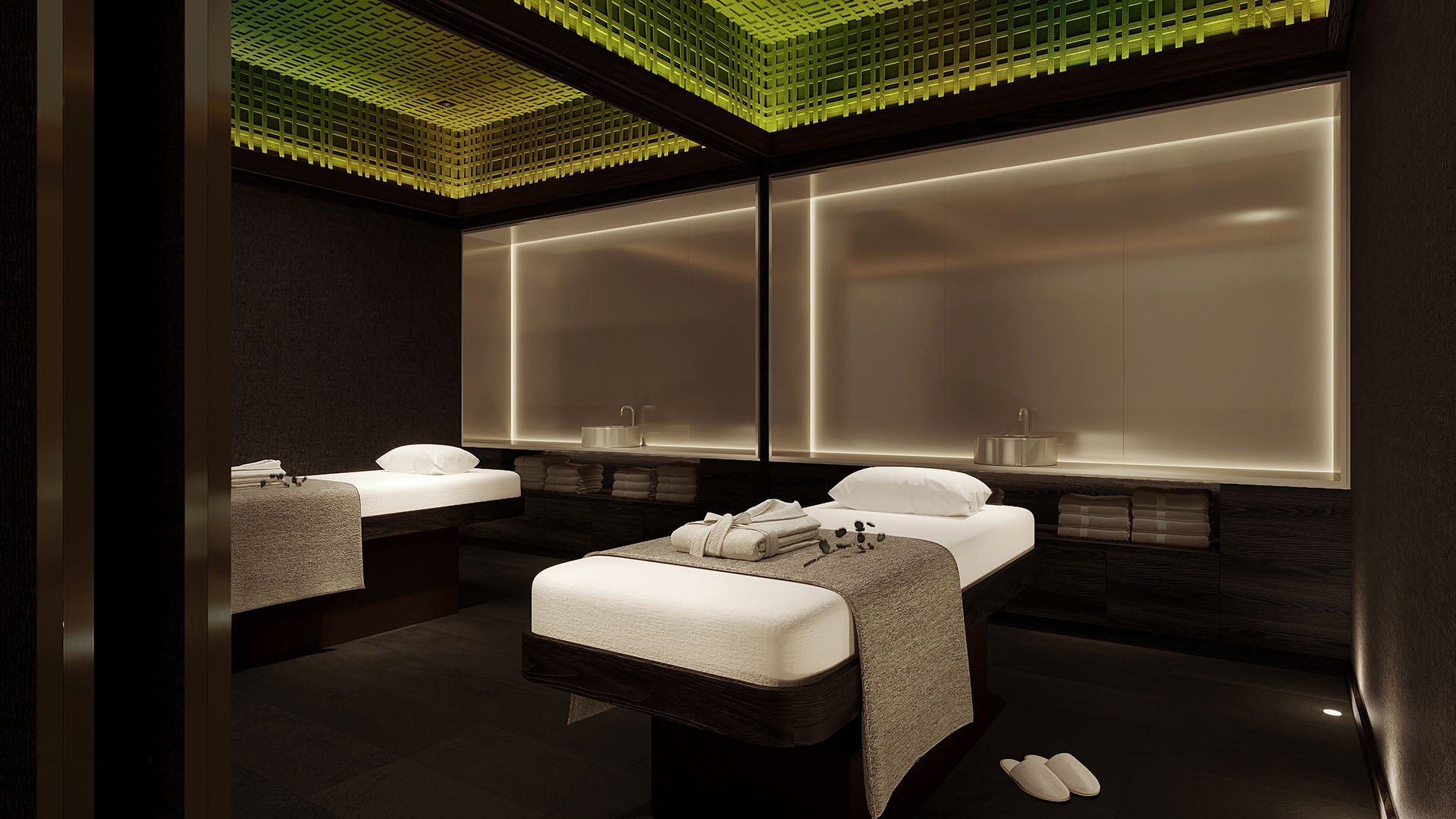
Wellness in luxury real estate is often reduced to a spa menu. In Palm Beach Gardens, the more serious question is whether a residence makes daily life calmer, healthier, more private, and easier to sustain over many years. When it does, wellness becomes more than a lifestyle preference. It becomes a purchase rationale.
A long-term buyer should separate atmosphere from substance. Scented lobbies, treatment rooms, and dramatic pools may create the first impression, but they are not the full thesis. Enduring value sits in planning, proportion, service culture, air and light, circulation, privacy, maintenance discipline, and the surrounding area’s ability to support routines without friction.
That is why The Ritz-Carlton Residences® Palm Beach Gardens deserves to be evaluated not only as a branded address, but as a test case for how wellness-led living can function as a long-hold asset. The buyer is not simply purchasing amenities. The buyer is purchasing a more composed way to live.
The most durable wellness residences are not built around occasional indulgence. They are built around repeatable habits. A strong floor plan should support restorative sleep, morning movement, quiet work, informal entertaining, and easy transitions between indoor and outdoor life. If a home requires too much effort to use well, its wellness narrative weakens.
Natural light matters, but so does glare control. Outdoor space matters, but only when it feels genuinely usable. Fitness spaces matter, but only when they are convenient enough to become routine. Water views, garden views, and protected terraces can all contribute to daily calm, yet the real test is whether they improve the resident’s rhythm rather than merely photograph well.
Palm Beach Gardens has an advantage here because many buyers are already seeking a less compressed version of South Florida luxury. They want access without congestion, privacy without isolation, and refinement without theatricality. A wellness-led residence works best when it supports that preference with quiet confidence.
A buyer considering Palm Beach Gardens should not treat wellness as something contained entirely inside the building. The address must also support the life around it. That means convenient routes, a sense of ease, access to dining and recreation, and the ability to maintain family, work, and social patterns without feeling overmanaged by the property.
This is where Palm Beach and the northern luxury corridor have a distinct appeal. The best homes in this market are not simply escapes. They are bases. They allow a resident to move between private home life, club life, waterfront life, shopping, dining, and regional connections with a sense of order.
Waterfront settings can add another layer to that equation, but waterfront value should be read with care. The view is only one element. Exposure, privacy, building orientation, outdoor usability, and the long-term maintenance culture around water all matter. Serenity is valuable only when it is supported by practical durability.
In a luxury residence, service is often the difference between an impressive concept and a life that feels genuinely lighter. Wellness-led living depends on predictability. Residents need common areas that remain polished, appointments that feel discreet, staff interactions that are consistent, and rules that protect the tone of the property.
Branding can help set expectations, but the real value lies in execution. A residence associated with a hospitality name should be examined through operational questions. How intuitive is arrival? How private are the transitions from lobby to home? Does the amenity programming feel resident-centered rather than performative? Does the building culture protect quiet enjoyment?
For buyers comparing wellness concepts across South Florida, projects such as The Well Coconut Grove and The Well Bay Harbor Islands show how wellness has become part of the luxury vocabulary. In Palm Beach Gardens, the stronger interpretation is likely to be more restrained: less spectacle, more continuity.
In a new-construction purchase, the earliest presentation can be seductive. Renderings are clean, amenity names are polished, and every promise feels effortless. A long-term buyer should look past the opening act. The important question is how the residence will feel after the novelty fades.
Materials should age with dignity. Shared spaces should be designed for real resident use, not only launch photography. Mechanical systems, acoustic separation, elevator planning, parking, storage, and service areas deserve as much attention as the pool deck. Wellness is not credible if the building feels inconvenient, noisy, crowded, or difficult to maintain.
The best long-hold purchase is usually not the one with the longest amenity list. It is the one where every amenity has a purpose, every transition is considered, and every shared space has a clear role in the resident experience.
Luxury buyers often separate lifestyle from investment, but in the best Palm Beach Gardens residences, the two are connected. A home that is easier to live in, easier to maintain, and easier to understand is also easier for the next buyer to appreciate. Clarity supports liquidity.
A wellness-led residence should have a resale story that can be explained without exaggeration. Privacy, service, outdoor space, natural light, quiet, brand credibility, and a desirable northern Palm Beach County setting are all concepts that translate. They do not require a buyer to share every personal preference of the seller.
This is why comparison shopping is useful. A buyer looking at nearby West Palm Beach options such as Alba West Palm Beach or The Ritz-Carlton Residences® West Palm Beach should focus on the same fundamentals: how the home lives, how the building is governed, and how convincingly the property can hold attention over time.
The most important due diligence is experiential. Visit at different times of day if possible. Study the arrival sequence. Consider whether the residence feels restorative after ten minutes or merely impressive for the first two. Ask whether the amenities support the way you actually live, not the way a brochure imagines you might live.
Then move to the practical layer. Review association expectations, service standards, maintenance obligations, rules around use, and the relationship between private space and shared space. A wellness-led residence is only as strong as the framework that preserves it.
Finally, be honest about personal fit. Palm Beach Gardens is not trying to be Brickell, South Beach, or Bal Harbour. Its best luxury argument is composure. For the right buyer, that composure is precisely what makes the purchase serious.
What makes a residence wellness-led? It should support daily health, calm, privacy, movement, sleep, and ease, not simply offer spa-branded amenities.
Is wellness real estate only about amenities? No. The stronger measure is whether the residence improves everyday routines through design, service, light, quiet, and usability.
Why does Palm Beach Gardens suit this category? Palm Beach Gardens appeals to buyers seeking privacy, space, refinement, and a less compressed luxury lifestyle.
Should buyers prioritize a branded residence? A brand can help, but the building’s service culture, governance, design quality, and long-term upkeep matter more.
How should waterfront value be evaluated? Look beyond the view and consider exposure, privacy, terrace usability, maintenance, and the overall sense of calm.
Is new construction always the better choice? Not automatically. Newness matters only if the design, systems, materials, and service model are built to age well.
What is the biggest mistake buyers make? They focus on the amenity list before studying how the residence will actually function in daily life.
How does wellness affect resale potential? Wellness supports resale when it is expressed through broadly valued features such as quiet, privacy, light, and service.
Can lifestyle and investment goals align here? Yes. A home that lives well over time often has a clearer and more durable story for future buyers.
What should a final decision come down to? It should come down to whether the residence feels restorative, practical, well-managed, and credible as a long-term hold.
For a confidential assessment and a building-by-building shortlist, connect with MILLION.
If branded residences are on your mind — as a home or as an allocation — we would be glad to share what we are seeing, privately.
Begin a quiet conversation