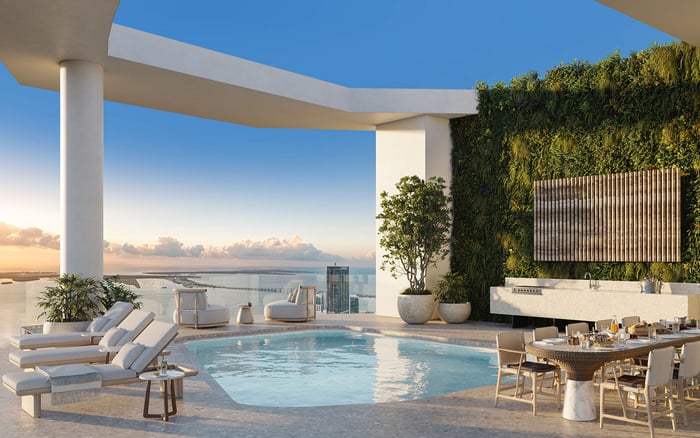
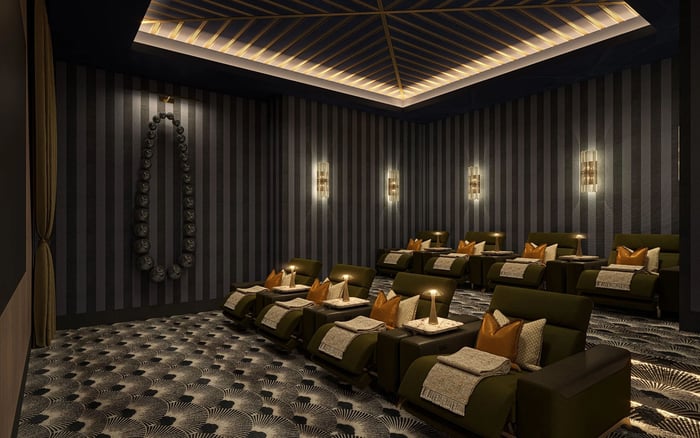
For philanthropic couples, the more important question is not whether a South Florida home is labeled primary or secondary, but whether it supports sustained civic presence, privacy, family governance, and meaningful access to the institutions they care about.
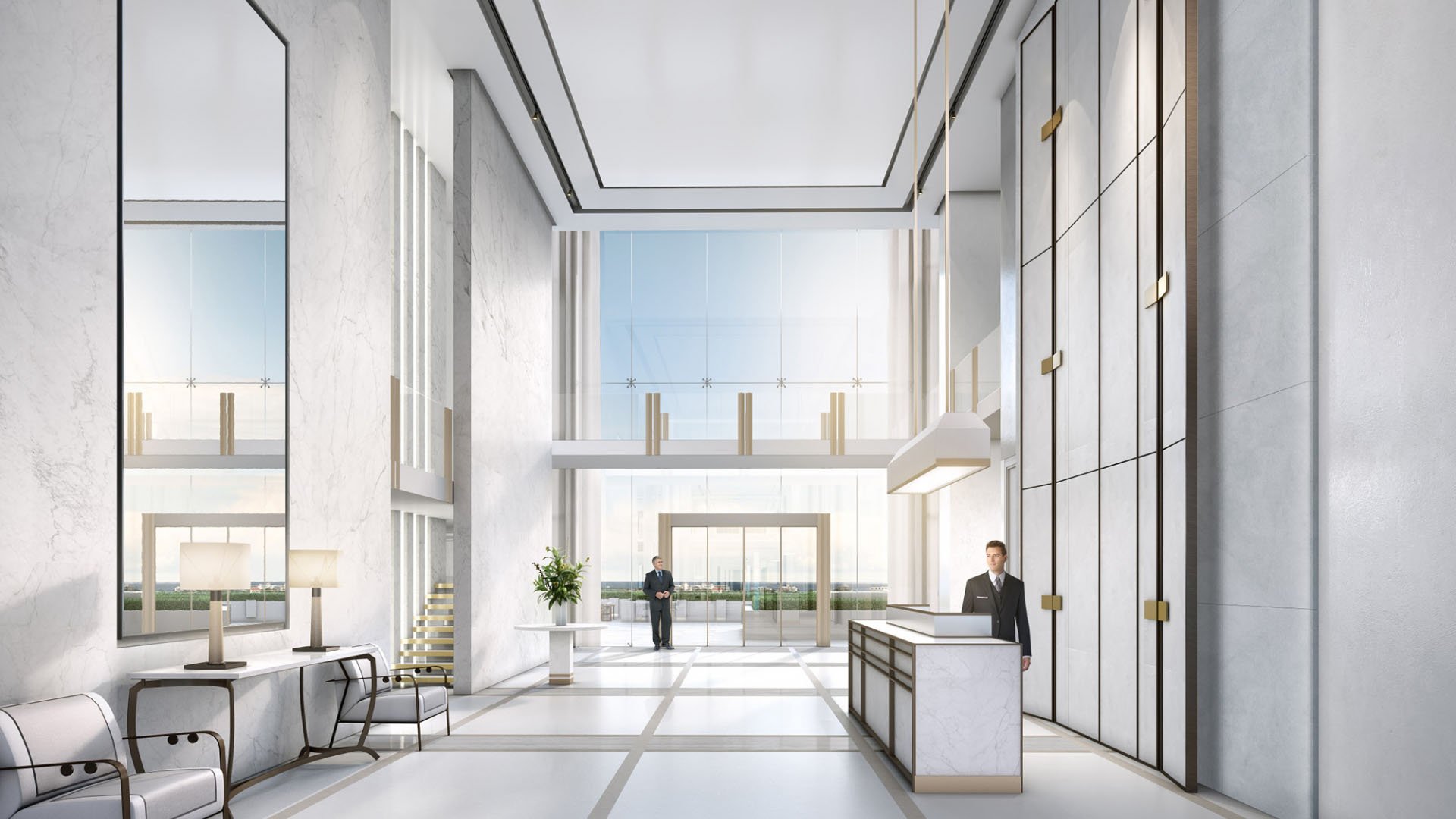
For philanthropic couples in South Florida, the question of second home versus primary residence is rarely about nights spent under one roof. It is about the role a residence plays in a larger life: board commitments, private dinners, family convening, cultural patronage, medical relationships, school ties, and the quiet work of belonging to a place.
A formal designation may matter for legal, tax, estate, and administrative reasons, and those decisions belong with qualified advisers. Yet from a lifestyle and real estate perspective, the more revealing question is simpler: which home allows the couple to participate with consistency, privacy, and grace?
That is where South Florida becomes unusually nuanced. Brickell offers proximity to finance, restaurants, and a growing urban social rhythm. Miami Beach offers cultural immediacy, resort-level living, and a more visible social stage. Palm Beach carries a different cadence, with tradition, discretion, and a deeply established philanthropic culture. Coconut Grove is quieter, greener, and often more family-oriented. Fisher Island remains one of the region's most private residential environments. The right answer depends less on the label and more on the couple's pattern of commitment.
A primary residence matters most when philanthropy is not seasonal. Couples who chair committees, host recurring salon dinners, mentor founders, support medical or educational causes, or want their children and grandchildren to understand a civic legacy often benefit from living where those relationships can be tended in ordinary time.
Ordinary time is the key. Philanthropy is strengthened by the unannounced coffee, the weekday board meeting, the last-minute dinner, and the ability to attend without turning every appearance into a production. If the couple's giving is rooted in presence, a primary South Florida home can become the organizing center for a more serious local life.
In Brickell, a residence such as St. Regis® Residences Brickell speaks to couples who want an urban base close to the energy of Miami's business and cultural conversations. The appeal is not only skyline living. It is the ability to move fluidly between work, hospitality, and civic engagement without feeling removed from the city's momentum.
A primary home also supports continuity of staff, household systems, collections, wellness routines, and security protocols. For couples whose homes must function with quiet precision, the ability to maintain a year-round domestic infrastructure may be more valuable than another dramatic view.
A second home can be the better choice when South Florida is a place of renewal, strategic engagement, and highly intentional social life rather than daily administration. The second-home model can work beautifully for couples whose philanthropic footprint spans several cities, whose family is geographically dispersed, or whose South Florida commitments concentrate around specific seasons and events.
In this case, the residence should not feel like a compromise. It should be easy to arrive, easy to host, and easy to leave secured. Lock-and-leave confidence, full-service operations, and a location that compresses the distance between airport, marina, club, beach, and cultural venues can matter more than sheer square footage.
Miami Beach can be especially compelling for couples who want their time in South Florida to feel immersive from the moment they arrive. A residence such as Shore Club Private Collections Miami Beach aligns with a lifestyle where hospitality, design, and a sense of occasion are central to the experience. For donors who entertain selectively, the home becomes a setting for intimacy rather than spectacle.
The second-home strategy also allows couples to preserve another primary base while cultivating a distinct South Florida identity. That distinction can be useful. One residence may serve family and operating life, while the South Florida home serves rest, patronage, and relationship-building in a more curated rhythm.
For philanthropic couples, privacy is not withdrawal. It is the condition that allows generosity to remain personal. A home should enable conversation without exposure, staff movement without friction, and guest arrival without unnecessary theater. This is especially important when guests include trustees, artists, physicians, educators, entrepreneurs, or multigenerational family members.
Hosting capacity should be evaluated with more precision than a simple count of bedrooms. Couples should consider arrival sequence, elevator privacy, outdoor space, acoustic separation, service areas, wine storage, dining flexibility, and whether the home can hold both formal and informal gatherings. The best philanthropic residences do not announce their purpose. They simply make thoughtful convening possible.
Coconut Grove offers a useful counterpoint to the more performative parts of the market. At Four Seasons Residences Coconut Grove, the neighborhood context suggests a softer residential tone, one where greenery, family life, and discretion can be part of the daily experience. For some couples, that atmosphere is more aligned with legacy than visibility.
A couple's address quietly governs how they spend time. If every meaningful obligation requires a long drive, a boat transfer, or a complicated departure, participation becomes episodic. If the home sits within the natural orbit of favored institutions and relationships, giving becomes easier to sustain.
Palm Beach may suit couples drawn to a traditional philanthropic calendar and a more measured social language. The Ritz-Carlton Residences® West Palm Beach offers a West Palm Beach reference point for those who want access to the broader Palm Beach sphere while maintaining a contemporary residential posture.
Fisher Island, by contrast, is for couples who prize separation and controlled access. The Residences at Six Fisher Island may appeal to buyers who want privacy designed into the address itself. That kind of setting can be valuable when the residence must protect family time as carefully as it supports public generosity.
The practical point is this: choose geography around the life you actually intend to lead. The most expensive mistake is buying for an imagined calendar that never becomes real.
Lifestyle is sometimes treated as a decorative word, but for philanthropic couples it is a governance issue. It determines who can visit, how often gatherings occur, whether adult children return, whether advisers can meet comfortably, and whether the couple feels energized or depleted by the home.
The right residence should help answer a few intimate questions. Will this home make us more present? Will it make us better hosts? Will it make family life easier? Will it support the causes we care about without turning generosity into performance? Will it still feel appropriate when the season ends and the quieter months begin?
Primary residence and second home are therefore not opposing categories. They are tools. A primary residence offers depth, routine, and rootedness. A second home offers focus, flexibility, and renewal. For philanthropic couples, what matters more is alignment: between address and values, calendar and commitments, privacy and participation.
Should philanthropic couples choose a primary residence over a second home? Not automatically. The better choice is the one that supports consistent presence, privacy, and the couple's actual civic commitments.
Does a primary South Florida home make giving more meaningful? It can, especially when the couple wants recurring involvement with local institutions and relationships. Presence often deepens trust.
Can a second home still support serious philanthropy? Yes. A second home can be highly effective when visits are intentional and the residence is designed for hosting, rest, and access.
Which South Florida areas suit philanthropic couples? Brickell, Miami Beach, Palm Beach, Coconut Grove, and Fisher Island each offer a different balance of access, privacy, and social rhythm.
How important is privacy in this decision? Privacy is central. It protects family life and allows philanthropic relationships to develop without unnecessary visibility.
Should hosting capacity influence the purchase? Yes. Couples should think about arrival, service flow, dining, terraces, acoustics, and whether the home supports both formal and informal gatherings.
Is a waterfront address always better? Not always. Waterfront living can be extraordinary, but proximity to the couple's real commitments may matter more.
What role should family play in the decision? A great residence should invite family continuity. If children and grandchildren will not use the home, its long-term purpose may be weaker.
Should legal residency drive the real estate decision? Legal residency is an advisory matter. The real estate decision should still be tested against lifestyle, access, privacy, and household operations.
What is the simplest way to decide? Map the couple's philanthropic calendar against daily life. The right home is the one that makes the most meaningful commitments easier to keep.
For a discreet conversation and a curated building-by-building shortlist, connect with MILLION.
If branded residences are on your mind — as a home or as an allocation — we would be glad to share what we are seeing, privately.
Begin a quiet conversation