Aventura luxury condo buyers should examine recurring ownership costs with the same discipline they bring to architecture, views and amenities. The most important review spans association budgets, reserves, insurance, taxes, assessments, use restrictions and lifestyle services before a contract becomes a long-term commitment.
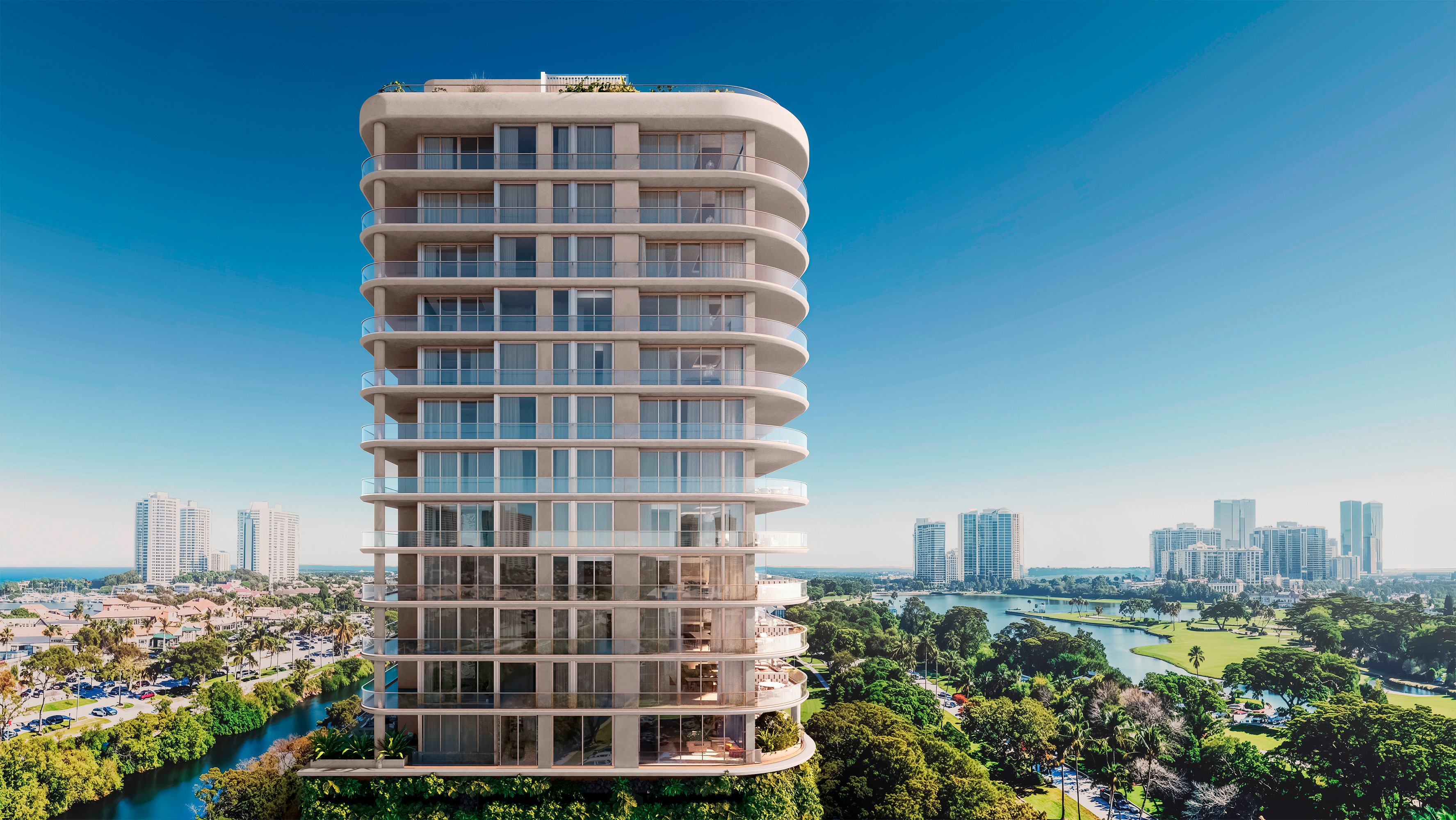
In Aventura, the purchase price is only the opening line of a luxury condo acquisition. The ongoing cost of ownership is where a residence reveals its true financial character. For buyers comparing a Waterview home, a full-service tower or a boutique waterfront address, carrying costs can shape the experience as much as the floor plan, terrace depth or private elevator entry.
The right review is not about finding the lowest monthly number. It is about understanding what the number supports, how stable it appears, and whether the building’s financial culture aligns with the buyer’s expectations. A polished lobby, attentive staff, resort-style amenities, Marina access, valet operations and security all carry operational weight. In the luxury segment, the question is not simply, “What is the fee?” It is, “What is included, what is excluded and what could change?”
Aventura buyers often compare the city with adjacent coastal markets, from Sunny Isles to Hallandale Beach and North Miami. A residence such as Avenia Aventura belongs in that conversation because the lifestyle appeal of the area is closely tied to water, shopping, boating routes and access across northeast Miami-Dade. Carrying cost discipline helps a buyer enjoy those advantages without surprises after closing.
The association budget is the clearest first read on how a building operates. Buyers should review line items for staffing, management, utilities, common-area maintenance, landscaping, security, elevator service, pool care, amenity operations, professional fees and administrative expenses. A sophisticated building can justify a higher monthly obligation when the budget reflects a high-touch operating model. The concern is not cost itself, but opacity.
Ask what the monthly assessment includes. Some buildings bundle cable, internet, water, pest control, building insurance components or access to certain shared amenities. Others separate more items at the unit level. A buyer who compares two properties only by headline monthly dues may miss meaningful differences in what is actually covered.
Budget history also matters. Review whether expenses have been rising steadily, whether prior increases were explained, and whether board minutes point to upcoming projects. A calm, well-documented budget can be more attractive than a superficially lower number with thin reserves or deferred work.
Luxury buyers should treat reserves as a core diligence item. Reserve funding is the building’s preparation for future capital needs, from roofs and elevators to mechanical systems, facade work, waterproofing, garage areas, pools and shared amenity spaces. The more complex the property, the more carefully a buyer should understand how future work is planned.
Special assessments deserve particular attention. Request information on any current, pending or recently completed assessments, and ask what they funded. An assessment is not automatically negative. It may reflect responsible upkeep or a meaningful improvement. The issue is whether it was anticipated, whether it has been paid, whether additional phases are expected, and how the cost is allocated among owners.
This is especially important when comparing New-construction and Resale opportunities. New-construction may offer newer systems and a fresh operating platform, but buyers should still study projected budgets, developer turnover expectations and what happens when warranties, service agreements or initial estimates evolve. Resale buildings provide a history, which can be useful, but that history must be read carefully.
Insurance is a major part of the ownership conversation in coastal South Florida, but buyers should avoid assumptions. Association coverage and individual unit coverage are separate concepts. The association may insure certain common elements and building components, while the owner may need separate coverage for interiors, personal property, liability, loss assessment exposure and other needs. The exact boundaries should be reviewed with qualified insurance and legal advisers before closing.
Property taxes should be modeled independently rather than inherited from the seller’s current bill. A buyer’s tax outcome may differ after a sale, depending on valuation, exemptions and other factors. The prudent approach is to estimate future taxes based on the acquisition rather than treating the prior owner’s bill as a guarantee.
Unit-level costs can also be significant. Electricity, interior insurance, housekeeping, window treatments, smart-home service, storage, parking, EV charging arrangements, pet-related fees, private club memberships and service contracts can all affect the annual ownership profile. In Aventura, where many buyers use homes seasonally, management while away should also be considered.
Amenities are part of the pleasure of luxury condo ownership, but they are also ongoing commitments. Pools, spas, fitness facilities, social rooms, children’s areas, screening rooms, guest suites, waterfront promenades and concierge programs require staffing, maintenance and periodic refreshes. Buyers should ask whether the amenity program is scaled appropriately for the number of residences and whether it is actively used or simply expensive to maintain.
Aventura’s appeal is its balance of residential calm and regional access. Yet buyers often benchmark against neighboring addresses such as Bentley Residences Sunny Isles or One Park Tower by Turnberry North Miami when considering how much service, design and amenity depth they want. That comparison can be useful, provided it remains focused on operating substance rather than brand aura alone.
If a property offers waterfront privileges, boating adjacency or Marina convenience, ask about maintenance responsibility, access rules, slip arrangements, guest policies and any separate fees. The lifestyle may be compelling, but the financial details should be understood before the contract becomes firm.
Carrying costs are not only financial. Use restrictions can affect value, liquidity and convenience. Buyers should review leasing policies, minimum rental periods, guest registration rules, pet policies, renovation procedures, move-in fees, elevator deposits, contractor requirements and parking regulations.
For a second-home buyer, flexible guest access and reliable property management may matter more than rental potential. For an investor, leasing restrictions may be decisive. For an owner with large dogs, staff, household employees or frequent visiting family, the rules can shape daily life. A building may be elegant, but if its regulations do not fit the owner’s habits, the mismatch becomes costly in a different way.
When comparing Aventura with nearby waterfront alternatives such as 2000 Ocean Hallandale Beach, review not only monthly cost but governance style. A well-run association with clear rules can protect the atmosphere that makes a luxury building desirable.
Before waiving contingencies, assemble a complete carrying cost file. It should include the current budget, recent financial statements if available, reserve information, insurance summary, board and membership minutes, current assessment details, rules and regulations, renovation guidelines, parking and storage documents, leasing rules and any disclosures provided through the transaction.
Then model ownership across three levels: predictable monthly costs, annual unit-level costs and potential irregular costs. The first category includes association dues and regular utilities. The second includes insurance, taxes, maintenance, service contracts and personal lifestyle expenses. The third includes assessments, major repairs, renovations and policy changes.
The most sophisticated buyers in Aventura are not deterred by carrying costs. They simply insist on understanding them. In a market where lifestyle and liquidity are both prized, clarity is its own luxury.
What are carrying costs in an Aventura luxury condo? They are the recurring and occasional costs of ownership beyond the purchase price, including association dues, taxes, insurance, utilities and potential assessments.
Should buyers focus on the lowest monthly association fee? No. A lower fee is not always better if it reflects limited services, underfunded reserves or deferred maintenance.
What documents should be reviewed before closing? Buyers should review the budget, rules, insurance information, reserve materials, meeting minutes, assessment notices and any available financial statements.
Are special assessments always a warning sign? Not necessarily. They may fund necessary improvements, but buyers should understand the scope, timing, amount and whether more assessments may follow.
How should a buyer compare New-construction with Resale? New-construction should be reviewed through projected budgets and turnover expectations, while Resale should be evaluated through operating history and building condition.
Does association insurance replace unit insurance? Usually no. Buyers should ask advisers to clarify what the association covers and what the unit owner must insure separately.
Why do amenities affect carrying costs? Amenities require staffing, maintenance, utilities and periodic upgrades, all of which can influence association expenses.
Can rental rules affect ownership value? Yes. Leasing restrictions, guest policies and approval procedures can influence flexibility, income potential and future buyer demand.
What should second-home buyers review carefully? They should review access rules, property management options, insurance, storm preparation, maintenance responsibilities and guest policies.
When should professionals be involved? Buyers should involve legal, tax and insurance advisers early enough to review documents before key contract deadlines.
If you'd like a private walkthrough and a curated shortlist, connect with MILLION.
If branded residences are on your mind — as a home or as an allocation — we would be glad to share what we are seeing, privately.
Begin a quiet conversation