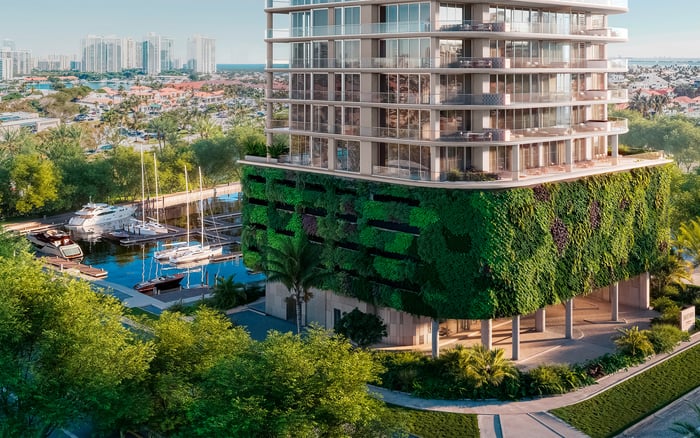
A discreet buyer’s guide to evaluating Aventura waterfront condos through the lens of Intracoastal access, dock rights, slip availability, bridge due diligence, tide planning, and day-to-day boating practicality.
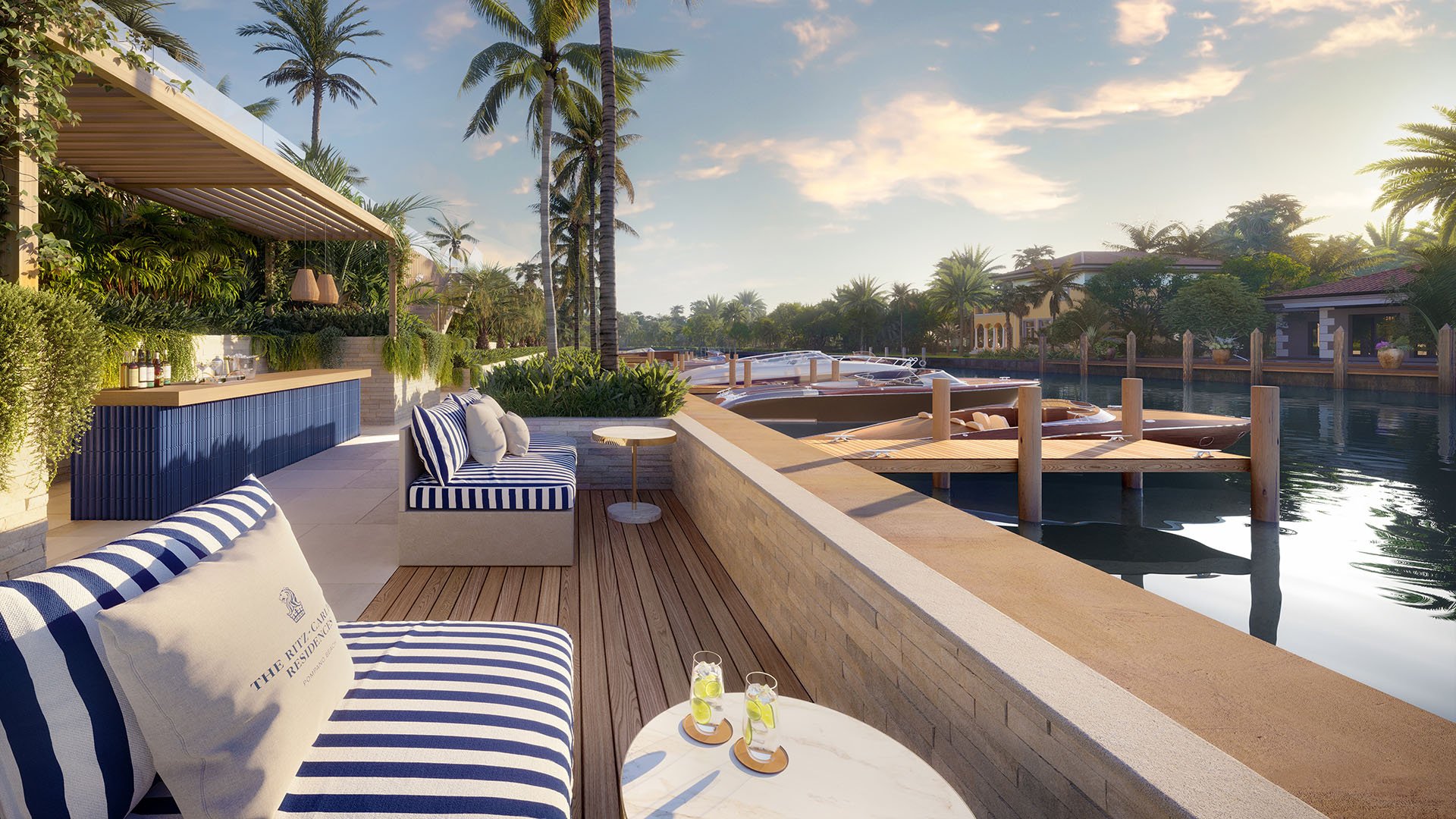
For many buyers, an Aventura waterfront condo begins with the view: moving water, passing yachts, low evening light, and the quiet theater of the Intracoastal. For boaters, the view is only the opening line. The more important question is how the building functions as a point of departure.
A polished lobby and a generous water view can define the mood of ownership, but Intracoastal convenience depends on more practical matters: dock structure, slip access, association rules, insurance expectations, bridge planning, channel awareness, and how easily a vessel can be used on an ordinary Tuesday morning. A waterfront condominium may feel nautical, but not every waterfront address is equally workable for an active owner who intends to boat frequently.
That distinction matters in Aventura, where buyers often want a refined residential base with access to dining, shopping, club life, beaches, and the broader Miami and Broward waterfront corridor. The most sophisticated search starts with lifestyle, then narrows through operational detail. A residence such as Avenia Aventura may enter the conversation for buyers comparing the area’s condominium options, but the boating analysis should always move beyond the building name and into the mechanics of ownership.
“Intracoastal access” can sound simple in marketing language. In practice, it is a layered question. A buyer should understand whether the building has private docks, a shared marina arrangement, nearby third-party slip options, or simply a waterfront setting without direct boating infrastructure. Each version creates a different ownership experience.
Private dockage can be convenient, but it also introduces questions about assignment, transferability, length and beam restrictions, electrical service, water service, lift availability, security, and maintenance responsibility. A deeded boat slip may have a very different value profile from an assigned slip, a leased slip, or a waitlisted opportunity. If a slip is not conveyed with the residence, the buyer should treat availability as a separate due-diligence item rather than an assumption.
It is also important to distinguish between occasional use and true boating use. A resident who boards with a captain several times a season may prioritize valet coordination and guest arrival. A resident who runs a boat weekly will care more deeply about currents at the dock, fuel planning, washdown rules, parking logistics, provisioning, and the ease of returning at different tides.
Boaters should raise navigational questions before becoming emotionally committed to a floor plan. A vessel’s height, draft, and handling characteristics can influence which waterfront locations feel effortless and which require patience. Bridge clearances, tidal windows, current behavior, and traffic patterns can all affect the daily rhythm of use.
Because conditions and rules can vary, buyers should avoid relying on casual estimates. The right approach is to verify the route from the dock to the intended cruising areas with a captain, marine professional, or other qualified advisor. For larger yachts, the analysis becomes even more specific. A route that works for one boat may not work for another, and a route that feels simple in calm conditions may feel less graceful in wind, rain, or weekend traffic.
This is where a luxury search becomes highly personal. Two residences with similar interiors may serve entirely different boating profiles. One may suit a center-console owner who values spontaneous evening rides. Another may suit a buyer who keeps a larger vessel elsewhere and wants the condominium primarily for views, entertaining, and access to a tender or dayboat.
The condominium documents deserve close attention. Dock rules can address guest usage, commercial activity, charter limitations, liveaboard restrictions, fueling, repairs, contractors, pets on docks, storage boxes, hurricane preparation, and quiet hours. These provisions shape the daily experience and can also affect resale appeal among boaters.
Insurance and storm protocols are equally important. Waterfront ownership in South Florida rewards buyers who understand preparation. Ask how the association handles severe-weather planning, dock access before and after storms, vessel removal requirements, and responsibility for damage to common elements. None of these questions are glamorous, but they are central to protecting the experience.
For buyers evaluating new or newer residences, the appeal often lies in a more contemporary service culture. Yet even the most elegant building should be measured against the realities of boating. The buyer’s team should review whether the association’s rules align with the intended vessel, frequency of use, and guest expectations.
Aventura’s appeal sits within a broader coastal map. Some buyers compare it with Sunny Isles, where towers offer a different relationship to the water: beach immediacy, dramatic views, and proximity to the Intracoastal corridor, though not necessarily direct dockage. Projects such as Bentley Residences Sunny Isles and St. Regis® Residences Sunny Isles may be considered by buyers who want an elevated coastal lifestyle while separately solving for boating access.
Others look south toward bayfront and island markets, where the mood may become more urban, resort-like, or boutique. Onda Bay Harbor can appeal to buyers studying a quieter waterfront village atmosphere, while Aria Reserve Miami belongs to a different urban waterfront conversation. The point is not to declare one market superior, but to identify which location best supports the owner’s boating habits.
Aventura remains compelling for buyers who want a polished residential environment with convenient access to multiple parts of South Florida. For boaters, however, convenience should be tested route by route, slip by slip, and rule by rule.
Before making an offer, a boating buyer should clarify five categories. First, confirm the legal status of any slip: deeded, assigned, leased, licensed, or waitlisted. Second, verify vessel compatibility, including length, beam, draft, height, and any association limitations. Third, study the route from the property to preferred destinations, including bridges, channels, tides, and common congestion points.
Fourth, review operating rules. Determine whether captains, crew, contractors, cleaners, and mechanics can access the property in the manner the owner expects. Fifth, evaluate the broader ownership experience: parking, storage, deliveries, security, guest arrivals, tender access, and post-cruise cleanup.
These questions may seem technical, but in the luxury market they are part of discernment. True ease is rarely accidental. It comes from a residence whose details support the owner’s private routines without friction.
Waterfront value is often discussed through view corridors, floor height, outdoor space, and interior finish. For boaters, utility can be just as meaningful. A residence with well-matched boating infrastructure may draw deeper interest from a narrower but highly motivated buyer pool. Conversely, a beautiful waterfront home with limited or uncertain dock access may need to be understood primarily as a view residence rather than a boating residence.
That distinction should influence negotiation and long-term planning. If the slip is central to the purchase, its rights should be clearly understood before contract deadlines pass. If the buyer plans to keep a vessel elsewhere, then the residence can be judged more heavily on architecture, service, privacy, and lifestyle.
The best Aventura searches do not treat boating as an accessory. They treat it as part of the home’s architecture of use. When a condominium, a dock, a route, and a routine align, the result is a distinctly South Florida form of luxury: the ability to move from residence to water with grace.
Do all Aventura waterfront condos include boat slips? No. A waterfront location does not automatically mean a residence includes a slip, so buyers should verify dock rights before relying on access.
What is the difference between a deeded slip and an assigned slip? A deeded slip is typically tied more directly to ownership, while an assigned slip may be governed by association rules and availability.
Should I confirm bridge clearances before buying? Yes. Vessel height and route conditions should be reviewed early, especially for larger boats or buyers planning frequent use.
Can condo associations restrict boat size? Yes. Associations may set limits or rules related to length, beam, draft, storage, maintenance, and dock behavior.
Is a water view the same as boating access? No. A water view may be purely visual, while boating access depends on docks, slips, rules, and navigable routes.
How important is marina availability near Aventura? It can be essential if a building does not provide suitable private dockage or if a buyer owns a larger vessel.
Can I keep a yacht at my condo year-round? Possibly, but it depends on the building’s dock rules, vessel compatibility, insurance requirements, and storm procedures.
Should I hire a captain to evaluate access? For serious boaters, yes. A captain can help assess practical route conditions, maneuvering, and vessel fit.
Does boat-slip access affect resale appeal? It can. Clear and usable boat-slip rights may increase appeal among boating buyers, though value depends on the full ownership context.
Is Aventura a good fit for boaters who also want city convenience? Aventura can be attractive for buyers seeking waterfront living with nearby urban conveniences, provided the boating details align.
To compare the best-fit options with clarity, connect with MILLION.
If branded residences are on your mind — as a home or as an allocation — we would be glad to share what we are seeing, privately.
Begin a quiet conversation