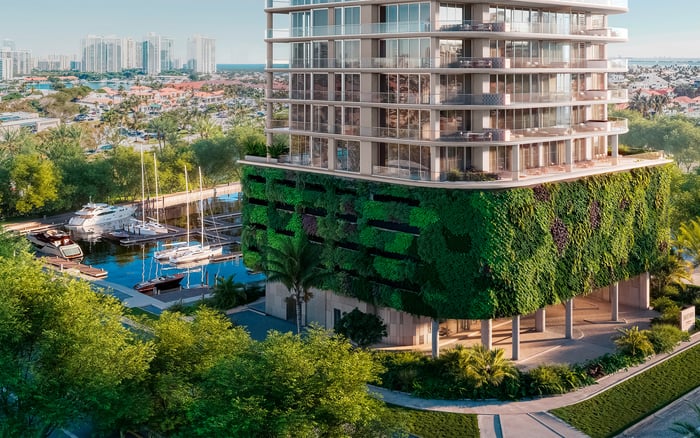
A practical owner’s guide to reviewing governance, reserves, insurance, waterfront maintenance, marina access, and resale readiness in Aventura waterfront residences.
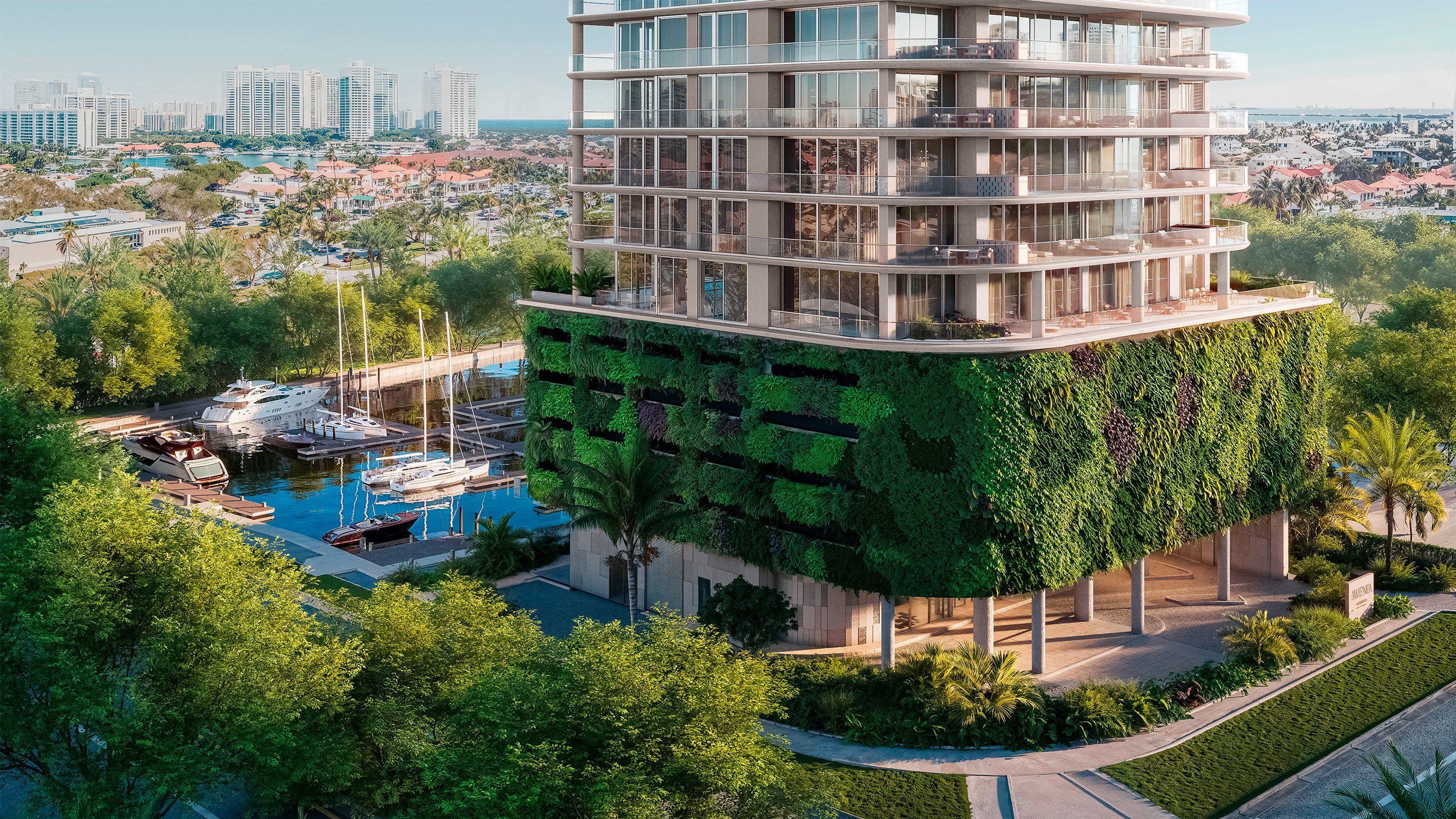
For long-term owners, an Aventura waterfront residence is more than a private address with a calm outlook. It is a layered asset shaped by association governance, building condition, insurance posture, waterfront infrastructure, and the expectations of a sophisticated resale audience. The longer the ownership period, the more important it becomes to verify the fundamentals rather than rely on familiarity.
Even the most elegant buildings can become difficult assets when documents are stale, assessments are unclear, rules have shifted, or waterfront components have not been reviewed with sufficient care. Conversely, a well-documented residence can feel more liquid, more defensible, and more reassuring to a buyer comparing Aventura with neighboring coastal markets. A residence near Avenia Aventura, for example, will be viewed in a context where buyers expect clarity, not just a waterview.
This is not about alarm. It is about stewardship. Long-term ownership rewards those who periodically audit the property as if they were acquiring it again.
The association file is the first place to look because it frames nearly every ownership decision. Owners should review the declaration, bylaws, house rules, current budget, reserve information, meeting minutes, insurance summaries, audit materials, and any notices related to pending or contemplated work. The goal is not to memorize every clause. It is to understand where control, cost, and responsibility begin and end.
Documents can evolve quietly over time. Rental policies may be refined. Pet rules may be amended. Renovation procedures may become more formal. Approval processes can change in response to building needs, resident preferences, or insurance considerations. Long-term owners who have lived comfortably under one set of assumptions should confirm whether those assumptions still match the current governing record.
For owners considering a resale, this review should take place before a buyer appears. A clean document package can reduce friction, limit uncertainty, and help the residence present as carefully maintained rather than merely occupied.
Meeting minutes are often the most revealing material in the file. They can show what the community has been discussing, deferring, prioritizing, or disputing. Owners should look for repeated references to repairs, budget pressure, vendor changes, rule enforcement, insurance renewals, waterfront maintenance, elevators, roofs, concrete, mechanical systems, security, amenities, and legal matters.
A single mention may not be meaningful. A recurring topic deserves attention. Long-term owners should ask whether an issue has been resolved, funded, delayed, or moved into a larger capital plan. This is especially important for waterfront residences, where salt air, exposure, drainage, decks, seawalls, docks, railings, exterior finishes, and shared amenity areas can require disciplined care.
The strongest owners are not necessarily those who avoid every building with issues. They are the ones who understand the issues early and can discuss them with composure.
Reserve strength and capital planning influence both ownership comfort and market perception. Owners should verify what the association is reserving for, which major components are included, whether any special assessments have been discussed, and whether existing assessments are fully understood. The emphasis should be on clarity.
Luxury buyers do not expect a waterfront building to be free of maintenance. They expect the building to be organized, transparent, and financially coherent. An owner who can explain what has been approved, what remains under discussion, and what is already funded is in a stronger position than one who only knows the monthly carrying cost.
This is also where owners should separate personal improvements from building-level needs. A renovated kitchen, refined millwork, or new flooring may elevate the private residence, but it does not replace the importance of association-level financial health.
The water is the romance, but the waterfront is infrastructure. Owners should verify which elements are private, limited common, or common association responsibility. This may include dock areas, slips, seawall components, promenade sections, boardwalks, landscaping, pool decks, drainage systems, lighting, railings, gates, and access paths.
If the residence includes or uses a slip, the file should make the rights unmistakable. Confirm whether access is deeded, assigned, licensed, leased, or otherwise controlled by the association. Confirm transferability, guest use, vessel limitations, maintenance responsibility, insurance expectations, and any rules governing vendors or repairs. In a boat-slip review, the exact language matters more than casual memory.
Owners should also distinguish between a beautiful view and a legally reliable right. A waterview may be part of the emotional value, but use rights, maintenance duties, and association control are what protect the practical value.
Insurance is one of the most important documents for any waterfront owner to understand. The association’s master coverage, the owner’s individual policy, deductible structure, loss assessment coverage, water intrusion responsibilities, and interior improvement coverage should be reviewed with qualified insurance guidance.
Long-term owners often accumulate improvements over time. Built-ins, stone, cabinetry, specialty lighting, closets, wall treatments, and smart-home systems may not be reflected in older coverage assumptions. If a residence has been upgraded, the insurance file should evolve with it.
The same principle applies to risk allocation. Owners should know what the association covers, what the owner covers, and how claims are handled when damage crosses the line between common areas and private interiors.
Aventura does not exist in isolation. Buyers often compare it with Sunny Isles, Hallandale, North Miami, Bal Harbour, and other waterfront corridors. They may weigh lifestyle, access, views, services, building age, marina convenience, rules, and the overall feeling of operational confidence.
That is why long-term owners should understand how their residence presents beside neighboring reference points. A buyer studying Bentley Residences Sunny Isles or Turnberry Ocean Club Sunny Isles may arrive with heightened sensitivity to service, documentation, privacy, and design condition. A buyer also looking north toward Shell Bay by Auberge Hallandale may ask a different set of questions about amenities and waterfront use.
The owner’s task is not to imitate another project. It is to make the value proposition of the existing residence legible. In Aventura, that often means showing why the building, governance, view, layout, and ownership file still deserve serious attention.
The best verification process produces a usable owner’s dossier. Include the current association documents, budget materials, minutes, assessment notices, insurance summaries, renovation approvals, permits where applicable, appliance and system records, service contracts, waterfront access documents, and any correspondence that clarifies rights or responsibilities.
Then walk the residence with a critical eye. Are shutters, balcony doors, sliders, railings, flooring transitions, plumbing fixtures, air-conditioning components, and lighting systems functioning properly? Are prior improvements documented? Are any open questions better resolved before a buyer’s attorney or inspector raises them?
A polished residence is persuasive. A polished file is reassuring. Together, they create confidence.
Before holding, verify carrying costs, upcoming association priorities, insurance alignment, and the condition of shared waterfront components. Before renovating, verify approval procedures, contractor rules, work hours, elevator access, deposits, insurance requirements, and whether proposed improvements conflict with building standards.
Before selling, verify every representation that may appear in marketing. Do not rely on inherited language about slips, views, storage, parking, rental flexibility, pets, or amenities. Confirm the document trail. Luxury buyers are often willing to pay for quality, but they are rarely patient with ambiguity.
For a long-term owner, this discipline is a form of preservation. It protects the asset, clarifies the story, and helps the residence meet the market with grace.
What should long-term Aventura waterfront owners review first? Begin with association documents, budgets, reserves, insurance summaries, meeting minutes, and any notices involving repairs or assessments.
Why are meeting minutes important? They can reveal recurring building priorities, maintenance discussions, legal items, and capital planning that may not be obvious from monthly fees alone.
Should owners verify marina or slip rights? Yes. Confirm whether rights are deeded, assigned, licensed, leased, transferable, and subject to association rules.
How often should an owner update the property file? A practical rhythm is to refresh it before major decisions such as renovating, refinancing, renting, holding long term, or selling.
What insurance items deserve special attention? Review master coverage, owner coverage, deductibles, loss assessment protection, water damage terms, and coverage for interior upgrades.
Do renovations need association approval? Many condominium renovations require formal review, deposits, contractor insurance, work-hour compliance, and elevator or access coordination.
What matters most before a resale? Owners should verify documents, assessments, use rights, improvement records, maintenance history, and any statements that may appear in marketing.
Is a waterview enough to support value? No. The view is important, but buyers also evaluate governance, condition, insurance, rules, and the reliability of waterfront rights.
How should owners think about a marina amenity? Treat it as infrastructure with rules, maintenance duties, access terms, insurance expectations, and possible transfer limitations.
Why is Aventura ownership documentation so important? Clear documentation helps reduce uncertainty, supports pricing conversations, and gives qualified buyers greater confidence in the residence.
For a confidential assessment and a building-by-building shortlist, connect with MILLION.
If branded residences are on your mind — as a home or as an allocation — we would be glad to share what we are seeing, privately.
Begin a quiet conversation