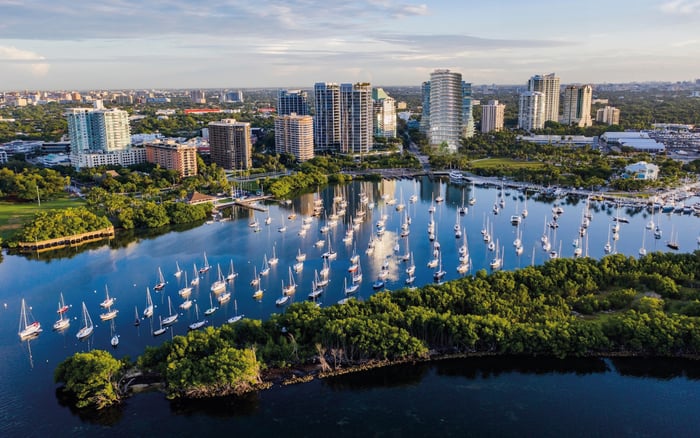
A discreet due diligence guide for Coconut Grove waterfront buyers, focused on marina access, boat slips, dock rights, navigation, insurance, storm readiness and lifestyle fit.
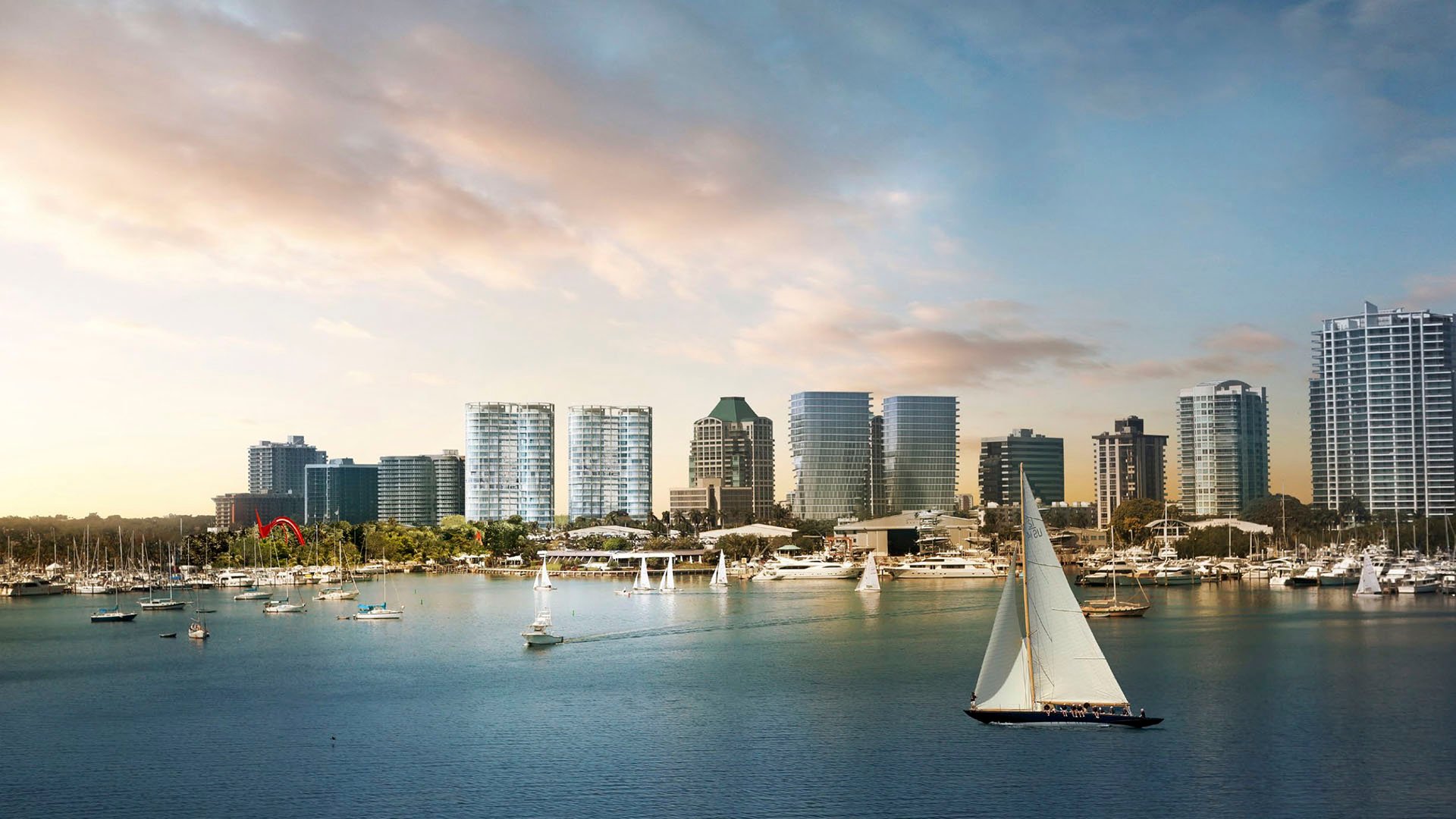
Coconut Grove has long attracted buyers who want a softer, more village-like expression of Miami waterfront living. The appeal is emotional: morning light over the water, an easy rhythm between home and boat, and a neighborhood character that feels established rather than newly manufactured. Yet the most important question for a waterfront buyer is rarely whether the view is beautiful. It is whether the boating access works for the vessel, the household and the ownership structure.
A residence may offer a water view without conveying a boat slip. A condominium may sit near a marina without providing priority access. A private dock may be visually compelling yet constrained by rules, maintenance obligations or navigational realities. For buyers comparing Four Seasons Residences Coconut Grove with established waterfront and near-water options, the disciplined approach is to separate lifestyle language from verifiable rights.
In a working buyer brief, simple search terms such as Coconut Grove, marina, boat slip and water view can be useful starting points. At the contract level, however, those labels must become documents, permissions, dimensions, operating rules and cost obligations.
The first verification is whether boating access is deeded, licensed, leased, assigned by an association or obtained separately through a third party. These categories are not interchangeable. A deeded interest may be treated very differently from a revocable license or a seasonal arrangement. If a listing suggests boat access, buyers should ask precisely what transfers at closing and what does not.
Slip availability deserves particular scrutiny. A building or marina-adjacent address may imply convenience, but access can depend on waitlists, vessel size, association approval, marina policies or existing assignments. Buyers should request written confirmation of any claimed slip right, the term of use, the transfer process, and whether the right is tied to the unit, the owner or a separate agreement.
For luxury buyers considering Park Grove Coconut Grove, Mr. C Tigertail Coconut Grove or other Grove residences, the question is not simply proximity to the water. It is whether the day-to-day boating plan is realistic without relying on assumptions. If the vessel is central to the purchase, boating access should be treated as a core asset, not an amenity to be resolved after closing.
A yacht owner should confirm the practical route from berth to open water before becoming attached to a property. The relevant issues include vessel length, beam, height, draft, turning radius and the timing of tides. A shallow-draft tender may have a very different experience from a larger cruising vessel. What appears manageable on a calm afternoon may be less convenient with current, wind, weekend traffic or limited maneuvering room.
This is where a captain, marine surveyor or other qualified boating professional can add value before the inspection period expires. Buyers should review the route, evaluate docking conditions and confirm whether bridges, channels, shoaling, tide windows or restricted areas affect the intended use. The goal is not to create the perfect nautical plan. It is to avoid purchasing a beautiful waterfront home that does not serve the boat.
For seasonal owners, timing also matters. If the boat will be used heavily during peak social months, the buyer should understand reservation practices, guest docking limits, launch logistics and fueling convenience. For full-time residents, maintenance access, service vendor policies and hurricane preparation procedures may matter more than occasional weekend convenience.
In high-value waterfront transactions, the boating file should be reviewed with the same seriousness as the title commitment and condominium documents. The purchase agreement should identify whether the slip, dock or access right is included. If separate paperwork is required, the buyer should know who approves the transfer, whether fees apply, and whether consent can be withheld.
Association documents can be particularly important. Rules may address vessel type, liveaboard restrictions, insurance coverage, noise, hours of operation, fueling, repairs, lifts, tenders and guest use. Some restrictions are practical and expected. Others may materially change the value of the purchase for a buyer whose lifestyle is organized around boating.
Buyers looking at boutique Grove inventory, including The Well Coconut Grove and Ziggurat Coconut Grove, should also distinguish between a residential experience shaped by wellness, design and walkability and one defined by direct marine utility. Both can be exceptional. They are simply not the same due diligence exercise.
Waterfront ownership in South Florida often intersects with environmental protections, dock permitting, shoreline maintenance and storm preparation. Before closing, buyers should ask whether existing docks, lifts, pilings, seawalls or related improvements were properly approved and maintained. If future improvements are contemplated, the buyer should understand that permitting may affect timing, scope and cost.
Environmental rules can influence what may be repaired, expanded or newly installed. Rather than relying on a seller’s informal assurance, buyers should request documentation and engage appropriate specialists when a dock, lift or shoreline condition is central to value. If a property’s appeal depends on replacing a dock or accommodating a different vessel, that assumption belongs inside the due diligence period.
Storm readiness is another critical layer. Buyers should ask how vessels are secured, whether removal is required under certain conditions, where the boat can be relocated, and how the association or marina coordinates preparation. Insurance should be reviewed for both the residence and the marine component. The elegant version of waterfront living is quiet because the operational details have already been handled.
Coconut Grove buyers often value discretion, greenery and a less frenetic pace. That lifestyle is enhanced when boating access is simple, documented and aligned with how the owner actually lives. A buyer who takes the boat out twice a month may prioritize ease and predictable service. A serious yachtsman may care more about draft, protection, access windows and vendor permissions. A family may focus on safety, guest policies and proximity to clubs, schools or dining.
The right property is not necessarily the one with the most dramatic waterfront language. It is the one where view, access, rules, vessel requirements and ownership documents all agree. In the Grove, that alignment can be more valuable than a marketing phrase. It is the difference between buying an image of the boating life and buying a residence that genuinely supports it.
Is a water view the same as boating access? No. A water view may have no connection to a dock, slip, marina priority or transferable boating right.
Should boat slip rights be reviewed before making an offer? They should be reviewed as early as possible, especially if the vessel is central to the purchase decision.
What documents should a buyer request for a slip or dock? Request the deed, license, lease, assignment agreement, association rules and any transfer requirements that apply.
Can a condominium association restrict vessel use? Yes. Association rules may address vessel size, insurance, guest use, repairs, noise, hours and other operating matters.
Why does vessel draft matter in Coconut Grove? Draft affects whether a vessel can comfortably navigate the route at varying tide and water conditions.
Who should evaluate the boating route? A qualified captain, marine surveyor or boating specialist can help assess maneuvering, access and practical usability.
Are dock improvements always simple to make after closing? No. Dock, lift, seawall or shoreline changes may involve permitting, approvals, timing constraints and added costs.
Should insurance be reviewed separately for boating issues? Yes. Residential coverage and marine-related obligations may involve different requirements, deductibles and responsibilities.
What is the biggest mistake waterfront buyers make? They assume proximity to water automatically creates usable, transferable and convenient boating access.
How should buyers compare Grove properties with different access profiles? Compare documented rights, vessel fit, operating rules, storm planning and lifestyle needs rather than view language alone.
If you'd like a private walkthrough and a curated shortlist, connect with MILLION.
If branded residences are on your mind — as a home or as an allocation — we would be glad to share what we are seeing, privately.
Begin a quiet conversation