A refined buyer’s guide to Downtown Miami waterfront residences, focusing on durable view value, insurance diligence, building standards, and the quiet details that separate trophy ownership from ordinary exposure.
Buying waterfront in Downtown Miami is not simply a search for blue water from a high floor. It is a layered decision about permanence, exposure, service, insurance, and how a building is likely to perform over time. The best acquisitions feel effortless once owned, but that ease is usually the result of disciplined questions asked before contract.
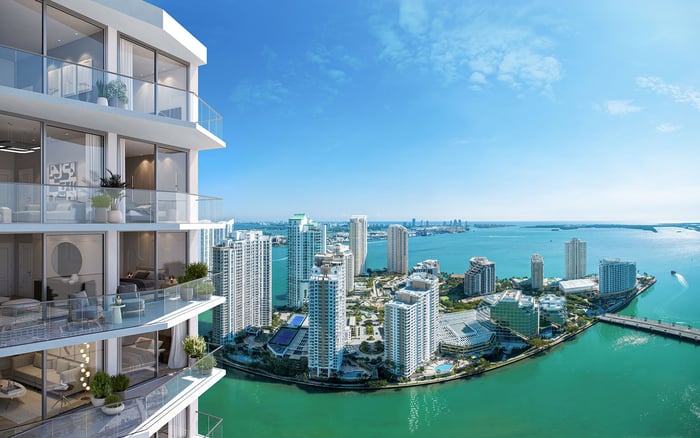
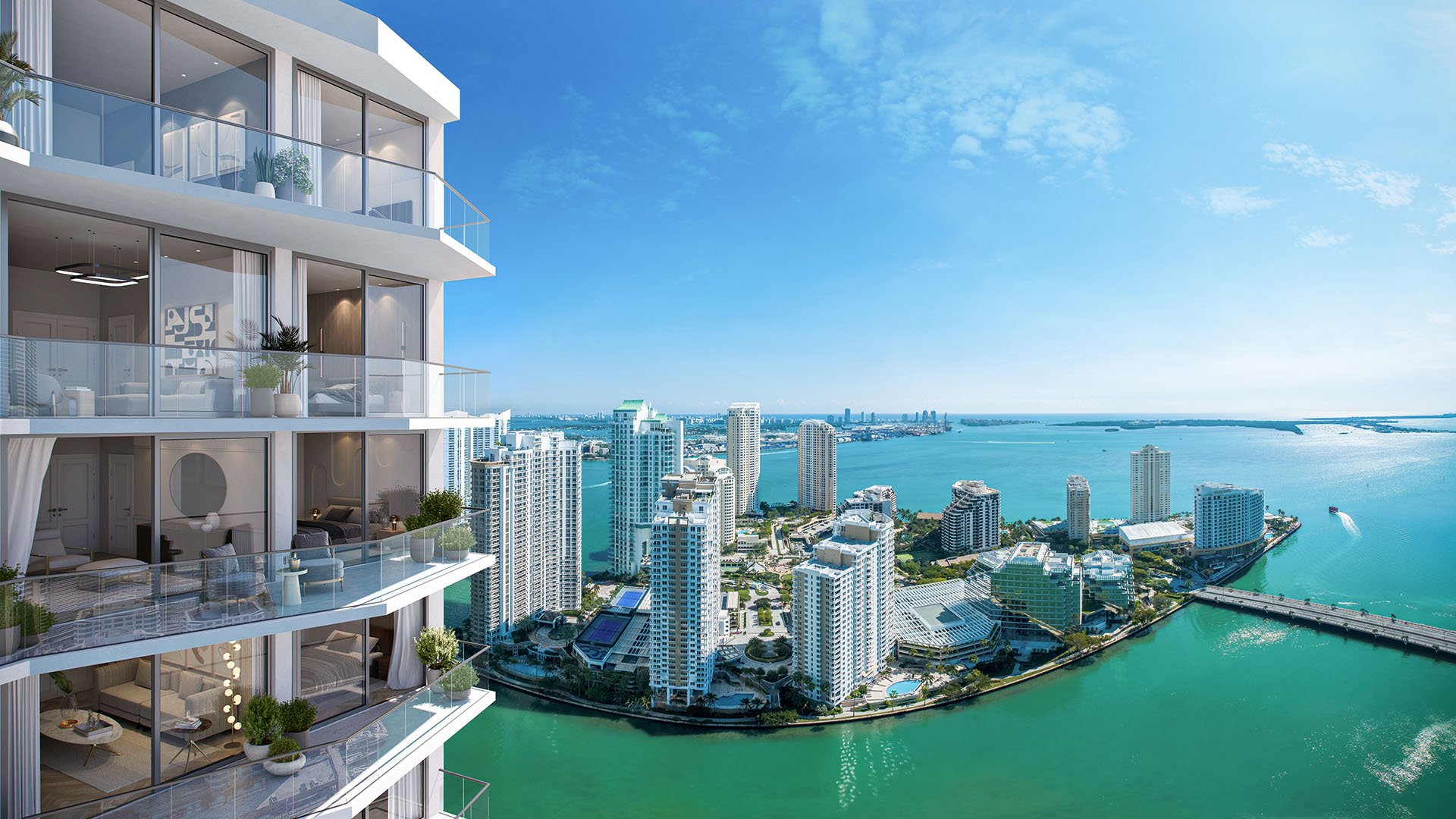
The first question is not whether a residence has a view. It is whether the view has a defensible corridor. A direct, broad, unobstructed outlook carries a different long-term profile than a partial angle between neighboring towers. A higher floor may improve perspective, but height alone does not resolve every concern. Buyers should study the shape of the view, the distance to surrounding parcels, the orientation of primary rooms, and whether the most important sightline is enjoyed from everyday living spaces rather than only from a corner of the terrace.
Downtown buyers often compare residential options across the central waterfront, the urban core, and nearby Brickell. In that context, buildings such as Aston Martin Residences Downtown Miami and Waldorf Astoria Residences Downtown Miami sit within the conversation because purchasers are weighing skyline presence, bay access, hotel-style service, and long-term architectural identity alongside the view itself.
A strong view corridor has three qualities: width, depth, and utility. Width determines how much openness the eye reads from inside the residence. Depth determines whether the outlook feels layered or compressed. Utility determines whether the view is part of daily life, visible from the kitchen, living room, primary suite, and terrace, or only a photograph-friendly moment.
Corner residences often attract attention because they can offer more than one exposure. Yet a corner plan still needs to be evaluated for usability. Does the glass line frame the water naturally? Are structural columns interrupting the best angle? Does the terrace enhance the view or pull furniture away from it? A beautiful balcony is valuable when it extends the living experience, not when it becomes a windy accessory.
High floors can create drama, but buyers should not assume they are always superior. Some lower or middle elevations may feel more connected to the waterfront, especially when the foreground is attractive. Conversely, very high floors may deliver sweeping distance but less intimacy. The right answer depends on the buyer’s lifestyle: morning coffee, evening entertaining, art placement, privacy, and tolerance for wind and sun all matter.
Insurance is one of the most important due diligence topics in waterfront condominium ownership. Buyers should review the building’s master policy, deductibles, exclusions, renewal history, and how coverage responsibilities are divided between the association and the individual owner. The goal is not merely to confirm that insurance exists. The goal is to understand what happens after a claim, who pays, and how quickly the building can recover.
Waterfront buildings should be evaluated with particular care around flood exposure, windstorm coverage, glass systems, mechanical equipment, garage areas, and common elements. A buyer’s personal policy should be aligned with the association documents so there is no false comfort between interior coverage and building-level coverage. In luxury condominiums, interiors may be highly customized, and the cost to restore millwork, stone, appliances, lighting, and smart-home systems can be significant.
Insurance also influences resale perception. A building with organized documentation, clear reserves, and professional communication gives future buyers and lenders more confidence. A residence may be spectacular, but if the ownership structure feels opaque, the buyer pool can narrow. The most elegant transaction is one where the beauty of the home and the discipline of the building support each other.
In Downtown waterfront property, building standards are not abstract. They shape comfort, maintenance, and long-term value. Buyers should ask about impact-rated glazing, balcony waterproofing, façade maintenance, elevator redundancy, backup power strategy, garage systems, air-conditioning infrastructure, and the age and condition of major components. For new construction, the focus shifts to delivery standards, warranties, specifications, and the reputation of the development and construction teams.
The quality of the envelope matters because South Florida living places pressure on glass, seals, terraces, and exterior finishes. A refined residence should feel quiet, dry, and stable, even in challenging weather. Doors should close cleanly. Window systems should feel substantial. Terraces should drain correctly. Mechanical systems should be accessible and serviceable.
Amenities deserve the same scrutiny. Pools, spas, lounges, gyms, private dining rooms, and valet operations all contribute to the ownership experience, but they also require staffing, maintenance, and reserve planning. The question is not only what the building offers on opening day. It is how the association will sustain those offerings gracefully.
Downtown and Brickell often appeal to overlapping buyers, but the emotional logic can differ. Downtown can feel more skyline-forward, more connected to cultural and waterfront energy. Brickell is often viewed through the lens of finance, dining, walkability, and a polished urban rhythm. A waterfront buyer may prefer one over the other based on commute patterns, restaurant habits, school considerations, privacy, and the desired level of neighborhood intensity.
In Brickell, projects such as Baccarat Residences Brickell, St. Regis® Residences Brickell, and Una Residences Brickell are part of the broader luxury comparison set for buyers who want water orientation with a more established urban routine. The key is to compare not only brand and amenity language, but also floor plate, exposure, privacy, parking, arrival sequence, and association structure.
Water-view buyers should also consider how the residence lives at night. Some vistas are more compelling after sunset, when reflections, bridge lights, and tower illumination create a layered cityscape. Others are strongest in the morning, when water and sky define the mood. The best purchase matches the owner’s actual daily rhythm rather than a single showing appointment.
A serious buyer should request the condominium documents, budget, insurance summary, reserve information, recent meeting materials, rules, rental restrictions, and any available engineering or maintenance information. Counsel and insurance professionals should review the documents before deadlines expire. In the luxury market, speed is useful, but clarity is more valuable.
Inside the residence, inspect for signs of moisture, door alignment, glass performance, terrace condition, HVAC function, and the quality of prior renovations. Ask which improvements were permitted where required, and whether any work affects association approvals. In a high-value waterfront purchase, beautiful staging should never replace technical review.
Parking, storage, service elevators, package handling, pet rules, guest access, valet protocols, and staff culture also deserve attention. These details influence daily satisfaction more than many buyers expect. A residence can have a magnificent view and still be frustrating if the building’s operations do not match the owner’s lifestyle.
Waterfront negotiation is rarely only about price. It is about certainty, documentation, timing, deposit structure, inspection rights, furniture inclusions, parking, storage, assessments, and closing logistics. A buyer who understands the building can negotiate with calm authority. A seller who owns a truly superior line, exposure, and floor may have leverage, but that leverage should still be tested against insurance, reserves, and comparable alternatives.
The most resilient Downtown Miami purchase is the one where emotion and underwriting meet. The water should move you. The documents should reassure you. The building should feel prepared for the climate, the market, and the expectations of sophisticated ownership.
What is the most important view question when buying waterfront in Downtown Miami? Ask whether the view corridor is broad, deep, and likely to remain meaningful over time.
Are high floors always better for waterfront views? Not always. Higher floors can add drama, but mid-level residences may feel more connected to the water.
What insurance documents should a buyer review? Review the master policy summary, deductibles, exclusions, renewal details, and owner coverage responsibilities.
Why do building standards matter so much on the waterfront? Waterfront exposure places added emphasis on glass, waterproofing, mechanical systems, and maintenance planning.
Should new-construction buyers still conduct detailed due diligence? Yes. New buildings require review of specifications, warranties, budgets, rules, and delivery obligations.
How should a buyer evaluate a balcony? Consider size, wind, privacy, drainage, furniture placement, and whether it improves daily living.
Is Brickell different from Downtown for waterfront buyers? Yes. Brickell often emphasizes urban routine, while Downtown may feel more skyline and waterfront oriented.
Can a water-view residence still have weak resale fundamentals? Yes. View quality must be supported by sound documents, insurance clarity, and strong building operations.
What building operations should luxury buyers study? Review parking, valet, elevators, staff culture, guest access, package handling, and maintenance responsiveness.
What makes a Downtown waterfront purchase feel truly durable? A durable purchase combines a strong view corridor, clear insurance, quality construction, and disciplined governance.
To compare the best-fit options with clarity, connect with MILLION.
If branded residences are on your mind — as a home or as an allocation — we would be glad to share what we are seeing, privately.
Begin a quiet conversation