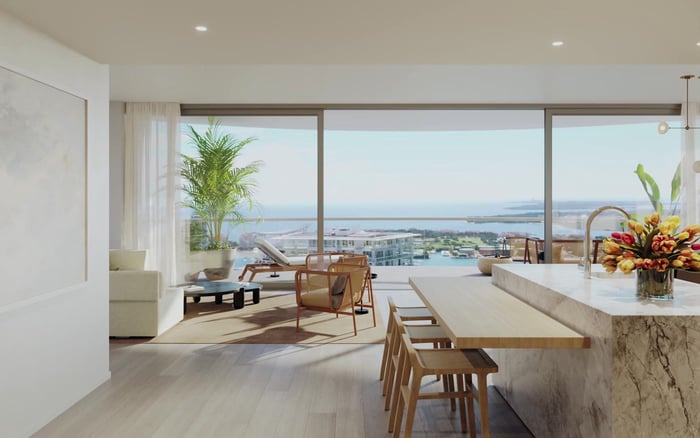
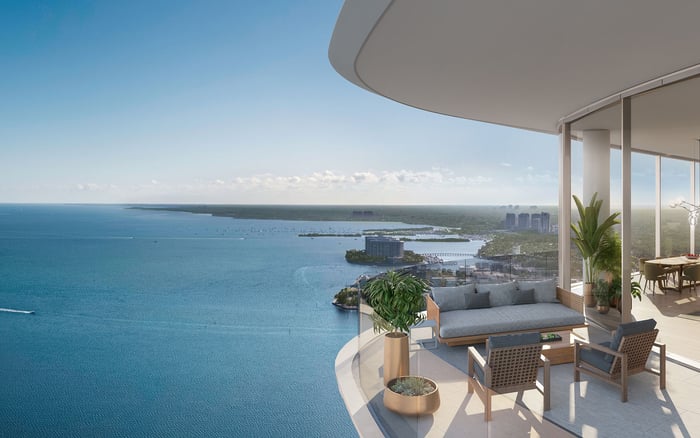
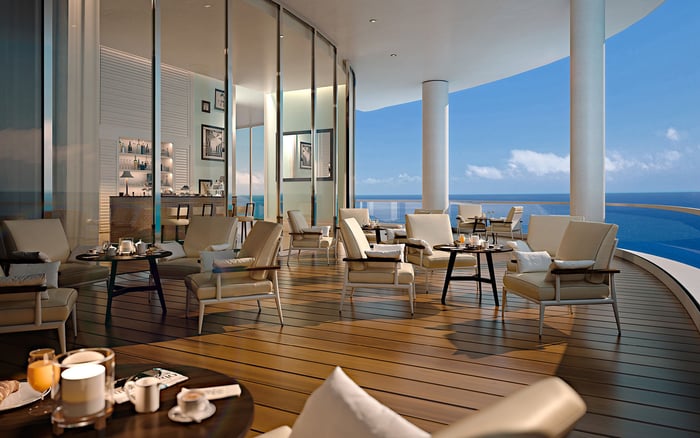
A refined due-diligence guide for buyers evaluating oceanfront terraces in South Florida, with a focus on code compliance, hurricane readiness, association rules, material durability, and practical furniture limitations.
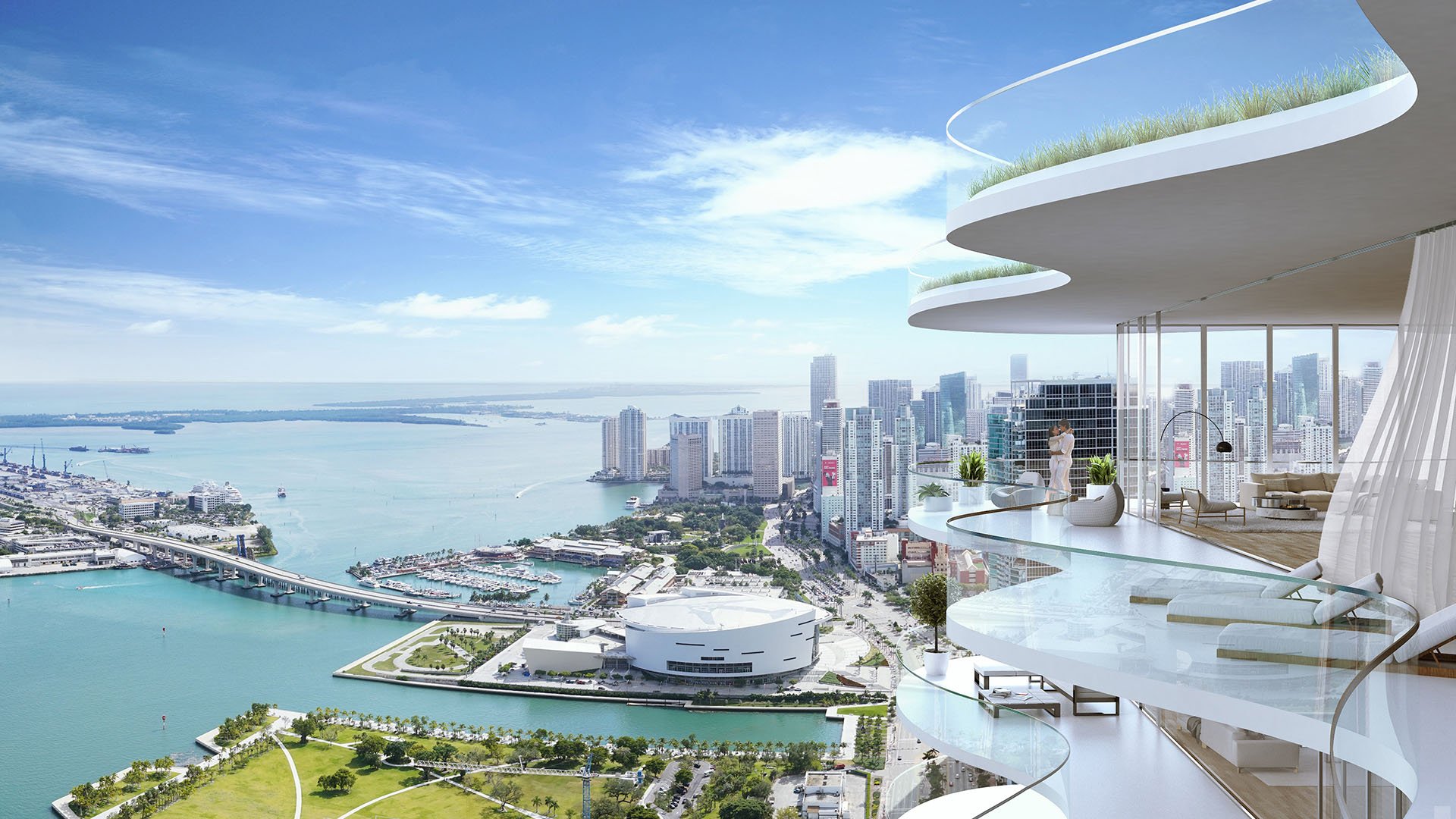
On a South Florida oceanfront residence, the terrace is not an afterthought. It is an outdoor room, a view corridor, and often a meaningful part of the property’s value. Yet it is also one of the easiest places for a buyer to mistake visual polish for true compliance. Glass railings may look pristine, wind screens may feel thoughtfully placed, and furniture groupings may project effortless resort living. None of that confirms whether the assembly is properly approved, appropriate for coastal exposure, or permitted under the building’s rules.
For MILLION Luxury buyers, the right approach is to evaluate the terrace as a technical asset. In Miami-Dade, where coastal towers sit within a High Velocity Hurricane Zone, railing systems, wind screens, and removable outdoor items warrant a level of review that goes well beyond aesthetics. This is especially relevant in oceanfront inventory across Miami Beach and Sunny Isles, where wind exposure and salt air can turn a seemingly minor terrace detail into a meaningful ownership issue.
In design-forward residences such as 57 Ocean Miami Beach or Turnberry Ocean Club Sunny Isles, buyers are often drawn to expansive outdoor living. The prudent next step is to confirm exactly what is original, what was modified, and what the association will allow after closing.
A buyer should begin with a simple question: is the terrace exactly as delivered by the developer, or has it been altered by a current or prior owner? Any modification to railings, screens, enclosures, or exterior-facing elements can trigger both municipal permitting and condo approval requirements. If a seller added wind screens or changed railing components without records, that should be treated as a due-diligence issue, not a cosmetic footnote.
Ask for a clear document trail that includes permits, completed approvals, warranties, engineer letters if applicable, and any product documentation tied to the installation. If the seller describes a system as hurricane-rated or association-approved, request the paperwork rather than relying on the description. For buyers considering a resale purchase, terrace records can be as important as appliance invoices or renovation plans, because unapproved exterior work may affect future repairs, insurance questions, and your own ability to make changes later.
This is particularly important in towers where facade uniformity is tightly managed, including highly curated properties such as Faena House Miami Beach, where design consistency is part of the asset’s identity.
Glass railings have become a defining feature of premium coastal residences because they preserve sight lines and keep the horizon uninterrupted. The buyer’s task is not to admire the transparency, but to verify the system behind it. Safety glazing in guards and railings is governed by code and ICC standards, so the key question is whether the installed glass is the appropriate safety material, typically tempered or laminated safety glass.
Beyond the glass itself, inspect the panels for cracks, chips, edge damage, movement, or visible attachment concerns. On oceanfront terraces, small defects matter. Specialty glass systems can be expensive to repair, and marine exposure places continuous stress on hardware, gaskets, anchors, and fasteners. Salt air also accelerates deterioration in lower-grade metals and finishes, so buyers should ask what materials were used and how the system is maintained.
A thorough inspection also includes the less glamorous details: staining around anchors, corrosion on exposed fittings, looseness at base shoes, and signs that drainage paths have been interrupted by modifications. In a building such as Rivage Bal Harbour, where outlook and terrace experience are central to the lifestyle proposition, preserving both view and performance is essential.
Wind screens can make an oceanfront terrace notably more usable, but they are also one of the most sensitive items from a compliance perspective. In a hurricane-prone coastal environment, screens may need to satisfy stricter wind and impact considerations than buyers expect. Opaque or visually inconsistent additions may also conflict with an association’s facade and sight-line standards, even if the concept feels modest from an interior-design standpoint.
Before closing, ask three questions. First, was the wind screen part of the original building design or an owner addition? Second, is there product approval, engineering, or testing documentation for the exact system installed? Third, does the association permit that system to remain, be replaced, or be expanded?
The same caution applies if you plan to add a wind barrier after purchase. An association may be more restrictive than baseline code, and an architectural review process can take time. Buyers hoping to personalize a terrace immediately after closing should request the review procedure and timeline in advance, particularly in design-sensitive enclaves such as Surfside or Bal-harbour.
Luxury buyers often think of outdoor furniture in stylistic terms: profile, upholstery, finish, and how well it frames the water. Coastal buildings view it differently. Furniture can become a wind-borne hazard, obstruct drainage, strain the structure if unusually heavy, or simply violate house rules on what may remain outdoors.
That is why the terrace furniture checklist should include four separate considerations. One, confirm whether the association restricts furniture types, storage pieces, planters, grills, or other items deemed unsafe in high winds. Two, ask whether removable items must be brought indoors ahead of storms and whether the residence offers practical interior storage for that requirement. Three, verify that large built-ins, oversized planters, or spa-style additions do not raise structural load concerns. Four, make sure furniture placement does not block water runoff.
This matters across the coastline, from boutique oceanfront settings to larger resort-style towers. At The Delmore Surfside and Jade Signature Sunny Isles Beach, the terrace is central to daily living, but the practical ownership question remains the same: what can actually stay outside, in what configuration, and under whose approval?
A refined buyer understands that legal compliance and association compliance are not identical. A terrace feature can meet code and still be disallowed by the condominium. Associations often regulate visual uniformity, exterior alterations, furniture categories, storage, and anything visible from neighboring lines of sight. In many luxury towers, these standards are part of the building’s long-term brand protection.
Before contract deadlines expire, review the governing documents for balcony and terrace provisions with unusual care. Look for restrictions on screens, changes to guardrails, floor finishes, hanging elements, storage cabinets, decorative panels, lighting, and anything that changes the exterior appearance. Also ask whether there are grandfathered conditions that may not transfer cleanly to a new owner.
For buyers in Miami Beach, Sunny Isles, and Bal-harbour, this review is not administrative clutter. It is part of protecting future resale liquidity. The cleanest terrace is often the one with the cleanest paper trail.
Use this final pass before waiving contingencies or moving into post-closing planning:
Confirm whether the terrace condition is original or modified.
Request permits, final approvals, warranties, and any engineer certifications.
Verify product approvals and test documentation for glass railings or wind screens.
Inspect glass for chips, cracks, edge damage, looseness, and attachment issues.
Look for corrosion on hardware, anchors, and exposed metal components.
Review association rules on wind screens, facade uniformity, and sight-line protection.
Ask what furniture, planters, and removable items may remain outside.
Verify storm-preparation rules for bringing terrace items indoors.
Confirm drainage paths are unobstructed by screens, railings, or furniture.
If heavy pieces or built-ins are planned, verify deck capacity through building records or an engineer.
The overarching principle is simple. On an oceanfront terrace, resilience, maintenance, and approval status often matter more than decorative finish. The best buyers assess the terrace not just as a luxury feature, but as a governed exterior system exposed to constant wind, salt, and scrutiny.
Do glass railings automatically mean a terrace is code-compliant? No. Buyers should verify the glazing type, installation, approvals, and current condition rather than assuming visual quality equals compliance.
Are wind screens always allowed in oceanfront condos? Not necessarily. Many associations impose stricter aesthetic and facade rules than baseline building code.
Why is Miami-Dade more demanding for terrace components? Coastal properties there sit in a High Velocity Hurricane Zone, which heightens the importance of wind resistance and impact readiness.
Should I worry if a seller cannot produce records for terrace modifications? Yes. Missing documentation for altered railings or wind screens is a meaningful due-diligence concern.
Can a condo association restrict furniture even on a large private terrace? Yes. Associations commonly regulate what may remain outdoors, especially items that could become hazardous in high winds.
What visible issues should I check on glass railings? Look for chips, cracks, edge damage, movement, staining around anchors, and signs of compromised attachments.
Do heavy planters or built-ins matter structurally? They can. If the load seems substantial, verify capacity through building documents or a licensed engineer.
Why does drainage matter on a luxury terrace? Water runoff should remain unobstructed, and poorly placed furniture, screens, or planters can interfere with performance.
Is municipal approval enough if the installation looks professional? No. Exterior terrace changes may require both local permitting and association approval.
What is the smartest mindset for an oceanfront terrace purchase? Treat the terrace as a high-value exterior system where compliance, durability, and hurricane readiness come before aesthetics.
To compare the best-fit options with clarity, connect with MILLION Luxury.
If branded residences are on your mind — as a home or as an allocation — we would be glad to share what we are seeing, privately.
Begin a quiet conversation