A discreet buyer’s guide to five beachfront residence formats that balance turnkey service, private control, oceanfront ease, and long-term ownership clarity.
For the South Florida buyer, turnkey no longer means simply furnished, staffed, or ready for a weekend arrival. At the upper end of the beachfront market, the more important question is control. Can the owner arrive privately, live easily, customize intelligently, protect long-term value, and leave without feeling that the residence requires constant supervision?
That distinction matters because the best oceanfront homes are not passive luxury objects. They are operating environments. Elevators, arrival sequences, service protocols, association rules, maintenance standards, rental limitations, privacy norms, and renovation approvals all shape the ownership experience. The residence may feel effortless, but only if the structure behind it is disciplined.
The brief often starts with six non-negotiables: oceanfront setting, beach access, second-home simplicity, new-construction confidence, the lifestyle gravity of Miami Beach, and the privacy expectations that often define Sunny Isles. The most attractive buys are rarely the most flamboyant. They are the residences where the owner has clarity before closing, not after the first season of use.
1. Private oceanfront condominium - deeded residence with managed service
This is the classic format for buyers who want the ease of a serviced building without surrendering the feeling of true ownership. The appeal lies in direct residential control: a private deeded home, professional building operations, and a clear separation between personal space and shared amenities.
For a buyer who travels often, this format can be especially strong. The residence can be maintained, secured, and prepared between visits, while the owner retains decision-making authority over interiors, use patterns, and long-term hold strategy within the rules of the building.
2. Boutique beachfront residence - smaller community with quieter governance
A boutique beachfront building can offer a different kind of control. Fewer residences often mean a more intimate atmosphere, a calmer arrival experience, and a governance culture where owners understand the tone of the building more clearly.
This format suits buyers who are sensitive to privacy, elevator traffic, amenity congestion, and the social feel of a property. Turnkey service remains valuable, but the real luxury is proportion: fewer moving parts, fewer competing use styles, and a stronger sense that the building behaves like a private address rather than a resort.
3. Full-floor or half-floor residence - privacy-led ownership
For buyers who equate control with separation, the full-floor or half-floor format is compelling. The attraction is not only square footage. It is the ability to live with fewer shared thresholds, more controlled circulation, and a greater sense that the home is distinct from the building around it.
This residence type is particularly relevant for owners who entertain, host family, or maintain multiple homes. The best versions allow a graceful blend of lock-and-leave convenience with the spatial dignity of an estate, while preserving the advantages of a managed beachfront building.
4. Lock-and-leave beachfront second home - operational ease above all
The lock-and-leave residence is built around confidence. The owner wants to arrive to a prepared home, enjoy the water, host with ease, and depart without leaving behind a list of unresolved tasks. That expectation is simple to state and difficult to execute well.
Control here comes from predictability. Buyers should focus on maintenance standards, access procedures, vendor permissions, package handling, storm preparation, housekeeping coordination, and the clarity of owner services. The most elegant second home is the one that asks the least of its owner while still protecting personal standards.
5. New-construction beachfront residence - early influence over finishes and systems
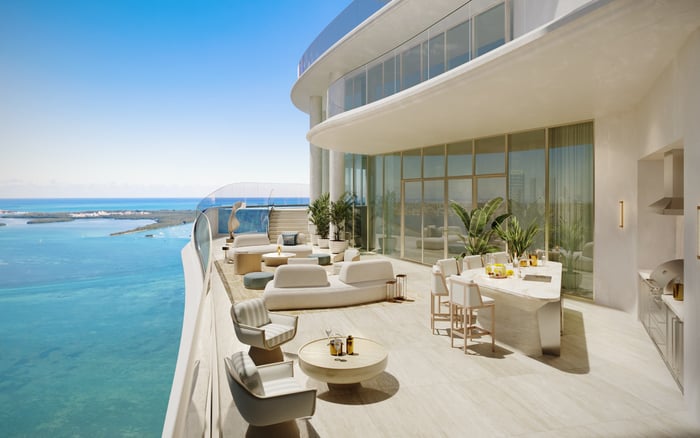
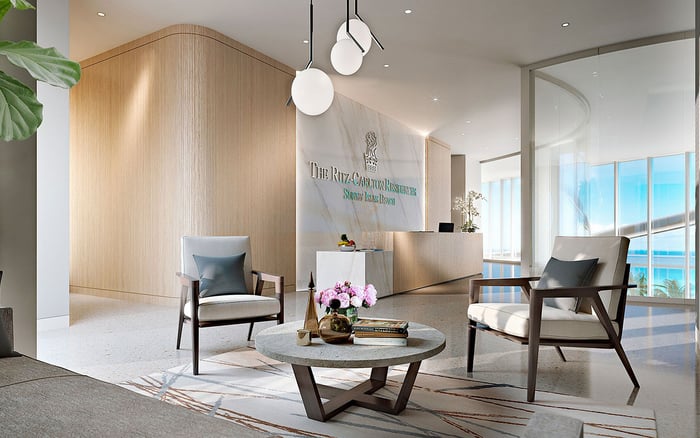
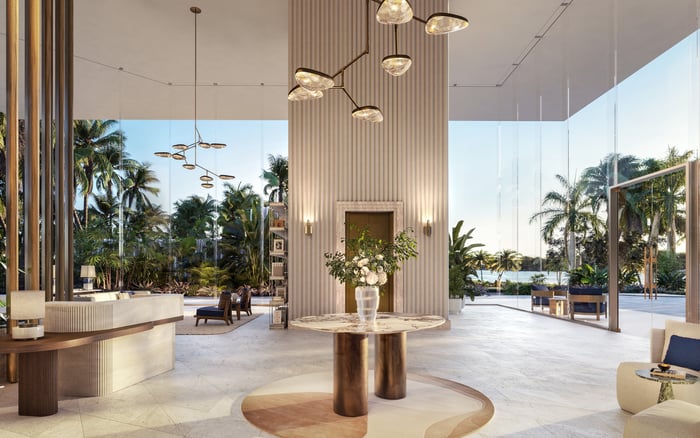
New-construction can be attractive for buyers who want a more current residential language, cleaner infrastructure, and the possibility of earlier decisions around finishes, technology, and layout. The control is front-loaded. Instead of inheriting another owner’s choices, the buyer can often begin with a fresher baseline.
The caution is to distinguish presentation from permanence. Renderings, amenities, and design language may create desire, but the long-term ownership experience depends on documents, operations, governance, and the final quality of execution. Turnkey begins with design, but it is proven in daily use.
Control in a beachfront residence is not only architectural. It is legal, operational, and social. A buyer may love the view and floor plan, yet still feel constrained if the building’s rules do not match the intended lifestyle. Conversely, a quieter residence with a stronger ownership framework can feel more luxurious over time than a more theatrical alternative.
The most important questions are often practical. Who can access the residence when the owner is away? How are vendors approved? What changes require board consent? Are pets, guests, staff, and extended family use handled in a way that suits the buyer? What is the building’s posture toward leasing, entertaining, service personnel, and seasonal occupancy?
These are not minor details. They define whether the home is easy to own or merely beautiful to visit.
A true turnkey residence should pass three tests. First, it should be physically ready for the way the buyer actually lives, not for a generic sales presentation. Second, the building should have service standards that reduce friction without creating unwanted dependence. Third, the ownership structure should give the buyer enough autonomy to feel that the home is personal, not borrowed.
This is where many sophisticated buyers become more selective. A beachfront residence may offer a polished amenity deck, attended lobby, and well-composed interiors, yet still fall short if the owner cannot modify, maintain, secure, or use the home in a manner that feels natural. The strongest properties align lifestyle and governance from the beginning.
For families, that may mean generous storage, simple guest circulation, and predictable staff access. For international owners, it may mean remote oversight and reliable preparation between visits. For collectors, it may mean climate, lighting, delivery, and installation protocols. For investors with a long-term view, it may mean a building culture that protects quality rather than chasing constant turnover.
The first priority is personal use. A primary residence, seasonal base, family compound, and occasional retreat each require a different definition of control. A buyer who plans to live in the home for long stretches may care most about privacy, noise, and daily convenience. A buyer who visits several times per year may care more about preparation, security, and reliable service coordination.
The second priority is governance. Review the rules as carefully as the floor plan. Turnkey ownership loses its value when approvals are opaque or when the building’s culture conflicts with the owner’s expectations. The most refined purchase is not necessarily the one with the longest amenity list. It is the one whose structure supports the owner’s rhythm.
The third priority is exit quality. Real control includes the ability to resell into a market that understands the value proposition. Residences with clear identity, strong service logic, and durable beachfront appeal are easier to explain to the next buyer. In South Florida, that clarity is an asset.
What does turnkey ownership mean in a beachfront residence? It means the home is designed to be easily occupied, maintained, secured, and serviced without daily owner management.
Why does control matter in a turnkey building? Service is valuable only when it supports the owner’s lifestyle rather than limiting how the residence can be used.
Is a larger building always less private? Not always, but privacy depends on elevator design, arrival sequence, amenity density, and the culture of daily operations.
Who should consider a boutique beachfront residence? Buyers who value discretion, quieter common areas, and a more intimate ownership environment may prefer a boutique format.
Are full-floor residences better for families? They can be, especially when privacy, entertaining, staff access, and separation of living areas are important.
What should second-home buyers review first? They should review maintenance procedures, access rules, storm preparation, vendor approvals, and service coordination.
Does new-construction guarantee a better turnkey experience? No. It can offer modern systems and design, but governance and operational quality still determine daily ease.
Can a residence be both turnkey and highly personal? Yes, when the building allows appropriate customization while maintaining service standards and long-term quality.
What is the biggest mistake buyers make? They focus on amenities before understanding rules, owner services, privacy norms, and the practical rhythm of the building.
What is the best way to shortlist comparable options for touring? Start with location fit, delivery status, and daily lifestyle priorities, then compare stacks and elevations to validate views and privacy.
If you'd like a private walkthrough and a curated shortlist, connect with MILLION.
If branded residences are on your mind — as a home or as an allocation — we would be glad to share what we are seeing, privately.
Begin a quiet conversation