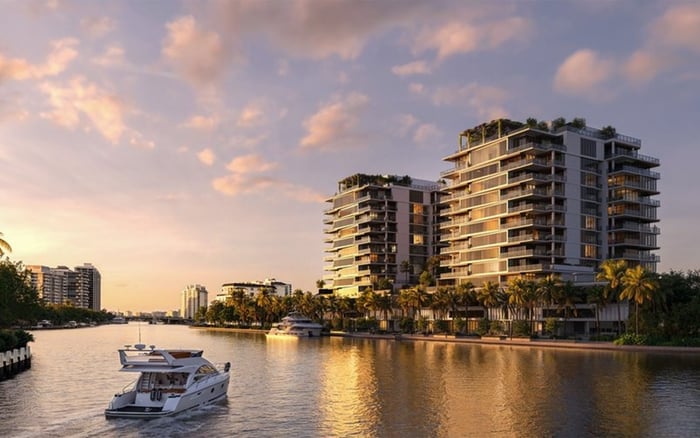
A buyer-focused MILLION Luxury editorial on what it really means to live along Fort Lauderdale’s Intracoastal, from water-taxi convenience and marina access to ownership diligence.
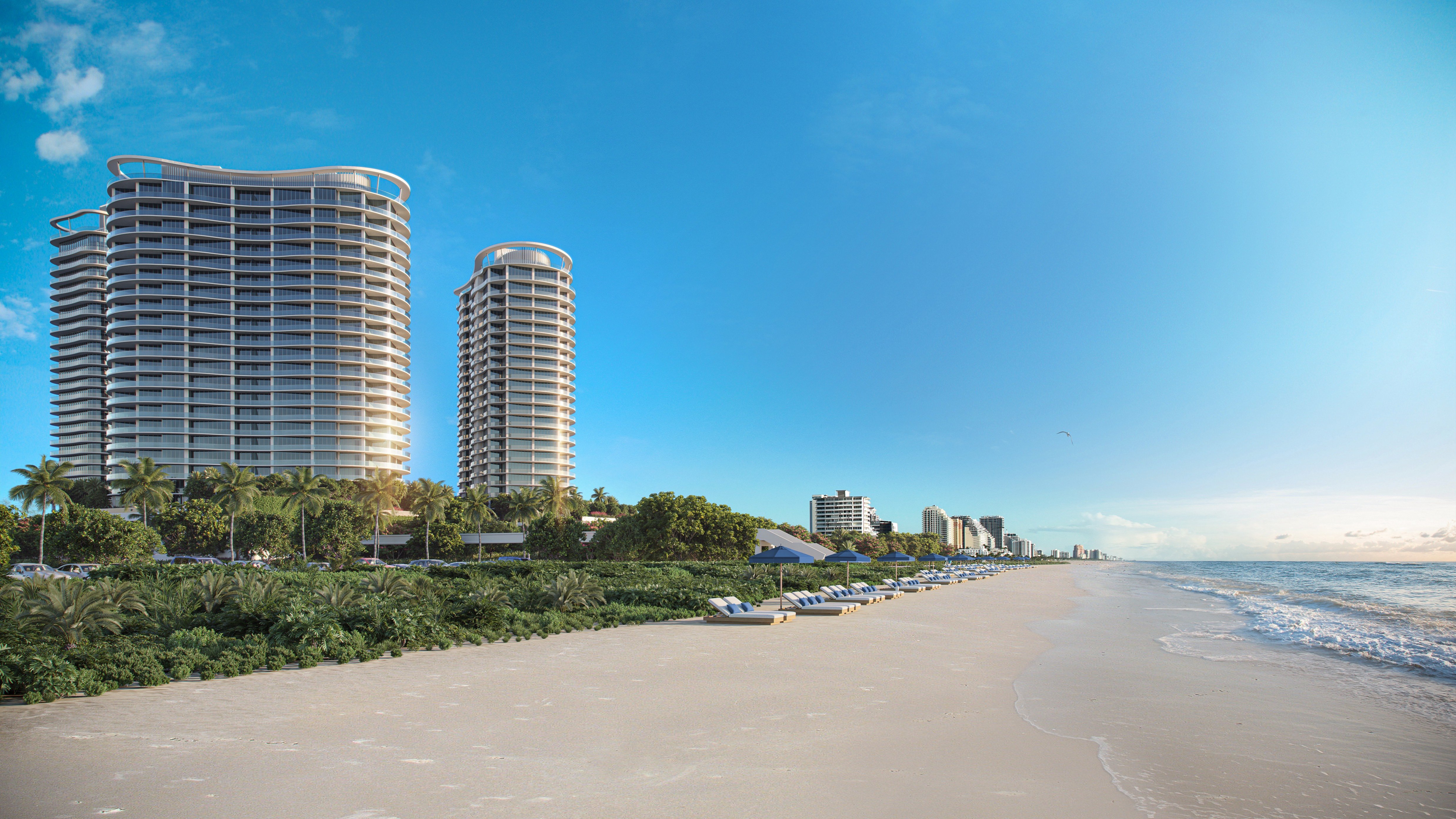
In Fort Lauderdale, waterfront living is not a stylistic extra. It is part of the city’s operating logic. The Intracoastal Waterway serves as both scenery and circulation, shaping how residents move between marinas, dining districts, beaches, and private docks. For buyers, that distinction matters. A residence on or near the Intracoastal offers more than a view. It can deliver a different daily rhythm, where a short trip by boat or water taxi feels as practical as a drive across town.
That is one reason Fort Lauderdale continues to hold such strong appeal among affluent buyers. The city is closely associated with yachting culture, a substantial inventory of waterfront parcels, and a marina network that supports real marine use rather than a purely decorative waterfront image. The appeal extends to full-time residents, seasonal owners, and second-home buyers who want immediate access to open water, canals, and lifestyle corridors such as Las Olas.
For those drawn to this setting, residences like St. Regis® Residences Bahia Mar Fort Lauderdale place the home experience within one of the city’s most visible waterfront environments, while Riva Residenze Fort Lauderdale may appeal to buyers seeking a more boutique relationship to the water.
Fort Lauderdale promotes a public water-taxi service as part of its transportation network, linking major waterfront destinations used by residents and visitors alike. For a buyer, that can reshape the definition of convenience. The question is not simply whether a building has a dock, but whether the surrounding neighborhood connects naturally to the city’s marine circulation.
Homes near active stops and waterfront destinations can offer a more seamless lifestyle, especially for owners who entertain often or prefer to move between the beach, dining, and downtown-adjacent districts without relying exclusively on a car. Las Olas remains central to that equation, given its established mix of restaurants, galleries, boutiques, and close proximity to the Intracoastal.
Still, buyers should treat water-taxi access as a living amenity rather than a fixed guarantee. Routes, stop locations, and scheduling can change seasonally. In practical terms, a residence advertised as water-taxi convenient should be evaluated against current service patterns, not an abstract map. For some households, the amenity is occasional and social. For others, it becomes part of the weekly routine.
In a city often described as the Yachting Capital of the World, marina access is one of the most meaningful distinctions in the market. Not all waterfront ownership delivers the same boating experience. Some addresses offer visual drama but limited operational ease. Others are built around genuine dock-and-go practicality.
Fort Lauderdale’s marina network is a major reason waterfront living here remains so compelling. Large, active properties such as Bahia Mar reinforce the city’s identity as a boating destination, combining marina infrastructure with hospitality and broader redevelopment momentum. Full-service facilities can add another layer of utility, with slips, fueling, service, and boater amenities that matter to owners who intend to use a vessel regularly rather than simply keep one nearby.
For buyers comparing options, this is where the distinction between marina appeal and actual boating convenience becomes decisive. Ask how quickly a vessel can be launched into a useful route, how protected the dockage feels, and whether the surrounding area supports provisioning, crew access, servicing, and guest arrival with minimal friction. A glamorous address with weak marine logistics may underperform a slightly less theatrical property with stronger operational infrastructure.
This is also why waterfront-oriented developments such as Four Seasons Hotel & Private Residences Fort Lauderdale remain useful reference points for buyers assessing how hospitality, service culture, and boating access can intersect in Broward’s luxury market.
Direct waterfront exposure typically commands a premium over comparable inland property, and Fort Lauderdale is no exception. Along the Intracoastal and canal network, that premium reflects both emotional and functional value. Buyers are paying for orientation, marine access, privacy conditions, and the scarcity of well-positioned frontage.
The city’s active inventory shows that luxury opportunities span both condominium and single-family formats. Yet not every waterfront premium is equally justified. The most durable value usually attaches to a combination of factors: usable frontage, navigational practicality, proximity to lifestyle corridors, and a setting that balances privacy with access.
That is why sophisticated buyers often separate three ideas that casual observers tend to group together: waterview, waterfront, and boat-capable waterfront. A beautiful outlook may support pricing power. True frontage with marine utility often supports stronger long-term desirability. And frontage near established urban amenities can create the most balanced ownership proposition of all.
Buying on the Intracoastal requires a sharper diligence process than purchasing a similarly priced inland residence. Seawalls, docks, pilings, shoreline exposure, drainage conditions, and salt-air wear all deserve attention early in negotiations. These are not secondary details. They shape maintenance cadence, reserve planning, and future marketability.
Flood-zone designation is equally important. Buyers should review current flood-map conditions because insurability, financing terms, and recurring ownership costs can all shift materially based on a property’s designation. In a market as water-defined as Broward, insurance should be treated as part of the acquisition math, not a post-contract afterthought.
Environmental oversight also matters more than many buyers expect. Marina improvements and waterfront development can be shaped by local permitting and review processes, while water quality affects both boating enjoyment and long-term shoreline stewardship. For residences intended as legacy assets, climate resilience deserves the same serious attention as finishes and floor plans. Storm surge exposure and higher maintenance burdens are part of the ownership equation for anyone acquiring premier coastal real estate.
The best Fort Lauderdale waterfront purchase is rarely defined by price alone. It is defined by fit. Some buyers want a social, visible address near beach clubs, marinas, and active waterfront hospitality. Others prefer a quieter residential setting with quick access to Las Olas and private boating routes. Some want lock-and-leave condominium ease. Others want the autonomy of a single-family dock property.
A useful framework is to evaluate five questions in order. First, will you actually use the water-taxi network, or do you simply like the idea of it? Second, do you need direct boating capability or only proximity to a marina? Third, how important is walkability to Las Olas and surrounding dining? Fourth, what level of building service offsets the extra demands of waterfront ownership? Fifth, are you underwriting resilience, insurance, and maintenance with enough realism?
When those questions are answered honestly, the Intracoastal market becomes easier to read. The result is not just a beautiful residence, but one aligned with how you intend to live.
Is water-taxi access a meaningful advantage for Fort Lauderdale buyers? Yes. For many owners, proximity to active stops improves access to dining, the beach, and waterfront districts in a way that feels genuinely useful.
Do all Intracoastal homes offer the same boating convenience? No. A waterview address and a boat-capable waterfront property can deliver very different ownership experiences.
Why do Intracoastal properties often command a premium? Buyers are paying for scarcity, frontage, marine access, and the lifestyle value of living directly on the water.
What should buyers inspect first on a waterfront property? Focus early on the seawall, dock condition, drainage, shoreline exposure, and signs of salt-air wear.
How important is flood-zone research before closing? Extremely important. Flood designation can affect financing, insurance availability, and recurring ownership costs.
Is living near Las Olas better for full-time residents? Often, yes. The area offers an appealing blend of walkable dining, shopping, and close access to the Intracoastal.
What makes Fort Lauderdale especially attractive to boaters? Its dense marina network and easy relationship to the Intracoastal make day-to-day boating more practical.
Are marina-adjacent condominiums easier than owning a dock home? They can be. Many buyers prefer a serviced residence paired with nearby marina access rather than direct dock maintenance.
Should climate resilience affect luxury buying decisions here? Absolutely. Storm surge exposure and long-term maintenance demands are part of prudent underwriting.
Who is the ideal buyer for Intracoastal living in Broward? Someone who values waterfront access as a lived convenience, not just a view, and who is prepared for the responsibilities that come with it.
To compare the best-fit options with clarity, connect with MILLION Luxury.
If branded residences are on your mind — as a home or as an allocation — we would be glad to share what we are seeing, privately.
Begin a quiet conversation