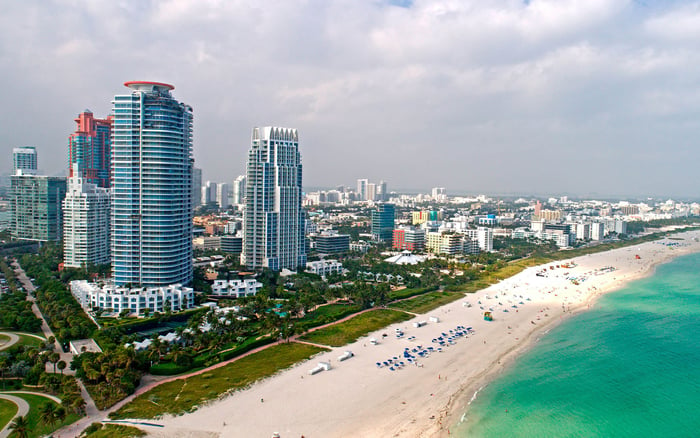
For Buenos Aires families considering Surfside, Florida residency should be supported by a consistent record across home use, philanthropy, calendars, advisors and family routines. Charitable commitments, ownership structure and cross-border planning should align before and after closing.

For a Buenos Aires family looking north, Surfside can feel like the natural answer: discreet oceanfront living, proximity to Bal Harbour, private schools within the broader Miami ecosystem, international access, and a social fabric fluent in Latin American capital. Yet residency is not resolved by acquiring a beautiful condominium. It is supported by making Florida the practical center of daily life.
That distinction matters because a residency position is usually strongest when the family’s documents, habits and commitments point in the same direction. Where the family sleeps, where children are educated, where advisors are retained, where physicians are used, where treasured possessions are kept and where civic life unfolds can all become part of the same narrative.
In Surfside, that evidence can be elegant and practical at once. A home at The Surf Club Four Seasons Surfside may signal an intention to live in one of Miami-Dade’s most refined coastal enclaves. A future residence at The Delmore Surfside may be part of a longer family transition. Neither, by itself, completes the story. The question is whether life follows the address.
For ultra-high-net-worth buyers, philanthropy is rarely ornamental. Gala tables, museum councils, hospital boards, school foundations, synagogue committees, cultural events and private dinners form a visible map of belonging. That map can matter when a family wants its permanent home to be understood as South Florida.
A charitable calendar can support the Florida narrative when the family’s civic life has genuinely shifted to Miami-Dade. Regular local attendance, hosting in South Florida, school-community involvement, healthcare relationships and club memberships can all help show that the move is lived, not merely stated.
The same calendar can create tension if the family continues to behave as though Buenos Aires, New York or another jurisdiction remains the primary center of gravity. If the most important events, trusteeships, school commitments, family holidays and board meetings remain elsewhere, the calendar may tell a different story than the residence purchase.
This is why sophisticated buyers should treat charitable planning as part of the residency architecture. Giving strategy, board service, event hosting and donor-advised planning should be coordinated with tax and legal advisors rather than handled as a separate social calendar.
A strong Florida file is usually built through repeated, consistent choices. Depending on the family’s status and counsel’s advice, relevant materials may include local identification and licensing steps, eligible homestead filings, local medical and school records, family calendars, vehicle and voter records where applicable, local banking activity, club memberships and updated estate-planning documents.
The practical goal is coherence. If the family says Surfside is home, the documents should not suggest that the real center of life remains somewhere else. Calendars, invoices, travel records, school correspondence, advisory relationships and household logistics should be reviewed together rather than in isolation.
For cross-border families, this recordkeeping should begin before closing. The purchase contract, ownership structure, move-in plan, art and jewelry logistics, staffing arrangements, philanthropic calendar and advisory team can all be aligned to support the intended lifestyle.
A Florida residence does not answer every tax, immigration or estate-planning question. Buenos Aires families should coordinate Florida residency planning with U.S. federal considerations, Argentine tax-residence analysis, immigration status, succession planning and the way assets are held.
The second-home question is central. A seasonal oceanfront property may be a lifestyle acquisition, while a Florida residency plan is a broader reorganization of family routines, records and obligations. The two can overlap, but they are not the same.
Advisors should also review whether the family’s philanthropic and business commitments remain concentrated outside Florida. A Surfside residence can become the family anchor, but the surrounding evidence should support that conclusion.
Many Buenos Aires families considering Surfside also have a New York apartment, business interest or cultural life. That does not necessarily defeat a Florida plan, but it can complicate the evidence if New York continues to function as the family’s operational base.
Calendars, travel patterns, personal possessions, school ties, physicians, advisors, charitable boards and business commitments can all contribute to the picture. If the New York calendar remains far more active than the South Florida calendar, the Florida story may be incomplete.
A clean transition does not always require abandoning every northern asset or relationship. It does require intention, documentation and a daily rhythm that makes the Surfside home credible as the primary base.
The home should support the intended life. A family seeking a quiet, civic-centered Surfside base may prioritize privacy, storage, service, beach access and the ability to host visiting relatives. A family splitting time between Surfside, Bal Harbour and Miami Beach may weigh clubs, schools, airports and daily routes differently.
Nearby projects can reflect distinct versions of the same South Florida thesis. Rivage Bal Harbour may appeal to buyers who want the cachet of Bal Harbour while remaining close to Surfside. The Perigon Miami Beach may suit families who want Miami Beach proximity with a design-forward coastal setting. For buyers whose daily life is concentrated around offices, advisors and private banking relationships, The Residences at 1428 Brickell can offer a different center of gravity.
The right choice is not merely the most impressive building. It is the address that allows the family’s calendar, obligations and daily routines to become authentically Floridian.
Does buying in Surfside automatically make me a Florida resident? No. Ownership is an important lifestyle step, but residency should be supported by consistent conduct, records and advice.
Why does a charitable calendar matter for residency planning? It can show where a family’s civic, social and philanthropic life is actually centered. That makes it useful evidence when the family is trying to demonstrate a South Florida base.
Should philanthropy be reviewed before a Buenos Aires family moves? Yes. Board roles, event hosting, donor commitments and charitable travel should be coordinated with the broader residency plan.
Can a Surfside condominium be treated as a second home instead of a primary base? Yes. The distinction depends on how the family actually uses the home and how the rest of its life is organized.
What records can help support a Florida-centered life? Calendars, school records, medical relationships, local memberships, household logistics and updated advisory documents can all help create a coherent file.
Why should Argentine advisors be involved? A move to Florida can interact with Argentine tax, estate and family planning. Local counsel should coordinate with U.S. advisors before and after closing.
Why is New York relevant to some Surfside buyers? A continuing New York home, business life or charitable calendar can affect how the family’s center of life appears. The evidence should be reviewed carefully.
How should buyers choose between Surfside, Bal Harbour, Miami Beach and Brickell? The best address depends on the family’s schools, advisors, clubs, travel patterns, privacy needs and daily routines.
Should ownership structure be reviewed before closing? Yes. Cross-border families should evaluate how the residence is held with tax, legal and estate-planning counsel.
Is this article tax or legal advice? No. It is a planning overview for luxury residential buyers, and families should rely on qualified professional advisors for their specific circumstances.
For a discreet conversation and a curated building-by-building shortlist, connect with MILLION.
If branded residences are on your mind — as a home or as an allocation — we would be glad to share what we are seeing, privately.
Begin a quiet conversation