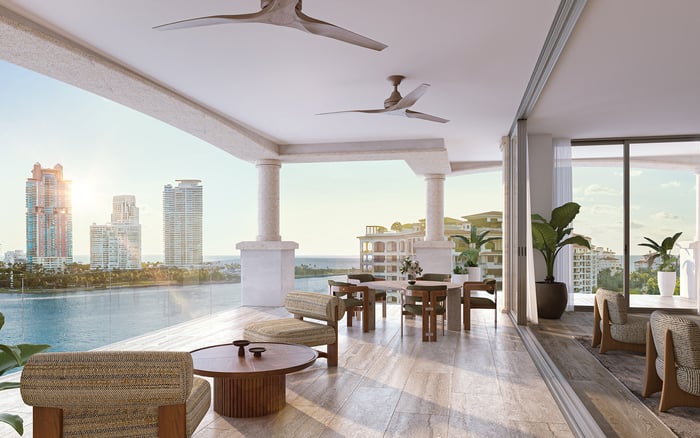
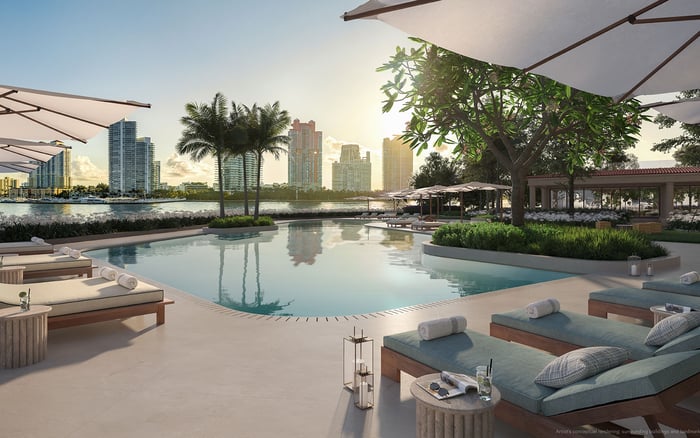
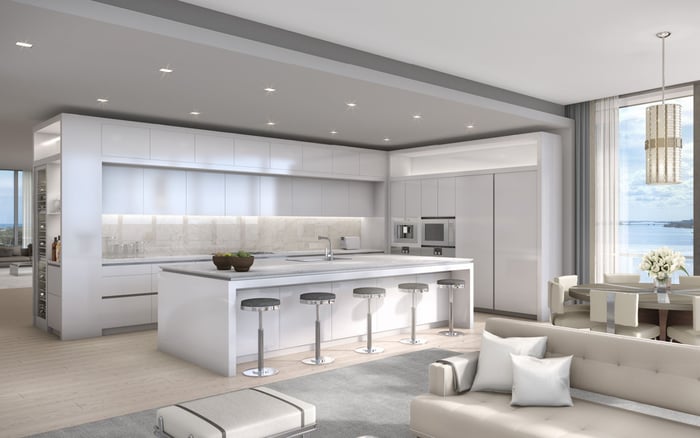
Outdoor kitchen durability can materially affect the ownership experience of a South Florida private-club residence by influencing maintenance cadence, replacement risk, entertaining reliability, and resale perception. For luxury buyers, the smartest evaluation is less about the initial installation and more about how the outdoor kitchen performs through salt air, humidity, sun exposure, and frequent use.
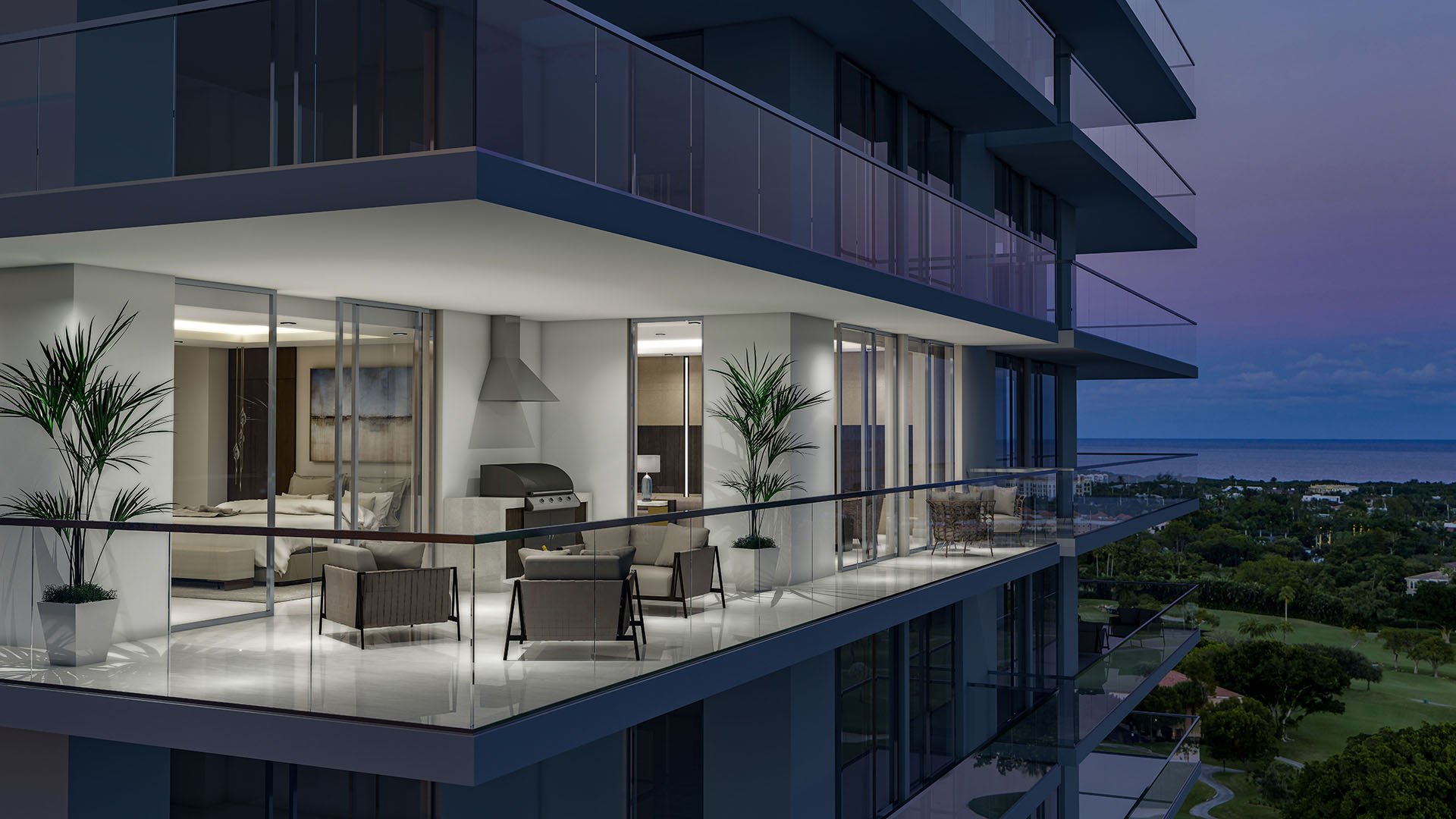
In South Florida luxury real estate, the outdoor kitchen is no longer a decorative add-on. At the highest end of the market, it functions as part of the home’s daily living system, especially in a private-club residence where golf rounds, marina days, poolside afternoons, and terrace dinners shape the rhythm of ownership. The question is not simply whether a home has an outdoor kitchen. The more revealing question is how well that kitchen will age.
Durability changes cost because it changes the frequency of intervention. A handsome installation that demands constant adjustments, premature appliance replacement, cabinet refinishing, or repeated service visits can become more expensive than a better-specified kitchen that appears quieter on day one. In a region defined by heat, humidity, salt air, intense sun, and seasonal storms, outdoor materials are not background details. They are financial details.
For buyers comparing private-club lifestyles from Boca Raton to Palm Beach, the outdoor kitchen deserves the same discipline applied to glazing, mechanical systems, roof condition, and landscape infrastructure. It may sit beside the pool, frame waterfront scenery, or open from a covered terrace, but its true value is measured over years of service.
The first cost is visible: cabinetry, counters, grill, refrigeration, sink, lighting, shade, and finishes. The real cost is the ownership curve after closing. In South Florida, a lesser outdoor kitchen can reveal itself through swollen cabinetry, corroded hardware, stained counters, failing seals, uneven burners, inadequate drainage, or a layout that traps heat and smoke where guests are meant to gather.
These are not minor maintenance irritations. They can affect how a residence is used. If the ice maker is unreliable, the grill is difficult to service, or the cabinetry cannot tolerate the elements, the owner begins moving entertainment back indoors. That defeats the purpose of buying into a climate and club culture built around indoor-outdoor living.
Durability also affects staff and vendor coordination. A fragile installation may require more frequent polishing, repairs, protective coverings, appliance service, and replacement planning. In an ultra-premium household, time is part of cost. The fewer interruptions required to keep an outdoor kitchen presentable and functional, the more efficiently the residence operates.
A durable outdoor kitchen begins with materials suited to exposure. Buyers should look closely at cabinet construction, hardware quality, counter material, appliance grade, ventilation, and the way the full system is protected from rain, sun, and salt carried by the air. The best outdoor kitchens feel architectural, not improvised. They appear integrated into the residence rather than placed on top of a patio.
Cabinetry deserves particular attention. Doors, drawers, hinges, handles, and internal frames face repeated contact with moisture and heat. Counters should be judged not only for beauty, but also for porosity, stain resistance, heat tolerance, and ease of cleaning. Appliances should be evaluated for outdoor suitability, service access, and whether the layout allows heat to dissipate properly.
Drainage is another quiet indicator of quality. A kitchen that sits in a low point, lacks adequate slope, or creates standing water after storms will age differently than one designed as part of a larger exterior system. Shade matters as well. A covered cooking and dining zone can protect finishes, improve comfort, and make the space usable more often.
A private-club residence carries a different expectation than a typical second home. Owners may entertain after golf, host visiting family, or rely on the outdoor kitchen as part of a weekend routine. The space must be ready, not merely attractive. When buyers tour club-oriented properties, they should imagine real use: breakfast outdoors, lunch after a round, evening cocktails, and a chef preparing dinner while guests move between pool and lounge.
This is where durability becomes part of lifestyle. A high-performing outdoor kitchen supports spontaneity. A weak one imposes caution. Owners begin wondering whether the refrigerator is working, whether the grill will light evenly, whether the cabinets have weathered, or whether a technician is needed before guests arrive.
In the condominium and branded-residence market, the same principle applies at the amenity level. Buyers considering projects such as Shell Bay by Auberge Hallandale or Alina Residences Boca Raton are often weighing a broader hospitality-minded environment. The durability of outdoor gathering spaces, including cooking and entertaining zones, helps shape the perceived ease of ownership.
A luxury buyer should not value an outdoor kitchen by appearance alone. The inspection should begin with exposure. Is the kitchen fully covered, partially covered, or open to the weather? Does wind push rain into the cabinetry? Is there enough ventilation behind and around appliances? Are electrical outlets, gas lines, plumbing connections, and shutoffs accessible without dismantling the installation?
Next, examine workmanship. Drawer alignment, hinge movement, counter seams, caulking, appliance fit, and substrate quality can reveal how seriously the kitchen was built. A well-designed outdoor kitchen should feel solid and serviceable. If components are difficult to remove or reach, future repairs can become more intrusive.
Then consider replacement logic. Even premium appliances have a life cycle. A smart outdoor kitchen allows individual components to be serviced or replaced without reconstructing the entire space. This is especially relevant for buyers who intend to hold a residence long term or use it seasonally with intensity.
For comparison, buyers studying residences across areas such as Miami Beach, Fisher Island, and Palm Beach Gardens may encounter very different approaches to exterior living. A waterfront condominium like The Perigon Miami Beach, an island address such as The Residences at Six Fisher Island, or a club-adjacent market near The Ritz-Carlton Residences® Palm Beach Gardens can each place different demands on outdoor materials, depending on exposure, use, and ownership style.
Outdoor kitchens rarely determine a luxury purchase on their own, but they can influence the emotional response. A buyer steps outside and quickly senses whether the residence has been maintained with care. Corrosion, warped cabinetry, failing burners, faded finishes, or improvised repairs can introduce doubt that extends beyond the kitchen. If this area was under-specified, what else was treated casually?
Conversely, a resilient outdoor kitchen signals stewardship. It tells a buyer that the home was designed for its environment, not merely staged for a showing. In South Florida, where exterior living is central to the value proposition, that signal matters.
For sellers, investing in durability before listing is not always about adding more equipment. Sometimes it is about simplifying, replacing weak materials, improving shade, correcting drainage, or making service access cleaner. The goal is confidence. The outdoor kitchen should not ask the next owner to solve a problem immediately after closing.
The most disciplined approach is to separate visual luxury from operating luxury. Visual luxury is the first impression. Operating luxury is what remains after a summer of use, a season of guests, and repeated exposure to the elements. The buyer who prices only the visible surface may overpay for a kitchen that is costly to maintain. The buyer who recognizes durable construction can better understand why one residence carries a stronger sense of value than another.
In South Florida private-club living, the outdoor kitchen is a test of design intelligence. It connects architecture, hospitality, climate, maintenance, and resale psychology. When it is durable, it reduces friction. When it is not, it quietly raises the true cost of ownership.
Why does outdoor kitchen durability matter in South Florida? Heat, humidity, sun, rain, and salt air can accelerate wear, making material quality and serviceability central to long-term ownership cost.
Is the most expensive outdoor kitchen always the most durable? Not necessarily. Durability depends on exposure-appropriate materials, installation quality, ventilation, drainage, and ease of maintenance.
What should buyers inspect first? Start with cabinetry, counters, appliance condition, hardware, drainage, shade, and whether service access is simple and logical.
Can a covered outdoor kitchen still have durability issues? Yes. Wind-driven rain, humidity, heat buildup, poor ventilation, and low-grade components can still create premature wear.
Does an outdoor kitchen affect resale value? It can influence buyer perception by signaling either thoughtful ownership or deferred maintenance in a key lifestyle area.
Should seasonal owners think differently about durability? Yes. Periods of vacancy can make reliable materials, protective design, and maintenance planning especially important.
How does private-club living change expectations? Club-oriented owners often entertain frequently, so the kitchen must perform reliably rather than serve as a purely decorative feature.
Are appliances or cabinetry more important? Both matter. Appliances affect performance, while cabinetry and hardware often reveal how well the installation tolerates the climate.
Can durability be improved without a full replacement? Often, yes. Better shade, corrected drainage, upgraded hardware, appliance servicing, or selective material replacement may help.
What is the best way to shortlist comparable options for touring? Start with location fit, delivery status, and daily lifestyle priorities, then compare stacks and elevations to validate views and privacy.
For a confidential assessment and a building-by-building shortlist, connect with MILLION.
If branded residences are on your mind — as a home or as an allocation — we would be glad to share what we are seeing, privately.
Begin a quiet conversation