A discreet buyer’s guide for Los Angeles owners considering Bal Harbour and nearby South Florida enclaves, focused on service, access, maintenance, privacy, and year-round ease.
For a Los Angeles buyer, the move to Bal Harbour is rarely about escape alone. It is about replacing complexity with a calmer operating system: fewer moving parts, stronger building services, easier arrivals, better lock-and-leave rhythm, and a home that performs beautifully whether occupied every week or only in defined seasons.
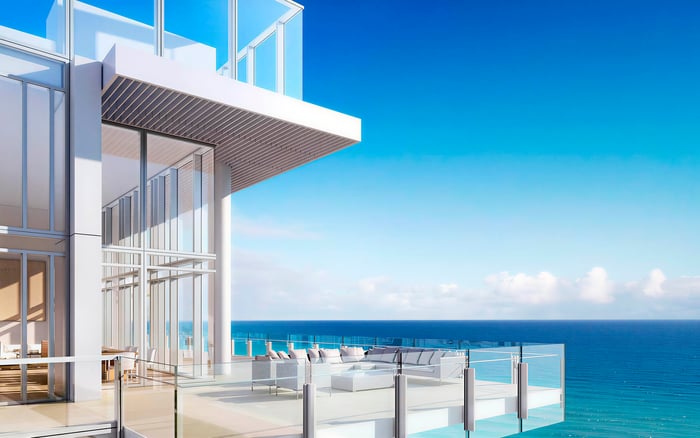
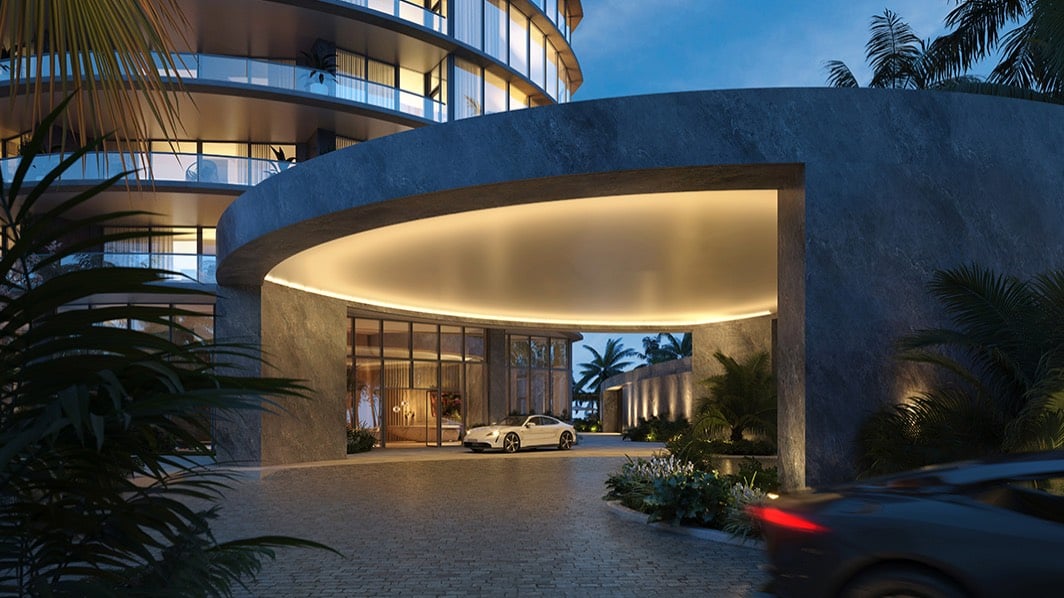
The right South Florida residence should feel effortless before it feels impressive. A private elevator, a gracious arrival court, a deeply staffed front desk, and a plan designed for quick transitions from travel to oceanfront living may matter more than another room of spectacle. In this context, lower operational friction is not a slogan. It is the sum of design, management, location, building culture, and the owner’s own lifestyle pattern.
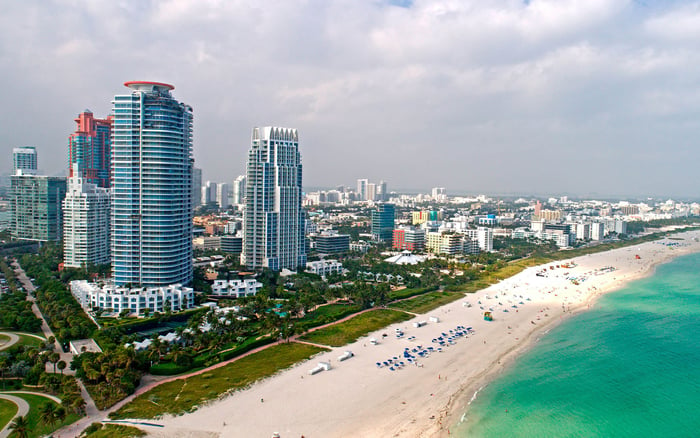
Bal Harbour sits naturally at the center of that conversation, with a rare combination of discretion, beach proximity, established luxury retail, and a residential pace quieter than the most theatrical parts of Miami Beach. Yet the best decision may also include nearby Surfside, Bay Harbor Islands, Brickell, or a second-home strategy that balances beach life with city access.
Before comparing finishes, views, or amenity decks, define the operating brief. Will the residence be a primary home, a seasonal base, a family gathering place, or a pied-à-terre for business and leisure? A primary residence can justify more interior customization and larger service areas. A seasonal home should be easier to open, close, monitor, and maintain.
Los Angeles owners are often accustomed to staff coordination, car-dependent movement, privacy requirements, and homes with extensive grounds. In a South Florida condominium, those responsibilities shift. The building becomes part of the household infrastructure. Security, valet, engineering, pool service, package handling, maintenance coordination, and guest arrival protocols are not conveniences. They are the new estate management layer.
That is why a residence such as Rivage Bal Harbour should be evaluated not only for its Bal Harbour address, but for how its building experience aligns with a buyer who wants beach access, privacy, and a simplified daily cadence in one place.
Oceanfront living is seductive, but every waterfront choice has an operating personality. Direct beachfront homes offer immediacy: morning swims, long views, and a sense of arrival that is difficult to replicate inland. They also require buyers to study building upkeep, exterior maintenance philosophy, storm protocols, glass systems, balcony usability, and the quality of day-to-day management.
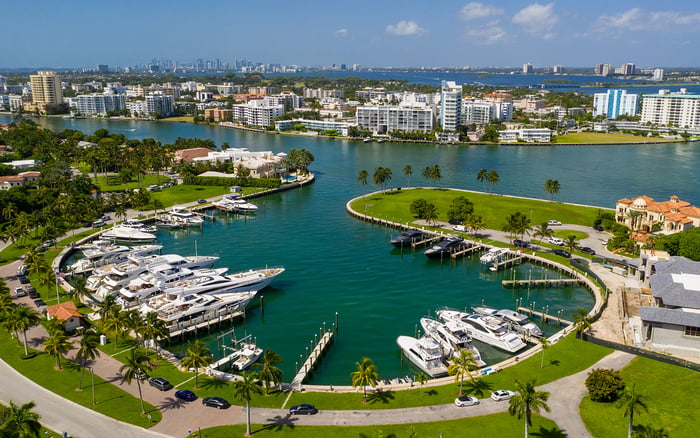
A quieter bay or island setting may trade direct beach access for marina-style calm, shorter errands, and a more residential scale. For some owners, that is the lower-friction choice. The distinction is not better versus lesser. It is about which version of luxury asks less of the owner.
In Surfside, The Delmore Surfside represents the kind of coastal consideration that appeals to buyers who want proximity to Bal Harbour while studying a slightly different village atmosphere. In Miami Beach, The Perigon Miami Beach may suit buyers who want a more expansive beach identity while remaining connected to the cultural and dining energy of the barrier island.
Luxury buyers often focus on branded design, lobby presence, wellness programming, and restaurant partnerships. Those matter, but governance can be just as consequential. A low-friction building has clear rules, predictable communication, professional management, thoughtful staffing, and a culture that protects residents from avoidable noise.
Ask practical questions. How are service requests handled? How does the building coordinate vendors? What is the process for deliveries, private chefs, drivers, pet care, and guest access? How are renovations managed? What restrictions may affect an owner who intends to arrive for a week, entertain discreetly, then leave the residence dormant for a month?
The best buildings understand that ultra-premium owners are not simply buying square footage. They are buying time. A beautiful residence can still feel burdensome if every visit requires coordination. Conversely, a slightly simpler plan can feel more luxurious when the staff, systems, and building culture operate with polish.
South Florida geography rewards precision. A short distance can feel very different depending on bridge traffic, school schedules, event calendars, and the owner’s preferred daily pattern. For a Los Angeles buyer accustomed to planning around movement, the question is not whether a location is central. The question is whether it reduces mental load.
Bal Harbour offers a coastal rhythm, but a buyer who expects frequent business meetings, restaurant circuits, or financial district access may also study Brickell. A residence such as 2200 Brickell belongs in a different operating category: more urban, more connected to the business core, and better suited to buyers who want the city beneath them rather than a beach routine around them.
This is where lifestyle honesty matters. If the South Florida home is meant to slow life down, choose the address that protects quiet. If it must support meetings, dinners, and fast airport movement, prioritize circulation. The wrong location can turn a trophy property into another scheduling problem.
Not every Los Angeles-to-Bal Harbour buyer needs to be directly on the sand. Bay Harbor Islands can appeal to those who want a calmer residential fabric near Bal Harbour, Surfside, and Miami Beach, while often feeling less performative than the most visible coastal corridors. For a Bay Harbor search, the appeal is frequently everyday usability: neighborhood scale, short drives, and the sense of being near the center without living in the center.
That makes The Well Bay Harbor Islands relevant for buyers evaluating wellness-oriented living in a quieter island setting. The decision is not simply coastal versus urban. It is about the owner’s preferred ratio of privacy, services, neighborhood ease, and access to the social and retail gravity of Bal Harbour.
A low-friction residence is designed for real life. Durable stone, concealed storage, well-planned service entries, resilient outdoor furnishings, practical laundry areas, and flexible guest suites all contribute to ease. Buyers should look closely at where luggage lands, where staff can work, how groceries arrive, how beach gear is stored, and whether terraces can be used comfortably in daily routines.
For former Los Angeles estate owners, the shift to vertical living can be liberating if the plan is intelligent. The best condominiums eliminate the constant choreography of vendors and grounds while preserving privacy, volume, and entertaining capacity. The worst ones create a new set of constraints through awkward circulation, limited storage, or insufficient service access.
Think less about staged perfection and more about Tuesday morning. If the home can handle guests, deliveries, pets, workouts, Zoom calls, and dinner without friction, it will feel luxurious long after the first viewing.
Treat the search like an operating audit. First, rank your lifestyle priorities: beach, privacy, airport access, schools, dining, boating, wellness, or business proximity. Second, assess the building’s service culture with the same seriousness you would apply to architecture. Third, compare maintenance obligations, association rules, insurance considerations, and renovation restrictions with qualified advisers. Fourth, visit at different times of day to understand arrival, sound, light, traffic, and neighborhood rhythm.
This is a buyer’s guide mindset rather than a trophy hunt. The most expensive or most visible residence is not always the most frictionless. For the right owner, Bal Harbour may be the answer. For another, Miami Beach, Surfside, Brickell, or Bay Harbor Islands may create a more elegant daily equation.
Lower friction is ultimately personal. It is the feeling that the home is ready when you arrive, secure when you leave, and quietly supportive in between.
What does lower operational friction mean in a South Florida home? It means the residence, building, location, and service culture reduce the effort required to own, maintain, arrive, entertain, and leave.
Is Bal Harbour a natural fit for Los Angeles buyers? Yes, for buyers who want coastal luxury, discretion, and a calmer residential pace while remaining connected to greater Miami.
Should I choose oceanfront or bayfront living? Choose oceanfront for immediacy and drama, or bayfront and island-adjacent settings for a quieter daily rhythm and often simpler movement.
Why does building management matter so much? Management affects security, maintenance, vendor coordination, guest access, communication, and the ease of lock-and-leave ownership.
Is Brickell too urban for a second home? Not if the owner values business access, dining, and a city lifestyle more than a beach-first routine.
How should I compare Bal Harbour and Surfside? Study pace, building scale, beach access, privacy, and how each neighborhood feels during your actual hours of use.
Are branded amenities the main reason to buy? They can add value to daily life, but service execution, governance, layout, and location usually determine long-term ease.
What should Los Angeles estate owners watch for in condos? Pay close attention to storage, service access, privacy, staff protocols, pet rules, and how the building handles deliveries and vendors.
Can a smaller residence be more luxurious? Yes, if the plan is efficient, the services are polished, and the location reduces daily effort.
When should I involve advisers? Bring in legal, tax, insurance, and property professionals before contract decisions so operational details are understood early.
If you'd like a private walkthrough and a curated shortlist, connect with MILLION.
If branded residences are on your mind — as a home or as an allocation — we would be glad to share what we are seeing, privately.
Begin a quiet conversation