A buyer-focused guide to evaluating Grove Isle bayfront residences through privacy, view quality, floor-plan durability, governance, resilience, and long-term liquidity.
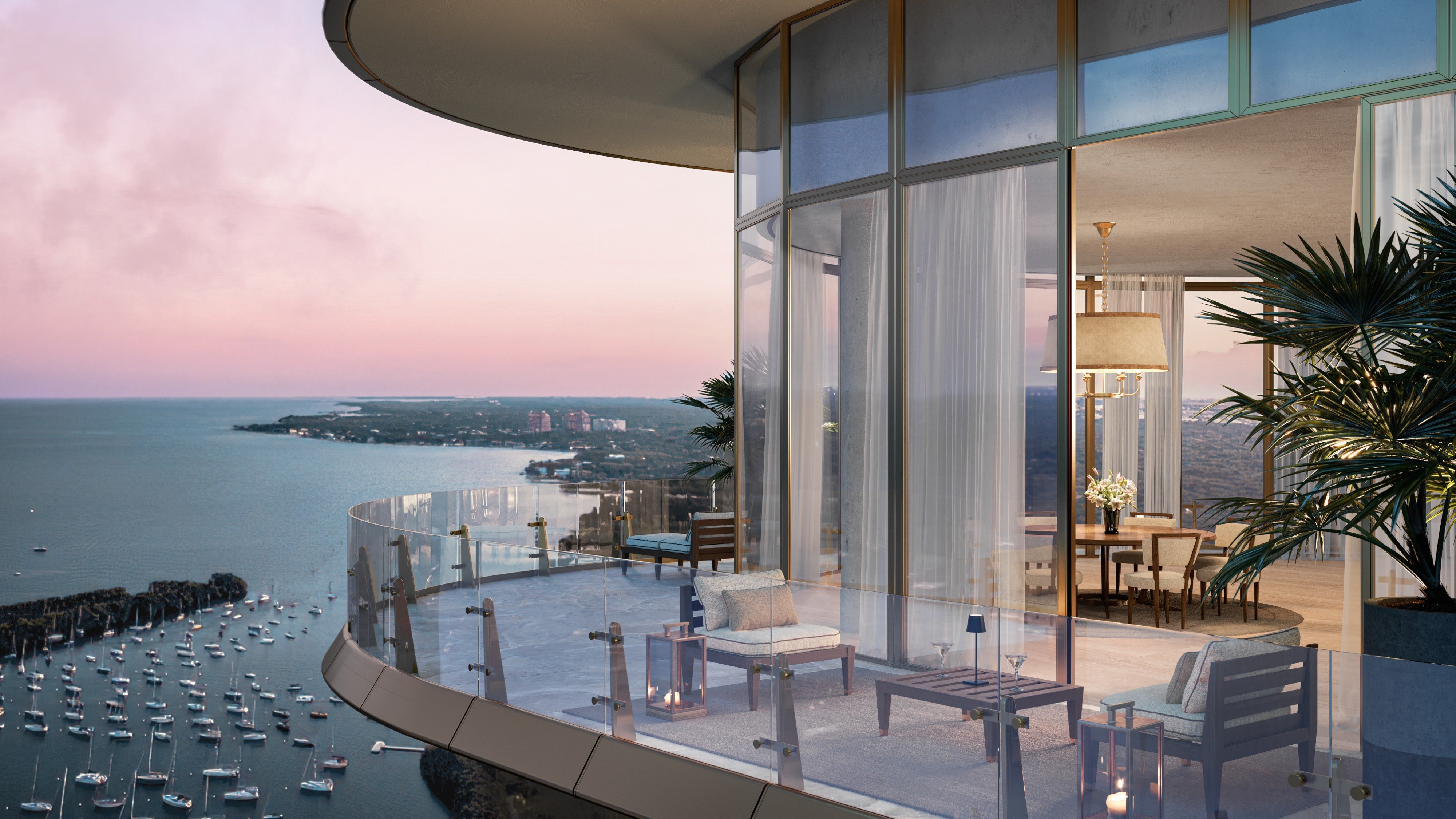
A bayfront residence in Grove Isle is not simply a view purchase. For a serious long-term buyer, it is a judgment about scarcity, privacy, daily rhythm, building stewardship, and how the home will perform as family needs evolve. The most compelling residence is not always the one that feels most dramatic during a single showing. It is the one whose strengths remain clear through seasons of ownership.
That distinction matters in Coconut Grove, where the best homes often trade on emotional qualities: canopy, water, discretion, and a sense of removal from the city’s more vertical energy. Grove Isle sits squarely in that conversation because buyers are often seeking a quieter waterfront life without disconnecting from Miami. The purchase therefore has to satisfy two audiences at once: the owner who wants daily calm, and the future buyer who will assess the asset with the same rigor.
In that spirit, the right question is not whether the bay is beautiful. It is whether the residence converts its setting into durable value.
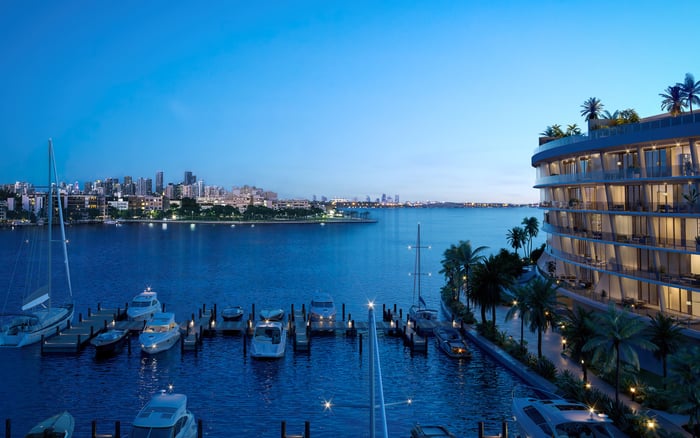
Waterfront property attracts attention, but Grove Isle works best for buyers who value a more discreet expression of it. A serious purchase should feel private from the arrival sequence through the principal rooms, terraces, and amenity spaces. Privacy is not only about gates or distance. It is also about sightlines, building density, neighbor exposure, elevator flow, parking convenience, and how naturally residents can move through the property without feeling observed.
The most persuasive homes create a layered transition from city to shoreline. By the time one reaches the residence, there should be a clear sense that the pace has changed. That feeling is difficult to manufacture later. Finishes can be upgraded, lighting can be refined, and furnishings can be replaced, but a calm approach, protected outlook, and comfortable separation from traffic are structural advantages.
This is why buyers comparing Grove Isle with other Coconut Grove choices often look at the broader lifestyle set. Vita at Grove Isle is naturally relevant to that conversation because it keeps the focus on bayfront living within Grove Isle itself, while nearby projects speak to different versions of Grove living.
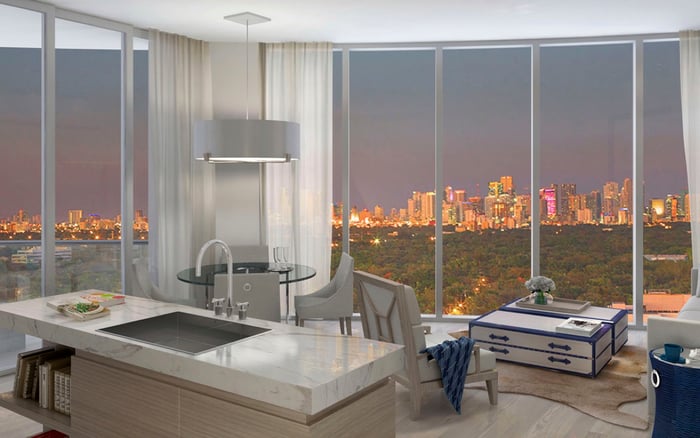
Waterview is not a single feature. It has quality, depth, direction, movement, and usability. A long-term buyer should study how the water is experienced while seated, dining, working, entertaining, and waking up, not only while standing at the glass during a tour. The best bayfront residences make the view part of ordinary life rather than a staged moment.
Orientation also affects how rooms feel throughout the day. Some buyers prefer expansive openness, while others prioritize a quieter framed outlook with greater visual privacy. Neither is universally superior. The right answer depends on whether the home will be used as a primary residence, seasonal retreat, or generational gathering place.
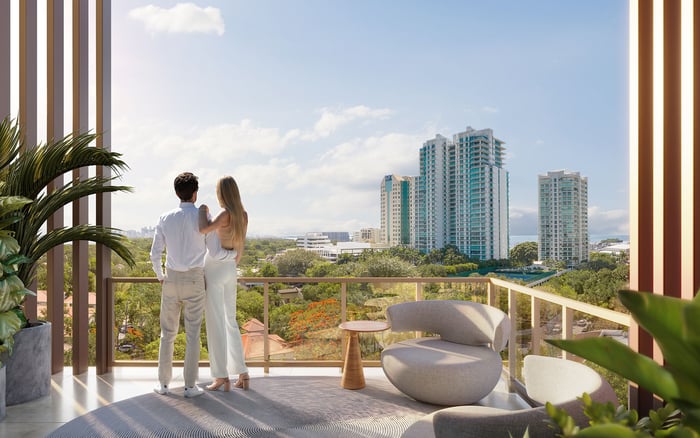
Terraces deserve particular scrutiny. A terrace that photographs beautifully but feels exposed, windy, narrow, or disconnected from the main living area may have less long-term utility than a more measured outdoor room. Serious buyers should ask whether the terrace can support real meals, reading, conversation, and quiet evenings. In bayfront real estate, the outdoor experience is not an amenity. It is part of the floor plan.
A serious long-term purchase in Grove Isle should have a plan that remains useful as life changes. Bedrooms need separation without isolation. The kitchen should support both private routines and hosted evenings. Service areas should be practical. Storage should be real, not decorative. A primary suite should feel restful even when guests are in the residence.
This is where luxury buyers sometimes make a costly mistake. They overvalue finishes and undervalue proportion. Marble, millwork, and appliances can impress quickly, but room scale and circulation determine how the home performs over years. A well-planned residence can absorb design changes gracefully. A compromised plan often remains compromised regardless of renovation budget.
Coconut Grove buyers have several reference points for this kind of livability. Four Seasons Residences Coconut Grove brings a hospitality lens to private residential living, while Park Grove Coconut Grove reflects the appeal of large-scale Grove residences with a strong connection to landscape and water. A Grove Isle buyer should use such comparisons not to chase novelty, but to sharpen the standard for flow, privacy, and service.
Long-term ownership depends on more than the residence itself. The building or community must be managed with discipline. Buyers should look closely at governance, maintenance culture, reserve philosophy, rules, staffing, insurance posture, and the willingness to preserve standards over time. These items may feel less glamorous than views and finishes, but they often determine whether ownership remains elegant or becomes frustrating.
A serious buyer should also pay attention to how common spaces age. Lobbies, corridors, landscaping, pool areas, fitness spaces, and arrival zones send a constant signal to residents and guests. More importantly, they influence resale perception. A private residence can be beautifully renovated, but if the shared environment feels neglected or inconsistent, the asset carries that burden.
This is one reason boutique scale can be attractive, provided the ownership base is aligned and the property is properly maintained. It is also why larger luxury buildings can be compelling when they combine amenity depth with professional stewardship. The point is not size alone. The point is whether the property has the culture and resources to protect the standard buyers are paying for.
Investment in a Grove Isle bayfront residence should be approached with restraint. The strongest thesis is not a quick trade. It is the combination of limited waterfront settings, enduring buyer demand for privacy, and the personal utility of owning a home that can be enjoyed while capital is held in a scarce location.
That means liquidity matters. A future buyer should be able to understand the home quickly: the view, the plan, the condition, the building quality, and the lifestyle proposition. Highly personalized renovations may bring joy to an owner, but they should be considered carefully if they reduce the home’s future audience. Timeless materials, flexible rooms, and neutral architectural decisions tend to travel better across market cycles.
Buyers should also avoid paying only for novelty. Newness can be valuable, especially when paired with thoughtful architecture and strong operations, but long-term resilience comes from fundamentals. Privacy, orientation, proportion, parking, storage, building health, and waterfront experience will matter long after a launch moment fades.
Grove Isle should not be evaluated in isolation. A disciplined buyer will compare it with other Coconut Grove offerings to understand what is being gained and what is being traded. Some buyers may prefer a more walkable village feel. Others may want a stronger connection to wellness programming, newer amenities, or a different architectural character.
For example, The Well Coconut Grove speaks to buyers who want wellness woven into daily life, while The Lincoln Coconut Grove may appeal to those focused on a Grove address with a different residential cadence. These comparisons help clarify the Grove Isle value proposition: bayfront calm, privacy, and a more secluded residential mood.
The best choice is the one that matches the owner’s actual life. If morning water views, quiet arrival, and a sense of retreat are central to the purchase, Grove Isle may carry emotional and practical weight. If daily pedestrian access to restaurants and village energy is the priority, another Grove setting may feel more natural. Long-term satisfaction comes from being honest about that distinction.
Before committing, a buyer should be able to answer a few questions clearly. Does the residence feel private at all hours? Does the view enhance daily living from multiple rooms? Is the floor plan flexible enough for guests, family, staff, and quiet work? Does the building demonstrate the stewardship expected at this price level? Would a future buyer understand the value without needing a long explanation?
If the answer is yes, the residence begins to look less like a discretionary indulgence and more like a durable holding. That is the standard Grove Isle deserves. Its appeal is not loud. It is measured, quiet, and deeply tied to the bay. For the right buyer, that is precisely the point.
Is Grove Isle best suited for primary or seasonal living? It can work for either, but the strongest fit is a buyer who will genuinely value privacy, water, and a quieter residential rhythm.
What matters most in a bayfront residence? View quality, floor-plan usability, privacy, building condition, and terrace function should be weighed together rather than separately.
Should buyers prioritize new construction? New construction can be appealing, but the better test is whether the residence offers durable design, strong operations, and lasting livability.
How important is terrace design? Very important. A terrace should function as a true outdoor room, not simply a place to step outside for a photograph.
Can a renovated older residence be a serious long-term purchase? Yes, if the building is well maintained and the residence has strong proportions, good light, and a plan that supports modern living.
What should buyers ask about building governance? They should understand maintenance standards, staffing, rules, reserves, insurance approach, and the overall culture of ownership.
Is Grove Isle more private than other parts of Coconut Grove? Its appeal is generally tied to a more secluded waterfront mood, though each building and residence should be evaluated individually.
How should buyers think about resale? Focus on features future buyers will understand quickly, including water orientation, privacy, condition, parking, storage, and building quality.
Are highly customized interiors a risk? They can be if they narrow the future audience. Timeless design choices often support broader long-term appeal.
What is the clearest sign of a strong Grove Isle purchase? The home should feel calm, practical, and special after close scrutiny, not only during the first emotional showing.
To compare the best-fit options with clarity, connect with MILLION.
If branded residences are on your mind — as a home or as an allocation — we would be glad to share what we are seeing, privately.
Begin a quiet conversation